
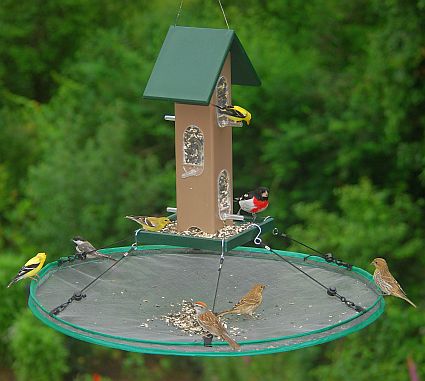
You love watching birds visit your feeder, but your curious cat has other plans. If you’ve ever caught your feline friend eyeing the bird feeder like a tasty challenge, you know how tricky it can be to keep both your pets and birds safe.
You want to enjoy peaceful birdwatching without worrying about your cat stalking the visitors. In this guide, you’ll discover simple and effective ways to cat proof your bird feeder. By making a few smart changes, you can protect your feathered friends and keep your cat entertained elsewhere.
Keep reading to learn how to create a safe, happy space for both birds and your furry companion.
Credit: dengarden.com
Risks Cats Pose To Birds
Cats may seem like harmless companions, but their presence around your bird feeder can create serious risks for the birds you want to attract. Understanding these risks is crucial to keeping your feathered friends safe and enjoying your bird-watching experience without worry. Let’s look closely at how cats affect birds and what you should watch out for.
Predatory Behavior Of Cats
Cats are natural hunters. Even well-fed house cats can’t resist the urge to stalk and chase birds.
They use stealth and patience, often hiding nearby your feeder, waiting for the perfect moment to pounce. This makes birds anxious and less likely to visit your feeder.
Have you ever noticed birds suddenly flying away whenever your cat moves nearby? That’s their instinct kicking in, trying to avoid becoming prey.
Impact On Local Bird Populations
Outdoor cats contribute significantly to the decline of local bird populations. Studies show that they kill billions of birds each year worldwide.
This impact is especially harsh in urban and suburban areas where birds rely on feeders for food. If birds feel unsafe, they may stop visiting your yard altogether.
By allowing cats near your feeder, you might unintentionally reduce the number of birds in your neighborhood. Do you want your feeder to be a safe haven or a hunting ground?
Common Cat Hunting Patterns
Cats often hunt in the early morning and late afternoon when birds are most active at feeders. They prefer staying low to the ground or hidden in bushes to stay unnoticed.
They may also use quick, sudden movements to catch birds off guard. This makes it important to design your feeder area in a way that limits hiding spots and keeps cats visible.
Think about your own yard—where could a cat hide? Clearing brush or placing feeders away from shrubs can help reduce these risks.
Choosing Safe Locations
Choosing the right spot for your bird feeder helps keep cats away. Location plays a big role in protecting birds. A safe place prevents cats from sneaking up on feeding birds.
Placing Feeders Away From Cat Access
Keep feeders far from areas cats can easily reach. Avoid placing them near fences or low branches. Cats can jump or climb to get close. The farther the feeder, the safer the birds.
Using Elevated Or Suspended Feeders
Hanging feeders from poles or wires keeps them out of cats’ reach. Elevate feeders at least 5 feet above ground. Suspended feeders swing, making it hard for cats to land. This also stops cats from climbing poles.
Avoiding Dense Shrubbery Nearby
Dense bushes give cats a place to hide and stalk birds. Place feeders in open spaces with clear views all around. This helps birds spot danger early. It also reduces surprise attacks from cats.
Physical Barriers And Deterrents
Protecting your bird feeder from curious cats is essential to keep the birds safe and visiting often. Physical barriers and deterrents create effective obstacles that make it tough for cats to reach your feeder. These solutions not only safeguard the birds but also keep your outdoor space cat-friendly without causing harm.
Installing Cat-proof Poles
Cat-proof poles are designed to prevent cats from climbing up to your bird feeder. These poles usually have smooth surfaces or special materials that make gripping difficult for cats.
You can choose poles coated with slippery paint or metal tubes with no footholds. Installing the pole at least 4-5 feet away from any nearby surfaces like fences or trees stops cats from jumping across.
Have you noticed how easily cats leap onto low-hanging feeders? Moving your feeder higher with a cat-proof pole can change that game completely.
Adding Baffles And Guards
Baffles are dome- or cone-shaped barriers placed on the pole below the feeder. They create a physical block that cats cannot pass. Installing these can be a simple DIY project using metal or plastic materials.
Guards work similarly by covering the feeder’s support structure, preventing cats from gripping or climbing. You can find many styles online or at garden stores to match your feeder type.
Think about how a smooth, round baffle makes it impossible for cats to hold on. This small addition can dramatically reduce unwanted visits.
Using Motion-activated Devices
Motion-activated deterrents add an active layer of protection by startling cats when they approach. These devices may emit a burst of water, a loud sound, or a flashing light to scare cats away.
Placing them near your feeder trains cats to avoid the area quickly, without any harm. Many users report that birds feel safer and visit more frequently once these devices are installed.
Would you prefer a gentle water spray or a sound alarm to keep your feeder cat-free? Choose a device that fits your outdoor environment and your comfort level.

Credit: www.yahoo.com
Feeder Design Considerations
Designing your bird feeder with cats in mind is essential to protect your feathered visitors. Thoughtful feeder choices can reduce the risk of cats sneaking up on birds, keeping your backyard a safe space. Let’s look at some key design considerations that can help you achieve this goal effectively.
Selecting Bird-friendly Feeders
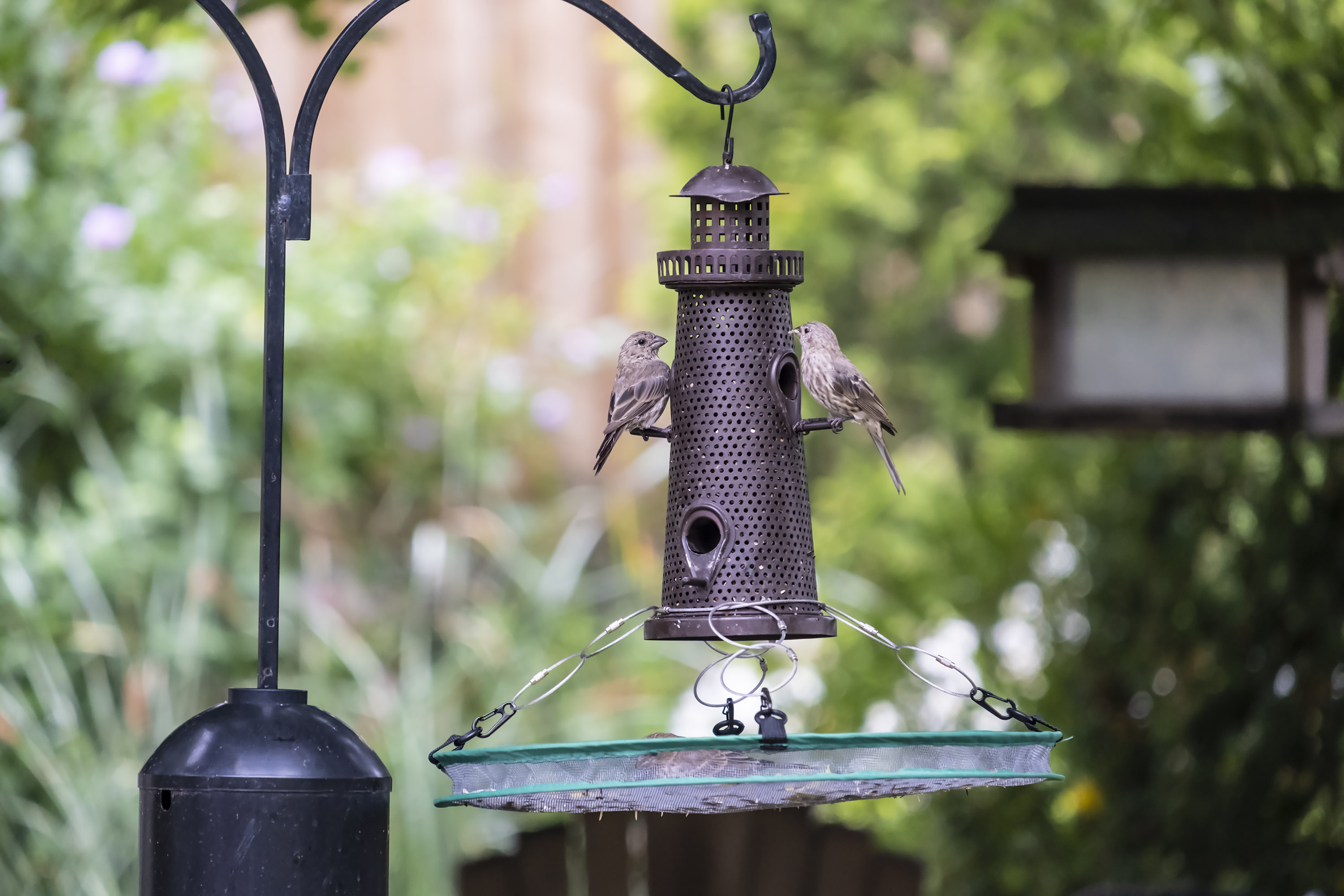
Choose feeders that hang or are mounted high off the ground. Tube feeders and those with cages around them can provide extra protection by limiting access for cats. Feeders with narrow perches or those that spin when a cat tries to land are especially helpful in deterring unwanted visitors.
Think about your local bird species. Select feeders that attract smaller birds less likely to be targeted by cats. For instance, feeders designed for finches or chickadees often discourage larger, predatory animals.
Avoiding Ground Feeding Stations
Ground feeders invite more risk since cats can easily stalk birds from nearby hiding spots. If you want to feed ground-feeding birds, consider placing food on raised platforms or trays with barriers around them. This simple change can make a big difference in keeping cats at bay.
Have you noticed how cats patiently wait near bushes or fences close to ground feeders? That’s why elevating feeders not only protects birds but also discourages cats from lurking nearby.
Materials That Deter Cats
Use feeder materials that are less attractive or uncomfortable for cats to climb on. Smooth metal or plastic feeders with slippery surfaces make it hard for cats to gain a grip. Avoid wooden feeders with rough surfaces that offer easy climbing routes.
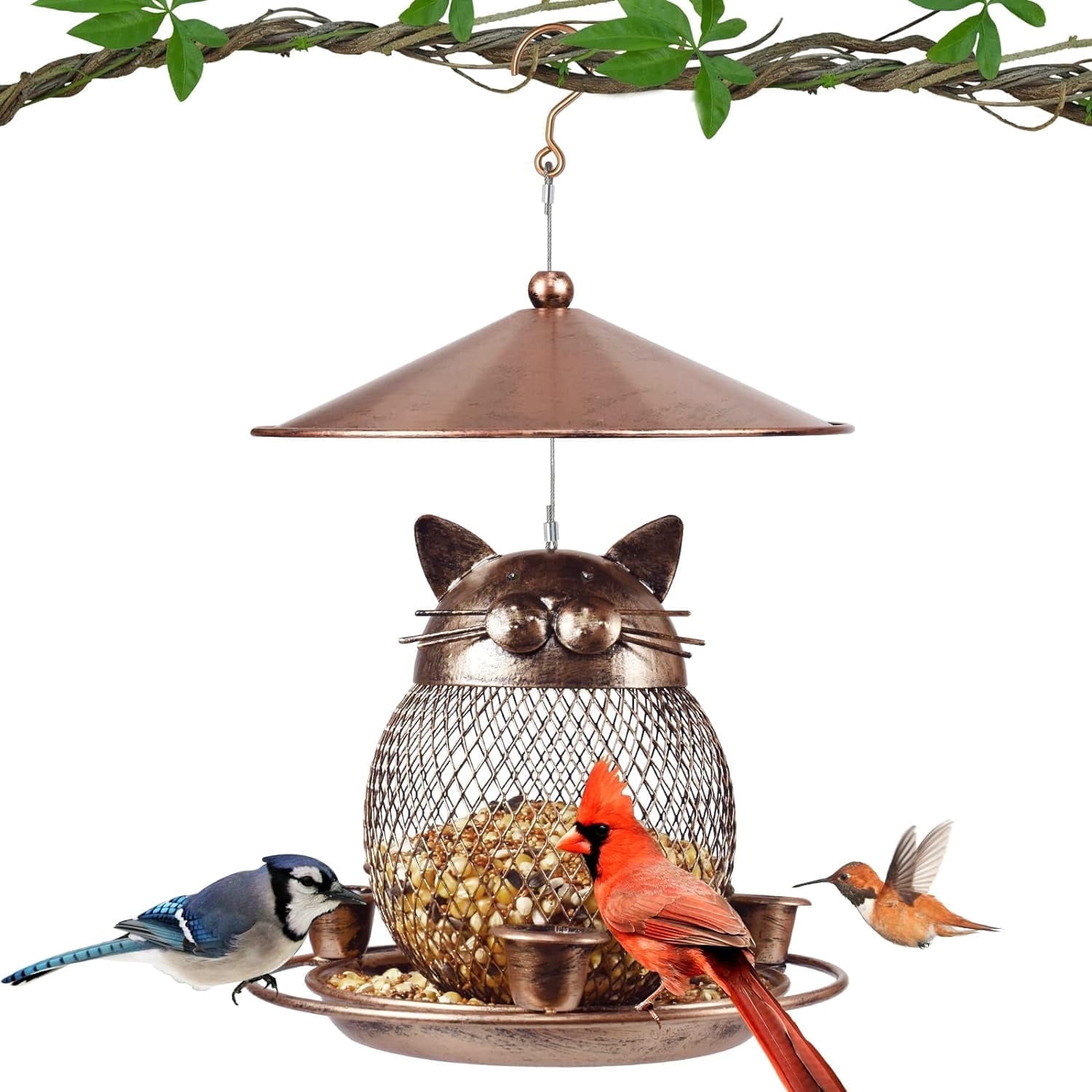
Adding baffles made from metal or hard plastic can block cats from reaching the feeder. You might also try feeders with built-in protective cages or covers. These design features are practical tools to keep your bird feeder cat-proof without affecting bird access.
Environmental Enhancements
Creating a safe and welcoming environment around your bird feeder helps protect birds from cats. Environmental enhancements make the area less attractive to predators. They also give birds a better chance to spot danger early and escape quickly. These simple changes improve bird safety and encourage more visits.
Creating Safe Bird Habitats
Design the space near your feeder to support bird safety. Place feeders away from open areas where cats can hide. Use natural cover like bushes and trees for birds to rest. Keep the ground clean to avoid attracting rodents that might also attract cats. A safe habitat helps birds feel secure while feeding.
Planting Dense Vegetation
Plant thick shrubs or thorny bushes near your feeder. Dense vegetation blocks cats’ view and movement. It also gives birds places to hide quickly. Choose native plants that grow thick and low. These plants create natural barriers that protect birds from cats silently stalking them.
Providing Escape Routes
Birds need clear paths to fly away fast. Keep branches or wires near the feeder for easy takeoff. Avoid placing feeders near fences or walls where cats can corner birds. Provide multiple exit points so birds can escape in different directions. Good escape routes reduce the risk of bird attacks.
Community And Cat Owner Cooperation
Creating a safe space for birds requires teamwork in your community. Cat owners and neighbors play a key role in protecting backyard wildlife. Sharing knowledge and habits helps reduce risks for birds visiting your feeder.
Working together builds respect for both cats and wild birds. Everyone benefits from a safer environment and peaceful coexistence.
Educating Neighbors About Cat Risks
Many people do not realize cats can harm wild birds. Explain how outdoor cats hunt and scare birds at feeders. Share simple ways to reduce these dangers.
- Discuss the impact of free-roaming cats on bird populations.
- Offer tips to keep cats indoors during peak bird activity.
- Provide information about safe bird feeding practices.
Encouraging Indoor Cat Habits
Indoor cats live longer and do not threaten birds. Suggest ways to keep cats happy inside. Enrich their environment with toys and perches.
- Recommend feeding cats indoors to prevent hunting outside.
- Promote the use of cat trees and window seats.
- Encourage regular playtime to reduce boredom.
Supporting Local Wildlife Initiatives
Join or start local groups focused on bird protection. These initiatives raise awareness and improve habitats. Your support helps create a safer space for birds and cats alike.
- Attend community meetings about wildlife conservation.
- Volunteer for projects that protect local bird species.
- Share resources and tips with neighbors to strengthen efforts.
Credit: www.walmart.com
Frequently Asked Questions
How Can I Keep Cats Away From My Bird Feeder?
To keep cats away, place the feeder on a tall pole. Ensure it’s at least five feet off the ground. Use a baffle to prevent climbing. Keep the area around the feeder clear of potential hiding spots. Regularly check and maintain these measures for effectiveness.
What Materials Deter Cats From Bird Feeders?
Cats dislike certain textures and smells. Use chicken wire or prickly mats around the feeder base. Citrus peels or coffee grounds sprinkled nearby can also deter them. Try commercial cat repellents for added protection. Regularly refresh these materials to maintain their effectiveness.
How High Should A Bird Feeder Be To Deter Cats?
Bird feeders should be at least five feet high. This height makes it challenging for cats to jump or climb. Use poles and baffles to further secure the feeder. Ensure no nearby structures allow cats to leap onto the feeder.
Do Motion-activated Sprinklers Help Deter Cats?
Yes, motion-activated sprinklers are effective at deterring cats. They surprise and scare cats away without harming them. Place them strategically around the feeder area. Adjust the sensitivity to ensure they activate only when needed. Regularly check their functionality for consistent results.
Conclusion
Protecting your bird feeder from cats keeps birds safe and happy. Use barriers and place feeders where cats cannot reach. Regularly check your feeder for signs of cat activity. Small steps make a big difference in bird safety. Enjoy watching birds without worrying about predators nearby.
Keep your garden a safe space for all creatures. Simple actions help protect birds every day. Stay patient and keep improving your setup. Your efforts bring peace to your backyard wildlife.