
If you love watching birds but hate when squirrels steal all the food, you’re not alone. The Squirrel Buster bird feeder is designed to keep those clever critters out, but it only works if it’s set up just right.
You might be wondering how to adjust it so your feathered friends get the treats they deserve without the pesky interruptions. In this guide, you’ll discover simple steps to fine-tune your feeder for the best squirrel-proof performance. Keep reading, and you’ll soon enjoy peaceful birdwatching like never before.
Choosing The Right Location
Choosing the right location for your Squirrel Buster bird feeder is key to its success. Placement affects how easily birds can reach the feeder and how well it keeps squirrels away. A good spot attracts birds and keeps pests at bay.
Consider factors like safety, visibility, and accessibility. The feeder should be easy for birds to find and hard for squirrels to get to. Proper location helps you enjoy watching birds without constant squirrel interference.
Ideal Spots For Placement
Pick a location close to trees or shrubs. Birds feel safer near cover and use plants as perches. A spot 10-15 feet from trees lets birds fly in easily.
Place the feeder at least 5 feet above the ground. This height keeps many ground predators away. Also, choose a spot with good sunlight and some shade. Birds prefer spots where they can warm up or cool down.
- Near natural bird habitats like bushes or small trees
- In open areas but close to cover for quick escape
- At a height between 5 to 7 feet above ground
- Where you can easily watch and refill the feeder
Avoiding Squirrel Hotspots
Squirrels are clever and can jump far. Keep the feeder away from places squirrels use to launch their jumps. Avoid spots near fences, roofs, or branches close to the feeder.
Look for areas without nearby jumping points within 8-10 feet. Clear branches or wires near the feeder to block squirrel access. Sometimes, a metal pole works better than a wooden one.
- Keep feeder 8-10 feet away from trees and structures
- Remove or trim branches near the feeder
- Use smooth, metal poles to prevent climbing
- Place feeder away from fences or garden walls

Credit: www.youtube.com
Understanding The Squirrel Buster Mechanism
Understanding how the Squirrel Buster bird feeder works helps you keep squirrels away. It uses smart design to let birds feed while blocking squirrels. Knowing its mechanism makes adjustment easier and more effective.
How The Feeder Works
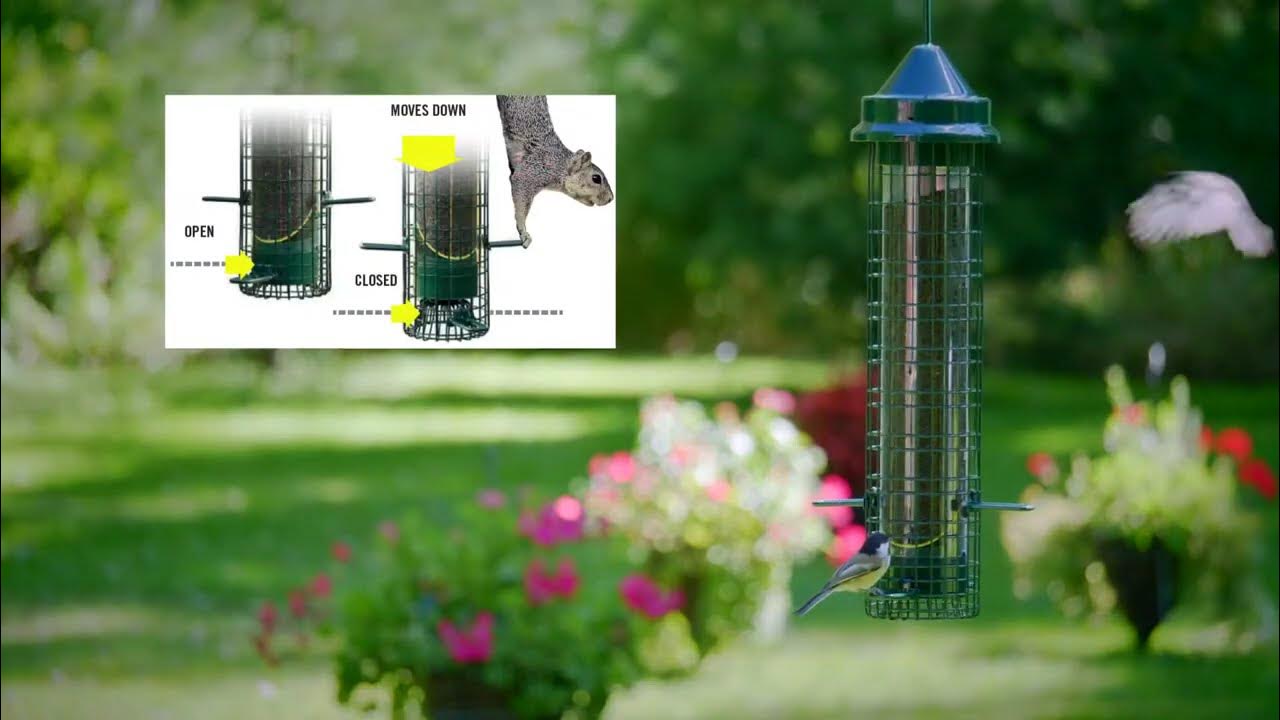
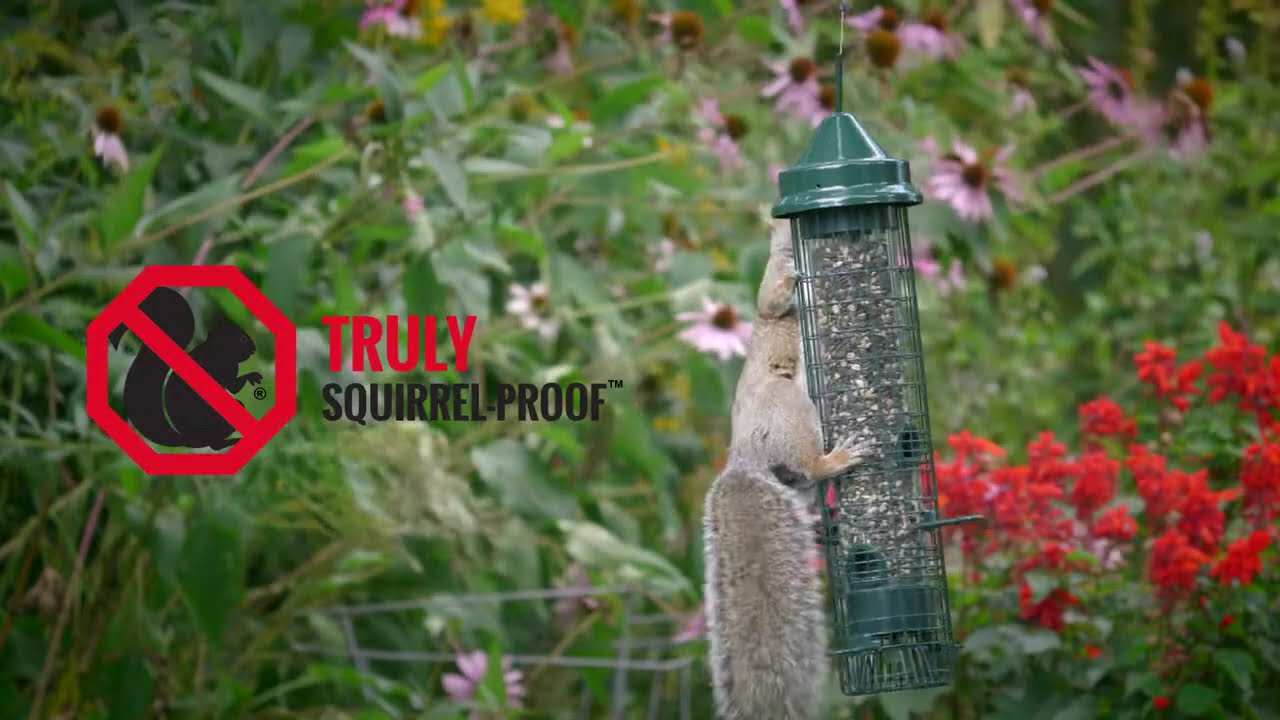
The feeder has a weight-sensitive system. When a squirrel climbs on, it triggers the mechanism. This causes the feeding ports to close. Birds, which are lighter, can still access the seeds. The feeder also uses cages or baffles to block squirrels physically.
This balance lets birds enjoy the food without interruption. The mechanism reacts quickly to keep squirrels from stealing seeds. It is designed to protect the seed supply and reduce waste.
Adjustable Features Explained
The Squirrel Buster has parts you can adjust to fit your needs. The tension on the cage or ports can be tightened or loosened. This change controls how much weight triggers the closing action.
You can adjust the feeder for different squirrel sizes. The seed opening can also be modified. This helps smaller birds feed comfortably.
- Weight sensitivity adjustment
- Seed port size control
- Protective cage positioning
Proper adjustments make the feeder more efficient. It stops squirrels without disturbing birds. Each feature works together to balance access and protection.
Step-by-step Adjustment Guide
Adjusting a Squirrel Buster bird feeder ensures it works well and keeps squirrels away. This guide breaks down the key steps to make the feeder sensitive to squirrel weight. Follow these clear instructions to protect your bird food and enjoy watching birds safely.
Setting The Cage Tension
Locate the tension spring on the feeder’s cage. This spring controls how tightly the cage closes. Turn the adjustment screw to increase or decrease tension. Higher tension means the cage closes faster. Adjust so the cage moves smoothly without sticking or being too loose.
Calibrating The Weight Sensitivity
Adjust the weight sensitivity to match local squirrels’ size. Use the built-in weight dial or screws near the cage. Turn the dial to increase sensitivity for lighter squirrels. Decrease sensitivity for heavier ones. Test with small weights to find the right balance. The goal is to close the cage only when squirrels sit on it.
Testing The Adjustment
Place the feeder in a safe spot to test. Use a similar weight to a squirrel on the cage. Watch if the cage closes quickly and fully. If it does not close, tighten the tension or increase sensitivity. If it closes too fast or for birds, loosen the settings. Repeat testing until the feeder reacts properly to squirrels but not birds.
Credit: store.bromebirdcare.com
Common Issues And Fixes
Adjusting your Squirrel Buster bird feeder can sometimes lead to a few common issues that might frustrate you. These problems usually revolve around the feeder’s closing mechanism or squirrels still managing to access the birdseed. Understanding these issues and how to fix them will save you time and ensure your feeder works as intended.
Feeder Not Closing Properly
If your feeder isn’t closing as it should, the first thing to check is the tension on the spring mechanism. Over time, the spring can lose its strength or become misaligned, preventing the feeder from shutting tightly.
Try gently adjusting the spring tension by bending it slightly or repositioning it to increase the pressure. Also, make sure the feeder is hanging straight and not tilted, as an uneven angle can interfere with the closing action.
Have you noticed dirt or debris around the moving parts? Cleaning these areas with a brush or cloth can remove obstructions that stop the feeder from closing. Regular maintenance keeps the mechanism smooth and responsive.
Squirrels Still Getting In
Even with a properly adjusted feeder, squirrels can be surprisingly clever. If they’re still getting in, check the weight setting on your Squirrel Buster. It might be too low, allowing smaller squirrels to trigger the closing mechanism prematurely or not at all.
Adjust the weight sensitivity by tightening the spring or changing the feeder’s weight calibration according to the instructions. This step ensures only birds can access the seed.
Another tip is to inspect where you hang the feeder. Placing it too close to trees or structures gives squirrels easy access. Have you tried moving it at least 10 feet away from any jumping points? That simple change can reduce squirrel visits dramatically.
Maintenance Tips For Longevity
Proper maintenance helps your Squirrel Buster bird feeder last longer. It keeps the feeder clean and in good condition. This ensures birds stay safe and enjoy fresh seed. Regular checks prevent small problems from becoming big issues. Follow these simple tips to maintain your feeder well.
Regular Cleaning
Cleaning the feeder often stops mold and bacteria build-up. Use warm water and mild soap to wash all parts. Rinse thoroughly to remove soap residue. Let the feeder dry completely before refilling with seed. Clean every two weeks or more if the feeder is very dirty. This keeps seeds fresh and birds healthy.
Inspecting For Wear And Tear
Look closely at the feeder for cracks or broken parts. Check the weight mechanism and moving parts to ensure smooth function. Tighten any loose screws or bolts. Replace damaged parts quickly to avoid bigger damage. Regular inspection helps the feeder work properly and last longer.
Credit: store.bromebirdcare.com
Frequently Asked Questions
How Do I Adjust The Tension On A Squirrel Buster Feeder?
To adjust tension, locate the spring mechanism inside the feeder. Turn the tension knob clockwise to increase resistance and counterclockwise to decrease it. Proper tension prevents squirrels from accessing birdseed while allowing birds to feed easily.
What Is The Best Height To Hang A Squirrel Buster Feeder?
Hang the feeder at least 5 to 6 feet above ground. This height helps keep squirrels from jumping onto it. Also, ensure it is away from launching points like nearby trees or fences.
How Can I Clean My Squirrel Buster Bird Feeder?
Disassemble the feeder and wash all parts with warm, soapy water. Rinse thoroughly and let it dry completely before refilling. Regular cleaning prevents mold and keeps birds healthy.
Why Won’t My Squirrel Buster Feeder Close Properly?
Check if the spring is stuck or the tension is too low. Debris can also block the closing mechanism. Clean and adjust the spring tension to ensure smooth operation.
Conclusion
Adjusting your Squirrel Buster bird feeder helps keep squirrels away. It ensures birds enjoy the food safely and easily. Small changes in the feeder’s settings make a big difference. Check the tension and weight settings often. This keeps the feeder working well all year.
A well-adjusted feeder means more birds visit your yard. Enjoy watching colorful birds without constant squirrel interruptions. Simple steps can protect your bird feeder effectively. Keep adjusting until it works just right for your garden.