
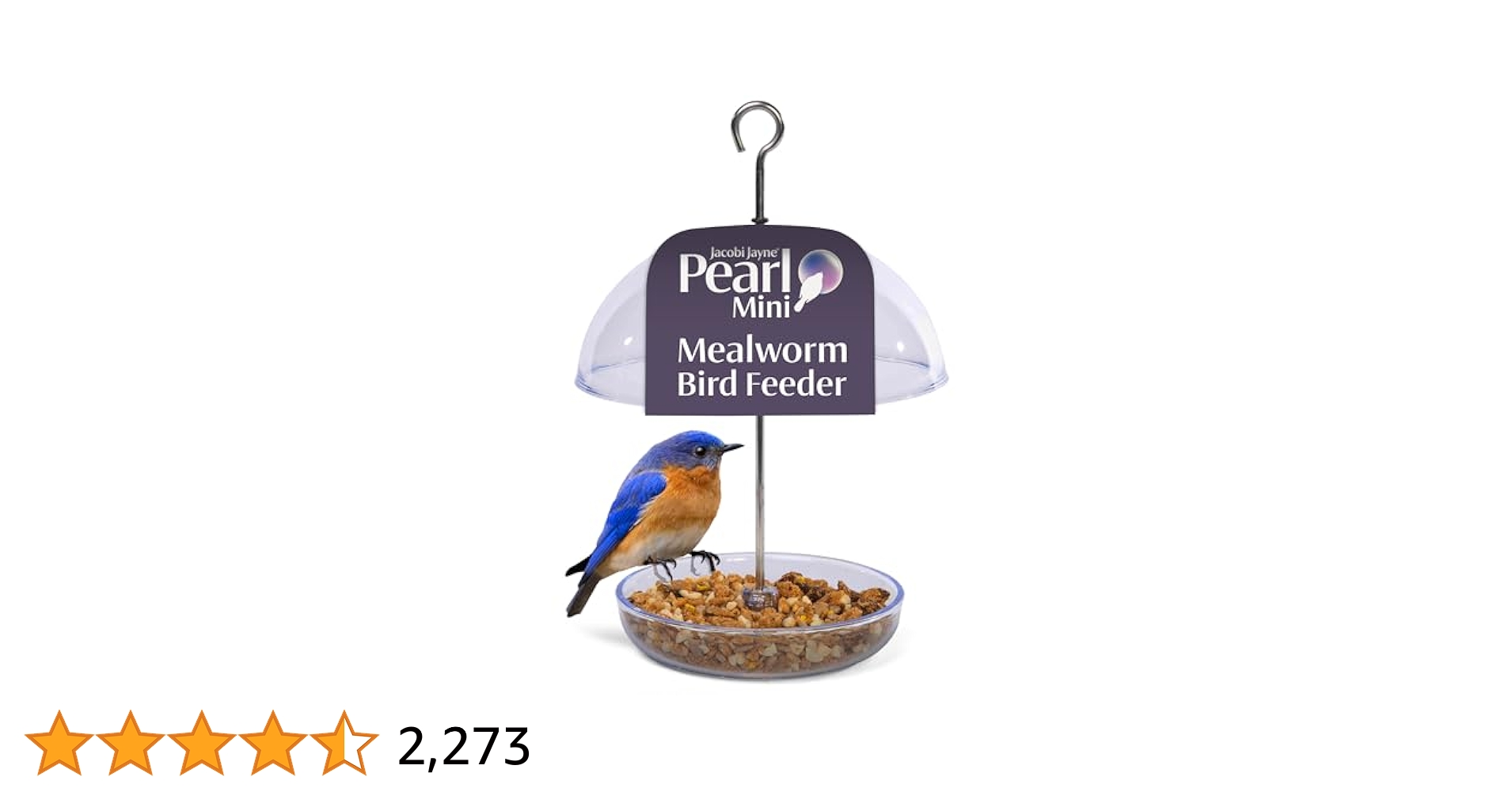
Are you looking to attract more birds to your garden with mealworms? Choosing the right bird feeder for mealworms can make all the difference.
The right feeder not only keeps the mealworms fresh but also makes it easy for birds to enjoy their treat. You’ll discover the best types of bird feeders for mealworms and how to use them to bring more feathered friends to your backyard.
Keep reading to find the perfect feeder that suits your needs and makes feeding birds simple and enjoyable.
Credit: www.kingsyard.com
Benefits Of Using Mealworm Feeders
Using a dedicated mealworm feeder can change how you attract and support wild birds in your area. These feeders offer unique benefits that go beyond just holding food. They create a targeted feeding experience that meets the specific needs of insect-eating birds and makes your birdwatching more rewarding.
Nutritional Value For Birds
Mealworms are packed with protein and fat, essential for birds especially during breeding or cold weather. Providing mealworms helps birds maintain energy and build strong feathers. You’re not just feeding birds; you’re supporting their health and survival.
I once observed bluebirds returning to my yard regularly after adding a mealworm feeder. It was clear they relied on this protein-rich food source, especially in early spring when insects are scarce.
Attracting Specific Bird Species
Mealworm feeders attract birds that prefer insects over seeds, like bluebirds, wrens, and chickadees. If you want to invite these species to your garden, a mealworm feeder is the best tool. It narrows down your visitors to those that benefit most from this food.
Think about the birds you want to see. Do you want more insect-eaters around? A mealworm feeder can be your secret weapon to bring them closer.
Ease Of Use And Maintenance
Mealworm feeders are usually designed for easy filling and cleaning, which saves you time. Many models have trays or mesh containers that keep mealworms fresh and accessible. This simplicity means you’re more likely to keep the feeder stocked regularly.
From my experience, a well-designed feeder reduces mess and waste, making feeding birds a hassle-free joy. Wouldn’t you agree that a feeder you can maintain easily encourages you to feed birds more often?
Credit: www.kingsyard.com
Types Of Mealworm Bird Feeders
Choosing the right bird feeder for mealworms helps attract more birds to your garden. Different feeders suit different bird species and feeding habits. Some feeders keep mealworms fresh and clean, while others make feeding easy for birds.
Here are the main types of mealworm bird feeders. Each one offers unique benefits for your feathered visitors.
Platform Feeders
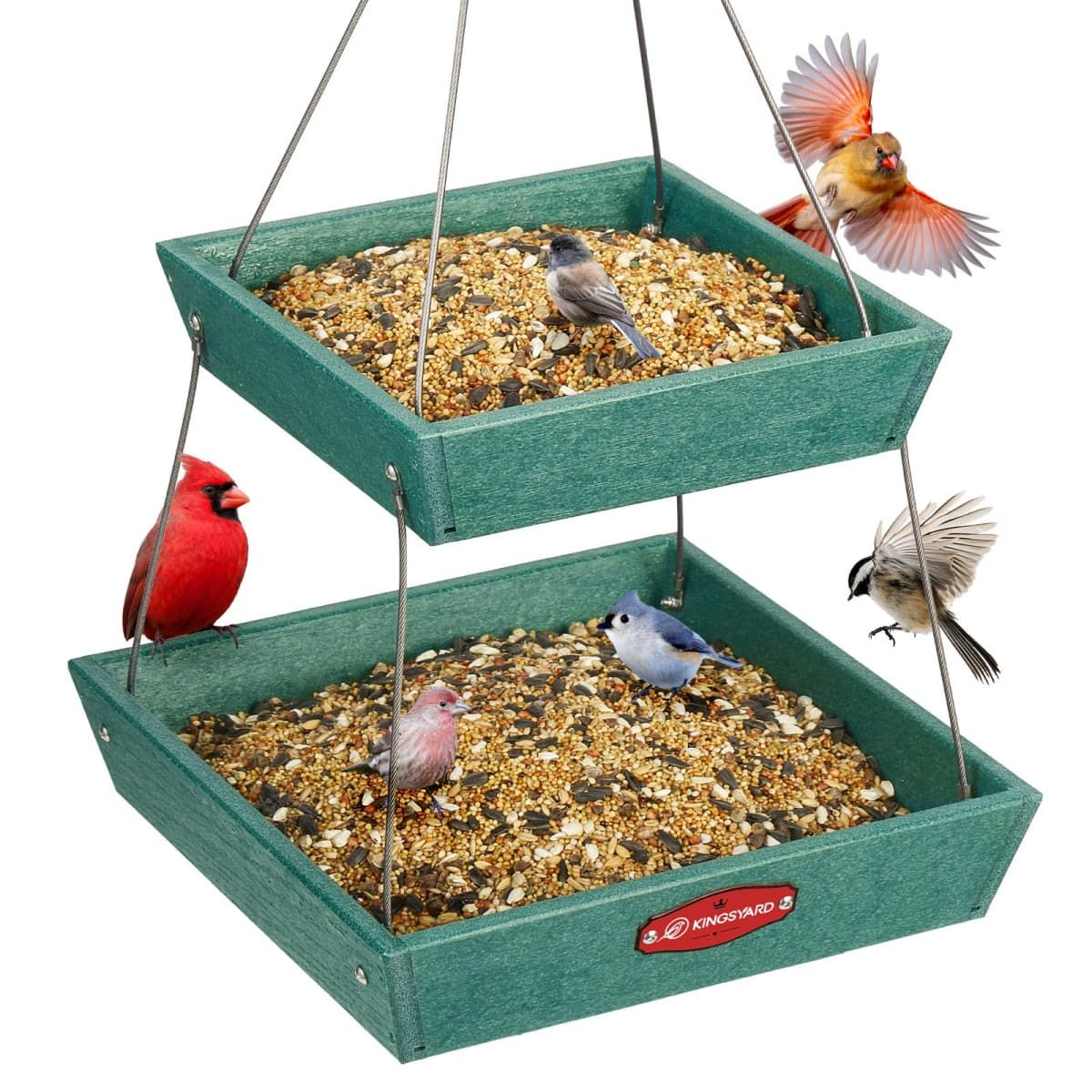
Platform feeders are flat, open trays that hold mealworms. Birds can easily see and access the food. These feeders suit ground-feeding birds and those that prefer to perch. They allow birds to feed comfortably without crowding.
Tube Feeders
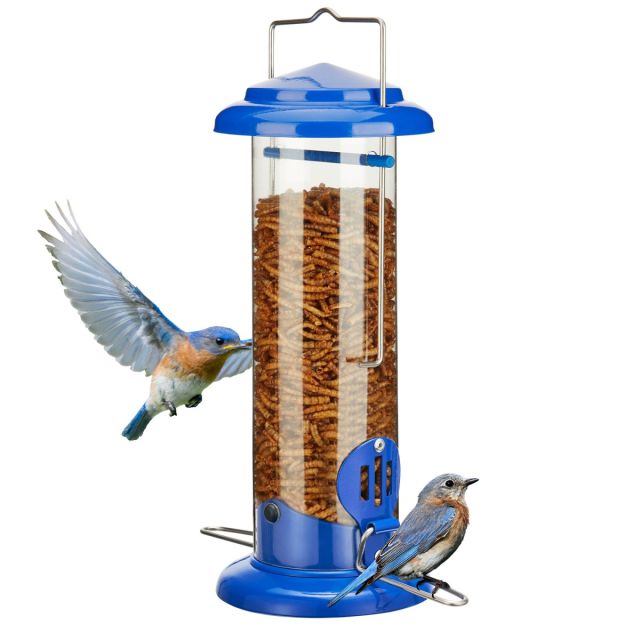
Tube feeders are long and narrow with small feeding ports. They protect mealworms from rain and pests. Birds perch on small rings or openings to eat. These feeders work well for small birds that feed in groups.
Hopper Feeders
Hopper feeders have a covered container that holds mealworms inside. Food is released onto a tray below as birds eat. This design keeps mealworms dry and fresh longer. It can hold a large amount of food at once.
Tray Feeders
Tray feeders are shallow dishes attached to a pole or window. They are easy to fill and clean. Birds can feed freely without barriers. These feeders attract a wide variety of birds and allow easy mealworm access.
Materials And Durability
Choosing the right material for your mealworm bird feeder affects its durability and ease of use. The feeder must protect mealworms from weather and pests. It should also last through many seasons. Different materials offer unique benefits and challenges. Understanding these helps pick the best feeder for your needs.
Plastic Feeders
Plastic feeders are light and easy to clean. They often come in bright colors that attract birds. Many plastic feeders have clear parts to see the mealworms inside. Plastic resists water well, keeping mealworms dry during rain. Some plastics can crack in cold weather. Choose thick, high-quality plastic for longer use.
Metal Feeders
Metal feeders are very strong and last for years. They handle harsh weather without damage. Metal keeps pests like squirrels away better than plastic. These feeders often have a sleek look and simple design. Check if the metal is rust-resistant to avoid corrosion. Metal can get hot in direct sunlight, so place feeders in shade.
Wooden Feeders
Wooden feeders blend well with natural surroundings. They offer good insulation to keep mealworms fresh. Wood feeders can be handmade or store-bought. Treat the wood with safe sealants to protect against rain. Untreated wood may rot or attract mold. These feeders might need more care but provide a rustic charm.

Credit: www.amazon.ca
Features To Consider
Choosing the right bird feeder for mealworms requires attention to key features. These features help protect the food and make feeding birds easier. The feeder must handle outdoor conditions and keep pests away. Also, it should be simple to clean to maintain bird health.
Weather Resistance
Bird feeders face rain, wind, and sun every day. A weather-resistant feeder keeps mealworms dry and fresh. Materials like metal or heavy-duty plastic work best. Look for feeders with covers or lids to shield the food. This prevents spoilage and waste.
Ease Of Cleaning
Cleaning the feeder regularly stops mold and bacteria. Choose feeders with removable parts or wide openings. This design makes cleaning fast and simple. Clean feeders keep birds healthy and encourage them to return.
Squirrel Proofing
Squirrels often steal mealworms from feeders. A squirrel-proof feeder has special guards or weight-sensitive perches. These features block squirrels but let birds feed freely. This saves food and reduces frustration.
Top Mealworm Feeders On The Market
Choosing the right feeder for mealworms can make a big difference in how often birds visit your yard. The right feeder keeps mealworms fresh, reduces mess, and attracts a variety of birds. Here’s a look at some top mealworm feeders that suit different needs and budgets.
Best Overall Feeder
The best overall mealworm feeder balances durability, ease of use, and bird accessibility. Many bird lovers prefer feeders made from clear plastic with multiple feeding ports. These feeders let you see when it’s time to refill and accommodate different bird sizes.
One popular choice is a hanging container with a mesh bottom. It allows air to circulate, keeping mealworms fresh longer. You’ll notice more frequent visits from bluebirds and wrens with this type of feeder.
Best Budget Option
If you’re new to feeding mealworms or watching your budget, simple plastic trays or shallow dishes work well. These options cost less but still attract mealworm-loving birds.
Placing the tray in a sheltered spot helps prevent mealworms from drying out or getting spoiled quickly. It’s a straightforward solution that’s easy to clean and refill.
Best For Small Spaces
When space is limited, compact feeders that attach to windows or small balcony rails are ideal. These feeders don’t take up much room but still offer a steady supply of mealworms.
Look for models with suction cups or clip-on designs that hold small amounts of mealworms securely. This way, you won’t have to sacrifice your limited outdoor space to enjoy birdwatching.
Best For Large Bird Flocks
Feeding large flocks means choosing feeders with high capacity and sturdy construction. Large hopper feeders or multiple feeding trays work well for this purpose.
These feeders reduce competition among birds and prevent mealworms from running out too quickly. If you often see big groups of birds, investing in a feeder with ample space will keep everyone happy and coming back.
Tips For Using Mealworm Feeders
Using mealworm feeders effectively can make a big difference in attracting and supporting your local bird population. The way you place, feed, and maintain your mealworm feeder impacts not just which birds visit but also their health and safety. Small changes in your routine can lead to better results and a more enjoyable birdwatching experience.
Proper Placement
Where you put your mealworm feeder matters a lot. Choose a spot that’s visible but protected from harsh weather and predators. Placing it near shrubs or trees gives birds a quick escape route if danger appears.
Think about accessibility for both birds and you. Can you easily refill the feeder without disturbing the birds? Avoid placing feeders too close to busy human activity, as it might scare shy species away.
Feeding Schedule
Birds appreciate consistency, so try to feed mealworms at regular times. Early morning is often best since many birds start looking for food at dawn. This helps you observe more activity and supports birds when they need energy most.
Keep in mind that overfeeding can cause waste or attract unwanted pests. Offer just enough mealworms to be eaten within a few hours to keep the feeder clean and appealing.
Maintaining Freshness
Mealworms spoil quickly if left out too long. Always check for uneaten mealworms and remove any that look dried out or moldy. This prevents disease and keeps your feeder inviting.
Using a feeder with good ventilation helps keep mealworms fresh longer. You might also refrigerate live mealworms before placing them outside to extend their life and nutrition.
Frequently Asked Questions
What Type Of Feeder Is Best For Mealworms?
The best feeder for mealworms is a tray or platform feeder. It allows easy access and prevents mealworms from escaping. These feeders are shallow and open, making it simple for birds to pick mealworms without difficulty.
Can I Use Tube Feeders For Mealworms?
Tube feeders are not ideal for mealworms. Mealworms need a flat surface to stay put. Tube feeders may cause them to fall out or get trapped, making it harder for birds to feed on them.
How Do I Keep Mealworms Fresh In Feeders?
To keep mealworms fresh, use a feeder with good ventilation. Avoid direct sunlight and moisture. Refill the feeder frequently with fresh mealworms to maintain quality and attract more birds.
Are Covered Feeders Good For Mealworms?
Covered feeders can protect mealworms from rain and predators. However, ensure the cover allows easy bird access. Proper ventilation is crucial to prevent moisture buildup and keep mealworms healthy.
Conclusion
Choosing the right bird feeder for mealworms helps attract many birds. Tube feeders keep mealworms fresh and safe from rain. Tray feeders offer easy access for birds that prefer open space. Consider the birds in your area and their feeding habits.
Clean your feeder often to keep birds healthy. Enjoy watching different birds come to your feeder every day. Feeding mealworms can bring more life and color to your garden. A simple feeder choice makes a big difference for your feathered friends.