
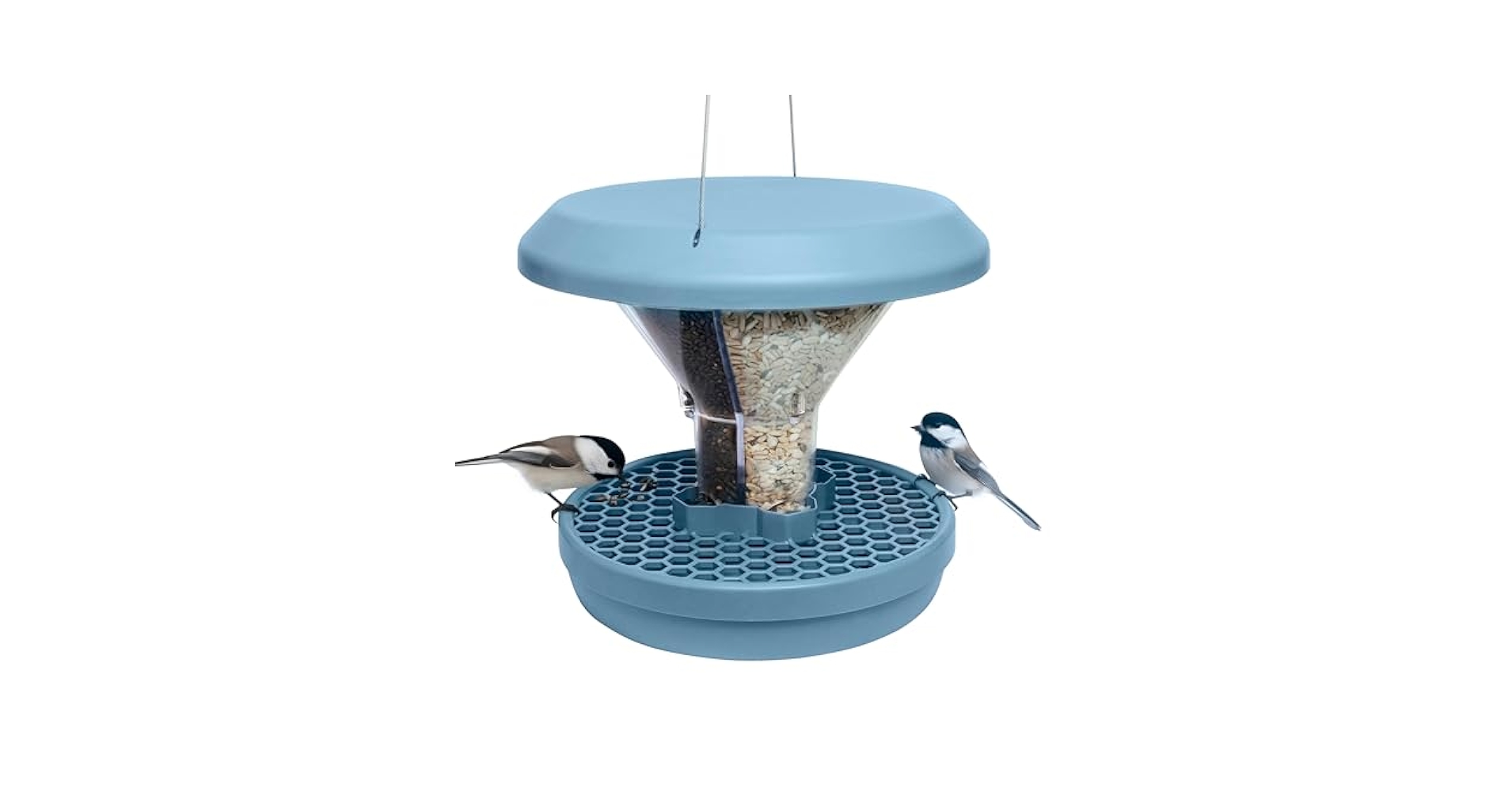
Are you tired of pesky rats stealing the bird food from your feeder? You’re not alone.
Keeping your garden birds fed without inviting unwanted guests can be a real challenge. That’s where the De Rat Bird Feeder comes in. Designed to keep rats at bay while welcoming your favorite feathered friends, this feeder could change the way you enjoy birdwatching.
If you want to protect your bird food and enjoy more visits from colorful birds, keep reading to discover how the De Rat Bird Feeder can make a difference in your backyard.
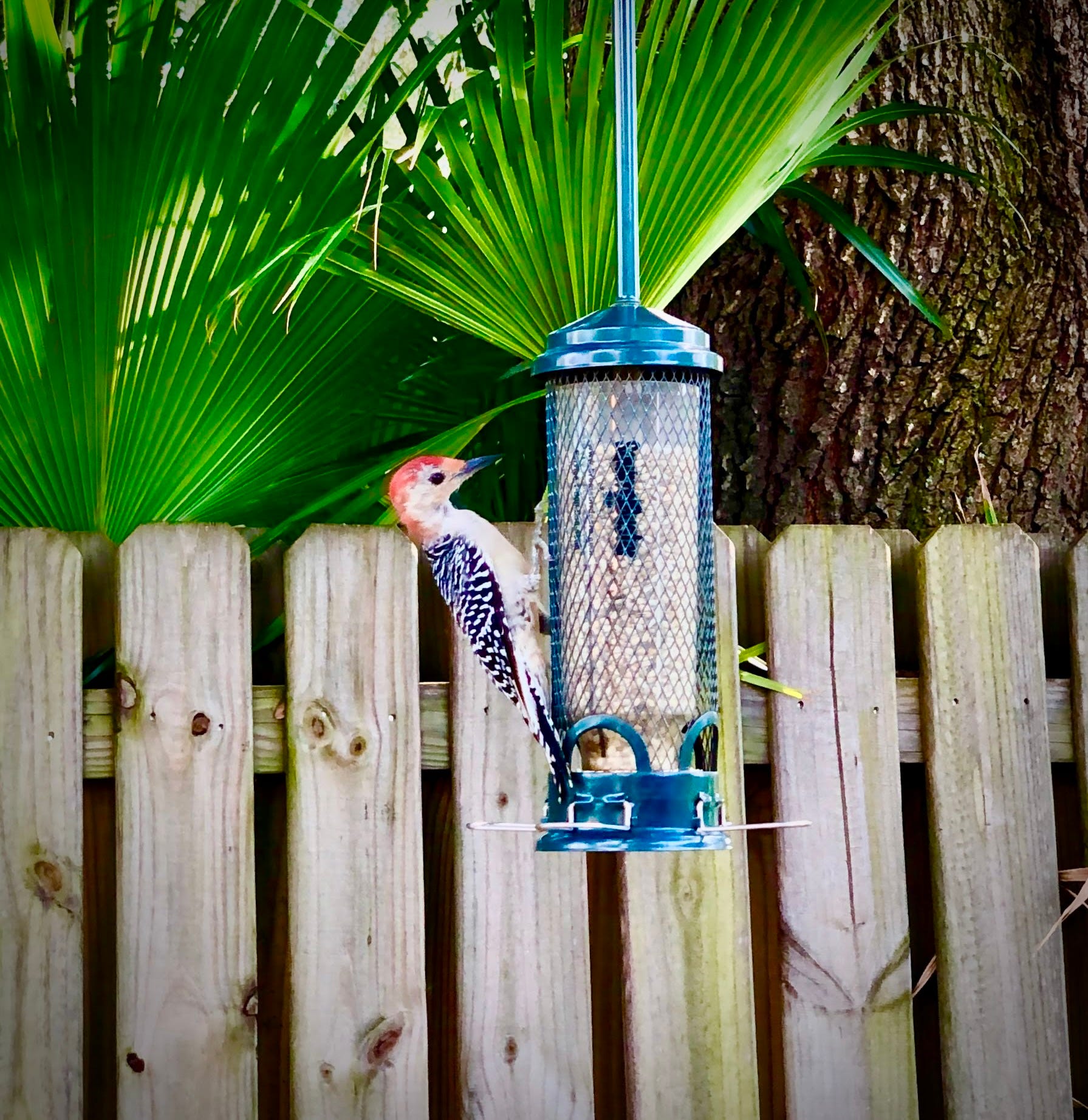
Credit: medium.com
Benefits Of Rat Bird Feeders
Rat bird feeders offer more than just a place for birds to eat; they bring a range of benefits to your garden and the environment around you. By choosing the right feeder, you can invite a variety of birds, help local wildlife thrive, and even manage pesky rodents. Have you ever thought about how a simple feeder could change your outdoor space in so many ways?
Attracting Diverse Bird Species
Rat bird feeders are designed to appeal to a wide range of bird species. Their structure and seed capacity allow you to offer different types of food that attract colorful and unique birds. This variety means your garden becomes a lively spot full of bird songs and movement.
Seeing a new bird species visit your feeder can be a daily surprise. You might notice finches one day and woodpeckers the next. This diversity not only enhances your outdoor experience but also supports birdwatching and photography hobbies.
Supporting Local Wildlife
Providing a steady food source helps local birds survive harsh seasons, especially winter when natural food is scarce. Rat bird feeders offer a reliable spot for birds to rest and refuel, which is vital for their health and migration.
You’re not just feeding birds—you’re supporting the entire ecosystem. Healthy bird populations help control insect pests and spread plant seeds, contributing to a balanced environment around your home.
Reducing Pest Problems
Interestingly, rat bird feeders can also help control the rodent population. By attracting birds that prey on rats and mice, you create a natural pest management system. This reduces the need for harmful chemicals or traps in your yard.
Have you noticed fewer rodents after setting up a bird feeder? This practical benefit shows how wildlife-friendly solutions can protect your home while promoting biodiversity. It’s a win-win for you and your garden friends.

Credit: www.amazon.ca
Choosing The Right Rat Bird Feeder
Choosing the right rat bird feeder matters more than you might think. The feeder you pick affects which birds visit your garden and how easy it is to maintain. Understanding your options helps you create a welcoming spot that keeps rats away and birds happy.
Types Of Feeders Available
You’ll find several types of rat bird feeders, each designed for different bird species and garden setups.
- Tube Feeders:These are simple, vertical feeders with multiple feeding ports. They attract small songbirds but can be vulnerable to squirrels and rats if not designed with protective features.
- Platform Feeders:Open trays that hold seeds and attract a wide variety of birds. Unfortunately, they also invite unwanted pests unless raised or protected.
- Caged Feeders:These have a metal cage around the feeding area, blocking larger pests like rats while allowing smaller birds to feed freely.
- Squirrel-Proof Feeders:Some feeders include weight-sensitive mechanisms that close off access to heavier animals such as rats, giving you more control over who gets to eat.
Think about which birds you want to attract and how much protection you need against pests before choosing a type.
Materials And Durability
Material choice impacts feeder lifespan and maintenance needs. Metal feeders, especially stainless steel, resist rust and damage from curious rodents better than plastic ones.
Wooden feeders look natural but require regular upkeep to avoid rot and damage. Plastic feeders are lightweight and affordable but may not hold up well if rats chew on them.
Consider your climate too—rain or intense sun can wear down certain materials faster. Which material will last longest in your garden’s conditions?
Size And Capacity Considerations
The size of your feeder influences how often you need to refill it and how many birds it can serve at once.
- Smaller feeders suit gardens with few visitors or if you prefer fresh seed turnover.
- Larger feeders work well if you host many birds or want to minimize refills.
Keep in mind that oversized feeders can attract more rats if not properly secured. Balancing capacity with pest control is key.
Ask yourself: How much time can you dedicate to refilling and cleaning? The right size matches your schedule and bird activity.
Setting Up Your Feeder
Setting up your De Rat Bird Feeder correctly can make all the difference in attracting a variety of birds while keeping them safe. The right placement not only encourages visits from your feathered friends but also ensures their comfort and security. Let’s look at how you can position your feeder for the best results, keep both birds and pets safe, and adjust for changing seasons.
Ideal Placement Tips
Choose a spot that offers a clear view for you and easy access for birds. Placing your feeder near trees or shrubs gives birds a quick escape route if they sense danger.
Avoid locations too close to windows to reduce bird collisions. If space allows, position the feeder about 10 feet away from glass surfaces.
Think about the sun’s path. Morning sunlight can warm the feeder and make it more inviting for early birds. Also, try to avoid overly windy or exposed areas to keep the feeder stable and comfortable.
Safety For Birds And Pets
Ensure the feeder is out of reach of household pets, especially cats, who may see visiting birds as prey. Hanging feeders high or using baffles can help keep predators away.
Keep the area around the feeder clean to prevent disease. Regularly remove old seeds and wash the feeder with mild soap and water.
Consider installing your feeder where you can easily observe it without disturbing the birds. This balance helps you enjoy watching them while keeping them safe.
Seasonal Adjustments
As seasons change, so do bird feeding habits. In colder months, fill your feeder with high-energy seeds like sunflower or suet to help birds stay warm.
During hot weather, check the feeder more often to prevent seeds from spoiling. You might also want to add fresh water nearby for drinking and bathing.
Spring and fall migrations mean different bird species will visit. Adjust your seed mix accordingly to attract the right types and enjoy a diverse birdwatching experience.

Credit: www.amazon.ca
Best Seeds And Food Options
Choosing the right seeds and food for your De Rat Bird Feeder is key to attracting and supporting local birds. The right mix keeps birds healthy and visiting often. It also prevents food waste and feeder damage. Understanding which seeds local birds prefer helps you fill your feeder with the best options.
Seeds Preferred By Local Birds
- Black oil sunflower seeds attract many small and large birds.
- Nyjer seeds are perfect for finches and smaller birds.
- Milo and cracked corn appeal to ground-feeding birds like doves.
- Peanuts provide energy and are favored by woodpeckers and jays.
- Safflower seeds are less popular with squirrels but loved by cardinals.
Mixing seeds can attract a wider variety of birds. Avoid cheap seed mixes with fillers that birds usually discard.
Avoiding Common Feeding Mistakes
- Do not overfill the feeder to prevent mold and waste.
- Clean the feeder regularly to stop diseases spreading.
- Avoid feeding bread or processed foods which harm birds.
- Place the feeder in a safe spot away from predators.
- Change seed types seasonally to match birds’ natural diets.
Supplements For Bird Health
- Offer fresh water daily for drinking and bathing.
- Provide suet cakes to supply extra energy in cold months.
- Mineral blocks help birds get essential nutrients.
- Fruit pieces like apples or berries attract fruit-eating birds.
- Calcium sources such as crushed eggshells support strong bones.
These supplements boost health and encourage birds to visit often.
Maintaining Your Bird Feeder
Maintaining your De Rat Bird Feeder is essential to keep it attractive and safe for visiting birds. Regular upkeep not only extends the life of your feeder but also supports the health of your feathered friends. Let’s dive into practical tips that make maintenance straightforward and effective.
Cleaning And Hygiene Practices
Clean your bird feeder at least once every two weeks to prevent bacteria buildup. Use warm water and mild soap—avoid harsh chemicals that could harm birds. Rinse thoroughly and let it dry completely before refilling to stop mold growth.
Consider soaking small parts or trays to loosen stuck seeds and debris. A soft brush helps reach tight spots where grime can hide. Have you noticed birds avoiding your feeder? Dirty feeders are often the culprit.
Preventing Mold And Spoilage
Mold thrives in damp, leftover seed. To prevent this, keep the feeder dry and refill with fresh seed regularly. Choose seeds with low oil content, like sunflower or safflower, as they spoil slower than oily seeds.
Store extra seed in a cool, dry place to maintain freshness. If you see clumps or a sour smell, discard the seed immediately—feeding spoiled seed risks bird health. Could a little extra effort in seed storage save you from bigger problems later?
Troubleshooting Common Issues
- Seed clogging:Shake the feeder gently or use a small tool to clear blocked holes.
- Birds not visiting:Try changing the seed type or feeder location; birds can be picky.
- Pests like squirrels:Consider adding baffles or moving the feeder away from easy jumping points.
Each challenge has a simple fix once you identify the cause. What small change could you make today to improve your feeder’s appeal?
Enhancing Backyard Wildlife Experience
The De Rat Bird Feeder brings nature closer to your backyard. It invites birds with its unique design and easy access. Watching birds up close brings calm and joy. The feeder also helps create a lively outdoor space filled with sounds and colors.
Creating A Bird-friendly Habitat
Plant native trees and shrubs near the feeder. These provide shelter and natural food sources. Keep water bowls or small ponds nearby for drinking and bathing. Avoid using pesticides to keep birds safe. Place the feeder in a quiet, safe spot away from predators. Change seeds regularly to attract different bird species.
Using Technology For Bird Watching
Install a small camera on or near the feeder. This lets you watch birds without disturbing them. Use motion-activated cameras to catch rare visits. Try a bird identification app to learn about each bird species. Record bird sounds and compare them to online databases. Share your bird-watching moments with friends through photos and videos.
Encouraging Other Wildlife Visitors
The feeder can attract squirrels, butterflies, and bees. Plant flowers that provide nectar for pollinators. Leave leaf litter and logs for insects and small animals. Place a shallow dish of water for other wildlife. Provide safe hiding spots with rocks or brush piles. Enjoy a diverse range of animals visiting your yard throughout the day.
Frequently Asked Questions
What Is A De Rat Bird Feeder?
De Rat Bird Feeder is a specialized feeder designed to deter rats. It allows birds to feed safely while preventing rat access. Its unique design keeps your garden clean and protects bird food from pests effectively.
How Does De Rat Bird Feeder Prevent Rats?
This feeder uses a clever design that blocks rats from reaching the bird seed. It often includes weight-sensitive perches or barriers. These features ensure only birds can access the food, keeping rats away and reducing unwanted rodent visits.
What Birds Are Attracted To De Rat Bird Feeder?
De Rat Bird Feeder attracts common garden birds like finches, sparrows, and tits. Its design suits small to medium-sized birds. This feeder helps you enjoy diverse bird species without the nuisance of rats.
Is De Rat Bird Feeder Easy To Clean?
Yes, the De Rat Bird Feeder is designed for easy cleaning. Removable parts and smooth surfaces help maintain hygiene. Regular cleaning prevents mold and keeps birds healthy.
Conclusion
The De Rat Bird Feeder brings birds closer to your home. It keeps food safe and clean for your feathered friends. Easy to use and maintain, it fits any garden. Watching birds visit becomes a relaxing daily joy. Choose this feeder to enjoy nature’s simple pleasures.
A small change that makes a big difference. Give your backyard birds a safe place to feed. You will love the peaceful moments it creates. Try the De Rat Bird Feeder for happy, healthy birds.