
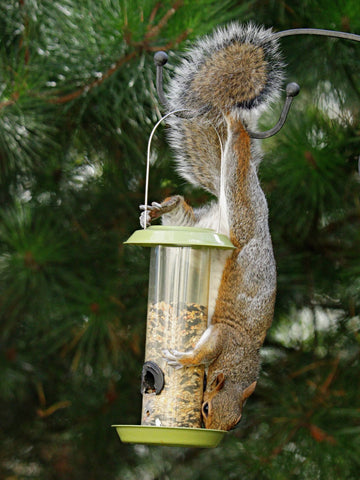
Are you tired of squirrels and other critters climbing up your bird feeder pole and stealing the bird food? You’re not alone.
Finding the right way to grease your bird feeder pole can save you a lot of frustration and keep your feathered friends happy. But what exactly should you use to grease it? Choosing the wrong product can attract dirt or harm the birds.
You’ll discover simple, safe, and effective options to keep your bird feeder pole slick and squirrel-proof. Keep reading to learn how to protect your feeder and enjoy watching birds without unwanted visitors.
Why Grease Bird Feeder Poles
Greasing your bird feeder pole might seem like a small detail, but it plays a big role in keeping your feeder safe, stable, and squirrel-free. You might wonder why this simple step is worth your time. The answer lies in the practical benefits that help maintain your feeder’s functionality and longevity.
Preventing Squirrel Climbing
Squirrels are notorious for raiding bird feeders, often climbing the poles with ease. Applying grease creates a slippery barrier that stops them from gaining a grip. You’ll find that even the most persistent squirrels give up quickly, saving your bird food and your patience.
Have you noticed squirrels scaling your pole despite other deterrents? Grease can be a game-changer by physically blocking their path rather than relying on scare tactics alone.
Protecting The Pole
Outdoor poles face constant wear from weather elements like rain, sun, and wind. Greasing the pole helps shield the metal or wood from rust and decay. It acts as a protective layer that extends the life of your feeder setup.
Think about how your bird feeder pole looks after a season of rain. Adding grease can reduce damage and keep it looking and functioning well for longer.
Maintaining Feeder Stability
A well-greased pole can improve the overall stability of your bird feeder. It reduces friction where parts connect, preventing loosening caused by wind or animal activity. This means fewer wobbles and less risk of your feeder tipping over.
Have you experienced your feeder swinging wildly or falling down? Greasing certain joints or moving parts can keep everything snug and steady.

Credit: www.reddit.com
Top Grease Options
Choosing the right grease for your bird feeder pole can make a huge difference in keeping squirrels and other pests away. The best greases create a slippery barrier that prevents animals from climbing up, while being safe for birds and the environment. Let’s look at some top options that you can easily find and apply.
Petroleum Jelly
Petroleum jelly is a classic choice many bird lovers swear by. It’s thick, sticky, and creates a slippery surface that squirrels just can’t grip. Plus, it’s affordable and widely available in stores.
I once applied petroleum jelly to my pole and noticed squirrels giving up after just a day. It’s easy to spread with a cloth or your fingers, but remember to reapply after rain since it can wash off. Would you try this simple yet effective option?
Vegetable Shortening
Vegetable shortening is a great alternative if you prefer an edible, non-toxic option. It’s safe for birds and the environment, and it also creates a slick barrier that squirrels dislike. Many people find it easier to handle because it’s less sticky than petroleum jelly.
One tip is to mix vegetable shortening with a bit of flour or baking soda to increase slipperiness. It’s a smart hack that boosts effectiveness without adding chemicals. Why not experiment with this natural solution in your backyard?
Silicone-based Lubricants
Silicone-based lubricants stand out for their durability and water resistance. They stay slippery even after heavy rain, making them a solid choice for outdoor poles exposed to the elements. These lubricants don’t attract dirt or debris, so they stay cleaner longer.
However, not all silicone lubricants are safe for wildlife, so check the label carefully before use. Applying a thin layer can keep your feeder pole squirrel-free for weeks. Could this be the hassle-free solution you’ve been looking for?
Natural Alternatives
Natural alternatives offer safe and eco-friendly options to grease your bird feeder pole. These choices keep pests away without harming birds or the environment. They are easy to apply and use materials you can find at home or in stores. Each option provides a smooth barrier that stops squirrels and insects from climbing the pole.
Talcum Powder
Talcum powder creates a dry, slippery surface on the pole. It prevents squirrels from getting a good grip. Apply a thin layer around the feeder pole. Reapply after rain or heavy dew to keep it effective. Talcum powder is non-toxic and safe for birds and pets.
Candle Wax
Candle wax forms a solid, slick coating on the pole. Rub a candle directly on the wood or metal surface. The wax makes it hard for squirrels to climb. It lasts longer than powder but may need touch-ups. Choose unscented candles to avoid disturbing wildlife.
Homemade Mixtures
Homemade mixtures combine natural ingredients to create a grease-like barrier. Mix equal parts of vegetable oil and baking soda or flour. Spread the paste on the pole and let it dry. This mixture blocks pests and resists weather. It’s easy to make and safe for the environment.

Credit: www.greenmatters.com
Application Tips
Applying grease to a bird feeder pole helps keep squirrels and other pests away. Proper application ensures the grease works well and lasts longer. Follow these simple tips for the best results.
Cleaning The Pole First
Start by wiping the pole with a clean cloth. Remove dirt, dust, and old grease. Use warm soapy water if needed. Let the pole dry completely before applying grease. A clean surface helps the grease stick better.
Applying Evenly
Spread the grease in a thin, even layer around the pole. Use your fingers or a small brush. Cover the area where animals usually climb. Avoid thick clumps; they attract dirt and lose effectiveness. Even coverage creates a smooth barrier for pests.
Reapplying Frequency
Check the grease every two weeks. Reapply if it looks dry or dirty. After rain or strong wind, inspect the pole more often. Regular reapplication keeps the pole slippery and effective. Consistency is key to keeping pests away.
Avoiding Common Mistakes
Greasing a bird feeder pole seems simple but many make mistakes. These errors can harm birds or reduce the pole’s life. Avoiding common mistakes helps keep birds safe and the feeder working well. Proper care ensures birds visit often and enjoy their food.
Using Toxic Substances
Choose only safe, non-toxic grease for the pole. Some products contain chemicals harmful to birds. Avoid petroleum-based grease or anything with strong chemicals. Look for natural or wildlife-safe options. These protect birds’ feet and prevent poisoning.
Over-application Issues
Use just enough grease to cover the pole surface. Too much grease can drip onto birds or the ground. Excess grease attracts dirt and insects, causing mess and clogs. Apply a thin, even layer for best results. Wipe off extra grease after applying.
Ignoring Weather Effects
Weather affects the grease’s effectiveness and durability. Rain can wash away grease quickly. Sun and heat may dry it out or make it sticky. Reapply grease regularly, especially after storms or hot days. Store grease in a cool, dry place to keep it fresh.
Additional Squirrel Deterrents
Keeping squirrels away from your bird feeder pole can feel like a constant battle. Beyond greasing the pole, there are several additional ways to protect your bird food and keep those clever critters at bay. These deterrents not only help reduce frustration but also create a safer feeding environment for your feathered friends.
Baffles And Guards
Baffles are physical barriers placed on the pole to block squirrels from climbing up. These can be dome-shaped or cylindrical and should be installed at least 4 feet above the ground to be effective.
Guards, like plastic or metal shields, wrap around the pole or feeder and prevent squirrels from gripping it. They’re easy to install and often blend well with your outdoor setup.
Have you ever noticed how a well-placed baffle stops squirrels in their tracks? It’s a simple fix that can save you from constant cleanup.
Location Strategies
Where you place your feeder matters. Position it at least 10 feet away from trees, fences, or structures squirrels can jump from.
Think about the path a squirrel might take. If you can’t move the feeder far enough, try placing it near a wall or fence where you can add barriers.
Consider your yard’s layout—could changing the feeder’s spot reduce squirrel visits without disturbing your birdwatching?
Feeder Design Choices
Certain feeder designs naturally discourage squirrels. Look for feeders with weight-sensitive perches that close access when a heavier animal lands on them.
Feeders with small feeding ports are harder for squirrels to access but still allow birds to eat comfortably.
Choosing a feeder that suits your local wildlife can reduce frustration. What design do you think would work best in your garden?

Credit: feedsnneeds.ca
Frequently Asked Questions
What Is The Best Grease For Bird Feeder Poles?
The best grease for bird feeder poles is a non-toxic, weather-resistant lubricant. Silicone or petroleum-based grease works well. These greases prevent rust and keep squirrels away. They also protect the pole from moisture and wear, ensuring durability and smooth function.
How Often Should You Grease A Bird Feeder Pole?
Grease a bird feeder pole every 3 to 6 months. This schedule prevents rust and keeps the pole slippery for squirrels. Regular maintenance ensures the feeder remains stable and attractive to birds. Adjust frequency based on weather and pole condition.
Can I Use Household Grease On Bird Feeder Poles?
Using household grease is not recommended unless it’s non-toxic and weatherproof. Some greases contain harmful chemicals for birds. Always choose a grease safe for outdoor use and wildlife. This protects both your feeder and visiting birds.
Why Grease A Bird Feeder Pole?
Greasing a bird feeder pole prevents squirrels from climbing up. It also protects the pole from rust and weather damage. This simple step keeps your bird feeder clean and accessible to birds only. It prolongs the pole’s lifespan and functionality.
Conclusion
Greasing a bird feeder pole keeps squirrels away and birds happy. Use safe, non-toxic grease for best results. Apply it regularly to stop pests from climbing. Avoid messy or harmful substances that can hurt wildlife. A well-greased pole makes bird watching peaceful and fun.
Keep your feeder clean and check the grease often. Enjoy the birds without unwanted visitors spoiling the fun. Small care steps protect your feeder and help wildlife thrive.