
Finding an injured baby bird can be both heartbreaking and confusing. You want to help, but you’re unsure what to feed it to keep it safe and healthy.
Feeding the wrong food can do more harm than good, and time is often critical. In this guide, you’ll discover exactly what you can feed an injured baby bird to give it the best chance of recovery. Keep reading to learn simple, effective steps that could make all the difference for that tiny life in your hands.
Signs Of An Injured Baby Bird
Recognizing the signs of an injured baby bird is crucial for providing proper care. Injuries can be subtle or obvious. Early detection helps the bird get timely help and improves its chances of survival.
Injured baby birds often show visible wounds or unusual behavior. Understanding these signs allows you to act quickly and safely. Knowing what to look for can make a big difference in the bird’s recovery.
Common Injuries To Look For
- Broken or bent wings and legs
- Bleeding or open wounds
- Swelling or bruises on the body
- Missing feathers or patchy areas
- Discharge from eyes or beak
These injuries may indicate trauma from falls, predators, or accidents. Some injuries are easy to spot, while others need a closer look. Check the bird gently for any signs of pain or discomfort.
Behavioral Clues
- Weak or labored breathing
- Inability to move properly
- Unresponsiveness or lethargy
- Excessive chirping or silence
- Hiding or trying to escape
Behavior changes often reveal hidden injuries or illness. A normal baby bird is active and alert. Notice if the bird is unusually still or restless. These clues help you decide if urgent care is needed.

Credit: www.brieftaubenshop.de
Immediate Care Steps
Taking immediate care of an injured baby bird can make a significant difference in its survival and recovery. Acting quickly and carefully ensures the bird stays safe and comfortable until professional help arrives or you can provide further care. Here’s how you can handle the situation with confidence and kindness.
Safe Handling Techniques
Handling a fragile baby bird requires gentleness and caution. Use soft gloves or a clean cloth to pick up the bird, minimizing stress and avoiding injury. Support its body fully, especially the wings and legs, to prevent further harm.
Keep the bird close to your body to avoid dropping it. Avoid loud noises or sudden movements, as these can frighten the bird. Have you noticed how even small gestures can calm the bird down? Your calm approach matters more than you might think.
Creating A Temporary Shelter
Once you’ve safely picked up the bird, it needs a warm, quiet place to rest. A small box lined with soft tissues or cloth works well as a temporary shelter. Make sure the box has air holes but is shielded from direct sunlight, wind, or pets.
Maintain a comfortable temperature by placing a heating pad under half of the box or a warm water bottle wrapped in cloth nearby. This way, the bird can move away if it gets too warm. Can you imagine how vulnerable the bird feels without this safe spot? Your shelter offers a crucial sense of security.
Suitable Foods For Baby Birds
Feeding an injured baby bird requires careful attention to its diet. The right foods help the bird heal and grow strong. Baby birds need a mix of nutrients. These include proteins, hydration, and safe ingredients. Knowing what to feed is key to their recovery.
Protein Sources
Protein is vital for growth and repair. Good protein options include:
- Soft-cooked egg yolk, mashed finely
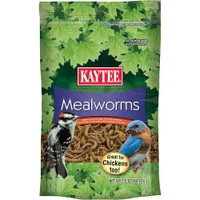
- Insects like mealworms or small crickets
- Cooked chicken, shredded into tiny pieces
- Commercial baby bird food with high protein content
Protein helps build muscles and tissues. Avoid large chunks to prevent choking.
Hydration Needs
Baby birds need water to stay hydrated. Avoid giving plain water directly. Instead, offer moisture through foods such as:
- Wet fruits like mashed berries or melon
- Soft, soaked dog or cat kibble
- Homemade electrolyte solution (mix water with a pinch of salt and sugar)
Hydration supports digestion and overall health. Keep food moist but not watery.
Avoiding Harmful Foods
Certain foods can harm baby birds. Never feed:
- Milk or dairy products
- Bread or processed human foods
- Salty, sugary, or spicy items
- Whole seeds or nuts that cause choking
These can cause illness or digestive issues. Stick to natural, soft, and safe options.

Credit: www.reddit.com
Feeding Methods
Feeding an injured baby bird requires careful attention to both what you feed and how you deliver the food. The feeding method you choose can make a significant difference in the bird’s recovery and comfort. Understanding the best techniques ensures the bird gets enough nutrition without causing harm or stress.
Hand-feeding Tips
Hand-feeding a baby bird is a delicate task that demands gentleness and patience. Use a small, soft-tipped syringe or dropper to feed liquids and soft food directly into the bird’s beak. Avoid forcing the food, as this can cause choking or injury.
Hold the bird securely but gently, supporting its body to keep it calm. If the bird opens its mouth wide, it’s a good sign it’s ready to eat. Always keep the food at body temperature to mimic what the mother bird would provide.
Have you noticed how quickly a baby bird responds to slow, steady feeding? This responsiveness shows they trust your care, so move slowly and watch for signs of discomfort.
Feeding Frequency And Amounts
Young birds need frequent feeding because they have high energy demands and small stomachs. Typically, feeding every 15 to 20 minutes during daylight hours works well for newborns. As the bird grows, reduce feedings to every 30 minutes or hour.
Start with small amounts—just enough to fill the crop, which is a small pouch near the throat. Overfeeding can cause serious health problems, so watch the bird’s crop to know when it’s full. You can feel it as a soft bulge after feeding.
How do you know if you’re feeding too much or too little? Pay close attention to the bird’s behavior and energy levels. A healthy baby bird will be alert and active, while a lethargic one might need adjusted feeding.
When To Seek Professional Help
Knowing when to seek professional help for an injured baby bird is crucial. Some injuries and conditions need expert care beyond home treatment. Early intervention increases the bird’s chance of survival and recovery.
Watch for signs like bleeding, broken wings, or inability to stand. Weakness, lethargy, or visible distress also call for immediate help. Feeding a seriously injured bird without proper knowledge can harm it.
Wildlife Rehabilitators
Wildlife rehabilitators specialize in caring for injured wild animals. They have experience with birds and know how to handle them safely. These experts provide the right food, medical care, and environment for recovery.
Rehabilitators follow legal guidelines to protect wildlife. They can also release the bird back into nature when it heals. Contact local wildlife centers or animal rescue groups to find help nearby.
Veterinary Care
Veterinarians with wildlife or avian experience can diagnose and treat injuries. They can perform X-rays, clean wounds, and give medications. Vets offer pain relief and prevent infections that harm healing.
Seek veterinary care if the bird has deep wounds, fractures, or signs of illness. Professionals can also advise on proper feeding and care techniques. Immediate vet attention often saves the bird’s life.
Credit: www.petsradar.com
Preventing Future Injuries
Preventing future injuries to baby birds is just as important as knowing what to feed them when they are hurt. By creating a safer environment and handling nestlings carefully, you can reduce the chances of these fragile creatures getting hurt again. Small changes in how you interact with nature can make a big difference.
Safe Outdoor Practices
Keeping your yard or garden safe for baby birds starts with simple steps. Avoid using pesticides and chemicals that can harm birds and their food sources. If you have pets, especially cats, consider keeping them indoors or supervising them outside to prevent attacks on birds.
Think about your outdoor furniture and decorations too. Sharp edges, glass surfaces, or open containers can accidentally injure curious birds. Placing bird feeders and baths in safe, quiet areas away from heavy foot traffic helps protect them from stress and accidents.
- Trim trees and bushes carefully to remove hazards like broken branches.
- Install window decals or screens to prevent birds from flying into glass.
- Provide natural shelter with shrubs or birdhouses to keep nestlings hidden from predators.
Helping Nestlings Safely
When you find a fallen nestling, the first question is: should you intervene or leave it alone? If the bird is not injured and the nest is reachable, gently place it back. Nestlings are often cared for by their parents even if they appear abandoned.
Use soft gloves or a cloth to avoid transferring human scent or causing harm. If the nest is destroyed or unreachable, contact a wildlife rehabilitator for advice. Avoid feeding the baby bird yourself unless you have clear guidance, because improper food can cause more harm than good.
Have you ever tried to help a baby bird only to feel unsure about what to do next? Learning the right steps before you encounter this situation can save a life and prevent further injury.
Frequently Asked Questions
What Should You Feed An Injured Baby Bird Immediately?
Offer soft, protein-rich foods like soaked dog kibble or mealworms. Avoid milk or bread as they can harm the bird’s digestion. Use a small syringe or dropper to feed carefully and gently.
Can You Feed Injured Baby Birds Insects?
Yes, insects like mealworms and crickets are excellent protein sources. They mimic natural diets and aid in quick recovery. Always provide small, manageable portions to prevent choking.
Is It Safe To Give Water To An Injured Baby Bird?
Only offer water if the bird is alert and able to swallow. Use a dropper to provide small drops. Avoid force-feeding water, which can cause aspiration or drowning.
How Often Should You Feed An Injured Baby Bird?
Feed every 15-20 minutes from dawn to dusk for newborns. Older nestlings require feeding every 30-60 minutes. Frequent feeding supports energy needs and speeds healing.
Conclusion
Feeding an injured baby bird requires care and the right food. Soft, protein-rich meals help the bird heal fast. Avoid giving bread or milk, as they can harm. Offer small amounts often to prevent choking. Remember, gentle handling reduces stress and supports recovery.
Contact a wildlife expert for best advice and help. Your kindness can make a big difference in the bird’s life. Keep learning and stay patient during the healing process. Every small step counts toward helping the bird grow strong again.