
Have you ever wondered exactly when birds come out to feed during the day? If you’re curious about their daily habits, understanding their feeding times can change the way you watch and enjoy these fascinating creatures.
Knowing when birds are most active can help you spot more of them, whether in your backyard or out in nature. Keep reading to discover the surprising patterns behind birds’ feeding schedules—and how you can use this knowledge to bring more life to your birdwatching experience.
Daily Feeding Patterns
Birds organize their feeding around specific times of the day, balancing their energy needs with environmental factors. Understanding these daily feeding patterns can help you observe bird behavior more meaningfully and even support local wildlife more effectively. Let’s break down how birds manage their meals throughout the day.
Morning Activity
Mornings are often the busiest feeding times for birds. After resting overnight, they need to refuel quickly to maintain energy for the day ahead.
You might notice birds visiting feeders or foraging in gardens right after sunrise. This early activity helps them prepare for any long flights or foraging challenges they might face.
Midday Behavior
As the day warms up, birds tend to slow down their feeding. Many species reduce their activity to avoid overheating and conserve energy.
During this period, birds may rest in shaded areas or preen their feathers rather than actively seeking food. If you watch carefully, you might see occasional quick snack breaks.
Evening Feeding
Evenings bring another burst of feeding activity as birds stock up before nightfall. This behavior is crucial because they need energy reserves to survive the night.
You could observe increased visits to feeders or ground foraging just before dusk. This is their last chance to eat before resting, so providing food in the late afternoon can support their natural cycle.
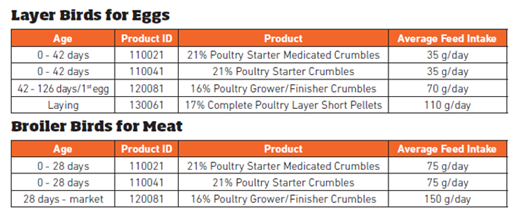
Credit: www.trouwnutrition.ca
Factors Influencing Feeding Times
Bird feeding times vary widely. Many factors shape when birds choose to eat. These factors help birds find food and stay safe. Understanding these influences reveals why feeding times change daily and seasonally.
Species Variations
Different bird species have unique feeding habits. Some feed early in the morning, while others prefer late afternoon. Predatory birds often hunt at dawn or dusk. Seed-eating birds may feed throughout the day. These habits depend on each species’ diet and lifestyle.
Seasonal Changes
Seasons affect food availability and bird behavior. In spring and summer, insects and fruits are abundant. Birds feed more during these times to support nesting and raising chicks. Winter brings scarcity, so birds eat less or change feeding times. Migratory birds adjust their feeding to prepare for long flights.
Weather Impact
Weather plays a key role in feeding patterns. Birds avoid feeding during heavy rain or strong winds. Sunny and calm weather encourages more active feeding. Temperature also matters; cold days may force birds to eat more to stay warm. Sudden weather changes can shift feeding times quickly.
Types Of Food And Feeding Habits
Birds eat different types of food based on their species. Their feeding habits depend on what food they prefer. This affects the times during the day they search for food. Understanding these habits helps us know when birds are most active in feeding.
Insectivores’ Schedule
Insect-eating birds often feed early in the morning. They look for insects when temperatures are cooler. Bugs are less active and easier to catch at dawn. These birds may feed again in the late afternoon. They avoid the hottest part of the day. Insects hide during midday heat, so feeding slows down.
Seed Eaters’ Routine
Seed-eating birds feed throughout the day. They visit feeders or natural seed sources often. Morning and late afternoon are peak feeding times. Seeds provide steady energy, so these birds eat small amounts frequently. They rest during midday but still nibble here and there. Their routine matches seed availability and safety from predators.
Nectar Feeders’ Timing
Nectar-feeding birds are active at sunrise. Flowers produce the most nectar in early morning. These birds drink nectar to fuel their high energy needs. They also feed again before sunset. Midday feeding is less common due to lower nectar flow. Their feeding times link closely to flower nectar cycles.

Credit: www.allaboutbirds.org
Birds’ Energy Needs And Feeding
Birds require a steady supply of energy to maintain their daily activities, from flying to staying warm. Their feeding habits are directly linked to how much energy they need throughout the day. Understanding these energy demands helps explain why birds feed at particular times and how their behavior shifts with their lifestyle.
Metabolic Rates
Birds have high metabolic rates, which means they burn energy quickly. Small birds, like hummingbirds, eat almost constantly because their tiny bodies use energy fast. Larger birds, such as hawks, can go longer between meals but still need to feed regularly to fuel their activities.
Have you noticed how some birds seem busier at dawn and dusk? That’s because their metabolism pushes them to eat when energy reserves run low. Your backyard finches, for example, often feed early to prepare for the day’s energy demands.
Breeding And Feeding Frequency
During breeding season, birds increase their feeding frequency dramatically. Raising chicks requires extra energy, so parent birds need to find food more often. This means you might see birds visiting feeders or foraging more frequently in spring and early summer.
Think about how you eat more when you’re caring for a baby or working extra hours. Birds face similar challenges and adjust their feeding schedules accordingly. If you watch closely, you’ll see adult birds make multiple trips to gather food for their young.
Migration And Feeding Patterns
Migration demands huge energy reserves, so birds modify their feeding patterns before and during their journey. Many species eat intensively in the weeks leading up to migration to build fat stores. During migration stops, they feed quickly and efficiently to refuel before continuing their long flight.
Have you ever wondered how birds manage to fly thousands of miles without stopping often? Their feeding strategy is key—they pack on energy beforehand and grab quick meals on the way. Observing migratory birds can reveal fascinating feeding behaviors you might not expect.
Observing Birds At Feeding Times
Observing birds during their feeding times offers a unique window into their behavior and daily routines. It’s a moment when birds are most active and visible, giving you a chance to notice details about their species, habits, and interactions. Knowing when and where to watch can transform your birdwatching experience from ordinary to unforgettable.
Best Times For Birdwatching
Birds usually feed early in the morning and late in the afternoon. These cooler parts of the day offer the most bird activity as they gather food to fuel their day or prepare for the night.
Try to be outside just after sunrise or a couple of hours before sunset. These times increase your chances of seeing a variety of species feeding actively.
Feeding Stations And Gardens
Setting up a feeding station in your garden can attract birds throughout the day. Offering seeds, suet, or nectar encourages birds to visit regularly, making observation easier.
Place feeders near shrubs or trees for natural cover, helping birds feel safe while feeding. Watching them here lets you observe different species up close without disturbing their natural behavior.
Tips For Attracting Birds
- Provide diverse food:Mix seeds like sunflower, millet, and nyjer to attract a range of birds.
- Fresh water:Add a birdbath or small water source to invite birds needing a drink or a bath.
- Keep feeders clean:Regularly clean feeders to prevent disease and keep birds healthy.
- Offer shelter:Plant native bushes or trees nearby for protection and nesting spots.
Have you noticed how different birds prefer different foods? Experimenting with your feeding station can reveal surprising visitors and new behaviors.
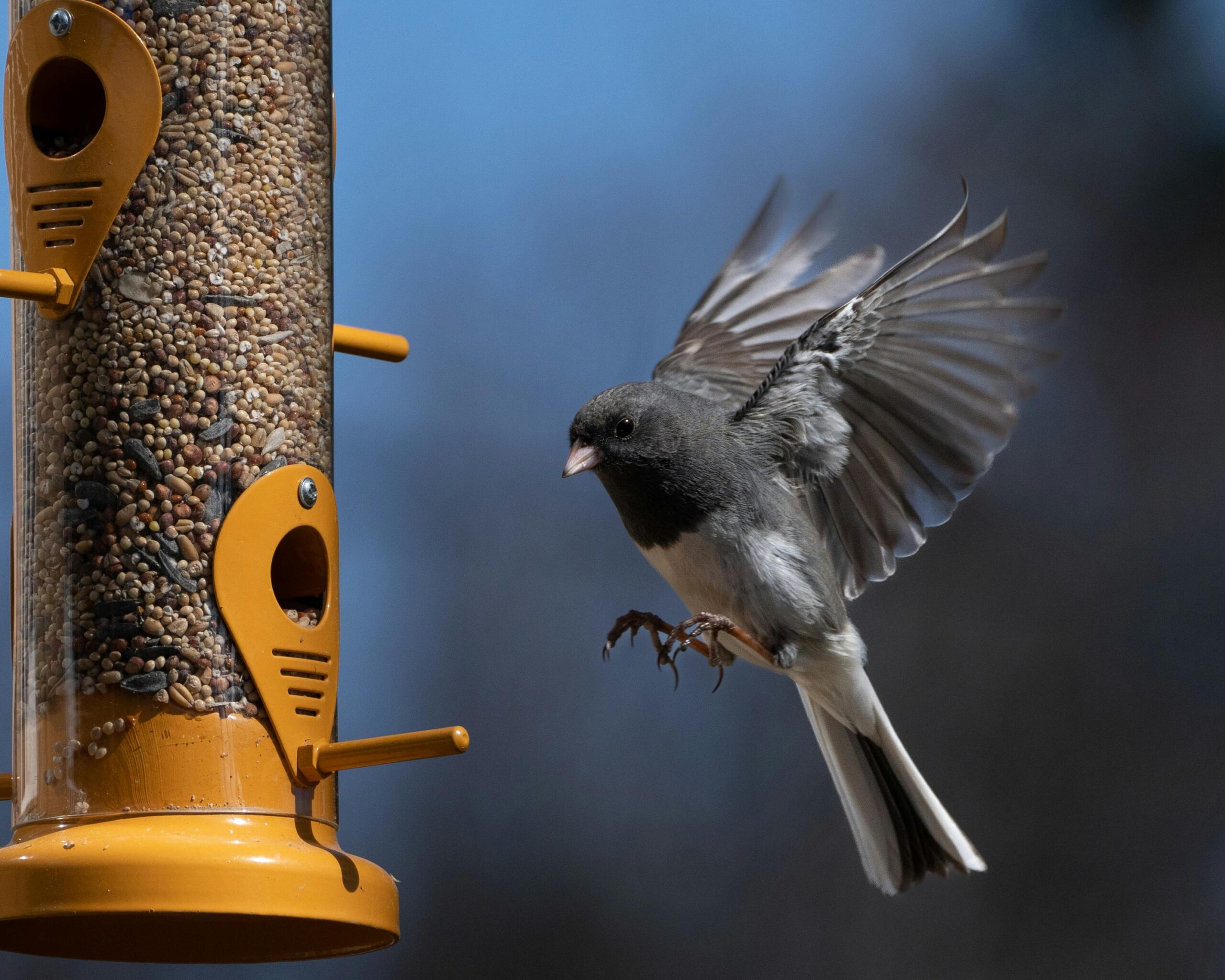
Credit: chirpforbirds.com
Frequently Asked Questions
When Do Birds Usually Start Feeding During The Day?
Birds typically begin feeding at dawn when light first appears. This timing helps them find food efficiently and avoid predators. Early feeding supports their energy needs after overnight fasting and prepares them for daytime activities.
How Often Do Birds Feed Throughout The Day?
Birds feed multiple times daily, often every few hours. Their feeding frequency depends on species, energy needs, and food availability. Frequent feeding helps maintain energy levels for flight, warmth, and other vital functions.
Do All Bird Species Feed At The Same Times?
No, feeding times vary by species and habitat. Some birds feed mainly in the morning, others at midday or evening. Seasonal changes and food sources also influence their feeding schedules.
What Factors Affect Birds’ Feeding Times During The Day?
Light levels, temperature, and food availability strongly affect feeding times. Birds avoid extreme heat and prefer feeding when prey or seeds are most accessible. Predators’ presence can also shift feeding periods.
Conclusion
Birds feed mostly during daylight hours, especially in the morning and late afternoon. They search for food when it is easier to see and safer to move around. Feeding times can change with the seasons and weather. Watching birds feed can teach us about their habits and needs.
Knowing when birds eat helps protect their natural habitats. It also supports bird watchers and nature lovers in enjoying wildlife. Birds rely on daylight to find food and stay healthy. Understanding their feeding times connects us closer to nature.