
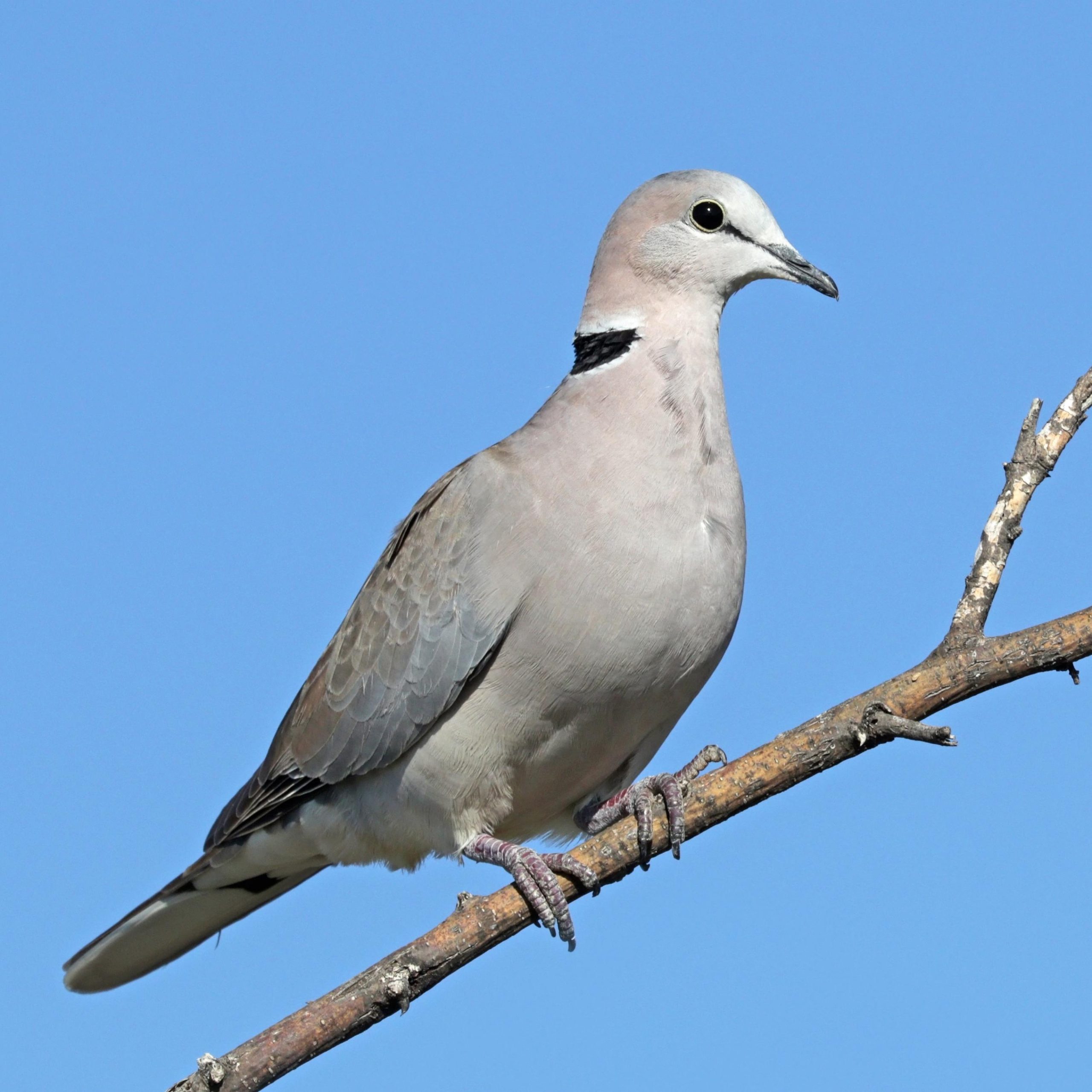
If you love watching ringneck doves visit your garden, you’re about to discover a simple way to invite them closer. Making your own bird feeder for ringneck doves is easier than you think, and it can turn your outdoor space into a peaceful haven full of gentle coos and soft fluttering.
In this guide, you’ll learn step-by-step how to create a feeder that’s perfect for these beautiful birds. Imagine the joy of seeing them feed right outside your window—let’s make that happen together. Keep reading, and you’ll have your very own dove-friendly feeder ready in no time.
Materials Needed
Gathering the right materials is the first step to creating a perfect bird feeder for ringneck doves. Using simple and safe items ensures the feeder will be sturdy and inviting.
Choose materials that withstand outdoor weather and are easy to clean. Natural or recycled items work well to keep the environment safe for birds.
Wood For The Feeder Base
- Untreated pine or cedar wood
- Approximate size: 12 x 12 inches
- Thickness about 1/2 inch for durability
Feeding Tray Or Platform
- Shallow tray to hold seeds
- Plastic or metal trays avoid water pooling
- Tray with raised edges to keep seeds inside
Hanging Materials
- Strong rope, twine, or chain
- Length depends on hanging height
- Secure knots or hooks for safety
Fasteners And Adhesives
- Weather-resistant screws or nails
- Non-toxic wood glue for extra strength
- Drill or screwdriver for assembly
Protective Finish
- Non-toxic, water-based wood sealant
- Protects wood from rain and sun
- Safe for birds and outdoor use
Birdseed Suitable For Ringneck Doves
- Millet, cracked corn, and sunflower seeds
- Fresh and clean seeds only
- Provide variety for better nutrition

Credit: www.youtube.com
Choosing The Right Feeder Design
Choosing the right feeder design is essential for attracting ringneck doves. The feeder must suit their feeding habits and physical size. A well-designed feeder keeps the food clean and safe. It also makes it easier for doves to perch and eat comfortably.
Types Of Bird Feeders
Tube feeders work well for small seeds and allow multiple birds to feed. Platform feeders offer an open space, perfect for ringneck doves. Hopper feeders store larger amounts of food and protect it from weather. Tray feeders lie flat and give doves plenty of space to land.
Feeder Size And Shape
The feeder should be wide enough for ringneck doves to perch easily. A shallow tray or platform helps them access seeds without difficulty. Avoid narrow openings that block access or cause frustration. The height and shape must allow doves to feed without losing balance.
Safety Considerations
Choose feeders made from non-toxic materials. Avoid sharp edges that could injure birds. Position the feeder where predators cannot reach easily. Keep the feeder clean to prevent disease. Ensure the design prevents seed spillage and waste.
Step-by-step Building Process
Building a bird feeder for ringneck doves is a simple and rewarding project. This step-by-step guide helps you create a safe, attractive feeder. Follow clear instructions to ensure your feeder is sturdy and functional. The process involves cutting, assembling, adding feeding ports, and finishing touches. Each part is important for the comfort and safety of the doves.
Cutting And Preparing Materials
Start with quality wood like cedar or pine. Use a saw to cut the wood into shapes for the base, sides, roof, and feeding ports. Sand each piece to remove splinters and rough edges. Drill small holes for screws and feeding ports before assembly. Prepare all parts on a clean, flat surface for easy access.
Assembling The Feeder
Join the base and sides using wood screws or nails. Make sure the structure is square and stable. Attach the roof securely to protect seeds from rain. Use wood glue for extra strength if needed. Check for sharp edges or loose parts to avoid harming the birds.
Adding Feeding Ports
Cut or drill round holes on the sides for feeding ports. Ensure holes are large enough for ringneck doves to access seeds easily. Add small perches below each hole using dowels or sticks. These perches help doves land and feed comfortably. Smooth all edges around the holes to prevent injuries.
Finishing Touches
Apply a non-toxic, bird-safe sealant or paint to protect wood. Avoid bright colors; use natural tones to attract doves. Add hooks or brackets for hanging the feeder securely. Place the feeder in a quiet, sheltered spot outside. Refill regularly with fresh seeds to keep doves returning.
Selecting Suitable Food
Choosing the right food is essential for attracting and keeping ringneck doves visiting your bird feeder. Their diet mainly consists of seeds, so providing the right types will encourage them to return regularly. Knowing what to offer and what to avoid ensures your feeder is a safe and reliable food source.
Preferred Seeds For Ringneck Doves
Ringneck doves enjoy a variety of small seeds that fit easily in their beaks. Some favorites include:
- Millet:This small, round seed is a staple in their diet and easy to find in most bird seed mixes.
- Safflower seeds:These are high in fat and energy, helping doves stay healthy and active.
- Canary seed:Soft and easy to digest, it’s a great option to add variety.
- Cracked corn:Offers a good carbohydrate source, but should be given in moderation.
Adding these seeds to your feeder can mimic their natural diet, making your feeder a favorite spot. Have you noticed how quickly doves return when their favorite seeds are available?
Avoiding Harmful Foods
Not all seeds or foods are safe for ringneck doves. Avoid anything with salt, sugar, or artificial additives, which can harm their health. Also, steer clear of large seeds like sunflower seeds unless they are shelled, as they can be difficult for doves to eat.
Avoid bread and processed snacks too, even if doves seem interested. These may fill their stomachs but provide no real nutrition, and can cause digestive problems. Keeping your feeder free from harmful foods ensures your feathered visitors stay healthy and keep coming back.
Placing The Feeder
Placing the feeder is a key step in attracting ringneck doves. The right spot makes them feel safe and comfortable. It also helps keep the feeder clean and full. Thoughtful placement encourages doves to visit often. Consider the environment and how doves move around your yard.
Ideal Locations
Choose a quiet area with some shade. Ringneck doves like open spaces near trees or bushes. These provide shelter and quick escape routes. Avoid busy spots near doors or noisy machines. Place the feeder where you can watch the birds easily. Near a window is often perfect for bird watching.
Mounting Tips
- Mount the feeder at least 4 to 6 feet off the ground.
- Use a sturdy pole or hang it from a strong branch.
- Ensure the feeder stays level to prevent spillage.
- Keep the feeder away from windy spots to reduce seed scatter.
- Check the feeder’s stability regularly to avoid falls.
Protection From Predators
Keep the feeder away from areas where cats or hawks can hide. Use baffles or guards on poles to stop climbing predators. Place the feeder near dense bushes for quick dove cover. Avoid open ground that exposes doves to danger. Regularly clear the area of hiding spots for predators. Safety encourages doves to feed calmly and often.

Credit: www.reddit.com
Maintaining The Feeder
Maintaining your bird feeder is just as important as building it. A well-kept feeder attracts ringneck doves consistently and keeps them healthy. Neglecting maintenance can lead to mold, pests, and wasted food, which might scare these gentle birds away.
Regular Cleaning
Clean your feeder at least once a week to prevent mold and bacteria buildup. Use warm water and mild soap, then rinse thoroughly to avoid harming the birds. If you spot any droppings or spoiled seeds, clean immediately—don’t wait for the weekly routine.
Have you noticed birds avoiding your feeder? Dirty feeders often drive them away, so keeping it spotless is key. Remember, a clean feeder shows you care about your feathered visitors’ well-being.
Refilling Frequency
Check your feeder daily to see if it needs refilling. Ringneck doves can consume a surprising amount of seed, especially during breeding season. Avoid overfilling to reduce waste and deter pests like squirrels or ants.
Track how much seed your doves eat in a few days to estimate the right refill schedule. You might find adjusting refilling times helps keep the seed fresh and attractive. Have you tried leaving small amounts more often instead of big piles once a week?
Seasonal Adjustments
Adjust your feeder maintenance based on the season. In hot weather, seeds can spoil quickly, so clean and refill more often. During colder months, doves rely heavily on feeders, so make sure it’s always stocked and clear of snow or ice.
Consider changing the seed mix with seasons to meet your doves’ nutritional needs. For example, adding millet and cracked corn in winter can help them stay energized. How does your feeder routine shift as the seasons change?

Credit: www.youtube.com
Frequently Asked Questions
What Materials Are Needed To Make A Ringneck Dove Feeder?
You need wood or plastic, screws, sandpaper, and bird-safe paint. Also, gather basic tools like a drill and saw. Use untreated materials to keep doves safe and healthy.
How Do I Attract Ringneck Doves To My Feeder?
Place the feeder in a quiet, open area near shrubs. Use millet, cracked corn, or birdseed mix. Clean the feeder regularly to keep doves comfortable and returning.
What Size Should A Ringneck Dove Feeder Be?
A feeder around 12 inches wide and 8 inches deep works well. It should have perches sturdy enough to support the doves. Ensure easy access for multiple birds simultaneously.
How Often Should I Clean The Dove Feeder?
Clean the feeder weekly to prevent mold and bacteria. Use warm soapy water and rinse thoroughly. Dry completely before refilling to protect the doves’ health.
Conclusion
Creating a bird feeder for ringneck doves brings joy and nature closer. It helps these birds find food safely near your home. Use simple materials and follow easy steps to build one. Keep the feeder clean and filled with fresh seeds.
Watch doves visit and enjoy your handiwork every day. Feeding birds also teaches patience and care. Try making your own feeder and enjoy peaceful moments outdoors. Nature is just a feeder away.