
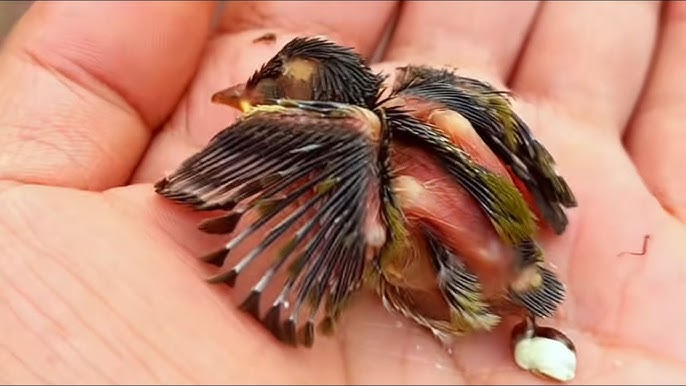
Have you ever found a tiny baby bird and wondered how to help it survive? Feeding baby birds may seem tricky, but with the right steps, you can make a real difference.
You want to give them the best chance to grow strong and healthy, right? In this guide, you’ll discover simple, clear tips to feed baby birds safely. Keep reading, and you’ll learn exactly what to do—so you can feel confident and ready to care for these fragile little lives.

Credit: m.youtube.com
Identifying Baby Birds
Before you decide to feed a baby bird, it’s crucial to identify what kind of bird you’re dealing with. Knowing whether the bird is a nestling or a fledgling can change how you approach feeding and care. This understanding helps you offer the right kind of support without causing harm.
Nestlings Vs Fledglings
Nestlings are very young birds, usually without feathers or with only sparse down. They can’t hop, walk, or see well, and they rely completely on their parents or a caregiver for food and warmth. If you find a nestling on the ground, it likely needs immediate help because it can’t survive alone.
Fledglings, on the other hand, have more feathers and can hop or flutter short distances. They are learning to fly and often leave the nest before they’re fully independent. Fledglings may look awkward and a bit clumsy, but they often don’t need feeding from humans—they are usually still under the watchful eye of their parents.
Ask yourself: Is the bird cold, weak, or injured? Does it have feathers or just skin? These questions help you decide if the bird really needs intervention.
Common Species To Help
Different baby birds have different needs. Here are a few common species you might encounter and some quick tips:
- Robins:Their nestlings are bright pink with some feathers and open wide for food. Fledglings look fluffy and can hop around.
- Sparrows:Nestlings are almost naked with closed eyes. Fledglings have feathers but often stay low to the ground.
- Blue Jays:Nestlings are featherless or have pin feathers. Fledglings have full feathers but awkward flight.
Recognizing these species can help you understand their behavior and dietary needs better. Have you ever spotted a baby bird and wondered if it was safe to touch? Knowing these signs makes a huge difference in how you help.
When To Intervene
Knowing when to step in and help baby birds is very important. Most baby birds do best when left alone with their parents. Intervening too soon can harm their chances of survival. Watch the baby birds carefully to decide if they truly need help. Some situations clearly call for human care. Others just need time and patience.
Signs Of Abandonment
Abandoned baby birds look weak and cold. They may cry loudly and continuously. If no adult birds visit for many hours, the babies might be alone. Check for these signs:
- No feeding or care from parents
- Feathers are ruffled or missing
- Birds appear very still or lifeless
- Located on the ground without a nest
Sometimes parents leave babies briefly. Watch for at least a few hours before acting. Birds often stay hidden while parents search for food.
Assessing Injuries
Look carefully for any visible harm. Injuries can include cuts, bleeding, or broken wings. A bird that cannot move or stand needs urgent care. Check for signs like:
- Swelling or deformity
- Unusual behavior, such as not responding
- Feathers missing in patches
- Visible wounds or bleeding
Minor scratches may heal naturally. Serious injuries require professional help. Contact a wildlife rehabilitator if the bird is hurt.
Safe Feeding Practices
Feeding baby birds safely requires attention and care. Their tiny bodies need the right food at the right time. Improper feeding can harm their health or slow their growth. Understanding safe feeding practices helps ensure baby birds thrive and stay healthy. Follow clear guidelines about feeding frequency and food types to protect these delicate creatures.
Proper Feeding Frequency
Baby birds need frequent feeding. Their small stomachs digest food quickly. Feed them every 15 to 20 minutes during daylight hours. Young hatchlings may need feeding up to 8 times per hour. As they grow, reduce feeding to every 30 minutes or so. Avoid overfeeding, which can cause choking or illness. Keep a steady schedule to mimic natural feeding patterns.
Correct Food Types
Offer food similar to what parent birds provide. Use protein-rich options like insects, mealworms, or soft boiled eggs. Avoid bread, milk, or processed foods that harm baby birds. Soft fruits like mashed berries can be given in small amounts. Always provide food at room temperature. Chop or mash food into tiny pieces to prevent choking. Clean feeding tools before each use to stop infections.

Credit: www.youtube.com
Feeding Techniques
Feeding baby birds requires careful attention and the right techniques to ensure they get the nutrition they need to grow strong. Handling these tiny creatures can be tricky, but with patience and the proper tools, you can make feeding time safe and effective. Let’s look at two common ways you can feed baby birds: using syringes and droppers, and hand-feeding tips that can help you connect with your little feathered friends.
Using Syringes And Droppers
Syringes and droppers are excellent tools for feeding baby birds, especially when they are too young to eat solid food. These tools allow you to control the amount of food your bird receives with precision. When using a syringe, make sure the tip is soft and small enough to avoid hurting the bird’s delicate mouth.
Fill the syringe or dropper with the prepared formula or soft food. Gently place the tip near the bird’s beak and let it open naturally. Avoid forcing the syringe inside the mouth; instead, let the bird sip at its own pace.
- Keep the food warm but not hot to encourage feeding.
- Feed small amounts gradually to prevent choking.
- Clean the syringe or dropper thoroughly after each use to prevent bacteria growth.
Have you noticed how baby birds sometimes refuse food? Try changing the angle of the syringe or the temperature of the food—small adjustments can make a big difference.
Hand-feeding Tips
Hand-feeding baby birds builds trust and helps you monitor their health closely. Use your fingers to offer small pieces of softened food if the bird is old enough to attempt solid food. Always be gentle and slow to avoid startling them.
Make sure your hands are clean and warm before feeding. Cold hands can cause stress or shock to the baby bird. When offering food, mimic the natural feeding motion of a parent bird by tapping or lightly nudging their beak.
- Keep feeding sessions short but frequent to mimic natural feeding schedules.
- Observe the bird’s reactions and adjust your approach if it seems stressed or uninterested.
- Use soft, easy-to-digest foods suitable for the bird’s age and species.
One time, while hand-feeding a rescued chick, I noticed it responded better when I softly hummed. Could your soothing voice make feeding time easier too?
Creating A Suitable Environment
Creating a suitable environment is crucial when feeding baby birds. They need more than just food to thrive—you must also ensure they stay warm and safe. The right setup can make a big difference in their survival and growth.
Warmth And Shelter
Baby birds cannot regulate their body temperature well. Without enough warmth, they can quickly become weak or sick. Use a heating pad set on low or a warm water bottle wrapped in a soft cloth to provide gentle heat.
Make sure the heat source is steady but not too hot. Check frequently to avoid overheating or burns. Position the heat so it warms the birds without drying them out.
Provide shelter that mimics their natural environment. A small box lined with soft tissues or fleece works well. This keeps them cozy and protected from drafts.
Safe Housing Options
Choose housing that keeps baby birds secure from pets and other dangers. A small, ventilated container with a lid is ideal. Avoid cages with wide gaps where the birds could escape or injure themselves.
Place the housing in a quiet, low-traffic area of your home. Loud noises and constant movement stress baby birds and can affect their feeding habits. You want a calm spot where they feel safe.
Clean the housing regularly to prevent infections. Remove any leftover food and droppings daily. Good hygiene supports their health and speeds up recovery.

Credit: www.reddit.com
When To Seek Professional Help
Feeding baby birds can be tricky and risky. Sometimes, they need more help than you can provide at home. Knowing when to get expert support is crucial. It protects the bird’s health and gives it a better chance to survive.
Signs that professional help is needed include injuries, unusual behavior, or abandonment. Also, if the bird is very weak or cold, experts should step in quickly. Wildlife professionals have the skills and resources to care for fragile birds properly.
Wildlife Rehabilitators
Wildlife rehabilitators specialize in caring for wild animals. They know how to feed baby birds safely and support their growth. These experts have permits and training to handle birds legally and ethically.
Rehabilitators provide a safe environment and proper diet. They monitor the bird’s health and development closely. Their goal is to prepare birds for release back into the wild. Contacting a rehabilitator can save a bird’s life.
Veterinary Care
Veterinarians diagnose and treat injuries and illnesses. They offer medical care that you cannot provide at home. Vets can check for infections, parasites, or broken bones in baby birds.
If a bird is sick or hurt, a vet’s care is essential. They may give fluids, medication, or surgery if needed. Early treatment can prevent serious problems and improve recovery chances.
Avoiding Common Mistakes
Feeding baby birds requires care and attention. Many well-meaning people make common mistakes that harm the birds instead of helping. Avoiding these errors improves their chances of survival and growth.
Understanding what not to do is as important as knowing how to feed them. Small mistakes can cause big problems for their health.
Overfeeding Risks
Feeding baby birds too much can cause serious issues. Their tiny stomachs cannot handle large amounts of food at once. Overfeeding may lead to choking or regurgitation.
Watch for signs of fullness like slow eating or pushing food away. Feed smaller amounts more often to keep them safe.
Feeding Harmful Foods
Not all foods are safe for baby birds. Avoid giving bread, milk, or processed human foods. These can cause digestive problems and malnutrition.
Stick to natural diets like insects, worms, or specialized bird formula. These provide the right nutrients for healthy growth.
Frequently Asked Questions
How Often Should I Feed Baby Birds Daily?
Baby birds typically need feeding every 20 to 30 minutes from dawn to dusk. Frequent feeding ensures they get enough nutrients to grow healthy and strong.
What Is The Best Food For Feeding Baby Birds?
Soft, protein-rich foods like soaked dog kibble, mealworms, or mashed boiled eggs are ideal. Avoid milk and bread, as they can harm baby birds.
Can I Feed Baby Birds With My Hands Safely?
Yes, using clean hands or tweezers is safe. Be gentle to avoid injuring the baby bird. Always wash hands before and after feeding.
When Should I Stop Feeding Baby Birds By Hand?
Stop hand-feeding once the baby bird starts eating on its own and can fly. This usually happens after 2 to 3 weeks of age.
Conclusion
Feeding baby birds takes patience and care. Use safe, natural foods that match their needs. Avoid giving bread or milk, which can harm them. Offer small portions often to keep them healthy. Always handle birds gently to avoid stress or injury.
Remember, wild birds grow best with help from nature. Your kindness can make a big difference in their survival. Keep learning and observing to improve your care. Helping baby birds is a small act that means a lot.