
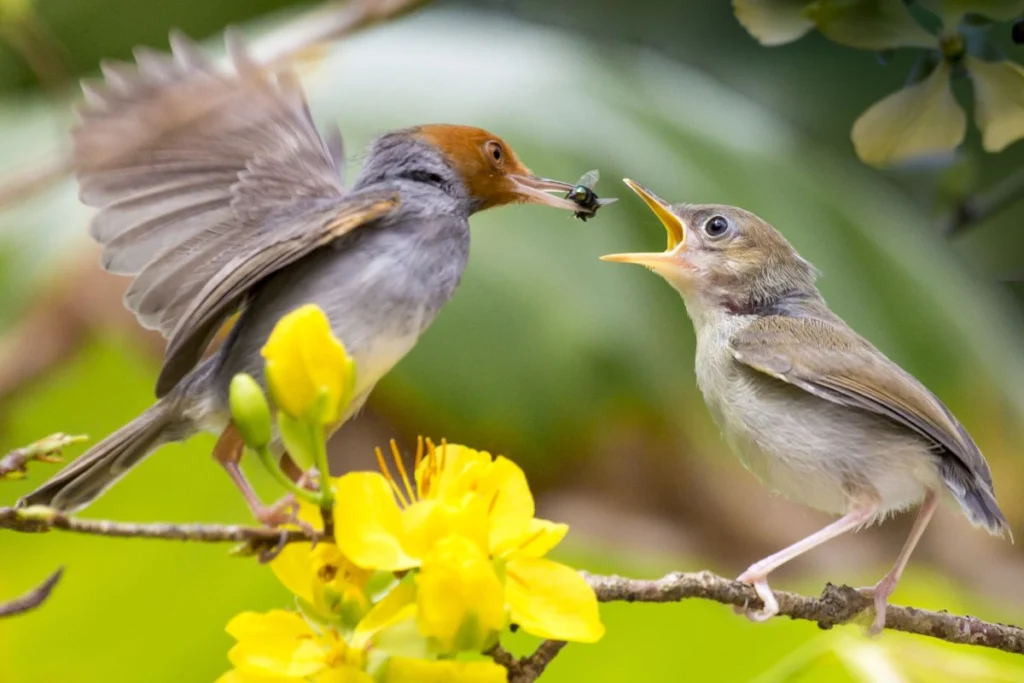
Have you ever found a baby bird and wondered, “How many times do I need to feed it to keep it healthy?” Feeding baby birds can feel overwhelming, especially if you want to give them the best care. The right feeding schedule is crucial for their growth and survival, but it’s not always easy to know what’s best.
You’ll discover exactly how often to feed baby birds, what to watch for, and simple tips to make sure your little feathered friend thrives. Keep reading, and you’ll gain the confidence to care for baby birds like a pro.
Feeding Frequency By Bird Species
Feeding baby birds requires understanding how often different species need nourishment. Each bird type has unique habits and energy needs. This affects how frequently you should feed them. Knowing these differences helps ensure baby birds grow healthy and strong.
Songbirds
Songbird babies need feeding very often. They eat small insects and worms. Parents feed them every 15 to 20 minutes. This means about 20 to 30 times per day. Their fast growth demands constant energy. Keep feedings small but frequent for best care.
Waterfowl
Waterfowl chicks eat less often than songbirds. They feed every 1 to 2 hours during daylight. Their diet includes plants, insects, and small fish. These babies grow steadily but not as fast. Regular feedings support their slow, steady growth.
Birds Of Prey
Baby birds of prey eat fewer times daily. Their feeding schedule is about 4 to 6 times per day. They need meat like small rodents or insects. Large meals help them grow strong muscles. Feeding frequency matches their slower digestion and energy needs.
Signs Baby Birds Need Feeding
Knowing when baby birds need feeding is crucial for their survival and growth. If you miss the signs, you might either overfeed or leave them hungry. Paying close attention to their signals helps you respond timely and keep them healthy.
Hunger Cues
Baby birds often open their mouths wide and make soft chirping noises when they are hungry. These hunger cues are their way of asking for food. You might notice them stretching their necks upward or fluttering their wings eagerly.
Sometimes, they repeatedly peck at their nest or the edges of the feeder. This behavior shows they are ready for the next meal. If you see these signs, it’s time to feed them promptly.
Behavioral Indicators
Watch for changes in activity levels as well. Hungry baby birds tend to become restless and more vocal. If you notice they are unusually quiet or lethargic, it could mean they are not getting enough food.
Another key behavior is the way they respond to your presence. When you approach, hungry birds may become more animated or move toward you, expecting food. These subtle hints guide you on when to step in with nourishment.
Feeding Techniques For Baby Birds
Feeding baby birds requires gentle care and precise techniques. Proper feeding ensures their healthy growth and survival. Different birds need different approaches, but all require patience and cleanliness. Understanding feeding techniques helps provide the right nutrition safely and effectively.
Hand-feeding Methods
Hand-feeding baby birds involves using your fingers or tools to deliver food. This technique mimics how parent birds feed their chicks. Use soft, small pieces of food suited to the baby bird’s species. Gently open the bird’s beak and place food inside. Avoid forcing food, which can cause stress or injury.
Hold the bird securely but gently. Support its body to prevent slipping. Feeding should be calm and slow to avoid choking. Offer food at regular intervals to keep the bird nourished throughout the day.
Using Feeding Syringes
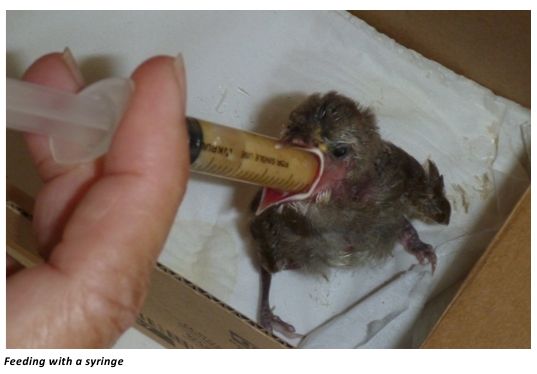
Feeding syringes help deliver liquid or semi-liquid food directly into the bird’s mouth. They are ideal for young or weak baby birds. Choose the right syringe size to avoid overwhelming the bird. Fill the syringe with prepared formula or mashed food.
Insert the syringe tip carefully into the side of the beak. Push the plunger slowly to release food drop by drop. Allow the bird time to swallow before giving more. Clean the syringe thoroughly after each use to prevent infections.
Safe Feeding Practices
- Always wash hands before and after feeding.
- Use fresh, clean food prepared specifically for baby birds.
- Feed at room temperature to avoid burning the bird’s mouth.
- Keep feeding tools sterilized to stop bacteria growth.
- Observe the bird for signs of distress or choking.
- Feed smaller amounts more frequently for better digestion.
- Avoid feeding wild birds without expert advice.
Safe feeding practices protect baby birds from illness and injury. They also help build trust between you and the bird. Follow these steps carefully to support healthy development.
Credit: besgroup.org
Types Of Food For Baby Birds
Feeding baby birds the right food is crucial for their growth and survival. Different types of baby birds require different diets depending on their species and age. Understanding what to feed them helps you provide the best care and increases their chance of thriving.
Natural Diets
Many baby birds thrive on what their parents naturally provide. This often includes insects, worms, and soft fruits. For example, songbird chicks rely heavily on protein-rich insects to build strong muscles and feathers.
Have you noticed how robins feed their young with earthworms? This high-protein diet helps the chicks grow quickly. If you find a wild baby bird, mimicking this natural diet is often the safest choice.
Commercial Baby Bird Formulas
Commercial formulas are designed to meet the nutritional needs of various baby birds. These products usually come as powders that you mix with water to make a smooth, easy-to-digest mash. They contain essential vitamins, minerals, and proteins in balanced amounts.
Using commercial formulas can save you time and ensure proper nutrition if you’re caring for an orphaned bird. Just make sure to choose a formula specific to the bird species you’re feeding. You wouldn’t want to feed a parrot formula to a finch, as their dietary needs differ greatly.
Homemade Feeding Recipes
You can prepare homemade food if commercial formulas aren’t available. A simple recipe might include boiled eggs, mashed fruits, and finely chopped insects or mealworms. These ingredients provide protein, fats, and vitamins essential for baby birds.
One personal tip: always prepare fresh batches and avoid seasoning or additives. Baby birds have delicate systems and can get sick from salt or spices. Would you trust your own health to something you wouldn’t eat yourself?
Frequency Changes As Birds Grow
Understanding how often to feed baby birds is crucial, but the frequency isn’t fixed—it changes as the birds grow. Their nutritional needs and feeding schedules evolve through distinct stages. Recognizing these shifts helps you provide the right care at the right time.
Newborn To Nestling Stage
In the earliest days, baby birds are extremely fragile and need constant feeding. You might find yourself feeding them every 15 to 20 minutes from dawn until dusk. This high frequency keeps their tiny bodies fueled for rapid growth.
At this stage, the food should be soft and easy to digest. You’ll notice how demanding they are, often begging loudly for food. It’s tiring, but their survival depends on your consistency.
Fledgling Stage
As baby birds grow feathers and become more active, feeding frequency naturally decreases. Instead of every 15 minutes, you may feed them every 30 to 45 minutes. They start to handle more solid food, which takes longer to digest.
This phase is where they begin to explore self-feeding but still rely on you for nutrition. Have you observed how their appetite shifts during this stage? It’s a sign they’re gaining strength and independence.
Approaching Independence
When baby birds near independence, their feeding frequency drops further—often to just a few times a day. They spend more time practicing flying and foraging skills. Your role shifts from feeder to supporter.
At this point, you can encourage them to find food on their own by gradually reducing hand-feeding sessions. Watching this transition is rewarding and raises an important question: How will you balance support with freedom to ensure their survival?

Credit: www.youtube.com
Common Feeding Mistakes To Avoid
Feeding baby birds can be tricky for new caregivers. Mistakes can harm their growth and health. Knowing what to avoid helps keep baby birds safe and strong. Here are common feeding mistakes to watch out for.
Overfeeding Risks
Giving too much food can cause serious problems. Baby birds may choke or get sick from overeating. Their tiny stomachs need just the right amount. Overfeeding can also lead to obesity and weak muscles. Watch their hunger cues carefully to avoid giving extra food.
Improper Food Types
Not all foods are safe for baby birds. Feeding bread, milk, or junk food can harm them. These foods lack needed nutrients and may cause illness. Use food designed for baby birds or natural insects. Fresh, soft, and high-protein food helps them grow well.
Feeding Schedule Errors
Baby birds need feeding at correct times. Feeding too often or too rarely can cause harm. Their hunger changes as they grow. Set a regular schedule based on their age and species. Skip missed feedings carefully to avoid stress and poor health.
When To Seek Expert Help
Feeding baby birds can be a rewarding experience, but it’s crucial to recognize when the situation goes beyond your ability to help. Knowing when to seek expert assistance can save a tiny life and ensure the bird receives the care it truly needs. Here’s how you can spot the signs and what steps to take next.
Signs Of Illness
Baby birds often hide their weaknesses well, but some signs are hard to miss. If you notice lethargy, weak movements, or difficulty breathing, these are red flags. Look for unusual fluffiness, constant crying, or wounds that won’t heal.
Have you ever cared for a chick that suddenly stopped eating or seemed unusually quiet? That’s a clear signal to get professional help immediately. Ignoring these symptoms might worsen the bird’s condition quickly.
Feeding Challenges
Sometimes, feeding baby birds feels like a full-time job with no breaks. If the bird refuses food, chokes, or vomits after feeding, it may not be ready for hand-feeding or could have an underlying problem. Persistent feeding difficulties can indicate health issues or improper feeding techniques.
Ask yourself, are you able to feed the bird consistently and safely? If not, it’s time to consult with an expert. Your goal is to support the baby bird without causing harm, and knowing your limits is part of responsible care.
Wildlife Rehabilitation Resources
Wildlife rehabilitators are trained to handle delicate situations like feeding orphaned or injured birds. They can offer advice, take over care, or provide specialized treatment. Many communities have wildlife centers or licensed rehabilitators ready to help.
Finding the right resource can be as simple as a quick online search or a call to your local animal control. Have you saved contact information for wildlife professionals before starting care? If not, it’s a good step to prepare in case you need expert guidance fast.

Credit: www.youtube.com
Frequently Asked Questions
How Often Should Baby Birds Be Fed Daily?
Baby birds typically need feeding every 15-20 minutes during daylight. This totals about 8-12 times per hour. Feeding frequency decreases as they grow older and more independent.
What Is The Best Time To Feed Baby Birds?
Feed baby birds during daylight hours only. They naturally eat frequently throughout the day, resting at night. Avoid feeding at night to mimic their natural behavior.
How Much Food Do Baby Birds Need Per Feeding?
Baby birds need small, frequent meals. Each feeding should provide enough food to fill their crop without overfilling. Overfeeding can harm their health and development.
Can You Overfeed Baby Birds By Feeding Too Often?
Yes, overfeeding baby birds can cause crop issues and discomfort. Stick to recommended feeding intervals to ensure healthy growth. Monitor their crop size to avoid overfeeding.
Conclusion
Feeding baby birds often helps them grow strong and healthy. Young birds need food many times a day, usually every 15 to 30 minutes. Watch the babies closely to know when they are hungry. Do not overfeed or feed too little.
Keep their feeding schedule steady and gentle. Taking care of baby birds takes patience and love. This simple routine supports their early life well. Every small effort makes a big difference in their growth. Caring for baby birds is rewarding and important.