
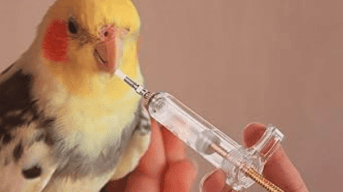
If your bird is sick and not eating, you might feel worried and unsure about what to do next. Syringe feeding can be a lifesaver, helping your feathered friend get the nutrients they need to recover.
But how do you do it safely and effectively? This guide will walk you through simple steps that anyone can follow, even if you have no experience. By the end, you’ll feel confident in giving your bird the care they need to get back to their happy, chirpy self.
Keep reading to learn how to syringe feed your sick bird with ease and compassion.
Signs Your Bird Needs Syringe Feeding
Knowing when your bird needs syringe feeding can save its life. Birds hide sickness well. They may show subtle signs before becoming very weak. Watch your bird closely every day. Early action helps recovery.
Syringe feeding becomes necessary when birds cannot eat enough alone. They might struggle to swallow or have no appetite. Recognizing these signs early ensures your bird gets the nutrition it needs.
Recognizing Weakness And Illness
- Your bird sits fluffed up for long periods.
- It stays quiet and less active than usual.
- Feathers look ruffled or dull, not smooth.
- Breathing is fast, heavy, or noisy.
- Bird shows loss of balance or coordination.
- Weight loss is noticeable over a few days.
These signs show your bird is weak or ill. Weak birds often cannot feed properly. They need extra help to get food and water.
Identifying Feeding Difficulties
- Your bird refuses to eat or drink.
- It tries to eat but drops food frequently.
- Bird makes choking sounds during feeding.
- There is swelling or injury around the beak.
- Bird’s crop remains hard or empty longer than usual.
- Your bird shows no interest in favorite foods.
Feeding problems mean your bird cannot get enough nutrients. Syringe feeding helps provide essential food and fluids. Watch for these signs to act quickly and support your pet’s health.
Preparing For Syringe Feeding
Preparing to syringe feed a sick bird requires careful planning and the right tools. Your goal is to make the feeding process as smooth and stress-free as possible for both you and your feathered friend. Getting everything ready beforehand can help avoid any last-minute struggles and keep your bird calm.
Gathering Necessary Supplies
Start by collecting all the items you’ll need in one spot. This includes a clean syringe (without a needle), the prepared food mixture, paper towels, and a small bowl for mixing. Having these ready prevents interruptions during feeding, which can stress your bird.
Don’t forget a towel or cloth to gently wrap your bird if needed. This helps keep them secure and prevents sudden movements. Also, keep some warm water handy to rinse the syringe between feedings.
Choosing The Right Food Consistency
The food you use must be smooth and easy to swallow. Thick or chunky mixtures can cause choking or discomfort. Aim for a texture similar to a thin pudding or baby food.
Think about your bird’s natural diet. If your bird usually eats seeds, you might need to soak and mash them well. For frugivores, pureed fruits mixed with a bit of water work well.
Have you noticed how your bird reacts to different textures? Adjust the consistency if your bird shows signs of difficulty swallowing or rejects the food. The right texture makes syringe feeding safer and more effective.
Safe Syringe Feeding Techniques
Syringe feeding a sick bird requires care and safety. Using safe techniques helps prevent injury and stress. It also ensures the bird gets the right amount of food. Focus on gentle handling, correct syringe use, and controlled feeding pace. These steps make syringe feeding more effective and less frightening for the bird.
Proper Handling And Restraint
Hold the bird gently but firmly. Use a soft towel to wrap it if needed. This limits movement without causing pain. Support the bird’s body and head carefully. Avoid squeezing the chest to help normal breathing. Calm movements reduce fear and stress during feeding.
Correct Syringe Positioning
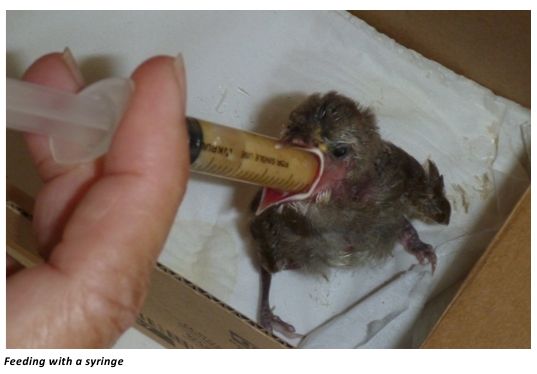
Place the syringe at the side of the bird’s beak. Aim for the corner of the mouth, not the throat. Insert the syringe tip slowly and gently. Keep the syringe angled slightly upward to prevent choking. Avoid pushing the syringe too deep. Proper positioning helps the bird swallow safely.
Feeding Pace And Amount
Feed small amounts at a steady pace. Give the bird time to swallow before the next drop. Overfeeding can cause choking or vomiting. Watch for signs of discomfort or distress. Pause if the bird struggles or coughs. Small, slow feeds improve digestion and comfort.

Credit: www.amazon.ca
Maintaining Hygiene And Safety
Keeping your sick bird safe during syringe feeding means paying close attention to hygiene and safety. Germs can spread easily, and a small mistake might cause your bird more harm than good. You want to create a clean, calm environment to help your feathered friend recover quickly and comfortably.
Cleaning Equipment
Every time you use a syringe or feeding tube, clean it thoroughly. Use warm soapy water first, then rinse well to remove all soap residue. Let the equipment air dry completely before the next use to prevent bacteria growth.
If your bird needs syringe feeding multiple times a day, consider having several sets of feeding tools. This way, you can swap them out and clean without delay. Also, avoid sharing feeding equipment between different birds to stop cross-contamination.
Have you ever noticed how even a tiny leftover crumb can invite bacteria? That’s why wiping down surfaces and washing your hands before feeding is just as important. Cleanliness isn’t just about the tools but your whole feeding area.
Preventing Aspiration
Aspiration happens when food or liquid goes into the bird’s lungs instead of its stomach. This can cause serious lung infections. To prevent this, always feed your bird slowly and in small amounts.
Hold your bird upright or slightly tilted forward during feeding to help the food flow down the right way. Watch your bird’s breathing closely—if it coughs or seems distressed, stop and give it a moment to recover.
Have you tried feeding too quickly and seen your bird struggle? Slow, steady feeding is safer and less stressful. Using the correct syringe size and tip also helps control the flow and reduces the chance of choking or aspiration.
Monitoring Your Bird’s Progress
Monitoring your bird’s progress is vital after syringe feeding. It helps you know if your bird is getting better or needs more care. Careful observation allows quick action to keep your bird healthy. Small changes can show big signs of recovery or trouble.
Tracking Food Intake
Note how much food your bird eats during each feeding. Use a small scale or syringe markings to measure accurately. Keep a daily log of food amounts. Compare each day to see if your bird is eating more or less.
Watch for signs of refusal or difficulty swallowing. Uneaten food might mean discomfort or illness. Adjust feeding amounts based on your bird’s appetite. Consistent intake shows good progress and strength.
Observing Health Changes
Look closely at your bird’s behavior and appearance. Check for energy levels, alertness, and vocal sounds. Bright eyes and smooth feathers are good signs. Dull eyes or fluffed feathers may mean your bird feels weak.
Notice breathing patterns and droppings. Normal breathing and regular droppings suggest stable health. Any changes in color, smell, or frequency need attention. Record these observations daily to track trends.
Credit: besgroup.org
When To Seek Veterinary Help
Knowing when to seek veterinary help while syringe feeding your sick bird can make all the difference in your pet’s recovery. Sometimes, despite your best efforts, a bird’s condition may worsen or new complications can arise. Recognizing these moments early helps you act quickly to provide the care your bird truly needs.
Signs Of Complications
Watch for any sudden changes in your bird’s behavior or health during feeding. If you notice persistent coughing, choking, or difficulty breathing, these are red flags that require immediate attention.
Other warning signs include:
- Refusal to eat even with syringe feeding
- Swelling or unusual lumps around the mouth or throat
- Excessive lethargy or unresponsiveness
- Vomiting or regurgitation after feeding
- Sudden weight loss despite feeding efforts
Ignoring these signs can worsen your bird’s condition. Have you seen any of these symptoms during feeding? Don’t hesitate to call your vet right away.
Adjusting Feeding Plan
Sometimes, the feeding plan needs to be changed based on your bird’s response. If your bird shows signs of distress or isn’t gaining weight, consult your vet about modifying the feeding formula or technique.
Your vet might suggest:
- Changing the consistency or temperature of the food
- Altering feeding frequency or volume
- Trying different syringe sizes or feeding angles
- Introducing additional supportive care like fluids or medications
Remember, syringe feeding is not one-size-fits-all. What worked yesterday might not work today. Always stay alert to your bird’s reactions and be ready to adjust with professional guidance.

Credit: www.lemon8-app.com
Frequently Asked Questions
How Do I Prepare Syringe Feeding For A Sick Bird?
Warm the bird’s prescribed food to room temperature. Use a clean syringe without a needle. Mix food to a smooth consistency for easy swallowing.
How Often Should I Syringe Feed A Sick Bird?
Feed your bird every 3 to 4 hours or as advised by a vet. Avoid overfeeding to prevent choking or discomfort.
What Signs Show My Bird Needs Syringe Feeding?
Look for weakness, refusal to eat, weight loss, or dehydration. If your bird shows these, syringe feeding might be necessary.
How To Safely Syringe Feed Without Hurting The Bird?
Use gentle, slow squirts into the side of the bird’s beak. Avoid forcing food down the throat to prevent aspiration.
Conclusion
Syringe feeding a sick bird takes patience and care. Always stay calm and gentle during feeding. Keep the syringe clean to prevent infections. Watch your bird closely for any signs of distress. Feeding helps your bird get stronger and recover faster.
Small, frequent meals work best for sick birds. Trust your instincts and ask a vet if unsure. Your care makes a big difference in your bird’s health. Keep practicing, and your bird will feel better soon.