
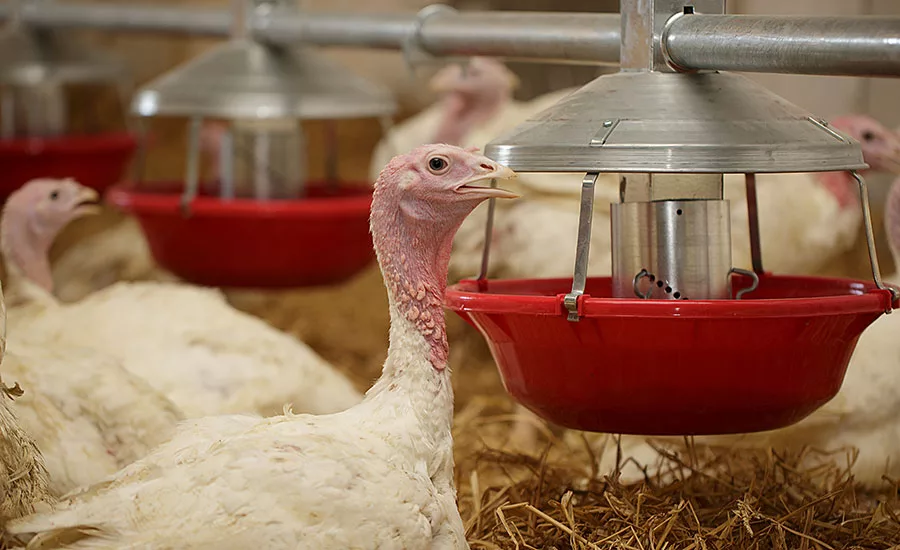
Feeding your turkey bird the right way is key to keeping it healthy and happy. Whether you’re raising turkeys for fun or for a special occasion, knowing what and how to feed them can make all the difference.
You might wonder what foods are best or how often you should feed your bird. Don’t worry—this guide will give you clear, simple steps to make sure your turkey gets the nutrition it needs. Keep reading to discover tips that will help your turkey thrive and grow strong.

Credit: www.freepik.com
Choosing The Right Feed
Choosing the right feed for your turkey bird is essential for healthy growth. Different life stages need different nutrients. Proper feed boosts their immune system and supports strong bones and muscles. It also improves feather quality and overall vitality. Understanding the types of feed helps you provide the best care for your turkeys.
Starter Feed For Chicks
Starter feed is designed for young turkey chicks. It contains high protein, usually around 28%, to help rapid growth. This feed is easy to digest and rich in vitamins and minerals. It supports early development of bones and muscles. Feed starter from day one until about eight weeks old. Provide fresh water alongside starter feed for best results.
Grower Feed For Juveniles
Grower feed suits turkeys aged eight weeks to about 16 weeks. It has moderate protein levels, about 16-20%, to maintain steady growth. This feed helps turkeys develop properly without gaining too much fat. It contains balanced nutrients for muscle and feather growth. Switch to grower feed gradually to avoid digestive upset.
Finisher Feed For Adults
Finisher feed prepares turkeys for market or breeding. It has lower protein, around 14-16%, and higher energy content. This feed promotes weight gain and fat deposition. It improves meat quality and flavor. Use finisher feed in the last 4-6 weeks before harvest. Avoid overfeeding to prevent health problems.
Organic And Natural Feed Options
Organic and natural feeds offer alternatives to conventional feed. They exclude synthetic chemicals and GMOs. These feeds often contain whole grains, seeds, and legumes. Organic feed supports a healthier environment and may improve turkey health. Natural feed options sometimes cost more but provide peace of mind. Always check feed labels for certification and ingredients.
Feeding Schedule And Portion Control
Creating a balanced feeding schedule with proper portion control is key to raising healthy turkey birds. Too much or too little food can lead to health problems and affect their growth. Paying attention to when and how much you feed your turkeys can make a big difference in their development and overall well-being.
Daily Feeding Routine
Establish a consistent feeding routine by offering food at the same times each day. Most turkey owners feed their birds twice daily—morning and late afternoon. This helps turkeys digest better and keeps their energy levels steady.
Make sure fresh water is always available alongside their feed. You can divide their daily portion into two meals to avoid overeating. This routine also makes it easier for you to monitor their appetite and behavior.
Adjusting Portions By Age
Young poults need smaller, more frequent meals with higher protein content to support rapid growth. As they mature, reduce protein and increase grains and greens in their diet. Adjust portion sizes to match their size and activity level—too much food won’t speed up growth but can cause obesity.
For example, a two-week-old poult might eat about 1/4 cup of starter feed per day, while a 12-week-old turkey might need up to 1 cup of grower feed daily. Watch how your birds respond and tweak portions if they seem hungry or leave food untouched.
Signs Of Overfeeding And Underfeeding
Recognizing when your turkey is overfed or underfed is crucial. Overfed turkeys often become lethargic, gain excessive weight, and may develop fatty liver disease. On the other hand, underfed turkeys show slow growth, weak legs, and sometimes feather loss.
If you notice leftover feed every day, your portion might be too large. Conversely, aggressive pecking or constant searching for food suggests they need more. Are you confident your feeding schedule matches your turkey’s actual needs? Adjust based on these signs to keep your birds healthy and thriving.
Essential Nutrients For Turkeys
Feeding turkeys requires more than just giving them food. Their diet must contain key nutrients for healthy growth and good health. Essential nutrients support strong bones, shiny feathers, and proper body function.
Each nutrient plays a unique role in a turkey’s life. Providing balanced nutrition helps turkeys grow faster and resist diseases. Understanding these nutrients aids in selecting the right feed and supplements.
Proteins And Amino Acids
Proteins build muscles, feathers, and organs in turkeys. Amino acids are the building blocks of proteins. They help repair tissues and support immune health.
Good protein sources include soybean meal, fish meal, and corn gluten. Essential amino acids like lysine and methionine must be in the diet. A lack of protein slows growth and weakens turkeys.
Vitamins And Minerals
Vitamins keep turkeys active and healthy. Vitamins A, D, and E are vital for vision, bone health, and skin condition. Minerals like calcium and phosphorus strengthen bones and eggshells.
Other important minerals include zinc, manganese, and selenium. These minerals help with enzyme function and disease resistance. Feed with added vitamins and minerals ensures balanced nutrition.
Water Requirements
Water is the most important nutrient for turkeys. It helps digest food and regulates body temperature. Clean, fresh water must be available at all times.
Turkeys drink more water during hot weather or when eating dry feed. Water intake affects feed consumption and nutrient absorption. Without enough water, turkeys may become weak and sick.
Supplemental Feeding Tips
Supplemental feeding supports the natural diet of turkey birds. It helps them grow healthy and strong. Providing extra nutrients boosts their energy and overall condition. Knowing what to add and avoid is key for success.
Incorporating Grains And Vegetables
Grains like corn, wheat, and oats are great energy sources. They keep turkeys active and support weight gain. Fresh vegetables such as carrots, peas, and leafy greens add vitamins and fiber. Chop vegetables into small pieces for easy eating. Offer these foods in clean feeders to avoid waste and pests.
Using Grit And Calcium Supplements
Grit helps turkeys digest food properly by grinding it in their gizzards. Use small, coarse stones or commercial grit products. Calcium is vital for strong bones and egg production. Crushed oyster shells or limestone work well. Provide these supplements free-choice so turkeys can eat as needed.
Avoiding Harmful Foods
Some foods can harm turkeys. Avoid giving them chocolate, caffeine, or salty snacks. Raw beans and green potatoes contain toxins that cause illness. Do not feed spoiled or moldy grains and vegetables. Always check food quality before offering it to your birds.
Feeding Practices For Different Growth Stages
Feeding turkeys changes as they grow. Each stage needs different nutrients and care. Proper feeding ensures healthy growth and strong birds. Understanding these needs helps you raise turkeys well.
Feeding Baby Turkeys
Baby turkeys, called poults, need high protein food. Protein supports fast growth and strong muscles. Use a starter feed with 28% protein. Keep feed fresh and clean. Provide water at all times to avoid dehydration.
Offer small, easy-to-eat pellets or crumbles. Avoid giving adult feed at this stage. Poults also need warmth, so keep their feeding area cozy.
Care For Growing Turkeys
Growing turkeys require balanced nutrition. Lower protein to about 20% as they age. Include grains like corn and wheat for energy. Add vitamins and minerals to support development.
Feed turkeys two or three times daily. Make sure feeders stay clean and dry. Provide plenty of water to help digestion. Monitor their weight and adjust feed if needed.
Nutrition For Mature Birds
Mature turkeys need less protein, around 16-18%. Focus on energy-rich grains and fiber. Add calcium for strong bones and egg-laying hens. Use commercial grower or breeder feed for best results.
Feed mature birds twice a day. Avoid overfeeding to prevent obesity. Fresh water must always be available. Regular feeding helps maintain health and productivity.

Credit: www.inpoultry.com
Common Feeding Challenges
Feeding turkeys can be rewarding, but it’s not without its hurdles. From finicky eaters to balancing nutrition and managing costs, these challenges can test your patience and skills. Understanding these common issues helps you create a smoother feeding routine that supports healthy, thriving birds.
Dealing With Picky Eaters
Some turkeys can be surprisingly choosy about their food. If your birds turn up their beaks at a new feed, try mixing it gradually with their old diet. This gentle transition often encourages them to accept the change without stress.
Offering variety can also spark their interest. Consider adding fresh greens, grains, or small amounts of fruit to keep meals exciting. Have you noticed your turkeys prefer certain textures or flavors? Use that knowledge to tailor their diet.
Preventing Nutritional Deficiencies
Turkeys need a balanced diet rich in proteins, vitamins, and minerals to stay healthy. Missing key nutrients can lead to slow growth or weak immunity. Using a commercial feed formulated for turkeys is a simple way to cover most nutritional bases.
Supplementing with calcium sources like crushed oyster shells helps prevent bone problems. Watch for signs like lethargy or poor feather quality—they can indicate a deficiency. Regularly checking your birds’ condition lets you catch issues before they become serious.
Managing Feed Costs
Feeding turkeys can get expensive, especially if you have a large flock. Look for bulk buying options or local suppliers who offer better prices. Sometimes, growing your own feed ingredients like corn or legumes cuts costs and ensures freshness.
Monitor how much feed your turkeys consume daily. Overfeeding wastes money and can cause health issues. Have you tried feeding smaller portions more frequently? This approach can reduce waste and keep your birds satisfied.
Monitoring Turkey Health Through Diet
Monitoring turkey health through diet is vital for strong birds. A healthy diet supports growth, immunity, and overall well-being. Regular checks help catch problems early and improve feeding strategies.
Tracking Weight And Growth
Weigh turkeys regularly to monitor growth trends. Keep a simple chart with dates and weights for each bird. Steady weight gain shows good nutrition and health. Sudden weight loss or no gain signals a problem. Use a digital scale for accuracy and consistency.
Recognizing Signs Of Poor Nutrition
Watch for dull feathers and low energy. Thin birds or pale skin may lack nutrients. Poor appetite and slow growth also show poor diet. Diarrhea or changes in droppings can indicate digestive issues. Early detection helps prevent serious health problems.
Adjusting Diet For Health Issues
Change feed based on health needs and age. Add vitamins or minerals if deficiencies appear. Use probiotics to improve digestion and gut health. For sick birds, offer easily digestible food and extra water. Consult a vet for persistent or severe issues.

Credit: smallfarms.cornell.edu
Frequently Asked Questions
What Do Turkeys Eat Daily?
Turkeys primarily eat grains, seeds, and insects. For optimal health, provide them with a balanced diet. Include corn, wheat, and soybeans. Fresh fruits and vegetables also benefit their diet. Ensure they have access to clean water at all times.
How Often Should Turkeys Be Fed?
Feed turkeys twice a day, morning and evening. Regular feeding maintains their energy and supports growth. Ensure their food bowls are clean and always filled. Adjust portion sizes based on their age and size.
Can Turkeys Eat Kitchen Scraps?
Yes, turkeys can eat kitchen scraps like vegetables and fruits. Avoid giving them processed foods or anything salty. Scraps should be fresh and mold-free. This can supplement their diet but shouldn’t replace regular feed.
Are There Foods Turkeys Shouldn’t Eat?
Avoid feeding turkeys chocolate, caffeine, and avocados. These can be toxic to them. Additionally, keep them away from salty snacks and processed foods. Stick to natural, turkey-friendly foods for their safety.
Conclusion
Feeding your turkey bird right helps it grow strong and healthy. Give fresh water and balanced feed every day. Offer grains, seeds, and greens for variety. Avoid foods that can harm your bird. Watch the turkey’s behavior to know if it is happy.
Clean feeding areas often to prevent sickness. With care and good food, your turkey will thrive well. Small steps make a big difference in turkey care. Keep feeding simple, safe, and regular for best results.