

Have you ever wondered how often you should refill your bird feeder to keep your feathered friends happy and healthy? It’s a simple question, but the answer can make a big difference in attracting more birds to your yard.
If you let the feeder run empty, you might miss out on daily visits from your favorite species. On the other hand, overfilling can lead to wasted food and mess. You’ll discover the perfect balance to keep your bird feeder stocked just right.
Keep reading, and you’ll learn easy tips that make feeding birds effortless and rewarding every time.
Factors Affecting Feeder Refill Frequency
Refilling a bird feeder depends on several key factors. These influence how quickly birds eat the food and how often you must refill it. Understanding these can help keep your feathered visitors happy and healthy.
Bird Species And Feeding Habits
Different birds eat different amounts of food daily. Small birds like finches eat less than larger birds like cardinals. Some species prefer seeds, while others like suet or nectar. The number of birds visiting also changes how fast food disappears.
Feeder Size And Design
Larger feeders hold more food, so they need refilling less often. Some feeders protect food from rain and wind, keeping it fresh longer. Designs that allow multiple birds to feed at once can empty quickly.
Seasonal Variations
Birds eat more in cold weather to stay warm. During spring and summer, natural food is abundant, so birds may visit feeders less. Migration seasons can bring many birds, increasing feeder use.
Weather Conditions
Hot weather can spoil food faster, requiring more frequent refills. Rain can wash away seeds or cause mold. Wind may scatter seeds, leaving less food in the feeder.
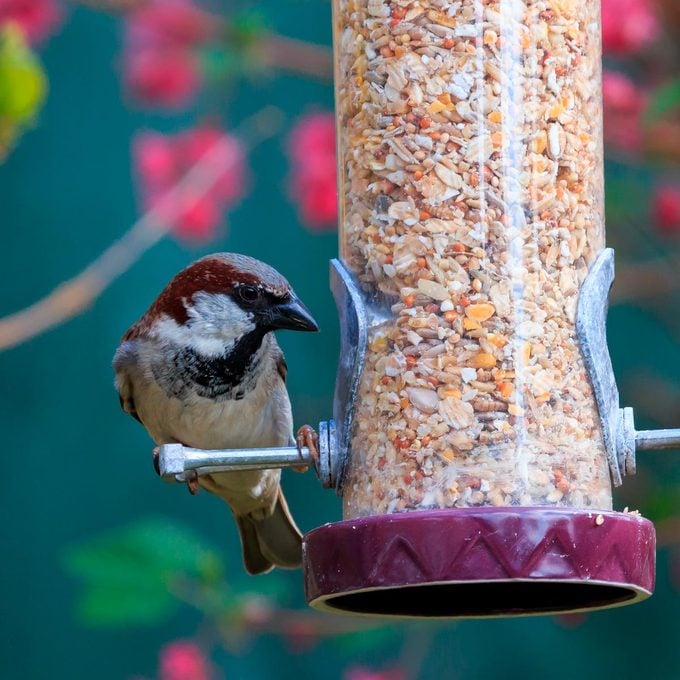
Credit: www.familyhandyman.com
Signs Your Feeder Needs Refilling
Knowing when to refill your bird feeder helps keep birds happy and healthy. Birds rely on fresh food daily. Watching certain signs can guide you on refilling times. These signs also help avoid wasted seed and keep feeders clean. Here are some key signs your feeder needs refilling.
Empty Or Near-empty Feeders
Check your feeder regularly. An empty feeder means birds have eaten all the seed. A near-empty feeder shows food is running low. Filling the feeder before it is empty keeps birds coming back. It also prevents them from searching elsewhere for food.
Bird Activity Patterns
Observe how often birds visit your feeder. More visits mean higher seed consumption. Birds often feed early in the morning and late afternoon. If you see many birds gathered or feeding quickly, refill soon. Sudden drops in visits may mean the feeder is empty or seed is stale.
Seed Quality And Freshness
Check the seed condition inside the feeder. Wet or moldy seed can harm birds. Old seed loses nutritional value and taste. Replace old seed with fresh seed regularly. Fresh seed attracts more birds and keeps them healthy.
Recommended Refill Schedules
Knowing how often to refill your bird feeder can make a big difference in attracting and keeping feathered visitors around. The right refill schedule depends on factors like feeder traffic, location, and season. Understanding these can help you keep your feeder stocked just right—never too empty or overflowing.
Daily Refills For High Traffic Feeders
If your feeder is a popular spot for many birds, daily refills are usually necessary. I noticed in my backyard, where dozens of birds gather every morning, the seed runs out by midday. Refilling every day ensures birds don’t go hungry and keeps your feeder clean and fresh.
High traffic feeders benefit from daily attention because:
- Seed runs out quickly, causing birds to look elsewhere.
- Frequent refills reduce mold and spoilage risks.
- It supports a healthy, consistent food source for your local bird population.
Weekly Refills For Low Traffic Areas
If your feeder is in a quieter spot with fewer visitors, weekly refills may be enough. I placed a feeder on the side of my porch where fewer birds landed, and refilling once a week kept it adequately stocked. This approach saves you time and prevents waste from uneaten seed.
Low traffic feeders work well with less frequent refills because:
- Seed lasts longer without being quickly eaten.
- Less frequent refilling reduces maintenance time.
- It prevents seed from becoming stale or attracting unwanted pests.
Adjusting Frequency By Season
Season changes affect birds’ feeding habits and food availability, so your refill schedule should shift accordingly. During winter, birds rely heavily on feeders, so more frequent refills—sometimes daily—are often needed. In spring and summer, natural food sources increase, so you might cut back to weekly or even less.
Think about these seasonal adjustments:
- Cold months require more frequent refills to support birds’ energy needs.
- Warmer months let you reduce refills as birds find natural food.
- Rain and humidity can spoil seed faster, so adjust refill timing to keep seed fresh.
How often do you check your feeder now? Adjusting your refill schedule based on these tips can create a better experience for both you and your bird visitors.
Maintaining Feeder Hygiene
Maintaining feeder hygiene is essential for the health of visiting birds. Clean feeders prevent diseases and keep birds coming back. Regular care also extends the feeder’s life and ensures fresh food.
Cleaning Frequency
Clean your bird feeder every two weeks at minimum. During wet or humid weather, clean it weekly. Remove old seeds and debris each time. Use warm soapy water for washing. Rinse thoroughly and let it dry completely before refilling.
Preventing Mold And Spoilage
Mold grows quickly in damp feeders and harms birds. Avoid overfilling to reduce moisture buildup. Use fresh seeds and discard wet or clumped seeds. Place feeders in shaded areas to slow spoilage. Check daily for mold signs or seed spoilage.
Safe Refilling Practices
Refill feeders with clean, dry hands or tools. Avoid touching seeds directly to prevent contamination. Fill only enough to last a few days. Store extra seeds in a cool, dry place. Keep feeders away from pests and rodents.
Tips To Attract More Birds
Attracting more birds to your feeder creates a lively, colorful backyard. It also helps maintain a healthy bird population in your area. Small changes in seed choice, feeder placement, and feeder numbers can bring more birds to visit frequently. These tips are easy to follow and improve your bird feeding experience.
Choosing The Right Seeds
Different birds prefer different seeds. Black oil sunflower seeds attract many bird types. They are rich in oil and easy to crack open. Nyjer seeds draw small finches like goldfinches. Mixed seeds can attract various birds but may waste food. Pick seeds based on the birds in your region. Avoid cheap mixes with many fillers that birds ignore.
Placement Of The Feeder
Place feeders near natural cover like trees or shrubs. Birds feel safer close to shelter from predators. Keep feeders away from windows to avoid collisions. Position feeders where you can watch without disturbing birds. Changing feeder height can attract different species. A quiet spot reduces stress for visiting birds.
Using Multiple Feeders
Multiple feeders provide space for many birds at once. Use different feeder types to attract various species. Tube feeders suit small birds, while platform feeders hold larger birds. Spread feeders apart to reduce crowding and fights. Refill feeders regularly to keep food fresh and available. More feeders mean more chances to see diverse birds.

Credit: feedsnneeds.ca
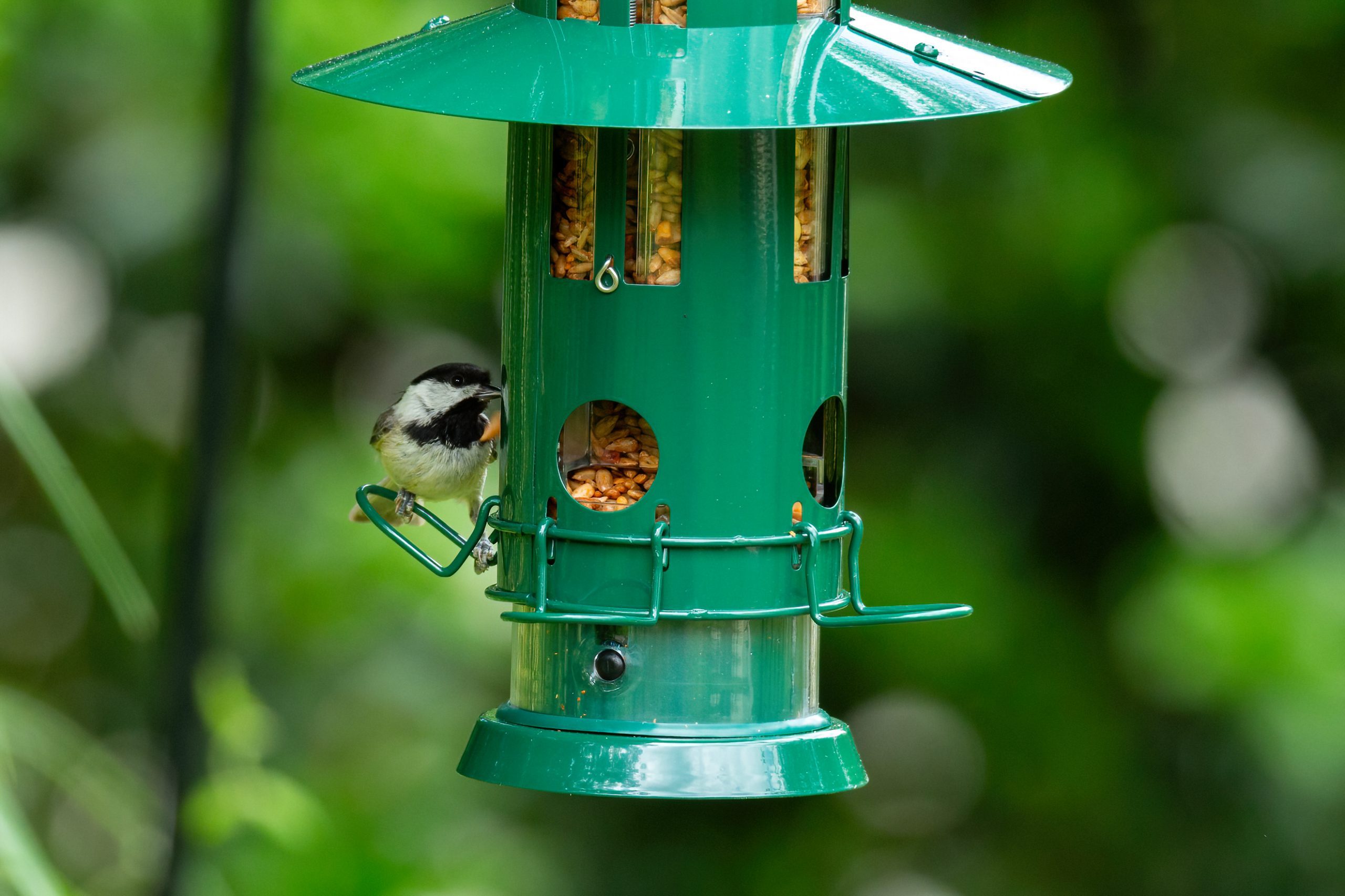
Credit: www.kingsyard.com
Frequently Asked Questions
How Often Should I Refill My Bird Feeder In Summer?
Refill your bird feeder every 2 to 3 days in summer. Warm weather speeds up seed spoilage. Fresh food attracts more birds and prevents mold growth.
Does Bird Feeder Refill Frequency Vary By Season?
Yes, refill frequency changes with seasons. Feeders need daily refills in winter due to high bird activity. In spring or fall, refilling twice a week usually suffices.
What Factors Affect How Often To Refill Bird Feeders?
Factors include bird species, feeder type, weather, and seed type. More birds and smaller seeds mean quicker refills. Rain or humidity can spoil seeds faster, requiring more frequent refills.
Can Overfilling Bird Feeders Harm Birds?
Yes, overfilling can lead to mold, waste, and pests. It also attracts unwanted animals. Fill feeders only as much as birds consume in a few days to ensure freshness.
Conclusion
Refilling your bird feeder depends on bird activity and weather. Check the feeder every few days. Fill it before the food runs out completely. Keep it clean to help birds stay healthy. Watch for signs of hungry birds nearby. Regular refills keep birds coming back happily.
Enjoy the beauty and sounds of visiting birds. Simple care makes a big difference for your feathered friends. Stay consistent and patient for best results.