
Finding a baby bird without its mom can be heartbreaking. You want to help, but you might wonder, “What do you feed a baby bird without mom?” Getting the right food is key to giving that fragile little life the best chance to grow strong.
If you feed it the wrong thing, you could accidentally harm it. You’ll discover simple, effective ways to care for a baby bird and what foods will keep it healthy. Keep reading—your quick actions could make all the difference.
Credit: wildbloo.com
Identifying Baby Bird Needs
Knowing exactly what a baby bird needs without its mom is crucial for its survival. Identifying those needs starts with understanding the bird’s condition and species. This helps you provide the right care and food to give the little one the best chance to thrive.
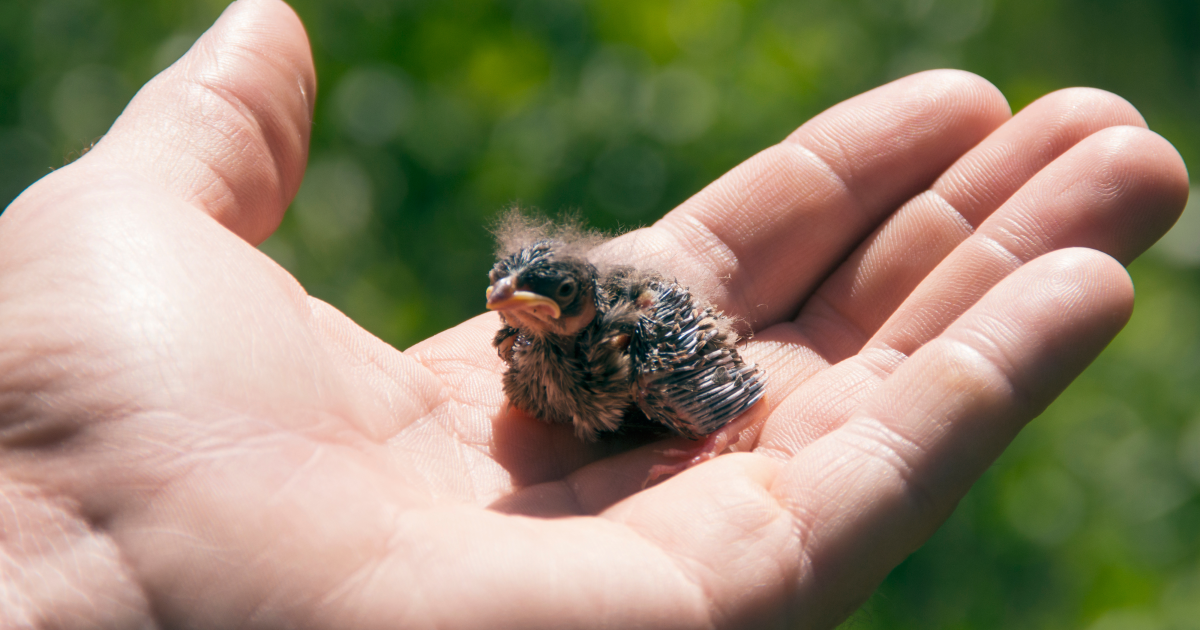
Signs Of Orphaned Birds
You might wonder how to tell if a baby bird truly needs help. Look for these signs:
- The bird is alone and visibly weak or cold.
- It has no feathers or only downy fluff, indicating it’s very young.
- There are no parent birds nearby despite your watch.
- The bird remains on the ground in an exposed area for a long time.
Sometimes, young birds leave the nest before they can fully fly. Ask yourself: Is the bird injured or just learning to fly? Observing closely can make the difference between helping or unintentionally removing a bird being cared for by parents.
Assessing Bird Species
Different bird species have unique dietary needs. Identifying the species can guide you on what to feed the baby bird.
Look at the bird’s size, color, and beak shape to narrow down its species. For instance, a hummingbird baby needs a different diet than a pigeon chick.
Use a bird identification app or guidebook if you’re unsure. Knowing the species helps you avoid feeding harmful foods and ensures the baby bird grows strong.
Safe Handling And Housing
Handling and housing a baby bird without its mother requires care and attention. The bird needs warmth and safety to survive. Proper housing helps keep the baby bird calm and healthy. Avoid sudden movements and loud noises around the bird. This reduces stress and prevents injury. Keep the bird in a quiet, warm space away from pets and children.
Creating A Warm Nest
Baby birds cannot regulate their body temperature well. They need extra warmth to stay alive. Use soft materials like clean cloth or paper towels to make the nest. Avoid rough or sharp items that may hurt the bird. Keep the nest cozy but not too tight. The bird should have room to move slightly.
- Line a small box or container with soft cloth.
- Place a heating pad or warm water bottle under half the nest.
- Check that the temperature stays around 85°F (29°C).
- Do not let the bird get too hot or cold.
Warmth is critical for the bird’s health and growth.
Choosing The Right Container
Choose a container that is safe and comfortable for the baby bird. It should protect the bird from drafts and predators. A small cardboard box or plastic container works well. Make sure it has enough air flow to keep the bird breathing easily. Avoid using containers with smooth walls where the bird can slip.
- Use a shallow box with sides high enough to stop the bird from escaping.
- Line the bottom with a soft towel or cloth for comfort.
- Keep the container in a quiet, warm room.
- Clean the container daily to prevent germs and odors.
Proper housing supports the baby bird’s safety and well-being.
Feeding Basics
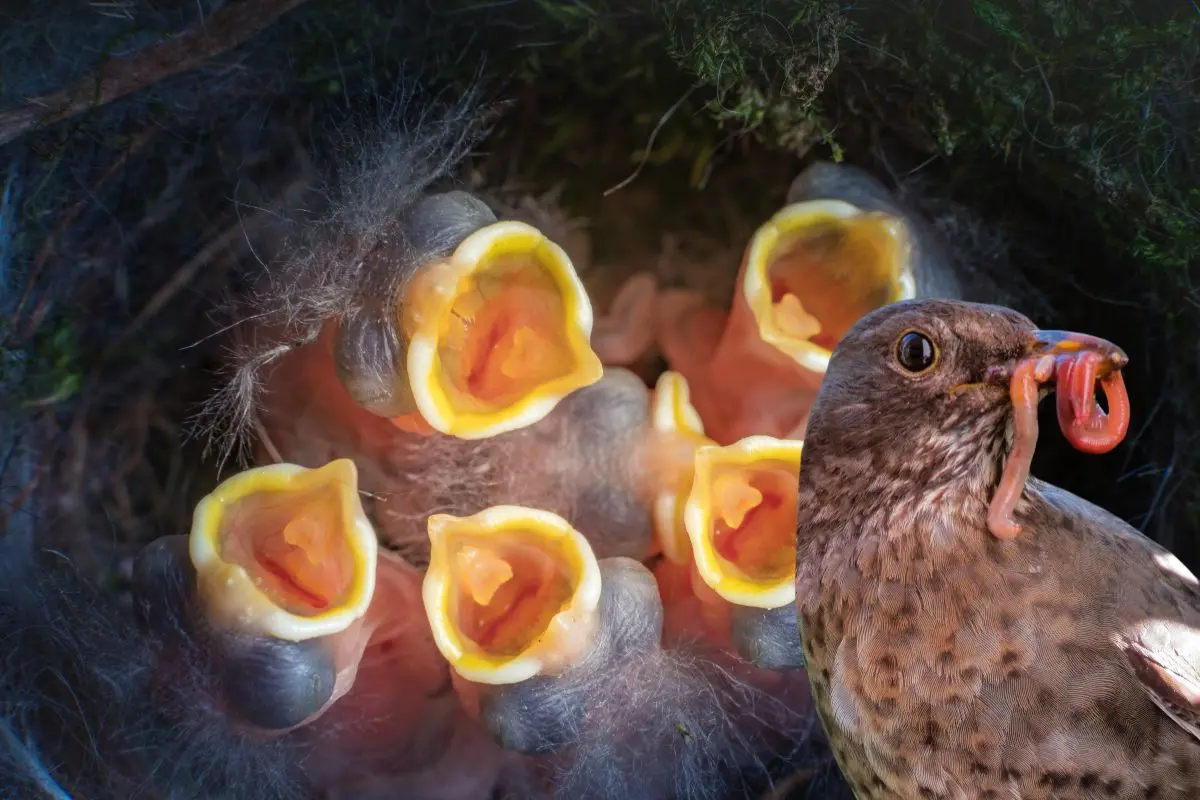
Feeding a baby bird without its mother requires care and attention. The right feeding routine helps the bird grow strong and healthy. It is important to understand how often and how much to feed the bird. This ensures the baby bird gets enough nutrients without overfeeding. Proper feeding basics lay the foundation for the bird’s survival and well-being.
Frequency Of Feeding
Baby birds need frequent feeding because they digest food quickly. Very young birds may need feeding every 15 to 20 minutes during daylight hours. Older nestlings require feeding less often, about every 30 to 60 minutes. Feeding should start early in the morning and continue until just before dark. Consistency in feeding times helps the baby bird develop a routine.
Amount To Feed
Offer small amounts of food each feeding to avoid choking. The food portion should match the bird’s beak size. Do not overfill the crop, the pouch where the bird stores food. A good rule is to fill the crop about half full. Watch the bird’s crop after feeding; it should feel soft and rounded, not hard or tight.
Suitable Food Options
Feeding a baby bird without its mother needs care and the right food. Baby birds have delicate digestive systems. They need food that is easy to digest and full of nutrients. Choosing the right food helps the bird grow strong and healthy.
Commercial Bird Formulas
Commercial bird formulas are made specifically for baby birds. These products contain the right balance of proteins, fats, and vitamins. They are easy to prepare and feed. Most pet stores offer formulas for different bird species. Always follow the instructions on the package. These formulas reduce the risk of nutritional problems.
Homemade Food Alternatives
Homemade food can work if commercial formulas are not available. Use soft foods that are high in protein and moisture. Examples include:
- Boiled eggs mashed finely
- Soaked dog or cat kibble
- Cooked rice mixed with small amounts of fruit
- Mashed vegetables like peas and carrots
- Mealworms or small insects for insect-eating birds
Feed small amounts often to avoid choking. Keep the food warm but not hot.
Foods To Avoid
Some foods can harm baby birds. Avoid giving:
- Milk or dairy products
- Raw meat or fish
- Salty or sugary foods
- Processed human snacks like bread and chips
- Large seeds or nuts that may cause choking
These foods can cause illness or blockages. Always provide fresh, clean water alongside food.
Feeding Techniques
Feeding a baby bird without its mom requires careful attention and the right techniques to ensure the bird gets enough nutrition safely. How you feed the bird can impact its health and growth significantly. Here are practical ways to handle this delicate task.
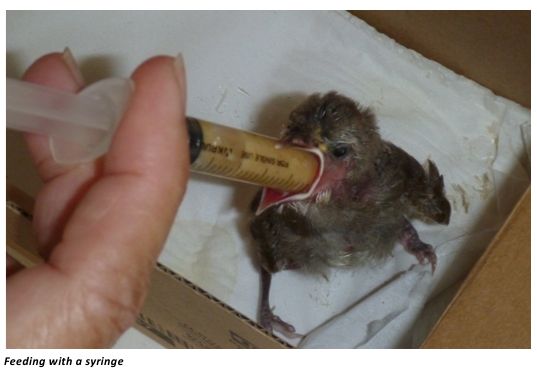
Using Syringes And Droppers
Syringes and droppers are excellent tools for feeding baby birds because they allow you to control the amount of food given. Choose a syringe or dropper with a soft tip to avoid injuring the bird’s mouth. Gently draw the formula or mashed food into the syringe, then slowly squirt small amounts into the bird’s mouth.
Be careful not to force the food in; let the bird swallow at its own pace. If you notice the bird struggling or coughing, pause and give it time to breathe. Using these tools can feel tricky at first, but patience helps you get the rhythm right.
Proper Feeding Position
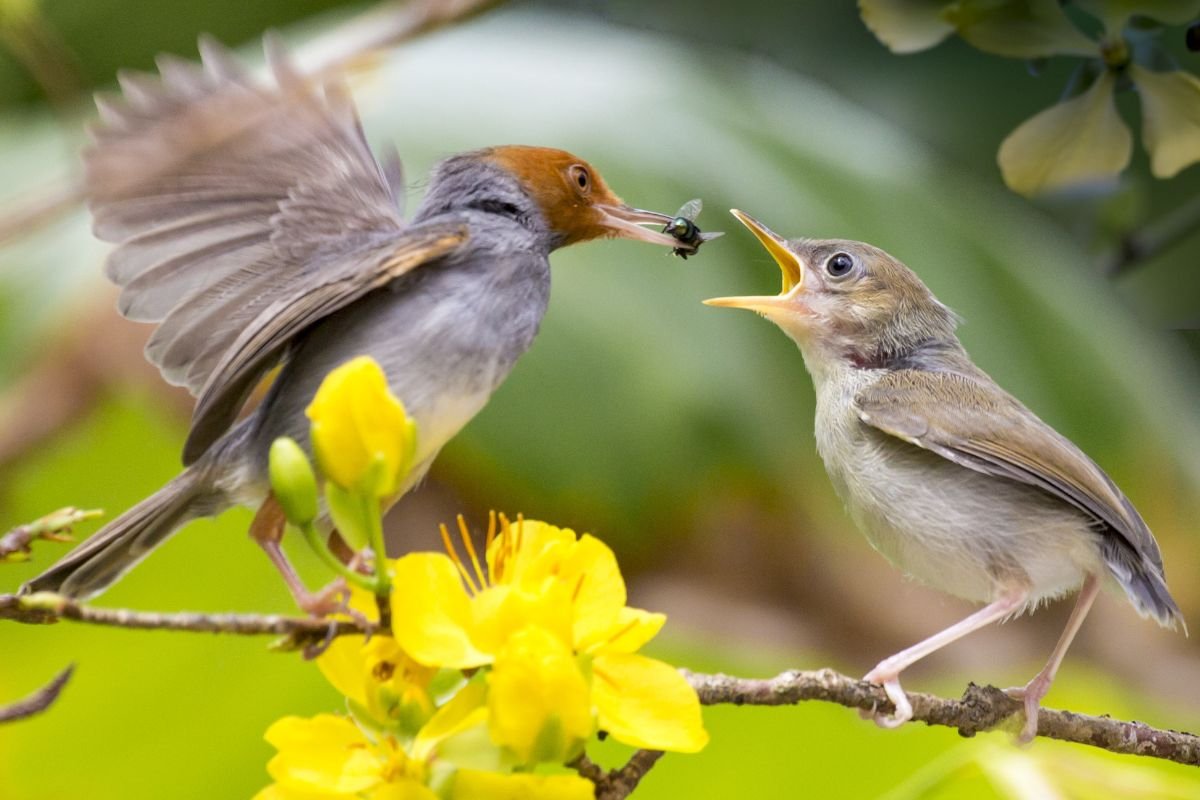
Positioning the baby bird correctly during feeding is just as important as the feeding tool you use. Hold the bird upright or slightly tilted forward, mimicking how a mother bird would feed it. Avoid feeding the bird on its back, as this can cause choking or aspiration of food into the lungs.
Support the bird gently with one hand, keeping its head steady but not tight. This position helps the bird swallow easily and reduces stress during feeding. Have you noticed how a calm bird feeds better? Creating a secure hold can make a big difference.
Hydration Tips
Keeping a baby bird hydrated is crucial for its survival and growth. Young birds lose water quickly and need constant moisture to stay healthy. Proper hydration supports their digestion and body functions. Careful attention to water intake can prevent serious health issues.
Providing Water Safely
Offer water in small amounts to avoid choking. Use a shallow dish or a dropper to give water gently. Never force water directly into the bird’s throat. Keep water clean and fresh at all times. Avoid giving cold water; room temperature is best.
Signs Of Dehydration
Look for these signs to know if a baby bird is dehydrated:
- Dry or wrinkled skin
- Sunken eyes
- Weakness or lethargy
- Loss of appetite
- Sticky or dry mouth
Early detection helps in providing quick care and hydration. Check the bird regularly to catch any signs early.
Monitoring Health
Monitoring the health of a baby bird without its mother is crucial for its survival. Regular checks help catch problems early. Watch for any changes in behavior, appetite, or appearance. Keeping the bird warm and clean supports its recovery and growth.
Common Illness Symptoms
- Weakness or lack of movement
- Fluffed-up feathers
- Labored or noisy breathing
- Discharge from eyes or beak
- Diarrhea or unusual droppings
- Loss of appetite or refusal to eat
- Swollen or discolored skin
When To Seek Veterinary Help
Contact a vet immediately if the baby bird shows:
- Persistent weakness or lethargy
- Difficulty breathing or gasping
- Severe diarrhea or dehydration signs
- Visible wounds or infections
- Sudden changes in behavior
Early treatment improves chances of recovery. Do not delay in seeking professional care.
Credit: wildbloo.com
Preparing For Release
Preparing a baby bird for release is a delicate phase that requires careful attention to its growing needs. Your goal is to help the bird regain its natural skills while ensuring it stays healthy and confident. Balancing support and independence is key during this stage.
Encouraging Independence
Encouraging independence means letting the baby bird start exploring on its own. You can create a safe space where it can practice hopping, fluttering, and eventually flying short distances. Watching a baby bird try to fly for the first time is a powerful reminder of how important this freedom is.
Ask yourself: Are you giving the bird enough room to practice without stepping in too soon? Overprotecting can slow down its learning. Let the bird make small mistakes; this builds strength and confidence.
- Place perches at different heights to challenge its balance.
- Introduce natural sounds to simulate the wild environment.
- Limit human interaction gradually to reduce dependence.
Gradual Weaning Process
Gradually weaning the baby bird off hand-feeding prepares it for finding food on its own. Start by mixing whole seeds, insects, or fruit pieces alongside the soft food you usually offer. This encourages the bird to experiment and learn what it can eat in the wild.
Notice how the bird responds to new textures and tastes. Are you patient enough to let it take its time? Rushing this phase can cause stress or malnutrition.
| Day | Food Type | Feeding Approach |
|---|---|---|
| 1-3 | Soft food with small seed pieces | Hand-feed mostly, offer seeds nearby |
| 4-7 | Mix of seeds and insects | Decrease hand-feeding, encourage self-feeding |
| 8+ | Natural diet only | Remove hand-feeding, monitor eating habits |
Seeing a baby bird take food on its own signals that it is ready for the next step. How will you adjust your care to support this exciting transition?
Credit: pethelpful.com
Frequently Asked Questions
What Should I Feed A Baby Bird?
You can feed a baby bird soaked dog food, hard-boiled eggs, or specially formulated bird food. Ensure the food is soft and moist. Avoid giving milk or bread, as these can harm the bird. Always use a small, blunt instrument like a straw or syringe to feed the bird safely.
How Often Do Baby Birds Need Feeding?
Baby birds typically require feeding every 15-20 minutes from sunrise to sunset. Their rapid growth demands frequent meals. As they grow, the feeding frequency decreases. Monitor their crop to ensure it’s full but not overstuffed. This schedule mimics their natural feeding patterns in the wild.
Can I Feed Baby Birds With Human Food?
Feeding baby birds human food is generally not recommended. Most human foods lack essential nutrients birds need. Some, like chocolate or avocado, can be toxic to birds. Instead, use bird-specific foods or emergency substitutes like soaked dog food or hard-boiled eggs.
Always prioritize their dietary needs.
Is It Safe To Give Water To Baby Birds?
Directly giving water to baby birds can be dangerous and cause drowning. Instead, provide moisture through their food. If necessary, offer water using a dropper, ensuring drops are small. The main water source should come from the moist food you provide, ensuring they stay hydrated safely.
Conclusion
Feeding a baby bird without its mom needs care and patience. Use soft, easy-to-digest foods like soaked dog food or baby bird formula. Feed small amounts often to keep the bird healthy and growing. Keep the bird warm and safe during feeding times.
Watch the bird closely for any signs of trouble. Helping a baby bird is a big responsibility but very rewarding. With the right food and care, you can give the bird a good start in life. Always seek advice from a wildlife expert if unsure.
Caring for a baby bird takes time, but it matters.