
If you love watching hummingbirds visit your garden, you know how magical those tiny, colorful birds can be. But have you ever wondered how often you should change the nectar in your hummingbird feeder?
Getting this right is key to keeping your visitors healthy and coming back day after day. If the nectar sits too long, it can spoil and harm the birds you want to attract. In this post, you’ll discover exactly how often you need to refresh your feeder, simple signs to watch for, and easy tips to keep your hummingbird guests happy and safe.
Keep reading to become the best hummingbird host in your neighborhood!

Credit: www.natureswaybirds.com
Why Change Feeder Nectar Often
Changing hummingbird feeder nectar often is key to keeping birds healthy. Fresh nectar attracts more hummingbirds and keeps them safe. Old nectar can spoil quickly, especially in warm weather. This spoilage leads to problems that affect both the feeder and the birds.
Preventing Mold And Bacteria
Mold and bacteria grow fast in old nectar. These organisms can make the nectar cloudy or smelly. Mold spores can spread to the feeder’s parts, making cleaning harder. Birds drinking from moldy nectar can get sick. Changing nectar every few days stops mold and bacteria from building up.
Avoiding Harm To Hummingbirds
Hummingbirds need clean nectar to stay healthy. Spoiled nectar can cause digestive problems for them. It may also attract harmful insects or ants. Sick birds may stop visiting your feeder altogether. Fresh nectar helps hummingbirds get the energy they need to thrive.

Credit: www.birdwatchingdaily.com
Ideal Frequency For Changing Nectar
Knowing how often to change hummingbird nectar is key to keeping these tiny visitors healthy and happy. Nectar can spoil quickly, especially in warm weather, which might harm the birds you want to attract. Understanding the ideal frequency for changing nectar helps you provide a safe, fresh food source all season long.
Daily Changes In Hot Weather
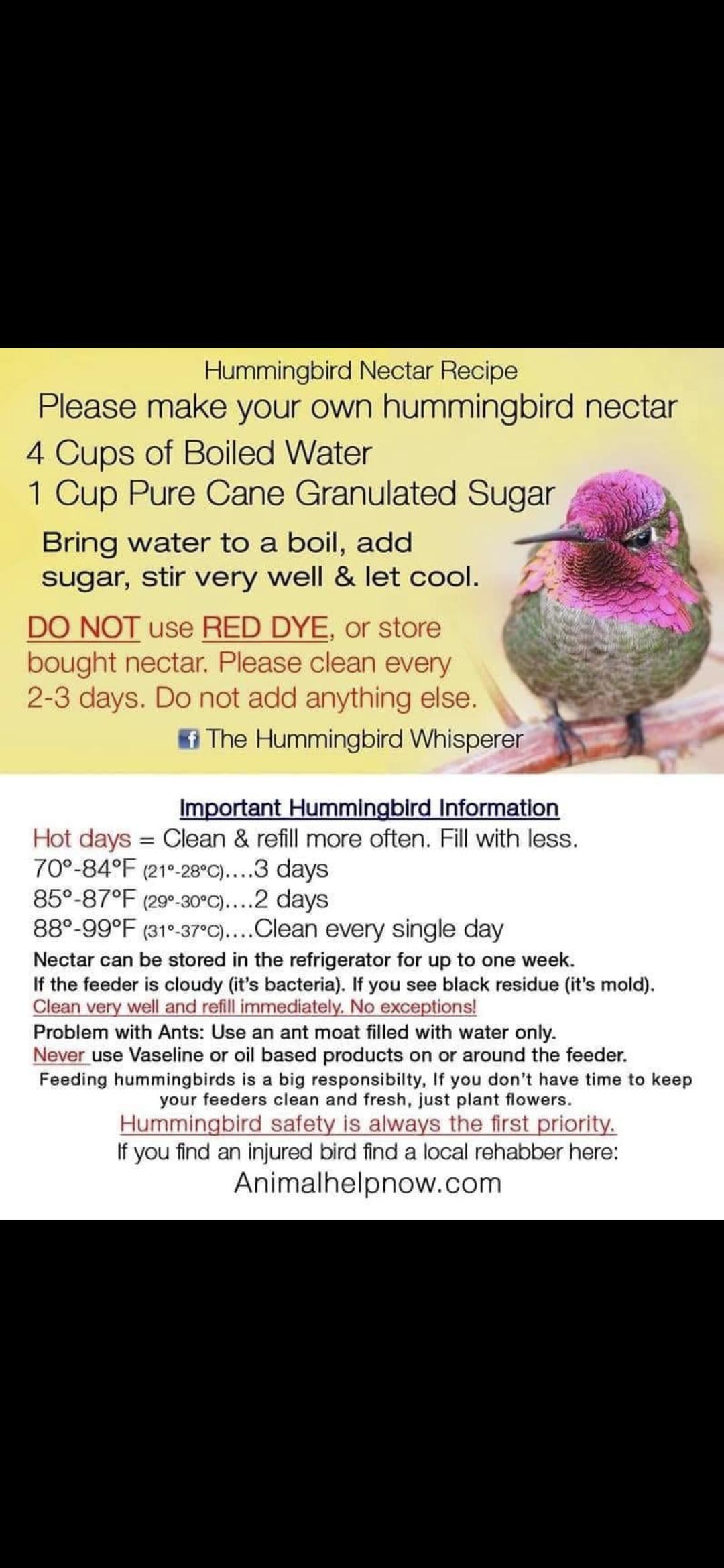
When temperatures climb above 80°F (27°C), nectar can ferment or grow mold within a day. Changing it daily prevents harmful bacteria from building up and keeps the nectar sweet and inviting. I once left nectar for two days during a heatwave, and noticed fewer hummingbirds visiting—it’s clear they avoid spoiled food.
Check your feeder every morning during hot spells. If you see cloudiness or bubbles, replace the nectar immediately. This simple habit protects hummingbirds from illness and encourages frequent visits.
Every Few Days In Cooler Conditions
In cooler weather, around 60°F to 80°F (15°C to 27°C), nectar stays fresh longer. Changing it every 3 to 5 days works well to maintain quality without wasting sugar. I’ve found that feeders in shaded areas tend to stay fresh longer than those in direct sunlight.
Still, inspect your feeder regularly. If you notice any discoloration or stickiness, it’s time to change the nectar, even if it hasn’t been a full few days. This attention to detail helps keep your hummingbird guests healthy and coming back for more.
Signs Nectar Needs Replacement
Knowing when to change the nectar in your hummingbird feeder is key to keeping the birds healthy and happy. Nectar can spoil quickly, especially in warm weather, and feeding hummingbirds old or contaminated nectar can do more harm than good. Watch out for clear signs that tell you it’s time to refresh the liquid.
Cloudy Or Fermented Liquid
If the nectar in your feeder starts to look cloudy or develops a strange smell, it’s a clear indication that fermentation has begun. Nectar should be clear and sweet-smelling. Cloudiness means bacteria or mold are growing, which can be harmful to hummingbirds.
I once ignored a cloudy feeder for a couple of days and noticed fewer hummingbirds visiting. After replacing the nectar, the birds returned quickly. Don’t wait—replace the nectar as soon as you spot these changes.
Attracting Unwanted Insects
When your feeder suddenly becomes a hotspot for ants, bees, or wasps, it’s usually because the nectar is old or leaking. These insects are attracted to sugary liquids, and their presence often means the nectar is fermenting or spilling out.
Keep an eye on insect activity around your feeder. If you see more than a few bugs gathering, it’s time to clean the feeder thoroughly and add fresh nectar. This will keep your hummingbirds safe and reduce the chance of insect problems.
Steps To Clean The Feeder Properly
Cleaning your hummingbird feeder regularly keeps the nectar fresh and safe. Proper cleaning stops mold and bacteria from growing. It helps protect hummingbirds from illness. Follow simple steps for a thorough clean.
Disassembling The Feeder
Take the feeder apart carefully. Remove all parts, including the base, feeding ports, and reservoir. Check for cracks or damage while disassembled. Set all pieces on a clean surface before washing.
Using Safe Cleaning Solutions
Use mild soap and warm water to clean. Avoid harsh chemicals that can harm birds. You can also use a solution of one part white vinegar to four parts water. Scrub all parts with a soft brush to remove residue and mold. Rinse thoroughly to remove all soap or vinegar.
Drying And Reassembling
Let all parts air dry completely on a clean towel. Drying prevents mold growth inside the feeder. Once dry, reassemble the feeder carefully. Make sure all parts fit securely to avoid leaks and spills.
Making The Best Nectar Mix
Making the best nectar mix is key to keeping hummingbirds happy and healthy. The right nectar provides energy and attracts these tiny birds to your feeder. Simple ingredients and proper preparation are essential to create safe, fresh nectar. Poor nectar quality can harm hummingbirds or discourage them from visiting.
Correct Sugar To Water Ratio
Use a simple ratio of one part white granulated sugar to four parts water. This mix closely matches natural flower nectar. Avoid honey, artificial sweeteners, or brown sugar. They can cause mold or harm the birds.
Boil water before mixing to kill bacteria. Let the water cool before adding sugar. Stir until the sugar dissolves completely. No need to add anything else to this recipe.
Avoiding Harmful Additives
Never add red dye or food coloring to the nectar. These can be toxic to hummingbirds. The feeder itself should be red or have red parts to attract birds naturally.
Do not use any preservatives, flavors, or vitamins. They can upset the birds’ digestive systems. Keep the nectar pure and simple for best results.
Maintaining Feeder Placement
Maintaining the right placement for your hummingbird feeder is crucial to keep the nectar fresh and attract more visitors. The location you choose affects how quickly the sugar water ferments and how often you’ll need to change it. Paying attention to where you hang your feeder can save you time and keep hummingbirds happy and healthy.
Shady Spots To Slow Fermentation
Placing your feeder in a shady spot helps slow down the fermentation of the nectar. Direct sunlight heats the sugar water, encouraging bacteria and mold growth. A shady area under a tree or near a porch roof works well to keep the nectar cooler and fresher for longer.
I once moved my feeder from a sunny balcony to a shaded garden corner, and I noticed the nectar stayed clear for days instead of spoiling after just one day. Have you tried moving your feeder to a shady spot to see how it affects nectar freshness?
Avoiding Exposure To Heat And Direct Sunlight
Heat and direct sunlight speed up fermentation and can cause the sugar water to spoil within a day. Avoid hanging feeders near windows or on south-facing walls that get intense afternoon sun. Instead, opt for a spot that stays cool during the hottest parts of the day.
- Choose locations with partial shade
- Hang feeders away from heat sources like air conditioners or grills
- Consider adding a small canopy or shade cloth if natural shade is limited
By reducing exposure to heat, you cut down on how often you must change the nectar, making feeder maintenance easier. What simple changes can you make today to protect your feeder from the sun’s heat?
Common Mistakes To Avoid
Maintaining a hummingbird feeder properly is key to attracting these tiny visitors. Many people make simple errors that can harm the birds or reduce feeder use. Avoiding these mistakes keeps the feeder safe and inviting. Here are common errors to watch out for.
Using Honey Or Artificial Sweeteners
Honey and artificial sweeteners should never go into a hummingbird feeder. Honey can grow harmful mold quickly, which can sicken birds. Artificial sweeteners provide no nutrition and can confuse hummingbirds. Stick to a simple sugar-water mix: four parts water to one part white granulated sugar. This recipe is safe and healthy for hummingbirds.
Neglecting Regular Cleaning
Failing to clean the feeder often leads to mold and bacteria buildup. Dirty feeders can spread diseases among birds. Clean the feeder at least once every three days in warm weather. Use hot water and a mild soap or a vinegar solution. Rinse thoroughly to remove any soap before refilling. Regular cleaning keeps the feeder fresh and safe for hummingbirds.
Credit: www.birdwatchingdaily.com
Frequently Asked Questions
How Often Should Hummingbird Feeder Nectar Be Changed?
Change the nectar every 2 to 3 days in warm weather. In cooler weather, change it every 4 to 5 days. This prevents fermentation and mold growth, keeping the feeder safe and attractive to hummingbirds.
Why Is Frequent Cleaning Important For Hummingbird Feeders?
Frequent cleaning removes mold, bacteria, and sugar buildup. This prevents feeder spoilage and protects hummingbirds from illness. Clean feeders promote healthy feeding and encourage more visits.
Can Old Nectar Harm Hummingbirds?
Yes, old nectar can ferment and grow harmful bacteria. This can cause illness or death in hummingbirds. Always replace nectar regularly to ensure their safety and health.
Does Weather Affect How Often To Change Hummingbird Nectar?
Yes, warm and hot weather speeds up nectar spoilage. Change nectar more frequently during hot days. Cooler temperatures allow for less frequent changes.
Conclusion
Changing hummingbird feeder nectar is simple but crucial. Fresh nectar keeps birds healthy. Replace every 2-3 days in hot weather. Cooler days allow a 5-day gap. Clean feeders regularly to prevent mold. Happy hummingbirds visit more often! Keep feeders full and inviting.
Cleanliness ensures their return. A well-maintained feeder provides joy. Watch these tiny creatures thrive. Enjoy their beauty and energy. It’s rewarding and simple. Your garden becomes a lively haven. Remember, clean and fresh is key. Enjoy the fluttering visitors. Happy feeding!