
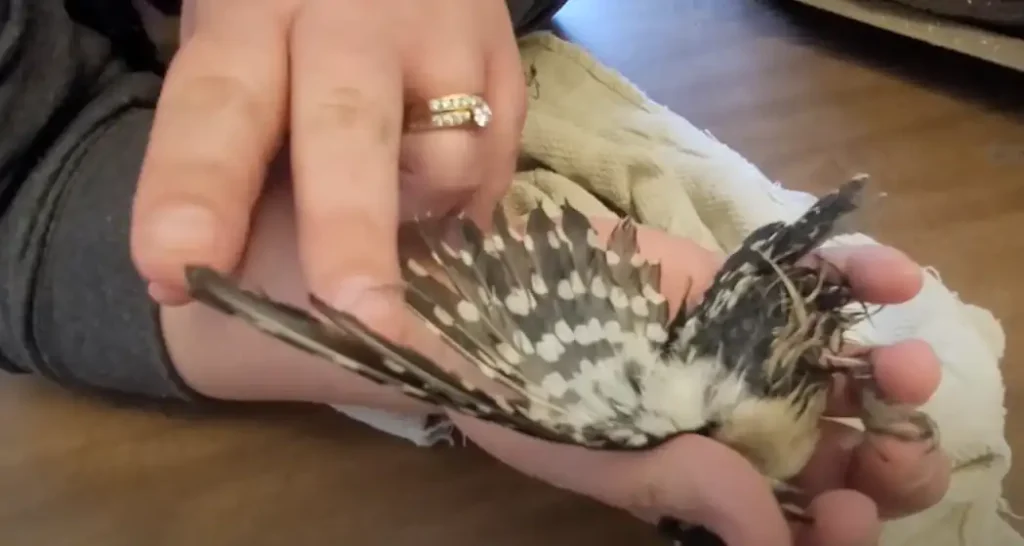
Finding a hurt bird can be upsetting, and you might wonder what to do next. One of the biggest questions is, “What do you feed a hurt bird?” Giving the right food can make a huge difference in its recovery.
You want to help, but feeding the wrong thing might do more harm than good. You’ll discover simple, practical steps to nourish a hurt bird safely. By the end, you’ll feel confident knowing exactly how to care for your feathered friend and give it the best chance to heal.
Keep reading to learn what every bird lover needs to know.

Credit: www.youtube.com
Identifying Injured Birds
Identifying injured birds is the first step to helping them recover. Birds often hide their pain, so careful observation is necessary. Noticing signs of injury early can save a bird’s life. Understanding common injuries and distress signals helps you provide the right care.
Common Injuries To Watch For
- Broken or drooping wings
- Bleeding or open wounds
- Swelling or deformities
- Feathers missing or ruffled
- Difficulty standing or flying
- Head or beak injuries
Signs A Bird Needs Help
- Unusual quietness or lack of movement
- Repeated falling or inability to perch
- Visible pain or distress
- Fluffed up feathers for long periods
- Labored breathing or gasping
- Bird appears weak or lethargic

Credit: www.reddit.com
Initial Steps To Take
Finding a hurt bird requires quick and careful action. The first moments are critical to help the bird stay calm and safe. Proper steps can prevent further injury and stress. Handling the bird with care and creating a safe space are the first tasks. These initial steps set the stage for proper feeding and healing.
Safe Handling Techniques
Approach the bird quietly and slowly. Sudden moves can scare or hurt it more. Use a soft cloth or towel to gently cover the bird. This helps keep it calm and prevents flapping. Hold the bird firmly but gently, supporting its body and wings. Avoid squeezing or pressing too hard. Keep your hands steady and avoid loud noises. Always protect yourself by wearing gloves if possible. This reduces the risk of bites or scratches.
Creating A Temporary Shelter
Find a quiet, warm place for the bird to rest. Use a small box or pet carrier lined with soft cloth or paper towels. The shelter should be dark to reduce stress. Make sure there are air holes for ventilation. Place the box in a safe spot away from pets and loud sounds. Keep the bird inside the shelter until you can get expert help. Check the bird regularly without disturbing it too much.
Feeding Basics For Hurt Birds
Feeding a hurt bird requires care and attention to its specific needs. Your goal is to provide nourishment that aids recovery without causing stress or harm. Understanding what to feed and what to avoid can make a big difference in the bird’s healing process.
Suitable Foods By Bird Type
Different birds have different diets. Knowing the bird type helps you offer the right food that feels familiar and is easy to digest.
- Songbirds:Small insects like mealworms, soft fruits such as berries, and soaked seeds work well.
- Waterfowl:Offer chopped greens, grains like cracked corn, and aquatic plants to mimic their natural diet.
- Raptors:These birds need protein-rich food like small pieces of raw meat or specially prepared raptor diet food.
- Parrots and Parakeets:A mix of soft fruits, vegetables, and soaked seeds helps them regain energy.
Have you noticed that some birds refuse certain foods? That’s often a sign to adjust what you’re offering to better suit their natural preferences.
Avoiding Harmful Foods
Some common foods can be dangerous or even toxic to injured birds. Avoid feeding bread, as it lacks essential nutrients and can cause digestive issues.
- No salted or seasoned foods—these can harm a bird’s kidneys.
- Steer clear of dairy products, which many birds cannot digest properly.
- Avoid giving caffeine, chocolate, or alcohol—these are toxic and could worsen the bird’s condition.
- Do not feed wild birds processed human snacks like chips or crackers.
Remember, the wrong food can delay healing or cause new health problems. What steps can you take to ensure the bird’s diet supports its recovery fully?
Hydration Tips
Hydration is vital for a hurt bird’s recovery. Birds lose water quickly due to stress and injury. Keeping them hydrated supports their body functions and healing. Giving water safely helps avoid more harm. Watching for signs of dehydration ensures timely care.
Providing Water Safely
Use a shallow dish to offer water. Avoid deep bowls that can cause drowning. Place the dish where the bird can easily reach. Use clean, fresh water every time. Do not force the bird to drink. Instead, gently offer water with a dropper or syringe. Keep the bird calm during this process. Avoid cold water; room temperature is best.
Hydration Signs To Monitor
Look for bright, alert eyes and smooth feathers. Dry or sunken eyes may indicate dehydration. Check the bird’s skin by gently pinching it. If the skin stays up, the bird needs water. Weakness or lethargy also signals poor hydration. Watch how often the bird drinks or dips its beak in water. Early detection helps prevent serious issues.
When To Seek Professional Help
Knowing when to seek professional help is vital for a hurt bird’s survival. Some injuries or illnesses need expert care beyond home treatment. Acting quickly can improve the bird’s chance of recovery.
Signs to watch for include bleeding, broken wings, or inability to fly. Birds that are weak, unresponsive, or have visible wounds need urgent help. Do not delay contacting wildlife professionals to ensure proper care.
Contacting Wildlife Rehabilitators
Wildlife rehabilitators have the skills and permits to care for injured birds. They provide medical treatment and a safe place to heal. Find a local rehabilitator by searching online or calling animal rescue centers.
Provide clear details about the bird’s condition and location. Follow their instructions carefully for the best outcome. Avoid giving the bird food or water unless instructed.
Transporting Birds Safely
Use a small box or pet carrier lined with a soft cloth. Make sure the container has air holes for breathing. Keep the bird calm by covering the box with a light cloth.
Handle the bird gently to avoid causing more harm. Carry the box securely and drive carefully to the rehabilitator. Avoid loud noises and sudden movements during transport.
Long-term Care Considerations
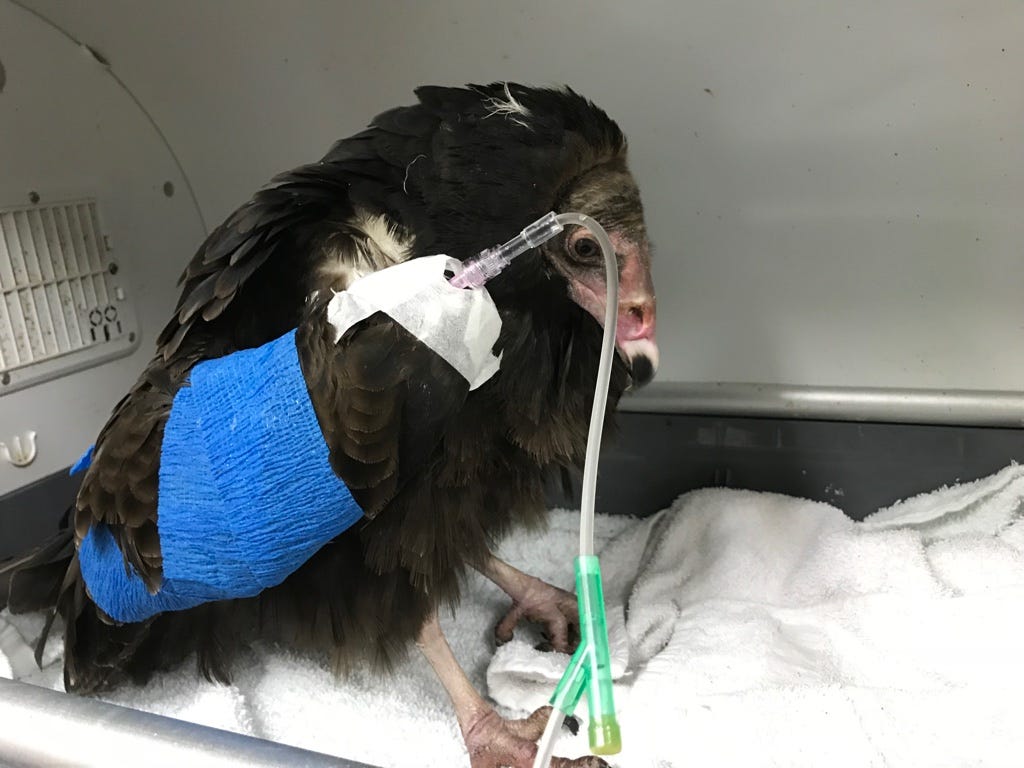
Long-term care for a hurt bird requires patience and careful attention. Healing takes time, and the right care ensures the bird regains strength and health. Feeding alone is not enough; monitoring and preparation for release play critical roles.
Monitoring Recovery Progress
Watch the bird daily for signs of improvement. Check its eyes, feathers, and movement. Healthy birds become more active and alert over time. Note any changes in eating habits or behavior. Keep a simple log to track progress. Seek help from a wildlife expert if recovery stalls or worsens.
Preparing For Release
Release preparation starts once the bird shows strength. Provide opportunities for flight in a safe, enclosed space. Encourage natural behaviors like foraging and flying. Gradually reduce human contact to avoid dependency. Choose a calm, suitable release spot near where the bird was found. Ensure the bird can find food and shelter on its own.
Credit: medium.com
Frequently Asked Questions
What Food Is Best For A Hurt Bird?
Soft, easy-to-digest foods like soaked birdseed, mealworms, or mashed fruits are ideal. Avoid hard seeds or processed foods. Provide fresh water and keep the bird warm and quiet for recovery.
Can I Feed A Hurt Bird Bread Or Milk?
No, bread and milk can harm birds. Bread lacks nutrients and milk may cause digestive issues. Stick to natural bird foods like seeds, fruits, and insects for proper nutrition.
How Often Should I Feed An Injured Bird?
Feed small amounts every 2 to 3 hours. Avoid overfeeding to prevent choking or stress. Monitor the bird’s condition and adjust feeding frequency as it improves.
Should I Give Water To A Hurt Bird?
Yes, always provide fresh, clean water. Hydration is crucial for healing. Use a shallow dish to prevent drowning and gently offer water if the bird is weak.
Conclusion
Caring for a hurt bird requires patience and proper nutrition. Choose soft foods. Bread and milk aren’t suitable. Fresh fruits and seeds work well. Keep the bird hydrated. Clean water is essential. Observe its eating habits closely. Adjust the diet as needed.
Consult a vet if unsure. Good nutrition aids recovery. It helps the bird regain strength. Your efforts can make a big difference. Healing takes time. Be gentle and attentive. Your compassion helps the bird heal. Every little action counts. Thank you for caring for these fragile creatures.
Your help is truly valuable.