
Feeding birds can bring a lot of joy to your outdoor space. Watching colorful birds visit your garden is relaxing and rewarding.
But what happens when unwanted guests like rats and mice show up too? You want to help the birds, not create a problem for yourself. So, how can you feed birds without attracting these pests? You’ll discover simple, effective ways to enjoy your feathered friends safely.
Keep reading to learn how to protect your home while still giving birds the food they love.
Choosing Bird Feeders
Choosing the right bird feeder helps enjoy feeding birds without inviting unwanted guests. The feeder design can stop rats and mice from reaching the food. Careful choice protects your garden and keeps birds safe. Focus on feeders that block rodents effectively.
Types That Deter Rodents
Pick feeders made of metal or hard plastic. These materials are tough for rodents to chew. Look for feeders with small feeding ports. They allow only small birds to access seeds.
- Tube feeders with narrow openings
- Weight-activated feeders that close for heavy animals
- Hopper feeders with enclosed seed storage
- Feeders with built-in baffles to block rodents
Avoid platform feeders that leave seeds wide open. They attract more rodents and waste food.
Placement Strategies
Place feeders at least 5 feet above the ground. Use poles with smooth surfaces to prevent climbing. Add metal baffles below feeders to stop rodents from reaching up. Keep feeders away from trees and fences. Rodents can jump from nearby surfaces.
- Hang feeders on thin wires or cables
- Clear vegetation around feeder poles
- Regularly clean spilled seeds below feeders
These steps reduce rodent access and keep bird food safe. Safe placement supports a healthy bird-feeding area.

Credit: www.providingisloving.co.uk
Selecting Bird Food
Choosing the right food plays a key role in feeding birds safely. The goal is to attract birds without inviting unwanted pests. Picking bird food carefully helps keep rats and mice away. It also supports the health of your feathered friends. Some seeds and foods appeal only to birds, while others can attract rodents. Understanding these differences makes feeding birds easier and cleaner.
Seeds That Attract Birds Only
Certain seeds are loved by birds but ignored by rats and mice. These seeds help feed birds without causing pest problems. Here are some good options:
- Nyjer (Thistle) seeds:Small and rich in oil, perfect for finches.
- Sunflower seeds (black oil):High in fat and easy for birds to crack open.
- Safflower seeds:Birds enjoy them, but rodents avoid the bitter taste.
- Millet:Popular with sparrows and doves, less attractive to rats.
Using these seeds reduces the chance of rodents invading your feeding area. They offer energy and nutrients that birds need.
Foods To Avoid
Some foods attract both birds and rodents. Avoid these to keep pests away:
- Peanuts in shells:Rats love to chew through shells.
- Cracked corn:Easy for mice to eat and store.
- Grains like wheat and barley:Attract many rodents.
- Sugary or sticky foods:Create mess and invite pests.
Removing these foods lowers the risk of rats and mice invading your garden. It helps maintain a cleaner feeding space for birds only.
Feeding Techniques
Feeding birds can be a joy, but it requires care to avoid unwanted visitors like rats and mice. Proper feeding techniques help keep pests away. These methods focus on controlling how and when food is offered. This way, birds get the right amount without leaving excess feed that attracts rodents.
Timing And Frequency
Feed birds in small amounts several times a day. This reduces leftover food on the ground. Remove uneaten food after an hour or two. Avoid feeding late in the evening. Rodents are more active at night and can find the food easily. Regular feeding helps birds learn when to visit. It also limits food availability for rats and mice.
Using Feeding Trays And Stations
Use feeding trays with raised edges to contain seeds. This prevents spillage on the ground. Choose stations with metal or smooth plastic surfaces. These materials are harder for rodents to climb. Place feeders on poles with rodent baffles. Baffles block rats and mice from climbing up. Keep feeders away from walls or fences. This stops rodents from jumping onto the feeders.

Credit: www.providingisloving.co.uk
Maintaining Cleanliness
Keeping your bird feeding area spotless is key to enjoying feathered visitors without unwanted rodent guests. Cleanliness doesn’t just make your space look good—it actively discourages rats and mice from sticking around. Let’s look at simple habits that make a big difference in maintaining a tidy and safe feeding spot.
Regular Cleaning Routines
Set a schedule to clean your bird feeders and the surrounding area often. Old seeds and husks attract rats and mice quickly. Wiping down feeders and sweeping up fallen food every few days can stop pests before they start.
I once ignored spilled seeds under my feeder for a week, and suddenly I had mice exploring my backyard. After I started cleaning twice a week, the visitors were only the birds I wanted. Can you imagine how much less work it is to prevent a problem than to fix one?
Managing Spilled Food
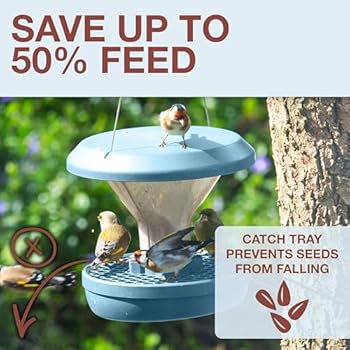
Spilled seeds are like an open invitation to rodents. Use trays or mats under feeders to catch dropped food and make cleanup easier. If you notice seeds on the ground, sweep them up promptly to reduce temptation.
Another trick is to choose feeders designed to minimize spillage. These feeders keep seeds inside and reduce mess significantly. What small change can you make today to limit the food that falls to the ground?
Rodent Prevention Tips
Feeding birds can bring joy and life to your outdoor space. Keeping rats and mice away is key to a safe environment. Rodent prevention helps protect both birds and your home. Simple steps create a clean, inviting feeding area without pests.
Physical Barriers And Guards
Use feeders designed to stop rodents from reaching food. Metal feeders with small openings block mice and rats. Place feeders away from walls and fences where rodents climb. Installing baffles under feeders prevents rodents from climbing up. Store birdseed in sealed metal containers to block access. Clean spilled seeds regularly to avoid attracting rodents. Keep the feeding area tidy and dry to discourage pests.
Natural Deterrents
Certain smells repel rodents without harming birds. Sprinkle peppermint oil or place peppermint-soaked cotton balls near feeders. Plant herbs like mint and rosemary around feeding spots. Cats and owls naturally keep rodent numbers down. Encourage these predators by creating safe habitats. Avoid using poison which can harm birds and pets. Use noise or light deterrents to scare rodents away at night.
Alternative Feeding Options
Choosing the right feeding options helps keep birds happy and pests away. Alternative feeding methods can reduce leftover seeds that attract rats and mice. These options focus on safe, clean, and bird-friendly ways to offer food.
Ground Feeding Considerations
Feeding birds on the ground is popular but risky for attracting rodents. To reduce this risk, clear spilled seeds daily. Use seed trays with raised edges to contain food. Avoid scattering large amounts of seed all over the ground. Choose larger seeds that birds eat quickly, leaving less waste. Keep feeding areas clean to discourage rodents from settling nearby.
Using Suet And Nectar Feeders
Suet and nectar feeders offer birds energy-rich food without excess waste. These feeders hang off the ground, making it harder for rodents to reach. Suet blocks provide fat and protein, attracting many bird species. Nectar feeders suit hummingbirds and orioles, using liquid food that doesn’t spill easily. Regularly clean and refill feeders to maintain bird health and prevent mold. Proper placement away from rodent paths helps keep pests away.

Credit: www.amazon.com
Frequently Asked Questions
How Can I Feed Birds Without Attracting Rats?
Use squirrel-proof feeders and avoid ground feeding. Clean up spilled seeds daily to prevent rats from being attracted.
What Bird Food Is Less Likely To Attract Mice?
Use hulled sunflower seeds and avoid millet or cracked corn. These are less appealing to mice and other rodents.
How Do I Keep My Bird Feeder Area Clean?
Regularly sweep up spilled seeds and husks. Clean feeders weekly with mild soap and water to reduce rodent attraction.
Can Bird Feeders Attract Rats At Night?
Yes, rats are nocturnal and may visit feeders at night. Use rodent-proof feeders and remove leftover seeds before dusk.
Conclusion
Feeding birds can bring joy to any garden. It’s important to do it right. Use bird feeders that are rat-proof. Clean up fallen seeds regularly. Consider using seed mixes that don’t attract rodents. Install feeders away from walls or fences.
Keep your garden tidy. Trim bushes and remove debris. This prevents hiding spots for mice and rats. Enjoy watching your feathered friends. Keep unwanted guests at bay. With these tips, create a safe haven for birds. Your garden remains peaceful and rodent-free.
Happy birdwatching!