
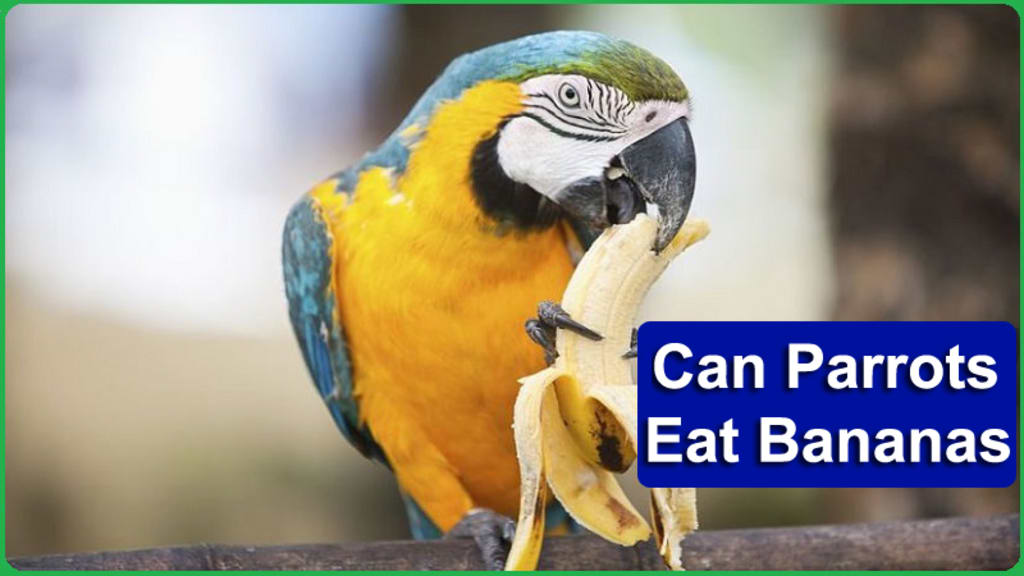
Have you ever wondered if the bananas in your kitchen could be a tasty treat for the birds outside your window? You might be curious if sharing this sweet fruit is safe and healthy for your feathered friends.
Knowing the answer can help you make better choices when feeding birds and keep them happy and thriving. Stick with me to discover everything you need to know about feeding bananas to birds—and why it could be a great addition to their diet.
Credit: besgroup.org
Bananas As Bird Food
Bananas can be a tasty treat for many birds. Their soft texture and sweet flavor attract different bird species. Offering bananas as bird food can add variety to their diet. It is important to understand the benefits and which birds enjoy bananas the most. This knowledge helps in feeding birds safely and effectively.
Nutritional Value Of Bananas
Bananas contain essential nutrients birds need to stay healthy. They have natural sugars that provide quick energy. Bananas are rich in vitamins such as vitamin C and vitamin B6. These vitamins support the bird’s immune system and overall health.
Bananas also contain minerals like potassium and magnesium. Potassium helps with muscle function in birds. Magnesium supports bone strength and metabolism. The fruit’s fiber aids in digestion and keeps the bird’s gut healthy.
Types Of Birds That Eat Bananas
Many fruit-eating birds enjoy bananas. Parrots and parakeets love this sweet treat. They use their strong beaks to peel and eat the fruit easily.
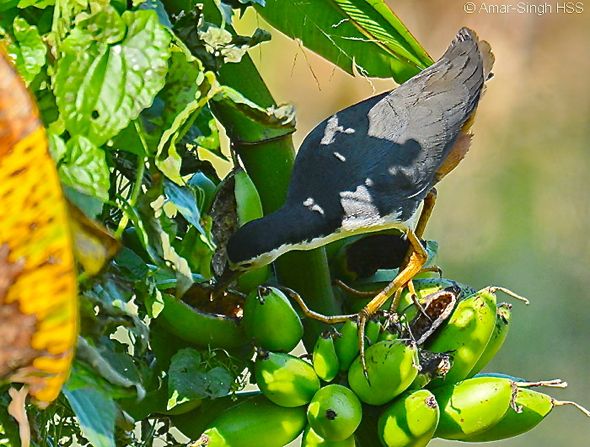
Toucans and fruit doves also consume bananas in the wild. These birds are drawn to the soft texture and natural sugars. Even some wild songbirds like orioles and tanagers can eat bananas.
- Parrots and parakeets
- Toucans
- Fruit doves
- Orioles
- Tanagers
Offering bananas in small pieces helps birds eat safely. Avoid giving large chunks that may cause choking. Bananas are a good addition but should not replace a bird’s regular diet.

Credit: www.youtube.com
Benefits Of Feeding Bananas To Birds
Feeding bananas to birds offers several benefits that can enhance their health and attract a variety of species to your garden. Bananas are not just a tasty treat; they provide essential nutrients that support birds’ daily energy needs and overall well-being. Understanding these benefits can help you make informed choices about what to offer your feathered visitors.
Energy Boost And Vitamins
Bananas are rich in natural sugars like glucose, fructose, and sucrose, which give birds a quick energy boost. This is especially helpful during colder months or migration periods when birds need extra fuel to stay active.
They also contain important vitamins such as Vitamin B6 and Vitamin C. These vitamins support birds’ immune systems and help maintain healthy feathers and skin.
Attracting Various Bird Species
Offering bananas can attract a wide range of birds, from small songbirds to larger species like orioles and tanagers. Many birds are drawn to the sweet taste, making bananas a great option if you want to diversify the types of birds visiting your yard.
Have you noticed certain birds seem to appear only when you put out fruits? Bananas can become a reliable food source that encourages repeat visits from these colorful guests.
Supporting Seasonal Diets
Birds’ dietary needs change throughout the year, and bananas can fill nutritional gaps during seasons when insects or other natural foods are scarce. In late winter or early spring, bananas provide a much-needed source of energy and nutrients.
Adding bananas to your feeding routine can help support birds during these challenging times, increasing their chances of survival and successful breeding.
Potential Risks Of Feeding Bananas
Feeding bananas to birds may seem harmless, but certain risks exist. Birds need a balanced diet to stay healthy. Offering too much banana or the wrong kind can cause problems. Understanding these risks helps keep birds safe and happy.
Overfeeding And Dependency
Bananas are high in sugar and calories. Feeding birds too many bananas may lead to poor nutrition. Birds might stop eating their natural, varied diet. This dependency on bananas can cause health issues over time. Always offer bananas in small amounts as a treat.
Banana Ripeness And Mold Concerns
Unripe or overripe bananas can harm birds. Unripe bananas have starch that is hard to digest. Overripe bananas may grow mold, which is toxic to birds. Mold can cause respiratory and digestive problems. Always check bananas carefully before feeding birds.
Possible Digestive Issues
Some birds have sensitive stomachs. Eating too much banana can cause diarrhea or upset stomach. The high sugar content may lead to obesity or other health problems. Introduce bananas slowly and watch for any signs of discomfort. Healthy digestion is key to a bird’s well-being.
Credit: backyard-farmer.com
Safe Ways To Offer Bananas
Feeding bananas to birds can be a delightful way to add variety to their diet. However, offering bananas safely is essential to protect their health and encourage natural feeding habits. Here’s how you can prepare and serve bananas in ways that birds will enjoy and benefit from.
Preparing Bananas For Birds
Start by selecting ripe bananas that are soft but not overly mushy. Peel the banana carefully to remove any pesticides or dirt from the skin. Cut the banana into small, manageable pieces or slices that birds can easily pick up and eat.
Avoid using brown or overly ripe banana parts, as these can ferment and may upset a bird’s stomach. Freshness matters—serve bananas soon after cutting to keep them safe and tasty.
Best Feeding Practices
Place banana pieces on a clean feeding tray or scatter them on the ground in areas where birds frequently visit. Keep the feeding area dry to prevent mold growth on the fruit. Monitor the feeding spot regularly and remove any uneaten banana to maintain hygiene.
Offer bananas as a treat rather than a staple food to maintain a balanced diet for your feathered friends. Have you noticed how birds flock to fresh fruits during warmer months? Timing your banana offerings with seasonal bird activity can make your feeding efforts more rewarding.
Avoiding Harmful Additives
Never add sugar, salt, or any flavorings to the bananas. Birds have sensitive digestive systems, and additives can cause harm or illness. Use only plain, natural bananas without any coatings or preservatives.
Be cautious with store-bought bananas that may have been treated with chemicals. Washing and peeling thoroughly helps, but sourcing organic bananas can offer extra peace of mind. Are you confident that the fruit you offer is as clean as it can be?
Alternatives To Bananas For Birds
Birds enjoy a variety of foods beyond bananas. Offering diverse options keeps them healthy and happy. Some fruits and natural foods provide essential nutrients birds need daily. Exploring safe alternatives helps you feed birds better.
Other Fruits Birds Enjoy
- Apples (remove seeds before feeding)
- Blueberries
- Strawberries
- Grapes (cut into small pieces)
- Melons like cantaloupe and watermelon
- Pears (seedless pieces)
These fruits are rich in vitamins and antioxidants. Cut fruits into small, manageable pieces. Always remove seeds or pits, as some may harm birds.
Natural Diet Options
- Mixed seeds such as sunflower and millet
- Unsalted nuts like almonds and walnuts
- Fresh vegetables such as peas, corn, and carrots
- Mealworms and other insects for protein
- Sprouted grains for added nutrition
Natural foods mimic birds’ diets in the wild. These options provide energy, protein, and fiber. Avoid processed or salted foods to keep birds safe.
Seasonal Considerations For Feeding
Feeding birds bananas can be a delightful way to attract them to your yard, but timing matters. Birds’ nutritional needs shift with the seasons, and what you offer should reflect those changes. Understanding these shifts helps you support their health and keep your feathered visitors coming back.
Adjusting Bird Diets By Season
In colder months, birds need more energy to stay warm. Their diet should include high-fat foods like nuts and seeds, but bananas can also provide quick sugars for a boost. During spring and summer, birds eat more insects and fresh fruits, so offering bananas suits their natural diet well.
In fall, as birds prepare for migration or winter, they seek calorie-rich foods. Bananas can be part of a varied menu but shouldn’t replace native fruits or seeds. Think about rotating what you feed based on the time of year to match what birds naturally find outside.
Impact On Bird Behavior
Your choice of food affects how birds behave around your feeding spot. In winter, offering bananas might attract a wider variety of birds looking for easy energy. But too much fruit in colder months can spoil quickly, causing waste and fewer visits.
During breeding season, birds focus on protein for raising chicks, so fruits like bananas are less important. Watching how birds respond to your feeding changes can tell you if you’re meeting their needs. Have you noticed which foods bring your favorite birds at different times?
Frequently Asked Questions
Can Birds Safely Eat Bananas?
Yes, birds can safely eat bananas. Bananas provide essential vitamins and minerals. They are a nutritious, natural treat for many bird species.
How Should I Prepare Bananas For Birds?
Peel the banana and cut it into small pieces. Avoid giving banana peel, as it may be hard to digest. Fresh, ripe bananas are best for birds.
Are Bananas Good For Wild Birds?
Bananas are good for many wild birds. They offer energy and nutrients. However, feed bananas in moderation alongside other natural foods.
Can Bananas Harm Birds In Any Way?
Bananas rarely harm birds if given properly. Overfeeding bananas can cause digestive issues. Always offer bananas as part of a balanced diet.
Conclusion
Feeding birds bananas is a healthy choice. They enjoy the sweet taste. Bananas offer essential nutrients for bird health. Always serve in moderation. Cut into small pieces to prevent choking. Watch for any signs of allergies. Every bird species is different.
Observe how your birds react. Fresh fruit is better than processed ones. Keep their diet varied for best results. Offering bananas occasionally keeps birds happy. Enjoy watching them savor this natural treat. Balance is key in their diet. Encourage a natural diet for vibrant, healthy birds.
Your feathered friends will thank you.