
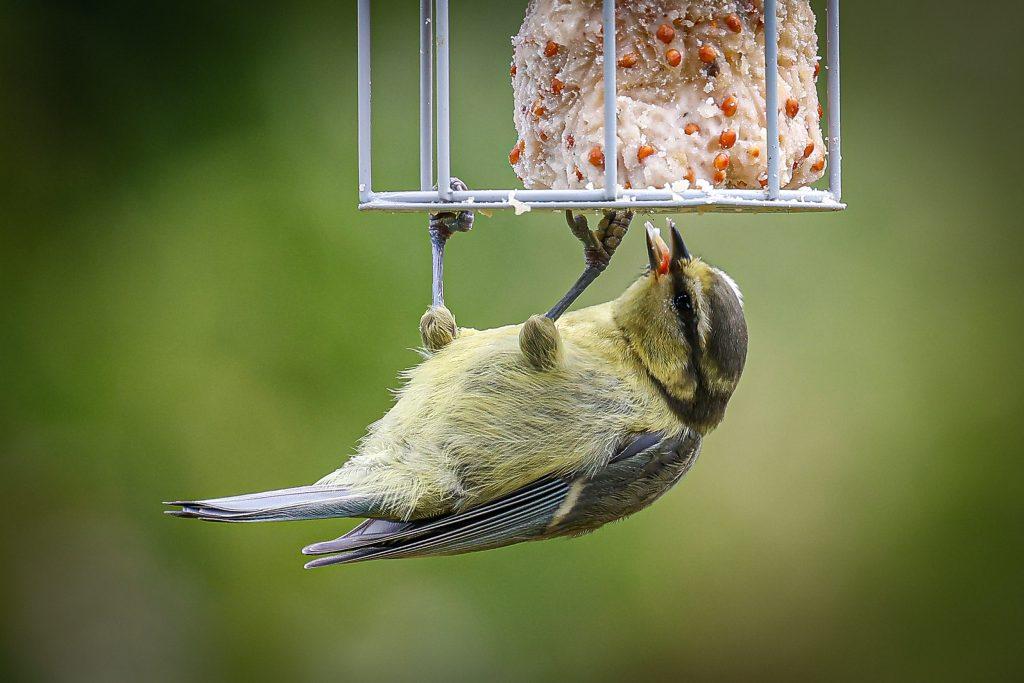
Have you ever wondered what time garden birds feed? Knowing when your feathered visitors are most active can help you enjoy their presence even more.
Imagine catching that perfect moment when colorful birds gather at your feeder, filling your garden with life and movement. You’ll discover the best times to watch and feed garden birds, so you never miss a magical encounter. Keep reading to unlock the secret habits of your backyard friends and make your garden their favorite spot.
Credit: localgardener.net
Daily Feeding Patterns
Understanding the daily feeding patterns of garden birds can help you provide the best support for their needs. Birds don’t feed randomly; they follow specific routines that align with their energy requirements and environmental conditions. Observing these patterns can make your birdwatching more rewarding and help you time your feeding efforts effectively.
Morning Feeding Rush
Most garden birds start their day with a burst of feeding activity just after sunrise. This is when they replenish energy lost overnight and prepare for the day ahead. You’ll notice birds like robins, sparrows, and tits quickly flocking to feeders or foraging on the ground.
If you want to catch this rush, put out fresh food early in the morning. Seeds, suet, and mealworms are popular choices that attract a variety of species during this time.
Afternoon Activity
Feeding slows down as the day progresses, but many birds take short breaks to refuel between other activities like nesting or preening. You might see fewer birds at feeders, but don’t be surprised if some species prefer quieter feeding spots away from busy areas.
Offering water during the afternoon can be just as important as food, especially in warmer weather. Have you noticed birds visiting birdbaths or puddles more often around this time?
Evening Feeding Habits
As daylight fades, birds often have one last feeding session to store energy for the night. This final meal helps them survive colder temperatures and long hours without food. You may see increased activity at feeders just before sunset, especially in colder months.
Try topping up feeders mid-afternoon to ensure food is available for this evening rush. Watching birds gather for this last meal can be a peaceful way to end your day.
Credit: www.richardjacksonsgarden.co.uk
Factors Influencing Feeding Times
Garden birds do not feed at the same times every day. Various factors affect when they come to feed. These factors help birds find food safely and keep their energy up. Understanding these can help you know the best times to watch them.
Weather Conditions
Birds often change their feeding times based on the weather. On cold mornings, they feed early to gain energy. Rain or strong wind can stop birds from feeding. Bright, sunny days make birds active and feed more often.
Seasonal Changes
Seasons affect food availability and bird feeding times. In spring and summer, birds feed early and late. During winter, they feed more during daylight to store fat. Shorter days mean less time to find food, so they adjust their schedule.
Predator Presence
Birds avoid feeding when predators are near. They watch carefully for cats, hawks, and other threats. Feeding times shift to safer moments, like early morning or late afternoon. Safety is a top priority during feeding.
Common Garden Birds And Their Schedules
Knowing when garden birds feed helps you plan the best times to watch them or refill your feeders. Different species have unique schedules shaped by their habits and diet. Understanding these can make your garden a lively spot throughout the day.
Sparrows And Finches
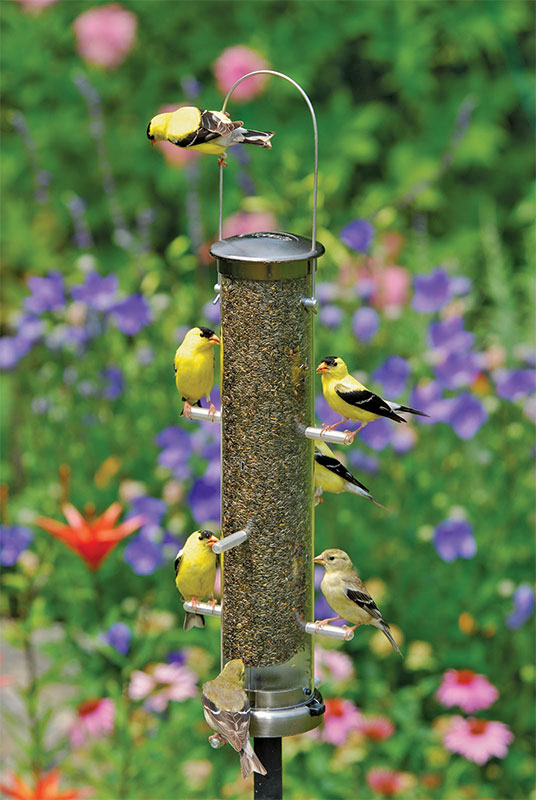
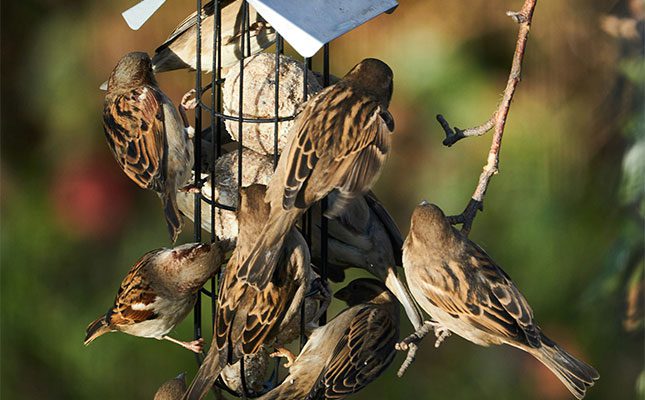
Sparrows and finches are early risers. They usually start feeding just after sunrise, around 6 to 7 AM, taking advantage of the cool morning air and abundant insects. These birds often visit feeders multiple times a day, especially mid-morning and late afternoon.
If you put out seeds early, you’ll likely catch the busiest moments. Sparrows tend to prefer ground feeding, while finches love hanging on feeders to pick seeds. Have you noticed how these birds flock together during feeding? It’s a good sign your garden is a welcoming spot.
Robins And Thrushes
Robins and thrushes are a bit more flexible but often feed from dawn until mid-morning. They enjoy worms and insects, so they’ll hop around your lawn as the ground warms up. Feeding slows down during the heat of the day and picks up again late afternoon.
These birds tend to be more solitary or in pairs while feeding. If you want to attract them, consider leaving some leaf litter or compost where they can find natural food. Ever wondered why robins seem more active after rain? The worms come closer to the surface, making feeding easier.
Woodpeckers And Tits
Woodpeckers and tits have varied feeding times but often show up mid-morning and late afternoon. Woodpeckers spend time on tree trunks searching for insects, while tits hop quickly around feeders and bushes. They are active throughout the day but avoid the hottest hours.
Adding suet feeders or peanuts can attract these birds. Their feeding behavior can seem quite energetic and noisy, adding life to your garden. Have you tried watching a woodpecker’s unique way of feeding? It’s a fascinating glimpse into their survival skills.
Credit: www.farmersweekly.co.za
Tips To Attract Birds During Peak Hours
Attracting garden birds during their peak feeding hours requires a bit of planning and patience. Birds are most active in the early morning and late afternoon, so focusing your efforts around these times can increase your chances of visits. Understanding where to place food, what to offer, and how to maintain feeders can make a big difference in creating a lively, bird-friendly space.
Best Feeding Spots
Choose locations that provide safety and easy access for birds. Place feeders near natural cover like bushes or trees where birds can quickly escape if threatened. Avoid open areas where predators can easily spot them.
Think about sun exposure too. Feeding spots with some morning sunlight warm up quickly, making them attractive on chilly days. Have you noticed how birds prefer perching near shelter rather than out in the open?
Ideal Food Choices
Offer a variety of seeds and foods to attract different bird species. Sunflower seeds are a top favorite for many birds because of their high energy content. Adding peanuts, suet, or mealworms can bring in insect-eaters and woodpeckers.
Keep the food fresh and clean to avoid spreading diseases. Have you tried mixing seeds with fresh fruit pieces like apple or berries? Many birds appreciate the extra moisture and nutrients.
Using Bird Feeders Effectively
Use feeders that suit the types of birds you want to attract. Tube feeders work well for small songbirds, while platform feeders are good for larger birds. Hanging feeders should be secure to prevent swinging in the wind.
Clean feeders regularly to prevent mold and bacteria buildup. Rotate feeder locations occasionally to keep birds curious and prevent the buildup of droppings under one spot. How often do you check your feeders for cleanliness?
Observing And Recording Bird Feeding
Observing and recording garden birds as they feed can transform your backyard into a lively classroom. Paying close attention to the times birds visit your feeders reveals their habits and helps you support them better. Recording these moments sharpens your understanding and makes birdwatching more rewarding.
Setting Up A Feeding Diary
Start by choosing a simple notebook or a digital document to note down bird feeding times. Record the species, time of arrival, and the type of food they prefer. Jotting down weather conditions can also help you see patterns over days or weeks.
Try to observe at different times: early morning, late afternoon, and even midday. This gives a fuller picture of their feeding schedule. You might notice some species visit only at dawn, while others prefer the afternoon.
Using Technology For Tracking
Smartphones and apps can make tracking bird feeding easier and more accurate. Use apps designed for birdwatching to log sightings with timestamps and even photos. Motion-activated cameras or feeders with sensors offer hands-free monitoring, capturing data when you’re not watching.
These tools help you gather precise information without disturbing the birds. You can compare data over weeks to find consistent feeding patterns. Have you tried using any tech in your garden? It might surprise you how much you learn.
Interpreting Feeding Behaviors
Noticing when birds feed is just the start; understanding why they feed at certain times is key. Early morning visits often mean birds need energy after a cold night. Midday feeding might occur when insects are less active, pushing birds to rely on seeds or feeders.
Watch for changes in behavior during seasons or weather shifts. A sudden drop in visits could signal food scarcity or disturbance nearby. What could your garden birds be telling you through their feeding habits?
Frequently Asked Questions
What Time Do Garden Birds Usually Start Feeding?
Garden birds typically start feeding at dawn, around sunrise. This time offers cooler temperatures and abundant early insects and seeds.
When Is The Peak Feeding Time For Garden Birds?
Peak feeding occurs in the early morning and late afternoon. Birds feed most actively during these cooler parts of the day.
How Long Do Garden Birds Feed Each Day?
Most garden birds feed intermittently throughout daylight hours. They spend several hours daily gathering food for energy and survival.
Do Garden Birds Feed At Night?
Garden birds rarely feed at night as they rely on daylight to find food. Nocturnal birds have different feeding habits.
Conclusion
Feeding times for garden birds vary with seasons and daylight. Early mornings often see the most activity. Birds search for food after a long night. Evening hours also attract them, especially in colder months. Providing consistent food helps maintain their visit.
Use feeders and bird baths to attract diverse species. Understanding these patterns enhances bird-watching experiences. A simple routine can make your garden a bird haven. Keep a journal to track bird visits. Enjoy the beauty and songs they bring. Happy bird watching!