
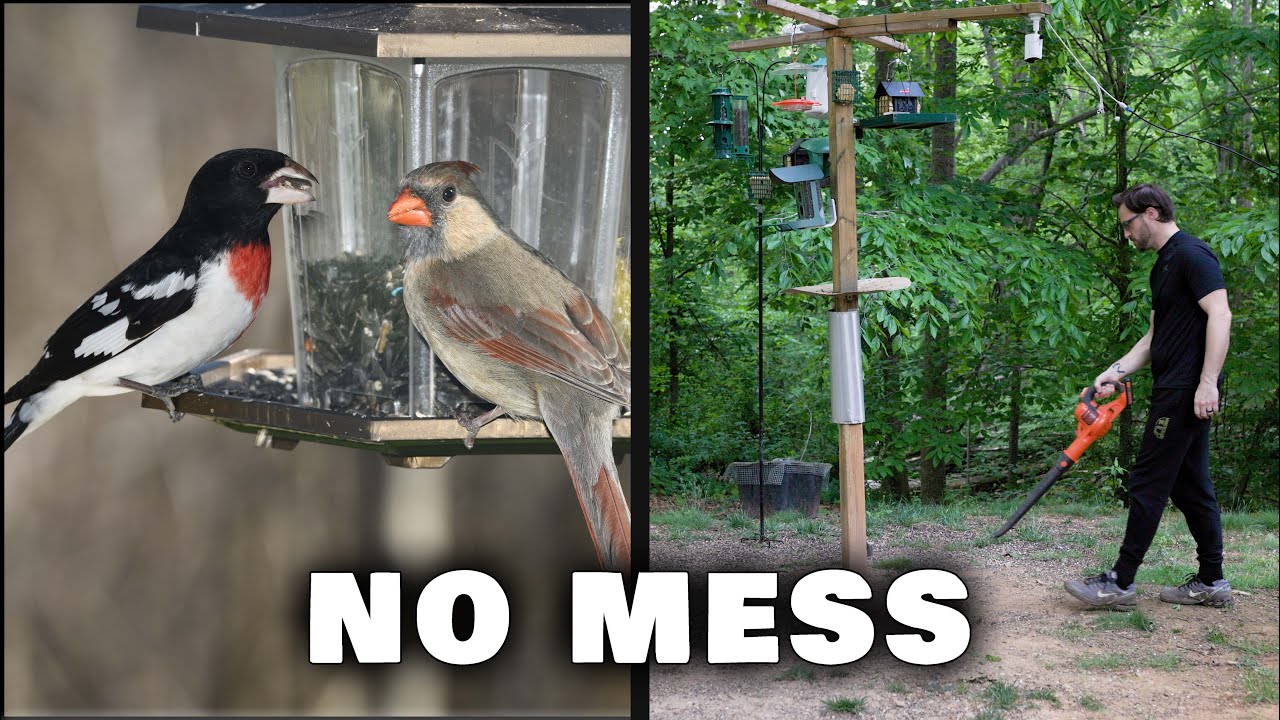
Are you tired of bird feeders that leave your porch covered in seeds and mess? Imagine enjoying the beauty of birds visiting your yard without the hassle of constant clean-up.
You can easily create a no mess bird feeder yourself with simple materials and a few easy steps. This DIY project not only keeps your space tidy but also attracts more birds to your outdoor haven. Keep reading, and you’ll discover how to make a bird feeder that’s both practical and perfect for your home.
Choosing The Right Materials
Choosing the right materials is key to building a no mess bird feeder that lasts and keeps your outdoor space clean. The materials you pick affect not only the feeder’s durability but also how easy it is to maintain. Think about what will hold up against weather, protect the birdseed, and stay safe for the birds visiting your feeder.
Safe And Durable Options
Look for materials that won’t harm birds or degrade quickly. Hardwood like cedar or redwood is a great choice because it naturally resists rot and insects without toxic chemicals.
Plastic can work if it’s thick and UV-resistant, but avoid thin, brittle types that crack easily. Metal feeders made from stainless steel or aluminum also stand up well to weather and are easy to clean.
Have you noticed how some feeders fall apart after a season? Choosing sturdy materials means you spend less time fixing and more time enjoying the birds.
Eco-friendly Choices
Using recycled or natural materials helps reduce waste while creating a safe environment for birds. Bamboo is a fantastic sustainable option; it’s strong, lightweight, and naturally weather-resistant.
Consider repurposing items like old wooden crates or glass jars. These give your feeder a unique look and keep items out of landfills.
Would you rather buy something new or give an old item a second life? Sometimes the best bird feeders come from simple, eco-friendly ideas you already have at home.
Designing A Mess-free Feeder
Designing a mess-free bird feeder is all about smart choices and thoughtful details. You want to enjoy watching birds without the hassle of scattered seeds littering your yard. Focusing on specific design elements can save you time cleaning and keep your outdoor space tidy.
Features To Prevent Seed Spillage
Start with a feeder that offers covered seed compartments. A roof or lid keeps rain from soaking the seeds and birds from scattering them everywhere.
Look for seed ports with small openings. These control the amount of seed birds can access at once, reducing spills.
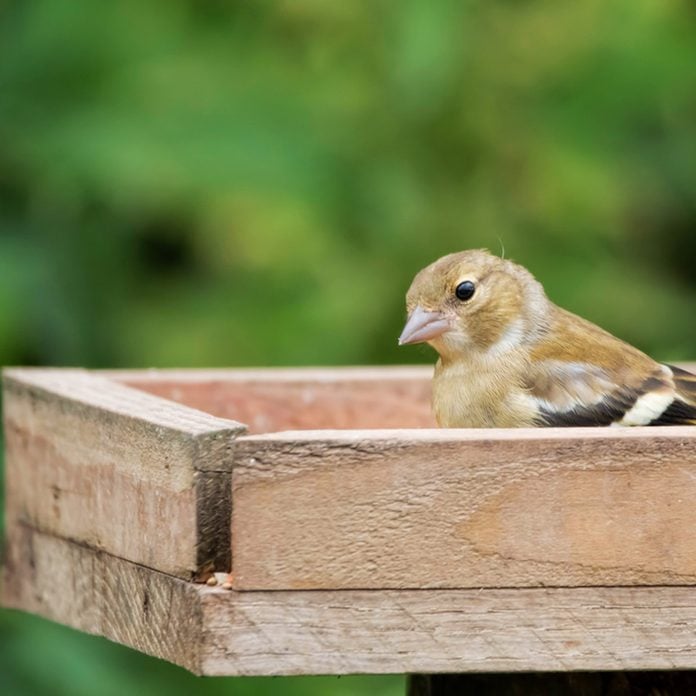
Adding seed trays with raised edges catches any dropped seeds before they hit the ground. Some trays even have a mesh bottom so debris falls through while seeds stay put.
- Use feeders with deep seed reservoirs to minimize overflow.
- Include perches positioned to discourage birds from flapping and spilling seeds.
- Consider weight-activated ports that close when heavier animals like squirrels try to steal the seeds.
Easy Cleaning Design Tips
Choose materials that resist mold and mildew, such as metal or sturdy plastic. These are easier to scrub and dry quickly.
Make sure the feeder disassembles easily. Removable parts let you reach every corner for thorough cleaning.
Think about feeders with smooth surfaces and minimal crevices. Dirt and seed debris can hide in tiny cracks, making cleaning a chore.
- Design feeders with drainage holes to prevent water buildup.
- Avoid using paints or finishes that chip off and trap dirt.
- Opt for simple shapes rather than intricate designs that collect grime.
Have you noticed how often bird feeders become dirty and clogged? Designing with cleaning in mind will keep your feeder inviting for birds and stress-free for you.
Step-by-step Building Process
Building your own no-mess bird feeder might seem tricky at first, but breaking it down into clear, manageable steps makes it surprisingly simple. You’ll get a hands-on experience that not only saves money but also creates a practical, clean solution for feeding birds. Ready to dive in? Let’s go through the process together, ensuring you have everything needed to make your project a success.
Gathering Tools And Supplies
Before starting, gather all the materials and tools to avoid interruptions. You’ll need a plastic bottle (preferably a sturdy one), a pair of scissors or a craft knife, some wooden spoons or small dowels, and birdseed specifically designed to minimize mess.
Don’t forget a marker to mark where you’ll cut and some string or wire for hanging the feeder. Having everything at hand helps keep your momentum going and reduces frustration. What’s your favorite spot to hang a feeder? Keep that in mind while choosing materials.
Assembly Instructions
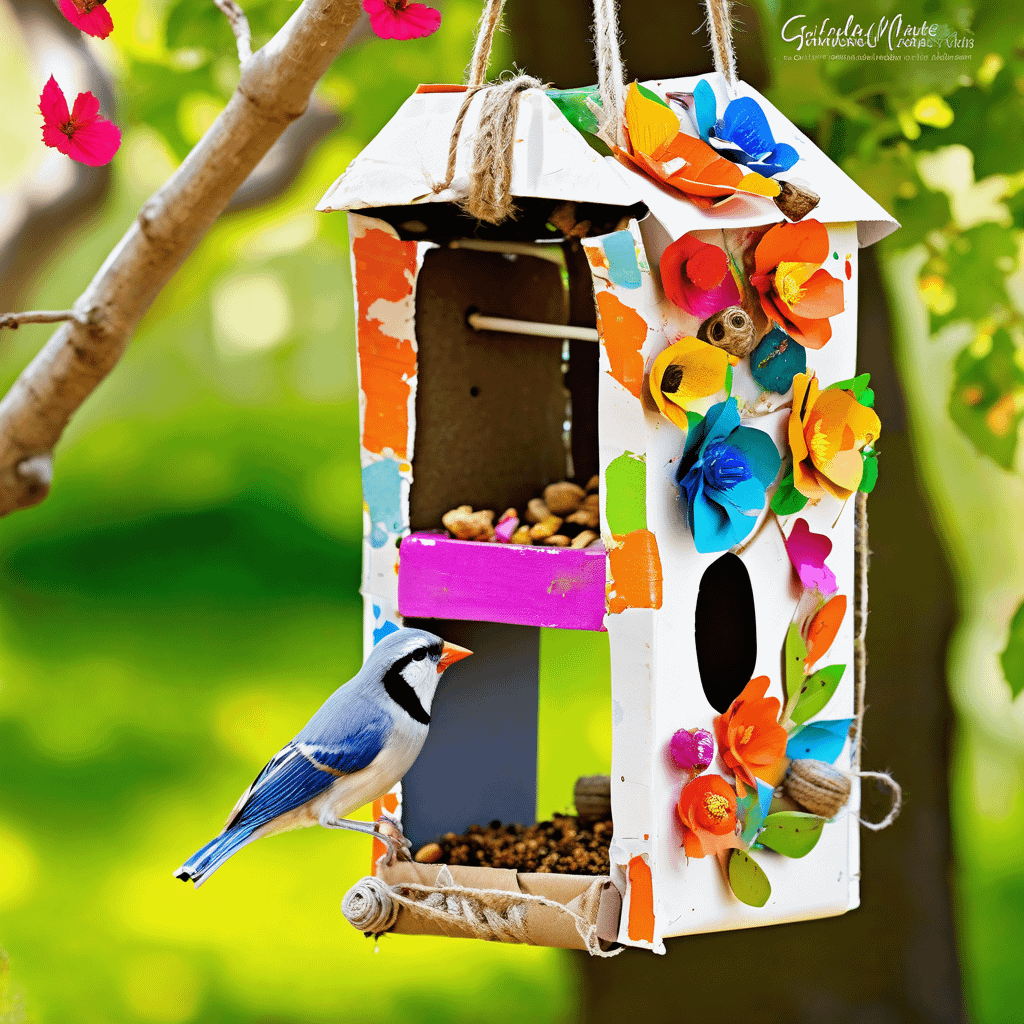
Start by cutting small holes on opposite sides of the bottle, just big enough for the wooden spoons to fit through. These holes should be close to the bottom so the birdseed can flow out onto the spoon’s scoop. Be careful with the cutting tool; sharp edges can be dangerous for birds and you.
Next, insert the wooden spoons through the holes, ensuring the spoon ends stick out enough to hold the seeds. Pour in the birdseed through the bottle’s opening, then close it tightly. The seed will gradually fill the spoon scoops, giving birds a clean spot to eat without spilling everywhere.
Finishing Touches
Attach a sturdy string or wire loop around the bottle’s neck for easy hanging. If you want, paint or decorate the feeder to match your garden style, but avoid using toxic paints. Hang your feeder in a sheltered spot to protect it from strong winds and rain, which helps keep the seeds dry and mess-free.
Check the feeder regularly to refill and clean it if needed. A clean feeder attracts more birds and keeps them healthy. Have you thought about how easy cleanup can encourage you to keep feeding year-round?
Credit: magickidslearning.com
Selecting Bird Seed For Clean Feeding
Selecting the right bird seed plays a big role in keeping your feeder clean. The seed choice affects how much waste falls to the ground. Some seeds attract more birds but create more mess. Others stay in place and reduce leftover shells and husks. Choosing the proper seed helps keep your yard tidy and makes feeding easier for birds.
Best Seeds For Minimal Waste
- Sunflower seeds, especially black oil types, attract many birds and have thin shells.
- Nyjer (thistle) seeds are small and less likely to spill or create mess.
- Safflower seeds are good for clean feeding and less favored by squirrels.
- Peanuts, shelled or in pieces, provide protein without much hull waste.
Avoiding Messy Seed Types
- Millet can scatter easily and leave many husks on the ground.
- Cracked corn often spills and attracts unwanted pests.
- Mixed seed blends contain hulls that birds discard, causing litter.
- Large seeds with thick shells create more leftover debris.
Maintaining Your Bird Feeder
Maintaining your no mess bird feeder keeps birds safe and attracts more visitors. Clean feeders stop mold and bacteria from growing. Regular care extends the life of your feeder and keeps seeds fresh. Simple habits make a big difference in your backyard bird watching.
Regular Cleaning Routine
Clean the bird feeder every two weeks. Use warm water and mild soap. Rinse well to remove all soap. Let it dry completely before refilling. Remove old seeds to prevent mold and pests. Check for cracks or damage during cleaning. Replace parts if needed to keep the feeder safe.
Troubleshooting Common Issues
Birds not visiting? Try moving the feeder to a quieter spot. Seeds spilling out? Adjust the feeder design or tighten parts. Ants or squirrels getting in? Use barriers or baffles to block them. Wet seeds? Cover the feeder or improve drainage. Regular checks help catch problems early and keep birds happy.

Credit: www.familyhandyman.com
Attracting Birds To Your Feeder
Attracting birds to your no mess bird feeder requires more than just filling it with seed. The right location and thoughtful additions can make your feeder a favorite spot for local birds. Understanding what draws birds will help you enjoy more visitors and create a lively backyard scene.
Placement Tips
Where you place your feeder can make a big difference in how many birds visit. Choose a spot that is visible from your window so you can watch the action comfortably. Avoid areas too close to busy walkways or noisy equipment that might scare birds away.
Position the feeder near natural cover like shrubs or trees. Birds feel safer when they have a quick escape route if predators appear. But don’t put it too close—about 3 to 6 feet away is ideal—to prevent squirrels from jumping onto it.
Think about the sun and wind, too. A feeder with morning sun can warm birds up and dry seeds quickly after rain. A sheltered spot helps keep the feeder dry and reduces seed spoilage, keeping your feeder cleaner longer.
Additional Bird-friendly Features
Adding water nearby can attract more birds. A simple birdbath or shallow dish filled with fresh water invites birds looking to drink or bathe. Moving water, like a small fountain, can catch their attention even more.
Consider planting native flowers or bushes that provide natural food and shelter. These plants attract insects and produce berries, giving birds extra reasons to visit your yard. You’ll notice more species when you create a welcoming habitat around your feeder.
Offer a variety of seeds suited to local birds. Some birds prefer sunflower seeds, while others like nyjer or millet. Mixing seeds and keeping your feeder clean will encourage a diverse group of feathered friends to stop by regularly.
Credit: www.familyhandyman.com
Frequently Asked Questions
What Materials Do I Need For A No Mess Bird Feeder Diy?
You need a plastic bottle, wooden spoons, birdseed, string, and a sharp knife. These materials are affordable and easy to find for a no mess bird feeder.
How Do I Prevent Birdseed Spillage In Diy Feeders?
Use containers with small feeding holes or spoons to hold seeds. This design limits seed waste and keeps the area clean, reducing mess around your feeder.
Can I Make A No Mess Bird Feeder For Small Birds?
Yes, design small feeding ports and use lightweight materials. This attracts small birds while minimizing seed spillage and mess in your garden.
How Often Should I Clean A Diy Bird Feeder?
Clean the feeder every two weeks to prevent mold and bacteria. Regular cleaning keeps birds healthy and maintains the feeder’s effectiveness and cleanliness.
Conclusion
Creating a bird feeder can be simple and fun. No mess, no fuss. Just a few easy steps. Enjoy watching birds flock to your garden. They love homemade feeders. You can get creative with designs. Use materials you already have.
This helps the environment too. Plus, it’s a great family activity. Everyone can join in. Start today and see the difference. Birds bring joy and life to your yard. So, make your feeder and sit back. Enjoy the beauty of nature at home.
Happy bird watching!