
If you love watching wild birds visit your garden, you might wonder how to attract even more feathered friends. Feeding oranges to wild birds is a simple way to bring vibrant colors and lively sounds right to your backyard.
But how do you do it safely and effectively? You’ll discover easy tips backed by science to make sure your orange treats are both delicious and healthy for your winged visitors. Keep reading to learn how you can turn your outdoor space into a lively haven for wild birds with just a few slices of orange.
Benefits Of Oranges For Wild Birds
Oranges offer more than just a burst of color in your garden; they provide real benefits for wild birds. Feeding oranges to birds can boost their health and invite a variety of species to your backyard. Understanding these benefits helps you create a bird-friendly space that supports local wildlife.
Nutritional Value
Oranges are packed with essential nutrients that wild birds need, especially during colder months. They contain high levels of vitamin C, which supports the immune system and helps birds fight off illnesses.
Besides vitamins, oranges supply natural sugars and hydration, giving birds a quick energy boost. Their fiber content also aids digestion, making oranges a well-rounded snack for many bird species.
Attracting Different Bird Species
Offering oranges can attract a diverse range of birds to your feeder or garden. Species like orioles, tanagers, and woodpeckers are particularly drawn to the sweet, juicy fruit.
You might notice these birds visiting more frequently once you add oranges to your feeding routine. Have you ever watched a woodpecker carefully pecking at an orange? It’s a fascinating sight that shows how this fruit appeals to different feeding habits.
By providing oranges, you create a natural way to observe unique bird behaviors and increase the variety of visitors to your outdoor space.

Credit: stockbridgecommunitynews.com
Choosing The Right Oranges
Choosing the right oranges is key to safely feeding wild birds. Not all oranges offer the same benefits or safety for birds. Some types are better suited for their diet and easier for birds to eat. Picking the best oranges helps attract more birds and supports their health.
Types Suitable For Birds
Birds enjoy sweet, juicy oranges with soft flesh. Navel oranges are ideal because they have no seeds and a thick peel. Valencia oranges also work well, providing plenty of juice and easy access to the fruit. Blood oranges can be given, but their flavor is stronger and less popular with some birds.
- Navel oranges: seedless and easy to peel
- Valencia oranges: juicy with thin skin
- Blood oranges: less common, stronger taste
Organic Vs. Conventional
Organic oranges are safer for birds because they have fewer pesticides. Birds are sensitive to chemicals on fruit skin. Conventional oranges might carry pesticide residue that can harm birds. Washing oranges thoroughly reduces risk but does not remove all chemicals. Organic fruit supports bird health better and is a safer choice.
Preparing Oranges For Birds
Preparing oranges for wild birds is a simple process that ensures the fruit is both safe and appealing for them. Taking a little time to clean and cut the orange properly can make a big difference in attracting a variety of birds to your backyard. How you serve the orange also impacts the birds’ ability to enjoy it without harm.
Cleaning And Cutting
Start by rinsing the orange under cool, running water to remove any dirt or pesticides. Avoid using soap or chemicals, as these can be harmful to birds.
Next, slice the orange into manageable pieces. Cutting into halves or quarters works well, but smaller segments can be easier for small birds to handle.
Removing seeds is a good idea since some seeds might be difficult for birds to digest or could pose a choking risk. You don’t need to peel the orange; the skin is safe and provides additional texture and nutrients.
Safe Serving Methods
Place the orange pieces on a flat platform feeder or use a mesh fruit feeder to hang them from a tree. This keeps the fruit off the ground, reducing the risk of contamination from dirt or predators.
Avoid leaving large chunks out for long periods, especially in hot weather, as the fruit can spoil quickly and attract unwanted pests. Refresh the orange offerings every day to keep the feeding area clean and inviting.
Consider pairing orange slices with other bird-friendly foods like sunflower seeds or suet nearby to create a diverse feeding station. Have you noticed how birds prefer different textures and tastes? Offering variety can increase your chances of seeing more species visit your garden.
Credit: therivermile.org
Best Feeding Techniques
Feeding wild birds with oranges requires careful techniques. Proper methods ensure birds safely enjoy the fruit. Good feeding practices also protect the environment and birds’ health. Use simple ways to offer oranges effectively. This helps attract more birds and keeps them healthy.
Using Feeders
Choose feeders that hold orange slices firmly. Mesh feeders work well for citrus fruits. They let birds peck the orange easily. Avoid metal feeders that may rust from fruit juice. Clean feeders regularly to prevent mold and bacteria. Place feeders where birds feel safe from predators. Hang feeders at eye level or higher. This makes feeding easy for different bird species.
Placing Oranges In Natural Settings
Place orange halves on tree branches or logs. Use shallow dishes to hold orange slices on the ground. Avoid spots where rain collects and rots the fruit. Place oranges near shrubbery for quick bird cover. Spread fruit in several areas to reduce crowding. Check fruit daily and replace any spoiled pieces. This keeps the feeding area clean and healthy for birds.
Seasonal Considerations
Feeding wild birds with oranges requires attention to seasonal changes. Birds’ needs differ across the year. Understanding these changes helps provide the best nutrition and care. Seasonal considerations improve bird health and attract more visitors to your feeder.
Feeding In Winter
Winter is a tough time for wild birds. Natural food is scarce. Oranges offer a good source of vitamins and water. Place orange slices in sheltered areas to prevent freezing. Hang oranges near evergreen branches to protect from wind. Keep the feeding spots clean to avoid mold growth. Birds like the sweet juice and bright color, making oranges a winter favorite.
Summer Feeding Tips
Summer brings heat and abundant natural food. Oranges can still attract birds by providing hydration. Cut oranges into smaller pieces to prevent spoilage. Offer fresh fruit daily and remove old pieces quickly. Place feeding stations in shaded areas to keep fruit fresh. Watch for insects attracted to the fruit and maintain cleanliness. Summer feeding supports birds during dry spells when water is limited.
Credit: therivermile.org
Avoiding Common Feeding Mistakes
Feeding oranges to wild birds can be a delightful way to observe nature up close. However, avoiding common feeding mistakes is crucial to keep the birds healthy and your outdoor space safe. Simple missteps might harm birds or attract unwanted visitors, so understanding what to avoid can make your feeding efforts more successful and enjoyable.
Overfeeding Risks
Giving birds too many oranges can upset their natural diet balance. Birds need a variety of foods to get all the nutrients they require, so relying heavily on oranges might cause nutritional gaps.
Overfeeding can also lead to spoiled fruit, which attracts bacteria and mold harmful to birds. Have you noticed how fruit left out too long becomes a problem? Regularly check the fruit and remove any that start to rot.
Keep the portions small and offer oranges occasionally rather than daily. This helps maintain the birds’ health and encourages them to forage naturally.
Preventing Pest Attraction
Orange slices left uncovered can attract pests like ants, wasps, and even rodents. These visitors not only disturb the birds but can also create hygiene issues around your feeding area.
To prevent this, place oranges in a feeder designed to limit access to non-bird animals. You might also try hanging orange halves on branches using string, which keeps them off the ground and away from crawling insects.
Have you tried cleaning your feeding spot regularly? Removing leftovers and wiping feeders down helps reduce pest problems and keeps your bird visitors safe and happy.
Additional Tips For Bird Feeding
Feeding wild birds with oranges is a delightful way to attract vibrant feathered friends to your garden. To make your bird feeding efforts more effective and enjoyable, consider some additional tips that enhance both the experience for the birds and your success in attracting diverse species. These tips help maintain bird health and keep your feeding area inviting and safe.
Combining Oranges With Other Foods
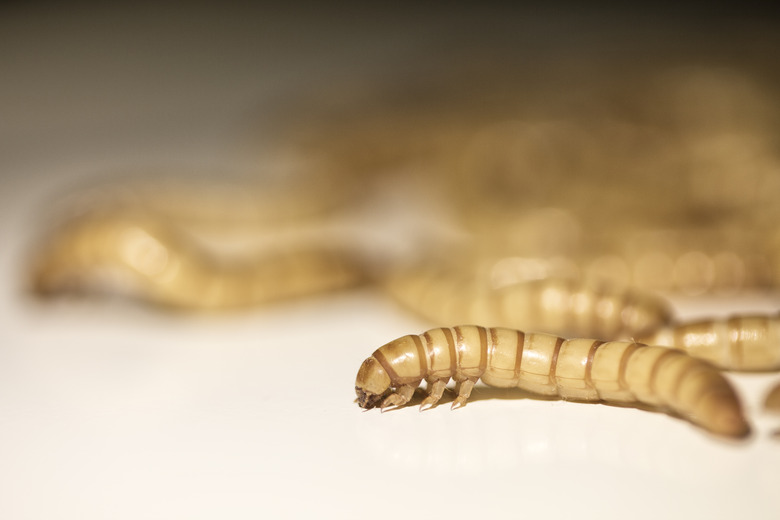
Oranges provide birds with vitamin C and moisture, but mixing their diet can attract a wider variety of species. Try pairing orange slices with sunflower seeds, suet, or mealworms to offer a balanced meal. This variety helps birds get different nutrients they need throughout the year.
Have you noticed that some birds prefer seeds while others go for fruit? Providing multiple food options encourages more birds to visit your feeding station. You might even spot new species you haven’t seen before.
Maintaining Clean Feeding Areas
Keeping your feeding area clean is crucial to prevent the spread of diseases among birds. Remove any old or moldy fruit regularly and wash feeders with warm, soapy water every week. This simple step protects your feathered visitors and keeps them coming back safely.
Have you ever seen birds avoid a feeder? It could be because it’s dirty or smells bad. Clean feeders not only attract more birds but also show your care for their well-being.
Frequently Asked Questions
How Do Wild Birds Eat Oranges Safely?
Wild birds eat oranges by pecking at the fruit’s flesh. Remove seeds and slice the orange to make it easy for birds. Avoid feeding moldy or spoiled oranges to protect bird health.
Can All Wild Birds Eat Oranges?
Most fruit-eating birds enjoy oranges, including orioles and tanagers. However, some birds prefer seeds or insects. Always observe local species and offer oranges in moderation to avoid dietary imbalance.
What’s The Best Way To Feed Oranges To Birds?
Cut oranges into halves or slices and hang them on a feeder or tree branch. Ensure the fruit is fresh and replace it regularly to prevent spoilage and attract birds.
Are Oranges Nutritious For Wild Birds?
Oranges provide vitamin C, hydration, and natural sugars. These nutrients support bird energy and immune health. However, oranges should complement, not replace, natural food sources.
Conclusion
Feeding wild birds oranges adds variety to their diet. It’s simple and rewarding. Choose fresh, ripe oranges. Cut them into slices or halves. Place them on feeders or branches. Birds like orioles and finches love sweet fruit. Watch their delightful visits.
Always keep feeders clean. This prevents mold and disease. Enjoy the cheerful chirping and vibrant colors. Feeding birds helps connect with nature. Plus, it supports local bird populations. Make your backyard a welcoming haven. Happy bird watching!