
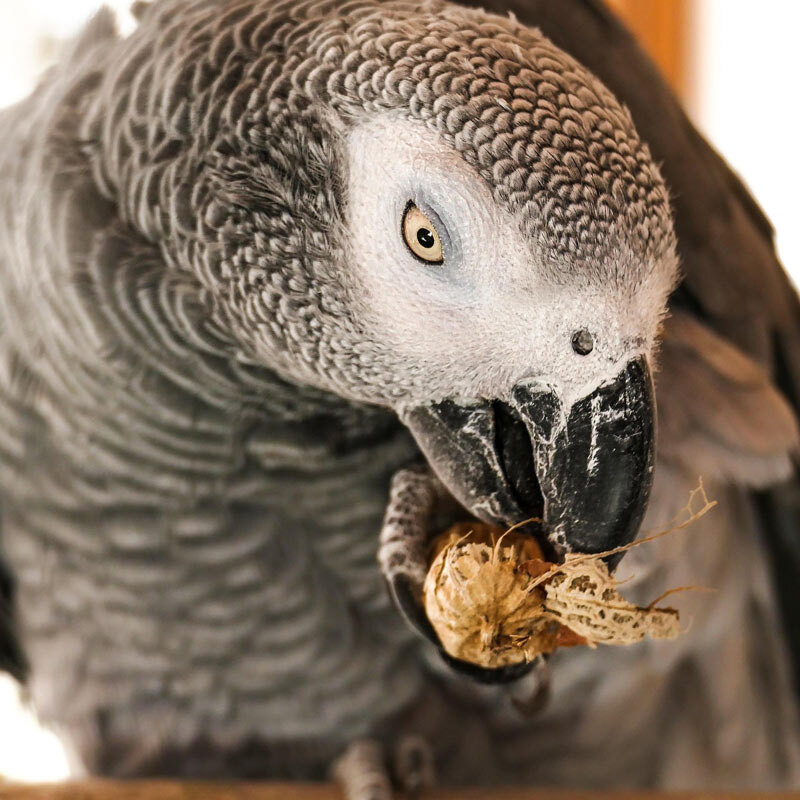
Have you ever wondered if it’s okay to feed birds cereal? You might have some leftover flakes or crumbs and feel like sharing a snack with your feathered friends.
But before you toss that bowl outside, it’s important to know what’s really good for them. Feeding birds the wrong food can harm their health or even stop them from finding natural meals. Keep reading to find out if cereal is a safe choice and how you can help birds thrive while enjoying your time watching them.

Credit: happygardens.com
Can Birds Eat Cereal?
Birds often enjoy a variety of foods beyond seeds and nuts. Cereal is a common household item that many wonder about sharing with birds. Understanding which cereals are safe and which are not helps keep birds healthy and happy.
Types Of Cereal Safe For Birds
Some cereals can be a good occasional snack for birds. Plain cereals without added sugar or salt are best. Examples include:
- Oatmeal (plain, cooked or raw)
- Plain cornflakes
- Unsweetened shredded wheat
- Rice cereal without flavoring
These cereals provide some energy and fiber without harmful ingredients. Offer small amounts to avoid digestive issues.
Cereals To Avoid
Many cereals contain sugar, salt, or artificial ingredients harmful to birds. Avoid feeding:
- Sugary cereals like frosted flakes or fruity varieties
- Chocolate-flavored cereals (toxic to birds)
- Granola with nuts, dried fruit, or honey
- Cereal with added salt or preservatives
These ingredients can cause health problems like obesity, poisoning, or digestive upset. Always check labels before offering cereal to birds.

Credit: www.reddit.com
Nutritional Value Of Cereal For Birds
Cereal is a common snack for humans, but is it good for birds? Understanding the nutritional value of cereal helps answer this question. Birds need a balanced diet with essential nutrients. Cereal offers some nutrients but also has drawbacks. Let’s explore the vitamins, minerals, sugar, and additives in cereal to see how they affect birds.
Vitamins And Minerals
Some cereals contain vitamins like B-complex and iron. These vitamins help birds with energy and red blood cell production. Minerals such as calcium and magnesium support bone health and muscle function. Fortified cereals may have added nutrients that benefit birds. However, plain cereals often lack the variety birds need. Whole grain cereals provide more fiber, which aids digestion. Still, cereal alone cannot supply all essential nutrients for birds.
Sugar And Additives Impact
Many cereals have high sugar content. Excess sugar can harm birds by causing obesity and digestive problems. Artificial colors and flavors may irritate birds’ systems. Additives like preservatives can be toxic or hard to digest. Birds evolved to eat seeds, fruits, and insects, not processed foods. Feeding sugary or highly processed cereal can lead to health issues. Always check labels and avoid cereals with many additives or sweeteners.
Potential Risks Of Feeding Cereal
Feeding cereal to birds might seem harmless, but it carries risks. Birds have different digestive systems than humans. Certain cereals can upset their stomachs and cause harm. Understanding these risks helps keep birds safe and healthy.
Digestive Issues
Cereal often contains sugars and additives that birds cannot digest well. These ingredients may cause stomach pain or diarrhea. Birds may refuse to eat natural foods after getting used to cereal. Digestive problems can weaken birds and lead to serious illness.
Obesity And Health Problems
Many cereals are high in calories and sugars. Feeding cereal regularly can cause birds to gain unhealthy weight. Obesity in birds leads to heart problems and joint pain. It also lowers their ability to fly and escape predators. Birds need a balanced diet to stay strong and active.
Best Practices For Feeding Birds
Feeding birds can be a joyful activity that brings nature closer. Knowing the best practices ensures their health and safety. Birds need the right foods and amounts to stay strong and active. Careful feeding also helps prevent common problems like obesity or digestive issues. Let’s explore how to feed birds wisely.
Portion Control
Offering small portions keeps birds healthy and prevents waste. Too much food can attract pests or cause illness. A handful of cereal or seeds each day is enough for most birds. Observe how quickly they eat and adjust portions accordingly. Clean leftover food regularly to avoid mold or bacteria growth. Fresh food encourages birds to visit often and stay fit.
Alternative Healthy Treats
Cereal is not always the best choice for birds. Many cereals have added sugar or salt, which harm birds. Choose natural, bird-safe treats instead. Examples include:
- Sunflower seeds
- Unsalted nuts
- Fresh fruits like apples or berries
- Mealworms for protein
- Oats or plain grains
These options provide essential nutrients without harmful additives. Offering variety keeps birds interested and nourished. Always avoid chocolate, bread, or anything processed for their safety.
Expert Recommendations
Experts suggest caution when feeding birds cereal. Not all cereals are safe or healthy for birds. Choosing the right time and preparation method is important. Proper feeding supports bird health and encourages natural foraging habits.
When To Offer Cereal
Offer cereal only as an occasional treat, not a regular meal. Birds need a balanced diet with seeds, fruits, and insects. Use cereal during colder months when natural food is scarce. Avoid cereal in hot weather to prevent spoilage. Offer cereal in small amounts to avoid overfeeding.
How To Prepare Cereal For Birds
Choose plain, unsweetened cereals without added sugar or salt. Break cereal into small pieces suitable for the bird species. Soften dry cereal with water to make it easier to eat. Avoid cereals with artificial flavors, colors, or chocolate. Place cereal on clean surfaces or feeders to keep birds safe.
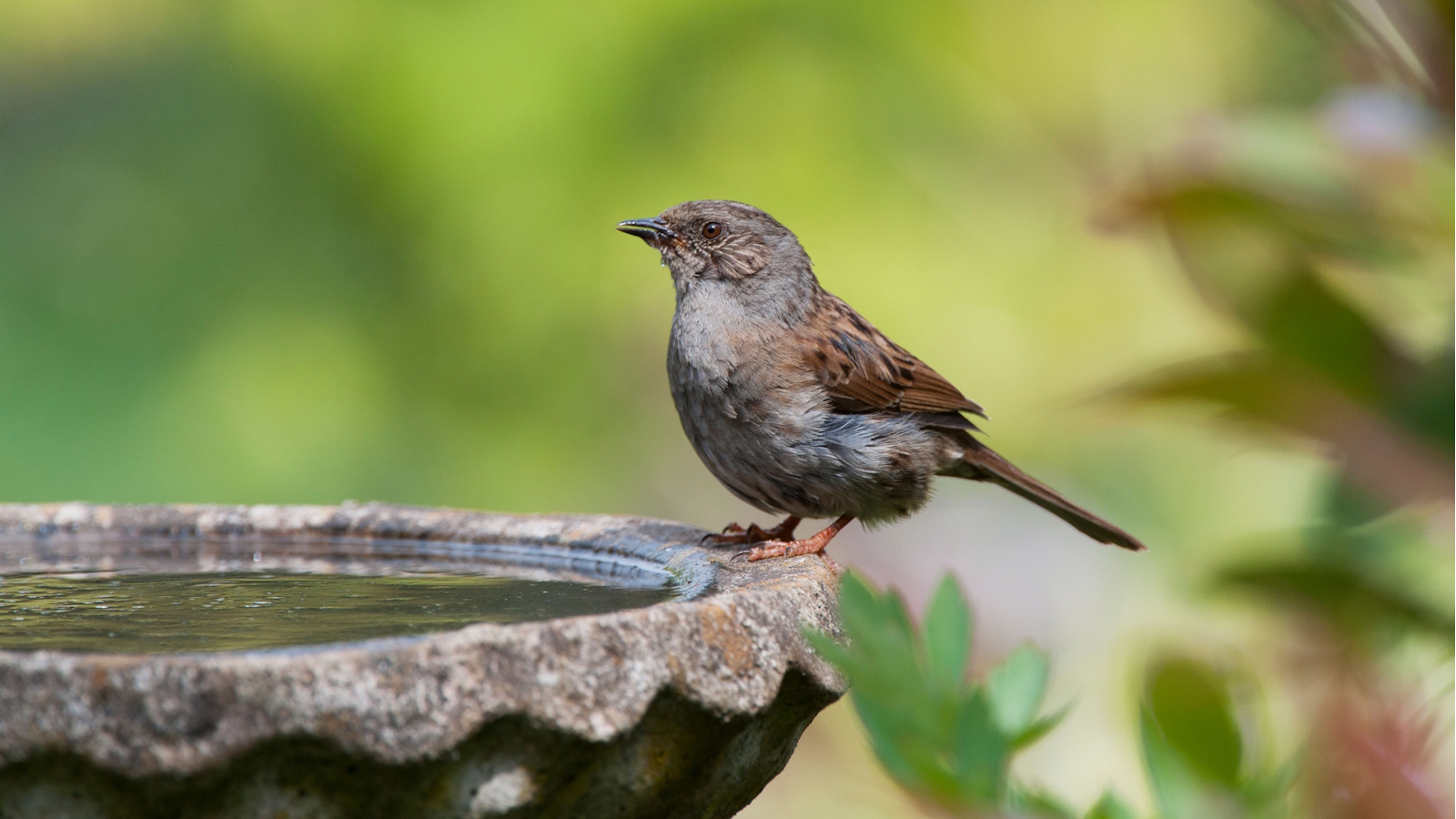
Credit: www.homesandgardens.com
Frequently Asked Questions
Can Birds Safely Eat Cereal As A Regular Diet?
Birds can eat cereal occasionally, but it should not be their main diet. Many cereals contain sugar and additives harmful to birds. Opt for plain, unsweetened cereals in small amounts to avoid nutritional imbalances and health issues.
What Types Of Cereal Are Safe For Birds?
Plain, unsweetened cereals like oats, puffed rice, and shredded wheat are safest. Avoid sugary, flavored, or heavily processed cereals. Whole grain cereals provide some nutrients and fiber beneficial for birds.
How Often Should I Feed Cereal To Wild Birds?
Feed cereal to wild birds sparingly, no more than once or twice a week. Overfeeding cereal can disrupt their natural diet and cause dependency on human food sources.
Can Feeding Cereal Harm Birds’ Health?
Feeding birds too much cereal, especially sugary or processed types, can cause obesity, malnutrition, and digestive issues. Always offer natural bird food like seeds, nuts, and fruits for balanced nutrition.
Conclusion
Feeding birds cereal can be a fun activity. But moderation is key. Small amounts won’t harm them. Ensure the cereal is plain and unsweetened. Avoid artificial flavors or added sugar. Always prioritize birdseed or natural food. Birds need a balanced diet.
This keeps them healthy and happy. Observe their eating habits. Adjust if needed. You care for them by making good choices. Remember, their well-being comes first. Enjoy watching them thrive in your garden.