
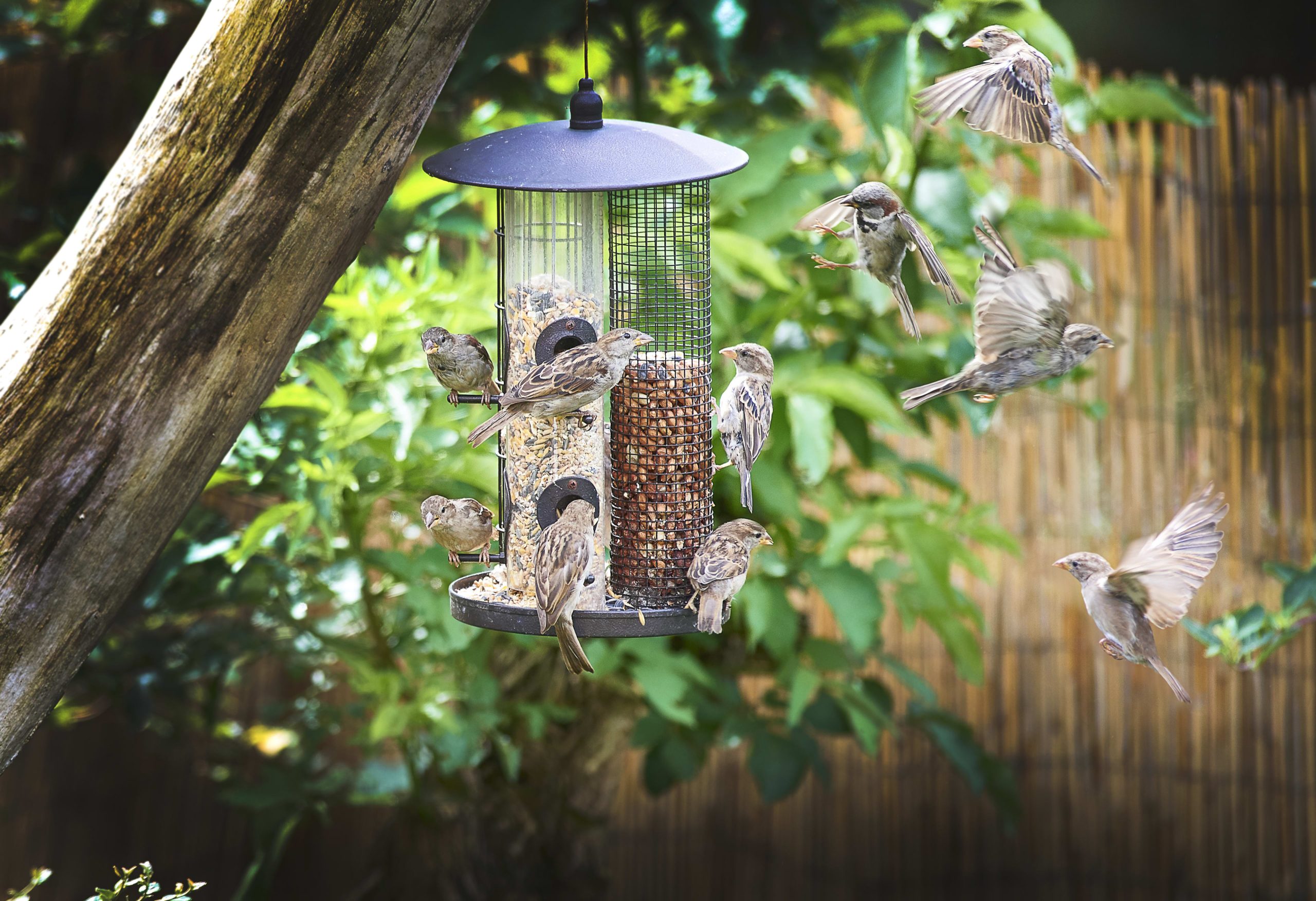
Are you looking to attract more birds to your yard but want to try something different than the usual bird seed? You might be surprised to learn there are plenty of tasty and healthy options that birds love just as much, if not more.
Feeding birds the right food can make your backyard a lively, colorful haven full of chirps and fluttering wings. Keep reading to discover easy, natural alternatives that will keep your feathered friends coming back for more!

Credit: www.amazon.ca
Common Bird Seed Alternatives
Bird seed isn’t the only option to attract and nourish wild birds around your home. There are plenty of other foods that birds love and that can add variety to their diet. Offering different alternatives can support their health and make your birdwatching more interesting.
Fruits Birds Enjoy
Many birds have a sweet tooth and enjoy a range of fruits. Try offering sliced apples, berries, grapes, or orange segments. These fruits provide natural sugars and vitamins that boost energy and keep birds healthy.
I once placed a mix of berries and apple slices on my feeder, and within minutes, a group of robins showed up—something I rarely saw with just seed. Have you noticed which fruits attract the most birds in your area?
Vegetables For Birds
Vegetables can be a surprising hit with certain bird species. Try offering small pieces of carrots, peas, corn, or leafy greens like kale and spinach. These provide essential nutrients and add texture to their diet.
Chopped veggies can be placed on a platform feeder or mixed in with other foods. You might be surprised how quickly birds learn to enjoy these fresh treats alongside their usual seed.
Nuts And Seeds
Nuts and seeds are natural favorites that can substitute or complement bird seed mixes. Shelled peanuts, sunflower seeds, and pumpkin seeds are popular choices. They are rich in fats and proteins, crucial for birds especially during colder months.
Make sure to avoid salted or flavored nuts, as these can harm birds. Watching woodpeckers or jays crack open nuts can be quite entertaining—what’s your favorite nut to offer?
Grains And Cereals
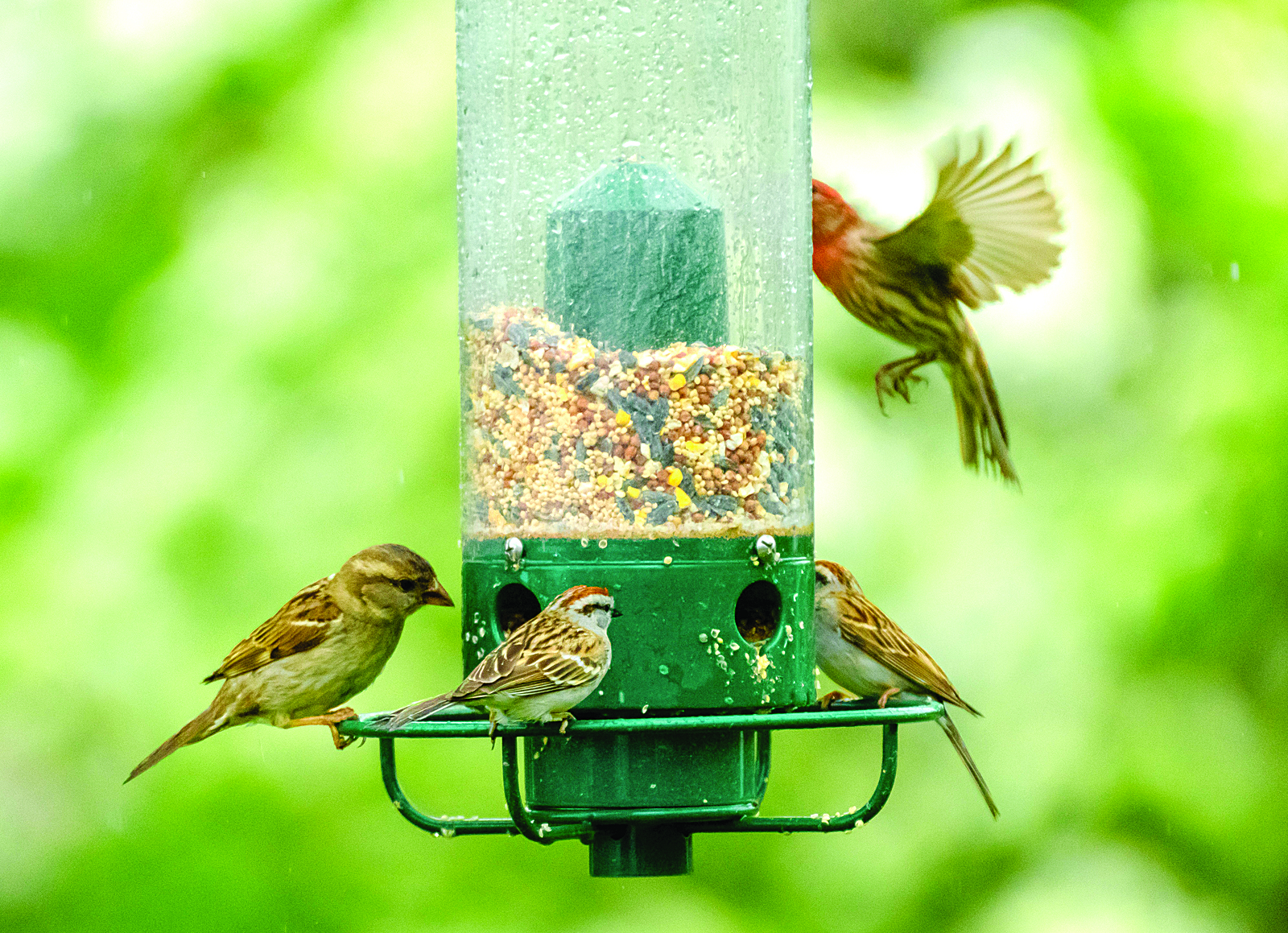
Birds also enjoy grains and cereals such as oats, cooked rice, or cracked corn. These foods are easy to find and can be scattered on the ground or placed in a feeder. They provide good energy and variety for ground-feeding birds.
When I added some cooked oats to my feeding routine, I noticed sparrows and doves coming around more often. Have you tried mixing grains with other bird foods to see what your visitors prefer?
Credit: localgardener.net
Benefits Of Feeding Natural Foods
Feeding birds natural foods instead of just commercial bird seed offers many benefits that you might not have considered. Natural foods provide a more balanced diet and can improve the overall health and vitality of the birds visiting your garden. Plus, they create a more inviting environment that encourages a wider variety of species to stop by.
Nutritional Advantages
Natural foods like fruits, nuts, and insects contain essential vitamins and minerals that are often missing from standard bird seed mixes. These nutrients support stronger immune systems and better feather quality. For example, berries are rich in antioxidants, while mealworms provide a good source of protein.
By feeding natural foods, you help birds get the energy they need to stay active and healthy throughout the year. Have you noticed how vibrant and lively birds seem after eating fresh, natural snacks?
Attracting Diverse Bird Species
Different birds have different dietary needs. Offering a variety of natural foods can attract a broader range of species to your yard. Songbirds, woodpeckers, and even hummingbirds are more likely to visit when their favorite natural treats are available.
Adding sliced oranges, sunflower seeds, or suet can bring in birds you rarely see with just bird seed. Isn’t it exciting to spot a new species that you haven’t seen before? Your feeding choices can turn your backyard into a vibrant birdwatching hotspot.
Safe Human Foods For Birds
Feeding birds doesn’t have to be limited to traditional bird seed. Many common human foods can be safe and nutritious treats for your feathered visitors. Offering safe human foods not only diversifies their diet but also keeps them coming back to your yard with delight.
Cooked Rice And Pasta
Plain cooked rice and pasta can be a great energy boost for birds. Avoid adding salt, sauces, or butter, as these can harm them. I once sprinkled some leftover plain rice near my bird feeder, and soon a variety of birds, from sparrows to pigeons, were happily pecking away.
These carbs provide quick energy, especially during colder months when birds need extra fuel. You can also try small pasta shapes like macaroni or small shells, but always ensure they’re fully cooked and cooled.
Oats And Whole Grains
Oats and other whole grains like barley and quinoa are excellent for birds. They are rich in fiber and nutrients, helping birds stay healthy. I noticed that mixing rolled oats with my usual bird seed attracted finches and doves who usually don’t visit my feeder.
Offer them dry or lightly soaked in water to make them easier to eat. Just steer clear of instant oats with added sugars or flavorings.
Unsalted Nuts
Unsalted nuts like almonds, walnuts, and peanuts are a protein-packed treat for many bird species. Chop them into small pieces to avoid choking hazards, especially for smaller birds. Watching woodpeckers and jays feast on chopped walnuts in my backyard is always a rewarding sight.
Remember, nuts should be given in moderation since they are high in fat. Always choose unsalted and unseasoned varieties to keep your birds safe and healthy.
Foods To Avoid Feeding Birds
Not all foods are safe for birds. Some items can harm or even kill them. Knowing which foods to avoid helps keep birds healthy and happy.
Many people want to feed birds but don’t realize some common foods cause problems. Birds have different digestive systems than humans. What seems harmless to us might be toxic to them.
Toxic Foods
- Avocado – Contains persin, which is deadly to many birds.
- Chocolate – Contains theobromine, a poison for birds.
- Caffeine – Found in coffee and tea, it can cause heart problems.
- Onions and garlic – These can damage bird red blood cells.
- Alcohol – Even small amounts can be fatal to birds.
- Green potato skins – Contain solanine, harmful to birds.
Processed And Sugary Items
- Salty snacks – Too much salt dehydrates and poisons birds.
- White bread – Offers no nutrition and can cause bloating.
- Candy and sweets – High sugar harms bird metabolism.
- Processed foods – Contain additives and chemicals unsafe for birds.
- Junk food – High fat and salt content can cause illness.
Preparing Bird Food Alternatives
Preparing bird food alternatives lets you offer variety and nutrition beyond typical bird seed. It’s a chance to use fresh, natural ingredients that attract different bird species and keep your feathered visitors healthy. You might find that birds enjoy these options even more than regular seed mixes.
Cleaning And Cutting Fruits
Start by selecting fresh fruits like apples, berries, or melon. Wash them thoroughly to remove any pesticides or dirt that could harm birds.
Cut the fruit into small, bite-sized pieces that birds can easily handle. Avoid citrus fruits, as their acidity can upset many birds’ stomachs.
Have you noticed how birds flock to berries in the wild? Offering cleaned, cut fruits mimics their natural diet and encourages them to visit your feeder often.
Soaking And Roasting Nuts
Raw nuts can be hard for some birds to crack open, so soaking them in water overnight softens their shells and makes them more digestible. After soaking, dry the nuts well to prevent mold.
Roasting nuts lightly can enhance their flavor and make them easier to eat, but be careful not to overdo it—avoid adding salt or seasoning.
Try mixing soaked and roasted nuts with other ingredients to see which combination your backyard birds prefer. It’s a simple way to boost their protein intake.
Mixing Custom Blends
Create your own bird food blend by combining fruits, nuts, grains, and even cooked rice or oats. This mix can cater to a wider variety of bird species.
Use a clean container to mix ingredients evenly. Store your blend in a cool, dry place to keep it fresh longer.
How do you think birds would react to a mix made just for them? Experimenting with different blends can turn bird feeding into a fun, interactive hobby.

Credit: www.livingwithbirds.com
Best Practices For Feeding Birds
Feeding birds can be a joyful way to connect with nature. Following best practices helps keep birds healthy and happy. It also prevents problems like pests or spoiled food. Careful attention to feeding routines and locations makes a big difference.
Feeding Frequency
Offer food consistently but avoid overfeeding. Birds eat small amounts often. Refill feeders when food runs low. Remove any old or moldy food quickly. During mild weather, feeding once a day works well. In cold seasons, provide food twice daily to support birds’ energy needs.
Safe Feeding Spots
Choose quiet, sheltered areas for feeders. Keep spots away from predators like cats. Place feeders near trees or shrubs for cover. Avoid placing feeders too close to windows. This reduces the risk of bird collisions. Clean feeding areas regularly to stop disease spread.
Seasonal Considerations
Adjust feeding based on the season. In spring and summer, offer fresh fruits and insects. These foods match birds’ natural diets. During fall and winter, provide high-energy foods like nuts and suet. Avoid feeding bread or salty snacks year-round. These can harm birds and cause health problems.
Frequently Asked Questions
What Foods Can Replace Bird Seed For Feeding Birds?
You can feed birds with unsalted peanuts, sunflower seeds, oats, or chopped fruits. These options provide essential nutrients and attract various bird species. Avoid processed or salty foods to keep birds healthy and safe.
Are Kitchen Scraps Safe For Feeding Wild Birds?
Yes, certain kitchen scraps like cooked rice, bread crumbs, and fruit peels are safe in moderation. Avoid fatty, salty, or sugary scraps. Always offer fresh, clean foods to prevent harm and attract birds effectively.
Can Birds Eat Fruits Instead Of Bird Seed?
Many birds enjoy fruits like apples, berries, and melon. Fruits provide natural sugars and hydration. Avoid citrus fruits and spoiled or moldy fruit to ensure birds’ health and safety.
Is It Okay To Feed Birds Nuts Instead Of Bird Seed?
Yes, unsalted nuts like peanuts, walnuts, and almonds are excellent alternatives. They offer healthy fats and proteins. Avoid salted or flavored nuts to protect birds from harmful additives.
Conclusion
Birds enjoy a variety of foods beyond seeds. Offer fresh fruits like apples or berries. Vegetables such as peas or corn also make great choices. Cooked rice and pasta provide energy and are easy to digest. Unsalted nuts can be a tasty treat too.
Always ensure food is safe and free from harmful additives. Diverse diets help birds stay healthy and happy. Experiment with different options to see what your feathered friends prefer. Remember, a balanced diet is key to bird wellness. Enjoy watching them thrive with new food choices!