
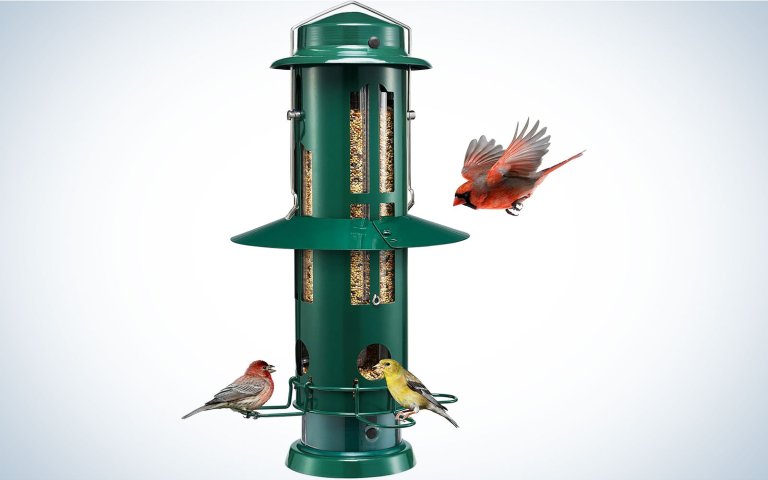
Are you frustrated because your bird feeder isn’t working quite right? Maybe it’s too sensitive, scaring away the birds, or not sensitive enough, letting squirrels and other pests take over.
Adjusting the sensitivity of your bird feeder can make all the difference in attracting the right visitors to your backyard. In this guide, you’ll learn simple, effective steps to fine-tune your feeder’s sensitivity. By the end, you’ll have a perfectly balanced setup that keeps the birds coming back—without unwanted guests stealing the show.
Keep reading to discover how easy it is to get it just right.

Credit: www.popsci.com
Choosing The Right Sensitivity
Choosing the right sensitivity for your bird feeder sensor is key to attracting the birds you want while avoiding unwanted visitors or false triggers. Getting this balance right can save you time and frustration, and ensure your feeder works exactly as you wish.
Think about how different birds interact with your feeder and the environment around it. Your sensitivity setting should match these conditions to make your bird-feeding experience more enjoyable and efficient.
Types Of Bird Feeder Sensors
Bird feeders come with various sensor types, each responding differently to movement or weight. Understanding these differences helps you decide which sensor fits your needs best.
- Motion Sensors:Detect movement near the feeder. Great for catching active birds but can be triggered by wind or passing animals.
- Weight Sensors:Activate when a bird lands. Useful for heavier birds but may miss smaller species if set too high.
- Infrared Sensors:Sense heat signatures. Effective in distinguishing birds from inanimate objects but can be sensitive to sunlight or temperature changes.
Which sensor type have you found most reliable in your yard? Your choice influences how you adjust sensitivity for the best results.
Factors Affecting Sensitivity Settings
Your local environment plays a big role in how you set your feeder’s sensitivity. Wind, nearby plants, and even the types of birds visiting can cause false alarms or missed visits.
Consider these factors before adjusting:
- Wind and Movement:If branches or decorations move often, lower sensitivity to avoid constant triggers.
- Bird Size and Behavior:Smaller birds require higher sensitivity on weight sensors; larger birds might need less sensitive settings.
- Time of Day and Light:Infrared sensors may need adjustment based on sunlight to prevent false activations.
Have you noticed your feeder reacting to non-bird activity? Adjusting sensitivity with these factors in mind can improve your feeder’s accuracy and your viewing pleasure.

Credit: wasserstein-home.com
Tools Needed For Adjustment
Adjusting the sensitivity of your bird feeder requires a few simple tools. Having the right tools makes the process easier and faster. It also helps you avoid damage to the feeder. Preparing these tools before you start will save time and effort.
Below is a list of basic tools you need and important safety tips to follow during the adjustment.
Basic Tools Checklist
- Screwdriver (flathead or Phillips, depending on screws)
- Small adjustable wrench or pliers
- Soft cloth or towel
- Measuring tape or ruler
- Replacement springs or parts (if needed)
- Flashlight (for better visibility)
Safety Precautions
- Work in a well-lit area to see small parts clearly.
- Wear gloves to protect your hands from sharp edges.
- Keep tools organized to prevent accidents.
- Avoid forcing parts to prevent damage.
- Place the feeder on a stable surface during adjustment.
- Keep pets and children away from the workspace.
Step-by-step Adjustment Process
Adjusting the sensitivity of a bird feeder helps control which birds can access the food. This process ensures smaller birds get a chance to eat while keeping larger, unwanted birds away. Follow these simple steps to make your feeder work just right.
Locating The Sensitivity Control
Look for a small dial or lever on the feeder. It is often near the perch or the weight-activated mechanism. This control changes how much weight the feeder senses before opening. Check your feeder’s manual if you have trouble finding it.
Making Initial Adjustments
Turn the dial or move the lever slightly to increase or decrease sensitivity. For lighter birds, set the control to a lower weight. For bigger birds, increase the sensitivity so the feeder stays closed for them. Small changes work best to avoid over-adjusting.
Testing And Fine-tuning
Hang the feeder outside and watch which birds can feed. Note if unwanted birds get access or if desired birds struggle. Adjust the control in small steps based on what you see. Repeat testing until the feeder works perfectly for your bird visitors.
Common Issues And Fixes
Adjusting the sensitivity of a bird feeder can sometimes lead to common issues. These problems affect how well your feeder responds to birds. Understanding these issues helps you fix them quickly. This keeps your feeder working smoothly and attracts more birds.
Feeder Not Activating
Sometimes the feeder does not activate when birds arrive. This can happen if the sensitivity is set too low. The feeder may not detect small movements. Dirt or debris on sensors can also block detection.
- Clean the sensor area with a soft cloth.
- Increase the sensitivity setting gradually.
- Check batteries to ensure enough power.
Feeder Overreacting
If the feeder activates too often, it might scare birds away. High sensitivity can cause this problem. Wind or small insects may trigger the feeder.
- Lower the sensitivity setting in small steps.
- Place the feeder away from windy spots.
- Inspect for insects or debris near sensors.
Environmental Interference
Outdoor conditions affect feeder performance. Bright sunlight or reflections can confuse sensors. Nearby objects moving in the wind may cause false triggers.
- Position the feeder to avoid direct sunlight on sensors.
- Remove or move nearby objects that sway in wind.
- Use a shaded spot to reduce false activations.
Maintenance Tips For Consistent Performance
Maintaining your bird feeder’s sensitivity ensures it works well over time. Regular care keeps sensors accurate and birds happy. Small actions prevent common problems and improve feeder lifespan.
Regular Cleaning
Clean the feeder often to avoid dirt buildup. Dirt can block sensors and affect sensitivity. Use mild soap and water for cleaning. Rinse thoroughly to remove soap residue. Dry completely before reinstalling to prevent damage. Check sensor areas carefully during cleaning. Remove spider webs, dust, and bird droppings. Clean sensors gently to avoid scratches. Regular cleaning keeps detection smooth and reliable.
Seasonal Adjustments
Adjust sensitivity based on weather and seasons. Cold weather may cause sensors to become less responsive. Increase sensitivity slightly during winter months. In hot seasons, reduce sensitivity to avoid false triggers. Monitor feeder performance after each adjustment. Fine-tune settings for optimal detection throughout the year. Seasonal tweaks help maintain consistent feeder performance. Track changes in bird activity to guide adjustments.
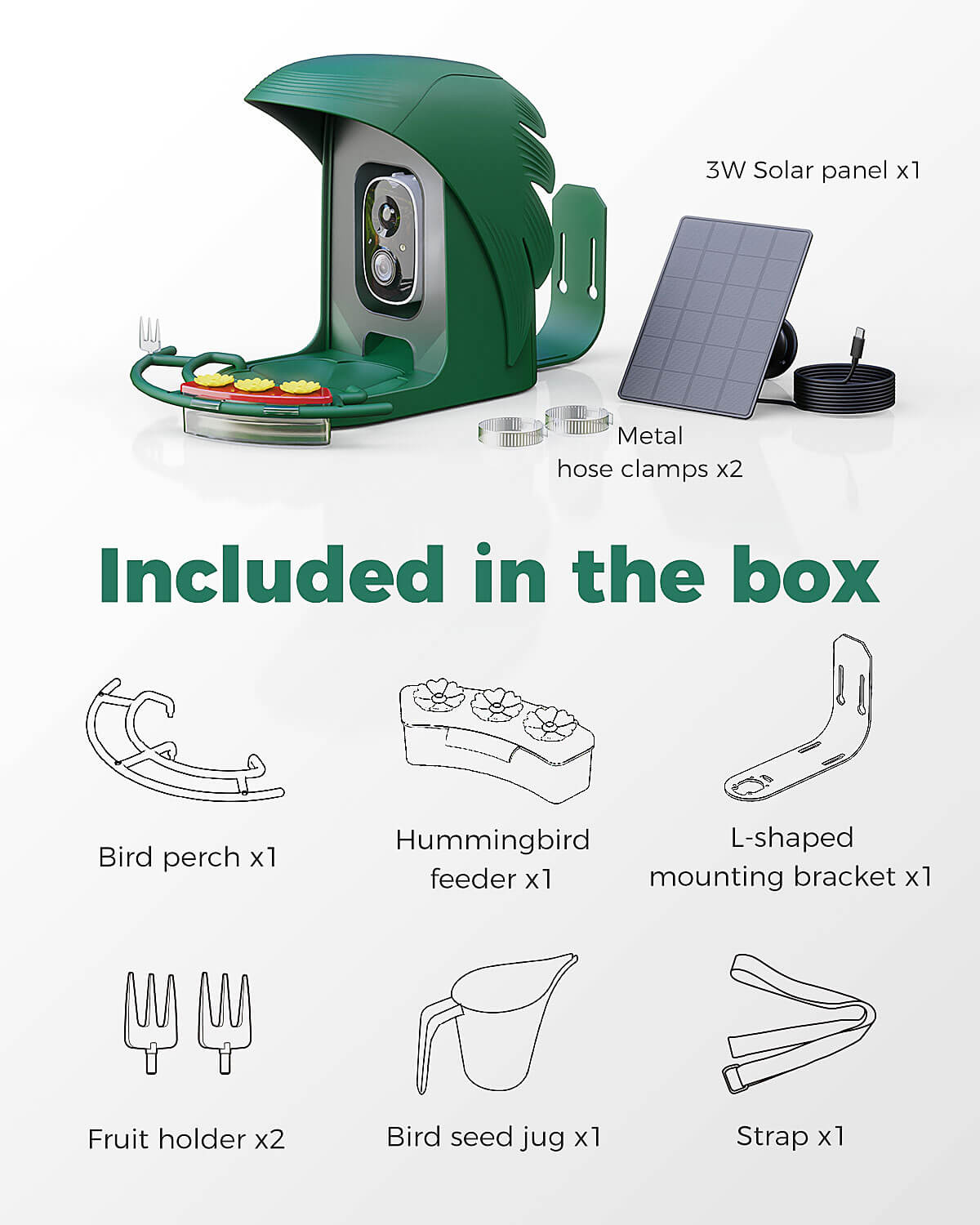
Credit: www.perchme.com
Frequently Asked Questions
How Do I Adjust Bird Feeder Sensitivity?
To adjust sensitivity, locate the control dial or lever on your feeder. Turn it clockwise to increase sensitivity, or counterclockwise to decrease. This helps control how easily the feeder activates for birds.
Why Adjust Bird Feeder Sensitivity?
Adjusting sensitivity helps prevent unwanted animals from accessing the feeder. It also ensures birds can feed comfortably without triggering the feeder unnecessarily. Proper sensitivity improves feeding efficiency and bird safety.
Can Sensitivity Affect Bird Types Visiting?
Yes, adjusting sensitivity can attract or deter specific bird sizes. Higher sensitivity may allow smaller birds, while lower sensitivity favors larger birds. Tailor sensitivity based on the bird species you want to attract.
How Often Should I Adjust Feeder Sensitivity?
Adjust sensitivity seasonally or when you notice changes in bird activity. Regular checks ensure the feeder works optimally. Adjust if you see more squirrels or fewer birds visiting.
Conclusion
Adjusting your bird feeder’s sensitivity can be simple and rewarding. Keep birds happy by ensuring they have easy access to food. Regular checks and adjustments help maintain the feeder’s effectiveness. Remember, a well-set feeder attracts more birds. Enjoy watching your feathered friends visit daily.
Happy bird watching!