
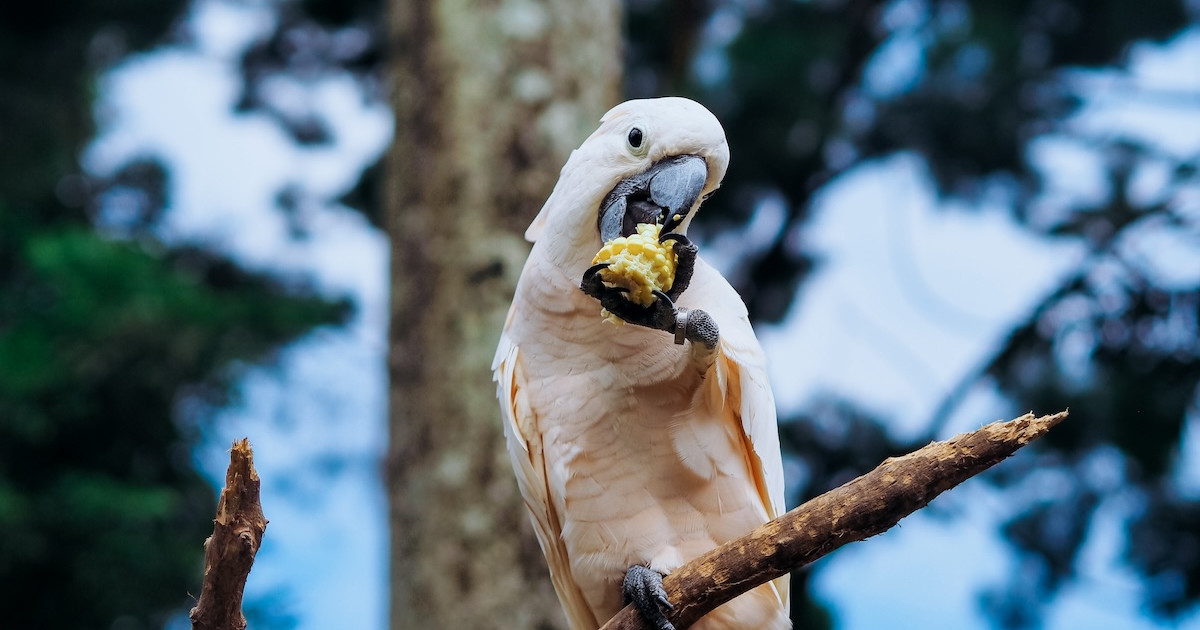
Have you ever wondered if it’s safe to feed Cheerios to the birds visiting your backyard? You might think sharing your breakfast cereal is a harmless way to connect with nature, but is it really good for them?
What you feed wild birds can impact their health more than you realize. Keep reading to discover the surprising facts about Cheerios and birds, and learn how to make your outdoor feeding moments both enjoyable and safe for your feathered friends.
Credit: lafeber.com
Cheerios And Bird Diets
Feeding birds can be a joyful way to connect with nature, but it’s important to think about what you offer them. Cheerios might seem like a harmless snack to share, but how do they fit into a bird’s diet? Understanding the nutritional value of Cheerios alongside what birds truly need can help you make better choices for your feathered friends.
Nutritional Content Of Cheerios
Cheerios are made primarily from oats, providing a source of carbohydrates and some fiber. They contain small amounts of iron, calcium, and B vitamins, which are essential nutrients but only in limited quantities.
However, Cheerios also have added sugar and salt, which aren’t ideal for birds. The low protein and fat content means Cheerios won’t offer the energy birds need for daily activities or migration.
Common Bird Dietary Needs
Most wild birds require a balanced diet that includes seeds, nuts, fruits, insects, and sometimes nectar. Protein is crucial, especially during breeding season when birds need to feed their young.
Different species have different needs—finches love small seeds, while woodpeckers go for insects and nuts. Offering only Cheerios might fill their stomachs but won’t provide the nutrients necessary for long-term health.
Have you ever noticed birds ignoring certain foods you put out? This might be their way of telling you what they actually need. Next time you feed birds, think about what’s really inside that treat and whether it’s helping or just filling space.
Credit: lafeber.com
Potential Benefits Of Feeding Cheerios
Feeding Cheerios to birds can offer some interesting benefits that you might not have considered before. While they are not a natural part of a bird’s diet, Cheerios can serve as an accessible and enjoyable snack in certain situations. Understanding these benefits helps you decide if and how you want to include Cheerios in your bird-feeding routine.
Easy Access To Food For Birds
Cheerios are lightweight and easy to handle, making them a convenient food source for many bird species. Their small size allows birds to pick them up quickly without struggling, especially for smaller birds like finches or sparrows.
Imagine a cold winter day when natural food is scarce. Offering Cheerios can provide quick energy to birds when they need it most. Have you ever noticed birds flocking to your feeder more eagerly when you add simple snacks like Cheerios?
Cheerios As An Occasional Treat
Cheerios should never replace a bird’s natural diet but can be used as an occasional treat. They add variety and can be a fun way to observe birds up close without causing harm.
Think about how you enjoy a snack now and then—it’s the same for birds. Just a few Cheerios scattered around can brighten their day and yours. Would you consider adding a few Cheerios next time you want to attract birds to your backyard?
Risks And Concerns
Feeding Cheerios to birds might seem harmless, but there are important risks and concerns you should consider before tossing those O-shaped cereals out to your feathered friends. Understanding how these processed foods affect birds can help you make better choices that truly support their health and natural behavior.
Impact Of Processed Foods On Birds
Processed foods like Cheerios are not part of a bird’s natural diet. These foods often lack essential nutrients that wild birds need to stay healthy. When birds rely on processed snacks, they might miss out on the vitamins and minerals found in seeds, fruits, and insects.
Have you noticed birds returning to your feeder less often after you start offering processed foods? This could be because these foods don’t satisfy their nutritional needs, leading birds to search elsewhere for better options.
Additives And Sugars In Cheerios
Cheerios contain additives and sometimes added sugars, which are not suitable for birds. Even small amounts of sugar can disrupt a bird’s digestive system and energy levels. Additives like preservatives and artificial flavors might also harm sensitive bird species.
Think about how your body reacts to sugary snacks. Birds experience similar effects, which can include hyperactivity followed by fatigue. Could these ingredients be causing more harm than good to your backyard visitors?
Effect On Bird Health And Behavior
Feeding birds Cheerios regularly can lead to poor health outcomes. Birds may develop weakened immune systems, making them more vulnerable to diseases. Behavioral changes, such as increased aggression or dependency on human food, may also occur.
One birdwatcher shared how their local birds became overly aggressive at feeders after being fed processed cereals. This raises the question: are you supporting natural bird behavior, or unintentionally encouraging harmful habits?

Credit: www.youtube.com
Safe Alternatives For Bird Feeding
Feeding birds requires care to keep them healthy and safe. Cheerios might seem harmless, but they lack the nutrients birds need. Choosing better food options helps support local bird populations.
Many natural foods give birds the energy and vitamins they need. These safe alternatives encourage birds to visit and thrive in your garden or backyard.
Natural Seeds And Grains
- Sunflower seeds attract many bird species and are rich in fat.
- Millet is small and favored by finches and sparrows.
- Safflower seeds are good for cardinals and grosbeaks.
- Cracked corn is ideal for larger birds like pigeons and doves.
Seeds and grains offer birds natural nutrition. They also help birds grow strong feathers and maintain energy.
Fruits And Nuts Suitable For Birds
- Apples cut into small pieces are safe and sweet.
- Berries such as blueberries and strawberries attract many birds.
- Peanuts (unsalted and shelled) provide protein and fat.
- Walnuts and almonds must be chopped for easier eating.
Fruits and nuts provide vitamins and healthy fats. They support birds during cold weather and breeding seasons.
Commercial Bird Food Options
- Mixed birdseed blends cater to different bird types.
- Suet cakes offer high energy, especially in winter.
- Nectar feeders supply sugar water for hummingbirds.
- Pelleted bird food gives balanced nutrients for parrots and cockatoos.
Commercial foods are designed for bird health and convenience. They reduce the risk of feeding harmful or unsuitable items.
Tips For Feeding Birds Responsibly
Feeding birds can be a joyful way to connect with nature right outside your window. However, it’s important to feed them responsibly to keep them healthy and safe. Here are some practical tips to make your bird-feeding experience positive for both you and your feathered visitors.
Moderation And Variety
Offering Cheerios or other treats in small amounts is key. Birds need a balanced diet, so avoid relying solely on one type of food. Mix seeds, nuts, and fresh fruits with Cheerios to provide a variety of nutrients.
Have you noticed how some birds ignore certain foods? That’s a sign they’re seeking specific nutrients. By providing diverse options, you help meet their dietary needs better.
Clean Feeding Areas
Keeping your feeding spots clean prevents the spread of diseases among birds. Regularly clear away leftover food and bird droppings. Use a mild soap solution to wash feeders weekly to keep germs at bay.
Dirty feeding areas can attract pests, which might scare away the birds you want to feed. Have you checked your bird feeder’s cleanliness recently? A quick clean can make a big difference.
Monitoring Bird Health
Watch the birds’ behavior and appearance after feeding them Cheerios or any treats. If you notice lethargy, unusual feather loss, or changes in eating habits, it might be time to pause and reassess the foods offered.
Healthy birds are active and alert. Observing them closely helps you catch any issues early. Do you keep a bird journal or take photos to track their condition over time? It can be a helpful tool.
Frequently Asked Questions
Can Birds Safely Eat Cheerios As A Snack?
Yes, birds can eat plain Cheerios safely in moderation. Cheerios contain minimal sugar and artificial ingredients, making them a bird-friendly snack. Avoid flavored or sweetened varieties to prevent health risks for birds.
Are Cheerios Nutritious For Wild Birds?
Cheerios offer limited nutrition for wild birds. They provide carbohydrates and some fiber but lack essential proteins and fats. Use Cheerios only as an occasional treat alongside a balanced bird diet.
How To Feed Cheerios To Birds Properly?
Feed Cheerios in small, broken pieces to make eating easier. Place them on a clean bird feeder or ground away from predators. Always provide fresh water nearby to support bird hydration.
Can Feeding Cheerios Harm Birds In Any Way?
Overfeeding Cheerios can harm birds by causing nutritional imbalances. Sweetened or flavored Cheerios contain additives harmful to birds. Always choose plain Cheerios and feed sparingly to avoid health issues.
Conclusion
Feeding Cheerios to birds can be a fun activity. Yet, it’s essential to know their nutritional needs. Birds require a balanced diet for good health. Cheerios alone might not provide enough nutrients. Occasionally offering Cheerios is okay. But, mix them with seeds and fruits.
Always ensure fresh water is available. Watch how birds respond to different foods. This helps in understanding their preferences better. Being mindful of their diet supports their well-being. Happy bird feeding!