
Taking care of a newborn bird can feel overwhelming, especially if it’s your first time. You want to make sure your tiny feathered friend gets the right food, in the right way, to grow strong and healthy.
But where do you start? How do you know what to feed it, how often, and how to avoid common mistakes? This guide will give you clear, simple steps to feed your newborn bird with confidence. Keep reading, and you’ll discover everything you need to help your little bird thrive from day one.

Credit: www.youtube.com
Choosing The Right Food
Choosing the right food for a newborn bird is crucial for its health and growth. Birds need proper nutrition to develop strong bones, feathers, and a healthy immune system. The food must be easy to digest and rich in essential nutrients. Feeding the wrong food can cause illness or slow development. Understanding what types of food work best helps in raising a happy and healthy bird.
Types Of Suitable Bird Formula
Bird formulas come in different forms. Powdered formulas are popular because they mix easily with water. There are also ready-to-feed liquid formulas for convenience. These formulas contain proteins, fats, vitamins, and minerals tailored for baby birds. Some formulas are made for specific bird species. Choosing the right type depends on the bird’s size and age.
Homemade Vs. Commercial Options
Commercial formulas offer balanced nutrition and are easy to use. They are tested for safety and quality. Homemade formulas can be made from ingredients like boiled eggs, oats, and fruits. They require careful preparation to avoid missing nutrients. Homemade food can be fresher but risks contamination. Always follow a trusted recipe if making food at home.
Avoiding Harmful Foods
Many common foods can harm newborn birds. Avoid feeding bread, chocolate, caffeine, or salty snacks. These can cause digestive problems or poisoning. Do not give milk or dairy products; birds cannot digest them well. Raw seeds and nuts might be too hard for young birds. Stick to recommended formulas and safe ingredients only.

Credit: www.youtube.com
Preparing The Feeding Mixture
Preparing the feeding mixture for a newborn bird is a crucial step that demands your full attention. The right mixture provides essential nutrients for healthy growth and development. Getting this part right can make a significant difference in your bird’s survival and well-being.
Proper Mixing Techniques
Start with a clean bowl and fresh ingredients to avoid contamination. Always measure the powder and water precisely according to the formula instructions. Use warm water, not hot, to mix the food thoroughly until the texture is smooth and free of lumps.
Too thick a mixture can be hard for the bird to swallow, while too thin might not provide enough nutrition. Stir gently but consistently, ensuring every bit of powder dissolves completely. Think about how you would want your food—balanced and easy to consume.
Correct Temperature For Feeding
Temperature matters more than you might expect. The mixture should feel warm but not hot—about 102°F (39°C) is ideal. Use a thermometer or test a drop on your wrist; it should feel comfortably warm, not burning.
Feeding cold or overheated food can cause digestive problems or even be fatal. If you heat the mixture, stir it well to avoid hot spots. Keeping the right temperature mimics what the parent birds provide naturally.
Storage And Shelf Life
After mixing, use the formula within two hours to ensure freshness and safety. If you prepare more than needed, store the leftover mixture in the refrigerator immediately but never for more than 24 hours. Always keep it in a clean, sealed container to prevent bacteria growth.
Never freeze the feeding mixture; freezing changes its consistency and may destroy nutrients. If you notice any change in color, smell, or texture, discard it immediately. Would you feed your newborn anything less than fresh and safe?
Feeding Techniques
Feeding a newborn bird requires patience, care, and the right techniques. Understanding how to deliver food safely and effectively can make all the difference in your bird’s early development. Let’s break down practical methods that help ensure your little feathered friend gets the nutrition it needs without stress or harm.
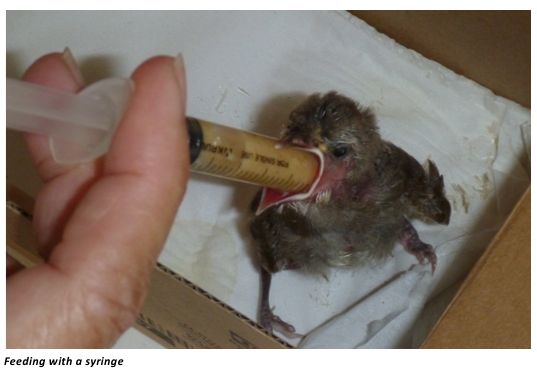
Using Syringes And Feeding Tools
Syringes are one of the most common tools for feeding newborn birds. They allow you to control the flow of liquid food gently and precisely. Choose a syringe with a soft, rounded tip to avoid injuring the bird’s delicate mouth.
Besides syringes, small spoons or specialized feeding tubes can work well depending on the bird’s size and feeding response. It’s important to keep all feeding tools clean and sterilized to prevent infections. Have you ever noticed how a gentle, calm approach makes the bird more willing to eat?
Feeding Frequency And Portion Size
Newborn birds need frequent feeding because they burn energy quickly. Typically, feeding every 2 to 3 hours during the day is necessary. Pay close attention to how much your bird consumes; too much can cause regurgitation, while too little may stunt growth.
Start with small portions and increase gradually as the bird grows. Use a feeding chart or notes to track feeding times and amounts—it helps avoid overfeeding or underfeeding. Have you tried adjusting portions based on your bird’s activity or weight changes?
Safe Handling During Feeding
Handling your newborn bird with care is crucial during feeding. Always wash your hands and avoid strong scents that might stress the bird. Hold the bird gently but firmly to prevent sudden movements that could cause choking.
Support the bird’s body fully and keep its head slightly elevated to help swallowing. Watch for signs of discomfort or distress, and stop feeding immediately if the bird shows any. Can you imagine how sensitive these tiny creatures are, relying entirely on your touch and timing?

Credit: birdsnways.com
Monitoring Bird Health
Keeping a close eye on your newborn bird’s health is essential for its survival and growth. Monitoring helps you catch issues early and ensures your feeding routine supports their well-being. You’ll learn to spot subtle signs that show if your bird is thriving or struggling.
Signs Of Proper Growth
Healthy chicks gain weight steadily and develop smooth, clean feathers. Their eyes should be bright and alert, and their skin soft and pink without dryness or flakiness.
Watch how active your bird is after feeding—energetic movements and regular calls are good indicators. If your chick’s crop empties between feedings, it means digestion is working well.
Recognizing Feeding Problems
Some signs point to feeding troubles, such as a swollen or hard crop, which may indicate overfeeding or slow digestion. A chick that refuses to eat or vomits food needs your immediate attention.
Look for lethargy or weak muscle tone, which often means inadequate nutrition. Uneven feather growth or constant crying can also signal that your feeding method or formula might need adjustment.
When To Seek Veterinary Help
If your bird shows persistent weight loss, labored breathing, or unusual droppings, don’t wait to get professional advice. Sudden changes in behavior, like prolonged silence or extreme weakness, require urgent care.
Veterinarians can diagnose infections or nutritional deficiencies that you can’t see. Have a vet’s contact ready—quick action can save your baby bird’s life.
Weaning And Transition
Weaning and transition mark an exciting yet delicate phase in your newborn bird’s growth. This period challenges you to shift from hand feeding to encouraging your bird’s independence. Handling this phase carefully ensures your bird builds confidence while receiving proper nutrition.
Introducing Solid Foods
Start by offering soft, easily digestible solids like soaked pellets or finely mashed fruits and vegetables. Place small amounts in a shallow dish to catch your bird’s attention. You might notice your bird pecking curiously at the new texture—this is a great sign of readiness.
Patience is key. Some birds may take to solids immediately, while others need several tries. If your bird hesitates, try mixing solids with a little hand-feeding formula to create a familiar taste.
Encouraging Independent Eating
Encourage your bird to eat on its own by sitting close and offering gentle praise when it tries. You can mimic eating gestures to spark interest. Watch for your bird’s body language—are the eyes bright and alert? Is there tentative pecking?
Try placing food in different spots within the cage to motivate exploration. This practice not only helps with feeding but also builds physical and mental skills essential for survival. Have you noticed how some birds respond faster to this than others?
Gradual Reduction Of Hand Feeding
Slowly decrease the amount of hand feeding as your bird starts eating solids consistently. Replace some hand-fed meals with solid food sessions, but keep the routine comforting and calm. This gradual change prevents stress and nutritional gaps.
Keep monitoring weight and energy levels closely during this phase. If your bird appears sluggish or loses weight, consider increasing hand feeding temporarily. Your attentiveness can make the difference between a smooth transition and setbacks.
Frequently Asked Questions
How Often Should I Feed A Newborn Bird?
Feed a newborn bird every 20 to 30 minutes during daylight hours. Frequent feeding ensures proper growth and hydration. Avoid overfeeding or long gaps to prevent health issues.
What Is The Best Food For A Newborn Bird?
Use a specialized formula designed for baby birds. Avoid cow’s milk or bread, which can harm them. Consult a vet for the safest and most nutritious options.
How Do I Warm The Food For A Newborn Bird?
Warm the food to about 102°F (39°C) using a water bath. Test the temperature on your wrist to avoid burns. Proper warmth aids digestion and comfort.
Can I Use A Syringe To Feed A Newborn Bird?
Yes, a syringe or small spoon works well for feeding. Be gentle to prevent choking. Keep the bird’s head slightly elevated during feeding.
Conclusion
Feeding a newborn bird takes patience and care. Always use the right tools. Ensure the food is the correct texture. Keep feeding times consistent. Clean up after feeding to maintain hygiene. Monitor the bird’s growth regularly. This helps you adjust feeding as needed.
Consult a vet if you’re unsure. Safe feeding supports healthy development. Enjoy watching the little bird thrive. Your dedication makes a big difference. Remember, every little step counts. You’re helping a tiny creature grow strong. Keep learning and stay curious.
Your efforts truly matter.