
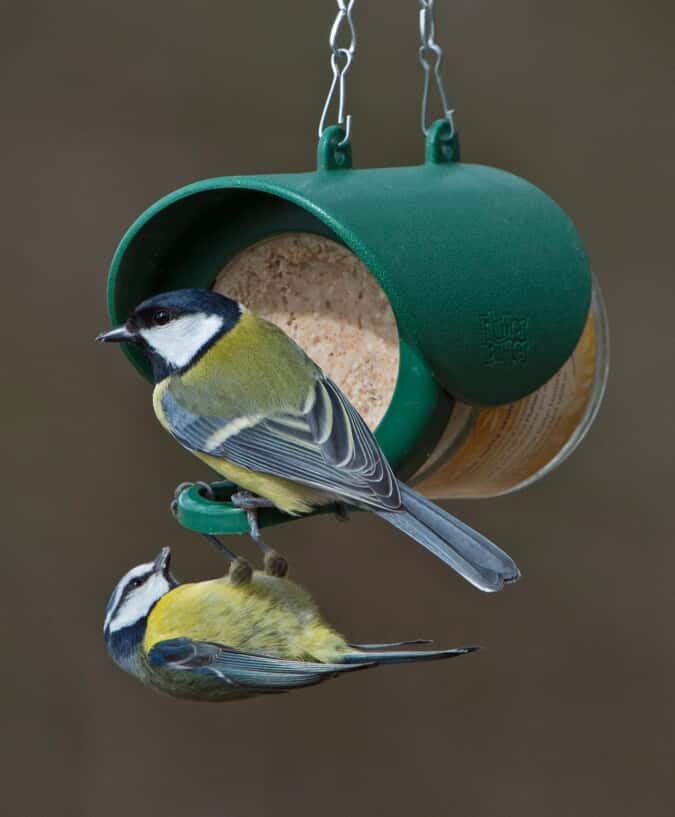
Are you looking for a fun, eco-friendly project that can transform your backyard into a bird sanctuary? If so, you’re in the right place.
Imagine sipping your morning coffee while watching vibrant birds flutter around your very own handmade bird feeder. And the best part? You can create this delightful haven using something as simple as an empty peanut jar. It’s a creative, cost-effective way to recycle and bring nature closer to you.
Plus, it’s a perfect activity for all ages, making it a great family project. Ready to discover how to turn that ordinary peanut jar into a charming bird feeder that will attract a variety of feathered friends? Let’s dive in and get started!

Credit: www.livingwithbirds.com
Materials Needed
Gathering the right materials is the first step to making a bird feeder out of a peanut jar. The materials you choose can affect not only the durability of your feeder but also how attractive it will be to local birds. Let’s look at what you need to get started.
Choosing The Right Peanut Jar
Pick a peanut jar that is sturdy and has a secure lid. Clear jars work best because they allow you to see the birdseed inside, which can attract birds. Avoid jars with cracks or weak spots that might break or leak seed.
Size matters too. A medium-sized jar holds enough seed to feed birds for several days without being too heavy to hang. Think about how often you want to refill the feeder when choosing the jar size.
Additional Supplies
- Birdseed:Use a mix suited for the birds in your area, like sunflower seeds or millet.
- Wooden spoons or small dowels:These act as perches for the birds to sit on while feeding.
- Strong string or wire:To hang your feeder safely from a tree or hook.
- Drill or sharp knife:For making holes in the jar and lid.
- Super glue or waterproof adhesive:Helps secure perches and any loose parts.
Have you checked your recycling bin lately? You might already have everything you need to start building your bird feeder today. Using household items not only saves money but also reduces waste, making this project fun and eco-friendly.

Credit: www.livingwithbirds.com
Preparing The Jar
Preparing the jar is the first key step to create a safe and effective bird feeder. The jar must be clean and free of any residues or labels that might harm the birds. Taking time to prepare the jar properly ensures your feeder lasts longer and attracts more birds. Follow simple steps to get the jar ready for use.
Cleaning The Jar
Start by washing the peanut jar with warm, soapy water. Use a sponge or brush to remove all peanut oils and dirt. Rinse the jar thoroughly to remove soap traces. Let the jar dry completely before moving to the next step. A clean jar prevents mold and keeps birds safe.
Removing The Label
Peeling off the label helps the jar look neat and prevents paper from attracting pests. Soak the jar in warm water for 10 to 15 minutes. The label will soften and become easier to remove. Use your fingers or a plastic scraper to peel off the label gently. Remove any sticky glue with rubbing alcohol or oil. Dry the jar again before use.
Creating Feeding Ports
Creating feeding ports in your peanut jar bird feeder is a key step that determines how easily birds can access the food. You want the openings to be just the right size—not too big to waste seeds or attract unwanted critters, but large enough to invite your feathered friends. This part is both practical and fun, as it lets you customize the feeder for the types of birds in your area.
Marking The Holes
Start by deciding where to place the feeding ports on the jar. Birds usually like to perch near the openings, so mark spots about an inch or two from the bottom and spaced evenly around the jar.
Use a permanent marker to make clear dots where you will cut. If you want to attract different bird species, consider varying the hole sizes slightly. Have you noticed some birds prefer smaller openings while others are fine with larger ones?
Cutting And Smoothing Edges
Once marked, carefully cut out the holes using a sharp utility knife or a small drill bit. Take your time to avoid cracking the plastic or making jagged edges.
After cutting, smooth the edges with fine sandpaper or a nail file. This step is important to protect birds from sharp plastic that could hurt their beaks or feet.
Remember, clean and safe feeding ports encourage birds to visit your feeder again and again. What other simple adjustments could you make to improve your feeder’s design?
Adding Perches
Adding perches to your peanut jar bird feeder makes it easier for birds to land and eat comfortably. Perches offer birds a place to rest while they enjoy the seeds. Well-placed perches attract more birds and improve their feeding experience. Choose and install perches carefully to ensure they are safe and stable for birds.
Selecting Suitable Perch Materials
Choose perch materials that are safe and durable. Wooden sticks, bamboo skewers, or small branches work well. Avoid metal or sharp materials that can hurt birds. Perches should be smooth to protect birds’ feet. Select materials that resist weather to last longer outdoors.
Attaching Perches Securely
Attach perches firmly to keep them from wobbling or falling. Use a drill or sharp tool to make small holes in the jar. Insert perch sticks through the holes so they extend outside. Fix the perch with strong glue or tape inside the jar for extra hold. Test the perch by pressing gently to check stability before filling the feeder.
Assembling The Feeder
Assembling your bird feeder from a peanut jar is a simple, rewarding task. It brings life to your garden and feeds your feathered friends. This part focuses on filling the feeder with birdseed and securing it for hanging. These steps ensure your feeder works well and lasts long.
Filling With Birdseed
Choose birdseed that suits local birds. Common mixes include sunflower seeds, millet, and cracked corn. Avoid seeds that attract unwanted pests.
- Remove the jar lid.
- Fill the jar about three-quarters full with birdseed.
- Tap the jar gently to settle the seeds.
- Check for any blockages near feeding holes.
Proper filling prevents seeds from clogging and keeps birds happy.
Sealing And Hanging Options
Seal the jar to protect the seeds from rain and moisture. Use a tight lid or cover the opening with waterproof tape.
- Ensure feeding holes remain open and accessible.
- Attach a string or wire around the jar neck for hanging.
- Choose a sturdy branch or hook in a shaded spot.
- Hang the feeder at a safe height from predators.
This setup keeps seeds dry and makes the feeder easy to refill. Your bird feeder is now ready to attract visitors.
Placement Tips
Placement is key for a successful bird feeder made from a peanut jar. It affects how often birds visit and how safe they feel. Proper placement helps attract more birds and keeps them protected from dangers.
Choosing The Best Location
Pick a quiet spot with some shade. Birds like areas that are calm and not too noisy. Place the feeder near trees or bushes for cover and perching. Avoid open spaces where birds feel exposed.
Make sure the feeder is easy for you to reach. You will need to refill and clean it often. Place it at least 5 feet above the ground to keep it away from pets and pests.
Safety Considerations For Birds
Keep the feeder away from windows to prevent bird collisions. Use decals or other markers if near glass. Avoid spots near bird predators like cats and hawks.
Check for any sharp edges or loose parts on the feeder. Make sure the jar is secure and stable. This prevents accidents and injuries to visiting birds.
Maintenance And Cleaning
Keeping your peanut jar bird feeder clean and well-maintained is essential for attracting healthy birds and ensuring their safety. A dirty feeder can lead to mold growth and attract unwanted pests, which can harm the birds you want to feed. Let’s look at simple ways to keep your feeder fresh and inviting all season long.
Regular Cleaning Schedule
Set a routine to clean your bird feeder at least once every two weeks. If you notice dampness or leftover seeds, clean it immediately to avoid bacteria buildup. Use warm, soapy water and a soft brush to scrub all parts of the feeder thoroughly.
Rinse well to remove soap residue, then let it dry completely before refilling. This simple habit keeps your feeder safe and your feathered visitors happy. You might find that a clean feeder encourages more birds to visit, making your effort worthwhile.
Preventing Mold And Pests
Mold thrives in moisture, so keep the feeder dry by placing it in a shaded area with good airflow. Avoid overfilling the feeder to reduce seed spillage, which can attract ants, rodents, and other pests. Consider adding a small tray underneath to catch spills and make cleaning easier.
Check regularly for signs of mold or insect activity. If pests become a problem, try natural deterrents like peppermint oil drops around the feeder’s base. What changes can you make around your feeder’s location to reduce unwanted visitors?
Attracting Birds
Creating a bird feeder from a peanut jar is a fun way to invite nature closer. Attracting birds to your feeder depends on the right food and timing. Birds need a reliable source of food to visit regularly. Offering the best seeds and understanding seasonal habits helps keep your feathered friends happy and healthy.
Best Seeds To Use
Choose seeds that local birds prefer. Different birds like different seeds. Here are some popular options:
- Black oil sunflower seeds – attract many types of birds
- Millet – loved by ground-feeding birds like sparrows
- Nyjer (thistle) – favorite of finches and small birds
- Peanuts – good for larger birds like woodpeckers and jays
- Safflower seeds – attract cardinals and grosbeaks
Mixing seeds can draw more bird species. Avoid seeds with fillers like red millet or wheat, as birds often discard them.
Timing And Seasonal Tips
Fill your feeder early in the morning for best bird visits. Birds are most active at dawn and dusk. Change the seed supply regularly to keep it fresh.
In winter, birds need more energy. Offer high-fat seeds like sunflower and peanuts. Spring and summer bring nesting birds; offer seeds and fresh water. Avoid feeding during heavy rain or extreme heat to protect birds from stress.

Credit: www.familyhandyman.com
Frequently Asked Questions
How Do I Clean The Peanut Jar Before Making A Feeder?
Clean the peanut jar with warm soapy water and rinse well. Remove any labels and dry it completely. This ensures the feeder stays hygienic and safe for birds.
What Materials Do I Need Besides The Peanut Jar?
You’ll need a small wooden dowel or stick, string or wire for hanging, and birdseed. Optional items include a drill or sharp tool to make holes.
How Do I Prevent Squirrels From Stealing The Birdseed?
Place the feeder away from easy squirrel access. Use baffles or squirrel-proof feeders. Filling the jar tightly limits seed spillage that attracts squirrels.
How Often Should I Refill The Peanut Jar Bird Feeder?
Refill the feeder every few days or when seed runs low. Keep it fresh to attract more birds and prevent mold growth.
Conclusion
Making a bird feeder from a peanut jar is simple and fun. It helps you enjoy nature right at home. Birds will visit often, adding life to your garden. This project saves money and reduces waste. You only need a few basic materials to start.
Try it today and watch birds come closer. Small steps can create big joy outdoors. Give birds a safe place to eat and rest. Enjoy the sounds and sights of happy birds nearby.