
If you’re caring for a baby bird, you might be wondering how often you need to feed it during the night. It’s not always easy to know the right schedule, and missing a feeding can worry you.
But getting this timing right is crucial for your little bird’s health and growth. You’ll discover exactly how often to feed your baby bird at night, so you can keep it strong and thriving. Keep reading—you’ll find simple tips that make this important task easier and less stressful for both you and your feathered friend.

Credit: www.reddit.com
Feeding Frequency For Baby Birds
Feeding frequency is vital for the health and growth of baby birds. Young birds need regular meals because their energy and growth demands are high. The amount and timing of feeding depend on several factors. Understanding these will help provide the right care during both day and night.
Factors Influencing Feeding Intervals
Different species have different feeding needs. Some baby birds require food every 15 to 20 minutes. Others can wait longer between meals. Age plays a key role too. Newly hatched birds need more frequent feedings. As they grow, they can handle longer gaps between meals.
The temperature also affects feeding intervals. Cooler weather may require more frequent feedings to keep the baby warm. The type of food given can influence digestion speed. Soft, easily digestible food allows for shorter intervals. Harder food might need longer breaks.
Nighttime Feeding Patterns
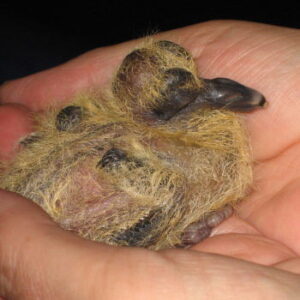
Many baby birds still need feeding at night, especially in the early days. Night feedings are usually less frequent than daytime. Often, feeding every 2 to 3 hours at night is enough. As the baby grows, night feedings reduce or stop.
Some species naturally sleep longer and need fewer night feedings. Others stay active and require more care. Watch the baby bird’s behavior for signs of hunger. Crying or restlessness may mean it needs feeding. Quiet and calm babies usually do not need feeding immediately.
Credit: irishwildlifematters.ie
Signs A Baby Bird Needs Feeding
Recognizing when a baby bird needs feeding is crucial, especially during the night when signs can be subtle. Being able to spot these signals helps you respond promptly and avoid unnecessary stress for the little bird. Let’s look closely at the key signs that show your baby bird is hungry and ready for a feeding.
Hunger Cues To Watch For
Baby birds often open their mouths wide and make soft chirping sounds when they’re hungry. You might notice them stretching their necks upward, trying to reach for food.
Another clear cue is their rapid swallowing motion after you feed them, indicating they are still eager to eat. If you see these signs, it’s a good idea to prepare another feeding soon.
Behavioral Indicators At Night
At night, a hungry baby bird may become restless or start to call out softly. You might hear faint peeping sounds or see fluttering movements inside the nest.
Sometimes, they will shift positions frequently or appear agitated, signaling discomfort from hunger. Have you ever noticed your baby bird waking up and moving around as if searching? That’s a strong hint it’s time to feed.
Types Of Food For Night Feedings
Feeding a baby bird at night requires careful attention to the types of food you offer. The right diet supports their growth and keeps them comfortable until morning. Choosing appropriate food ensures the baby bird gets the nutrients it needs without causing digestive issues during those quiet hours.
Suitable Diet Options
Baby birds need high-protein, easily digestible foods to thrive. Soft foods like moistened dog or cat kibble work well, as they provide necessary nutrients and are gentle on tiny stomachs.
Other excellent choices include specially formulated hand-feeding formulas available at pet stores. These are designed to mimic what parent birds feed their chicks in the wild.
You can also offer small amounts of mashed boiled egg, which is rich in protein and easy to digest. Avoid giving solid seeds or bread, as these can be hard to swallow and digest at night.
Preparing Food Safely
Always prepare baby bird food fresh to avoid bacterial growth. Use clean utensils and warm water to mix formulas or soften kibble, ensuring the temperature is just right—not too hot or cold.
Test the food temperature on your wrist before feeding. It should feel warm, like bath water, to keep the baby bird comfortable and prevent crop burn.
Never reuse leftover food from previous feedings. Discard any uneaten portions to keep your bird safe from infections.
Credit: pethelpful.com
Feeding Techniques After Dark
Feeding a baby bird after dark needs care and patience. Nighttime feeding differs from daytime routines. The bird’s senses are more sensitive, so gentle techniques are vital. Proper feeding helps the baby bird grow strong and stay healthy. Understanding how to feed correctly at night prevents harm and stress.
Proper Handling Methods
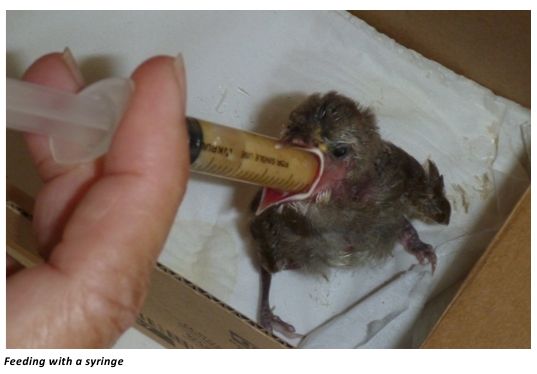
Hold the baby bird gently but firmly. Use soft hands to avoid injury. Support the bird’s body with your palm. Keep the head steady to prevent choking. Use a small syringe or dropper for feeding. Feed slowly to avoid overfilling the stomach. Warm the food to bird body temperature. Cold food can cause discomfort and illness.
Avoiding Stress During Feeding
Keep the room quiet and dimly lit. Loud noises can scare the baby bird. Avoid sudden movements near the bird. Speak softly if needed to calm it. Feed in short sessions to prevent tiredness. Watch for signs of distress, like squirming. Stop feeding if the bird struggles or cries. Let the bird rest between feedings to recover energy.
Adjusting Feeding As The Bird Grows
Adjusting feeding routines as your baby bird grows is essential for its health and comfort. Nighttime feeding demands change quickly during the early weeks, and recognizing these shifts helps you provide the right care. Paying close attention to your bird’s behavior and growth will guide you to adjust feeding frequency effectively.
Changes In Nighttime Needs
Newborn baby birds often require feeding every two to three hours, including during the night. As they grow, their metabolism slows, and their need for nighttime feedings decreases.
You might notice your baby bird becoming more restful and sleeping longer stretches at night. This is a clear sign you can start reducing nighttime feedings.
Ask yourself: Is your bird waking up less frequently or showing signs of being full and satisfied? If yes, it’s time to adjust the schedule.
Transitioning To Daytime Feeding
As nighttime feedings decline, focus shifts to providing enough nutrition during daylight hours. Feeding intervals can stretch out, and you can gradually eliminate night feedings altogether.
Try to feed your bird more during the morning and afternoon to compensate for fewer night meals. This helps the bird build strength and prepare for independence.
Remember, sudden changes can stress the bird. Make adjustments slowly over several days while watching for any signs of hunger or discomfort.
Common Challenges With Night Feedings
Feeding a baby bird at night has unique challenges. The night time is quieter and darker, which affects both the bird and the caregiver. Understanding these challenges helps provide better care and avoid common mistakes.
Night feedings require careful attention to the bird’s needs and health. Mistakes can lead to health issues or disrupt the bird’s natural rest cycle.
Overfeeding Risks
Overfeeding a baby bird at night can cause serious health problems. The bird may get a swollen crop, which is painful and dangerous. Too much food also slows digestion and can lead to vomiting or choking.
Birds need smaller, balanced meals during night feedings. Overfeeding disrupts their natural growth and development. It is important to watch feeding amounts closely.
Dealing With Sleep Disruptions
Night feedings can disturb the baby bird’s sleep pattern. Sleep is vital for growth and immune health. Frequent waking may cause stress and slow recovery.
Creating a calm, quiet environment helps the bird rest better. Minimize noise and light during feedings. Feed quickly but gently to reduce disturbance.
Safety Tips For Nighttime Care
Taking care of a baby bird at night needs special attention. Safety is key for healthy growth and comfort. Proper care helps prevent illness and stress. Here are important safety tips for nighttime care.
Maintaining Cleanliness
Keep the feeding area clean to stop germs from spreading. Use fresh feeding tools each time. Wash hands before and after feeding the bird. Change bedding often to avoid bacteria build-up. Clean droppings away quickly to keep the environment safe.
Ensuring Warmth And Comfort
Baby birds need warmth for energy and growth. Use a soft cloth or towel as bedding. Keep the bird’s nest in a warm, draft-free place. Use a heat lamp or heating pad if needed, but avoid overheating. Check the temperature regularly to keep it steady and cozy.
Frequently Asked Questions
How Often Should I Feed A Baby Bird At Night?
Baby birds typically need feeding every 2-3 hours at night. This frequency supports their rapid growth and energy needs. Avoid overfeeding to prevent health issues. Monitor the bird’s hunger cues and adjust feeding intervals accordingly for optimal care.
Why Is Nighttime Feeding Important For Baby Birds?
Nighttime feeding ensures baby birds get enough nutrition to maintain body temperature. It supports continuous growth and prevents starvation during long nights. Regular feeding also helps their digestive system develop properly, promoting healthy weight gain and overall survival chances.
What Foods Are Best For Feeding Baby Birds At Night?
Soft, easily digestible foods like soaked dog biscuits, mealworms, or specialized bird formula are ideal. Avoid hard or large foods that can choke the bird. Always provide food at room temperature to prevent digestive upset and ensure safe feeding.
Can I Feed A Baby Bird Less Frequently At Night?
Reducing nighttime feedings can harm a baby bird’s growth and health. Young birds need consistent nutrition to thrive. Only reduce feeding frequency if the bird shows signs of being full and healthy or as advised by a wildlife expert.
Conclusion
Feeding a baby bird at night requires care and attention. Consistent feeding helps them grow strong. Night feedings are crucial during their early weeks. Follow a regular schedule to ensure their health. Warm, soft food is easier for them to digest.
Watch their behavior for hunger signs. Quiet and calm surroundings help them feel safe. This routine builds trust and helps them thrive. Remember, patience and love are key. With these tips, you’re well-prepared. Your baby bird will grow healthy and happy.
Keep learning and observing their needs. Your dedication makes a big difference.