
Have you ever wondered if feeding birds during the summer is a good idea? You might think it’s a kind and simple way to help your feathered friends.
But is it really safe or even helpful for them when the weather is warm? What if your actions unintentionally cause harm instead of good? Keep reading to discover what you need to know before offering those bird seeds this summer—and how you can truly make a difference for your backyard visitors.

Credit: dengarden.com
Benefits Of Feeding Birds In Summer
Feeding birds in summer offers many benefits for both the birds and your outdoor space. Birds need extra energy during this season for nesting and raising young. Providing food helps them stay healthy and active. It also creates a lively and colorful backyard environment that many enjoy watching.
Supporting Local Bird Populations
Summer can be a tough time for birds. Natural food sources sometimes become scarce. By feeding birds, you help local populations survive. This support is crucial, especially in urban areas where natural habitats shrink. Birds get a reliable food source that keeps them strong and safe.
Encouraging Nesting And Breeding
Birds need extra nutrition to build nests and raise chicks. Feeding them in summer boosts their energy levels. It increases the chances of successful breeding. Healthy birds produce healthy offspring, helping species thrive. Your feeder becomes a small but vital part of their life cycle.
Enhancing Backyard Biodiversity
Feeding birds attracts many species to your garden. This diversity adds balance to the ecosystem. Birds help control pests by eating insects. They also spread seeds that grow new plants. A bird-friendly yard becomes a natural, vibrant space full of life.
Credit: www.homesandgardens.com
Risks Of Summer Bird Feeding
Feeding birds in the summer may seem kind, but it comes with risks. The warm weather affects the food and the birds in many ways. Understanding these risks helps protect birds and keeps your garden safe.
Heat-related Food Spoilage
Summer heat can spoil bird food quickly. Seeds and suet may grow mold or bacteria. Moldy food can harm birds’ health. Wet or damp food also attracts germs fast. Keep feeders clean and dry to avoid sickness.
Attracting Unwanted Pests
Spilled bird food draws pests like ants, rats, and flies. These pests can spread diseases. They may also harm birds or invade homes. Overfeeding increases the chance of pest problems. Control food amounts and clean areas often.
Impact On Natural Foraging Habits
Regular feeding can change birds’ natural behaviors. Birds may rely too much on feeders. This reduces their skill to find food in nature. It may also affect their diet variety. Let birds forage naturally to keep them healthy and strong.
Best Foods For Summer Feeding
Feeding birds during the summer requires careful food choices. Birds need nourishment and hydration to stay healthy. Choosing the right foods helps them thrive in hot weather. Some foods provide water, while others offer energy and nutrients.
Hydrating Treats For Birds
Water is vital in summer heat. Offer fresh fruits with high water content. Examples include:
- Watermelon
- Cucumber slices
- Oranges
- Grapes
These fruits help birds stay hydrated and cool. You can also provide a shallow dish of fresh water. Change it daily to keep it clean and safe.
Safe Seeds And Fruits
Birds enjoy a variety of seeds and fruits. Choose safe options like:
- Sunflower seeds
- Milo
- Millet
- Apples (cut into small pieces)
- Berries
These foods offer energy and nutrients without harm. Avoid salted or flavored seeds, as they can be toxic.
Avoiding Harmful Foods
Some foods harm birds and must be avoided. Never feed:
- Avocado
- Chocolate
- Onions
- Processed or salty snacks
- Bread in large amounts
These items can cause illness or death. Stick to natural, bird-safe foods for summer feeding.

Credit: www.allaboutbirds.org
Feeder Maintenance Tips
Keeping your bird feeders in great shape during the summer is essential for the health of the birds and the enjoyment you get from watching them. Summer heat and humidity can create the perfect environment for mold and bacteria to grow, which can harm the birds you want to help. Paying attention to maintenance can make all the difference in providing a safe feeding spot.
Cleaning To Prevent Disease
Regular cleaning of feeders is crucial to stop the spread of disease among birds. Use a solution of one part white vinegar to four parts water to scrub feeders thoroughly. Rinse well and let them dry completely before refilling.
Check feeders at least once a week, or more often in hot weather. Leftover food can spoil quickly, attracting pests and making birds sick. Have you noticed any unusual bird behavior near your feeder? It might be time for a cleaning.
Choosing Heat-resistant Feeders
Plastic feeders can warp or crack under intense summer sun, which may make them unsafe or less effective. Metal or glass feeders tend to hold up better in heat and last longer.
Look for feeders labeled as UV-resistant or heat-resistant to ensure they can withstand summer conditions. Your feeder’s durability will save you money and prevent sudden breaks that could injure birds or spill food.
Proper Placement For Shade
Placing your feeder in a shaded area protects the food from spoiling quickly and keeps birds cooler while they eat. Trees or covered patios offer natural protection from direct sunlight.
Consider how the sun moves throughout the day and place feeders where they get shade during the hottest hours. Have you tried moving your feeder to different spots? You might find birds prefer feeding in cooler, shaded places.
Timing And Frequency
Timing and frequency matter when feeding birds in the summer. Birds are most active at certain times of the day. Feeding them at the right time helps them find food naturally and stay healthy. It also keeps your garden clean and prevents overfeeding. Adjusting how often you feed birds helps maintain balance in their diet and supports their natural habits.
Morning Feeding Benefits
Feeding birds in the morning gives them energy for the day. Birds need fuel after a long night without food. Morning feeding helps young and adult birds start strong. It encourages natural foraging later in the day. Birds use this energy to find insects, seeds, and water.
Reducing Evening Feedings
Evening feedings can cause problems. Birds fed late may not forage enough before night. This can make them dependent on feeders. Leftover food attracts pests and molds overnight. Reducing evening feedings helps birds stay active and healthy. It also keeps feeders clean and fresh.
Adjusting To Bird Activity Patterns
Bird activity changes with the seasons and weather. In summer, birds are busiest early and late in the day. Adjust feeding times to match these peaks. Watch when birds visit your feeder most. Feed less during hot midday hours when they rest and seek shade.
Alternatives To Feeding
Feeding birds during summer is not always the best choice. Birds often find enough natural food at this time. Offering other help supports their health and comfort without disturbing their habits. Several alternatives can enrich your garden for birds and encourage them to visit safely.
Providing Fresh Water Sources
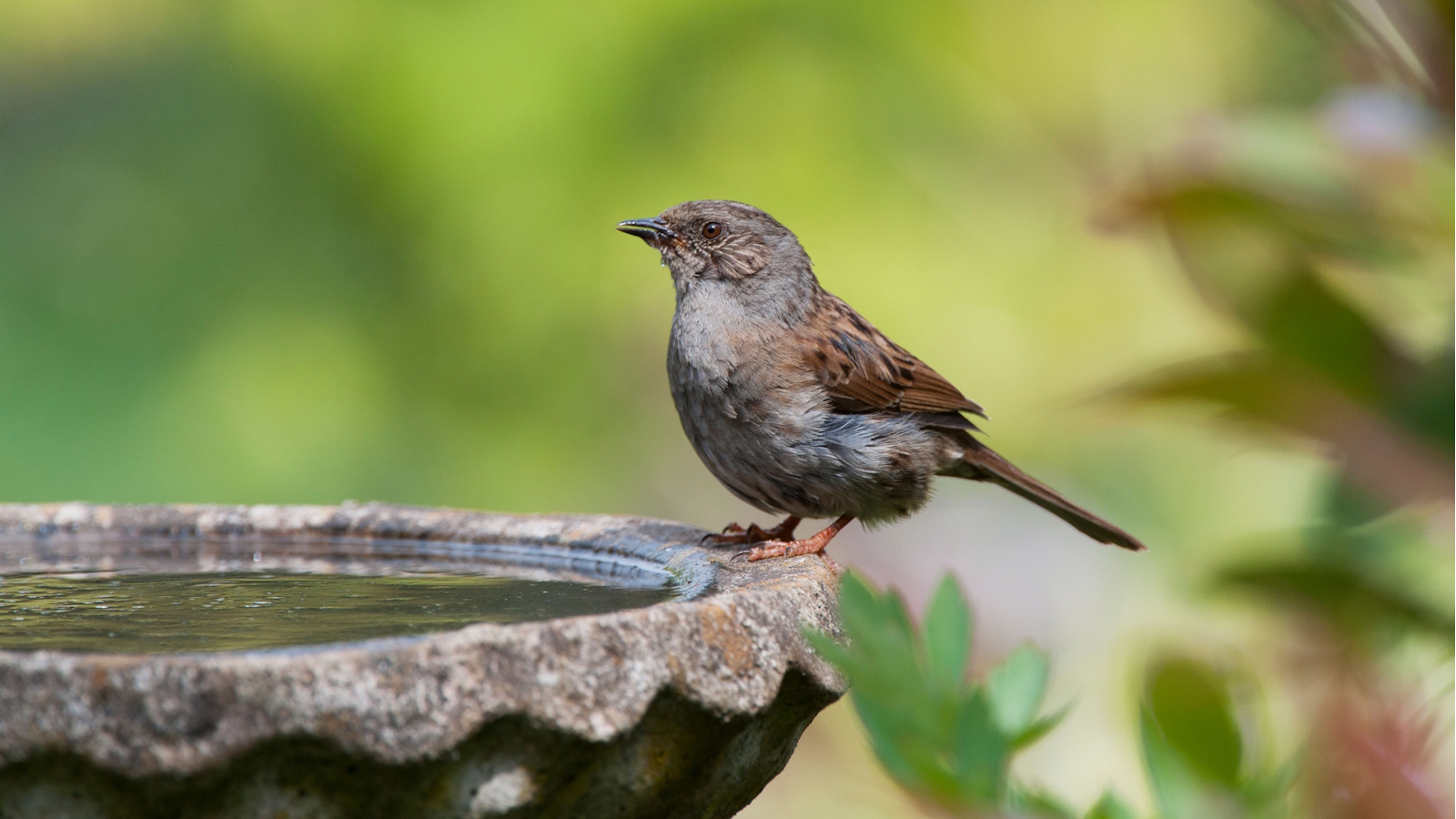
Birds need water for drinking and bathing, especially in hot weather. A clean water source attracts many species. Small birdbaths or shallow dishes work well. Change water daily to keep it fresh and safe. Adding stones helps birds perch easily while drinking.
Planting Bird-friendly Gardens
Gardens full of native plants offer food and shelter naturally. Choose plants with berries, seeds, and nectar. Flowers like sunflowers and coneflowers attract seed-eaters and pollinators. Trees and shrubs provide hiding spots and nesting places. A diverse garden supports a wide range of birds.
Creating Natural Shelter Spots
Birds need shelter from weather and predators. Piling sticks or creating brush piles offers safe resting areas. Nesting boxes can help cavity-nesting birds. Leave some areas of your garden wild and undisturbed. These spaces give birds quiet places to live and raise young.
Frequently Asked Questions
Is Feeding Birds In Summer Safe For Them?
Yes, feeding birds in summer is safe if done properly. Provide fresh water and avoid moldy or spoiled food to prevent illness.
What Foods Are Best For Summer Bird Feeding?
Offer fruits, seeds, and mealworms in summer. Avoid bread and processed foods as they can harm birds. Fresh water is essential.
How Often Should I Clean Bird Feeders In Summer?
Clean feeders every 3-4 days in summer to prevent mold and bacteria. Use mild soap and rinse thoroughly before refilling.
Can Feeding Birds In Summer Affect Their Natural Habits?
Feeding birds responsibly in summer does not harm their natural foraging. It supplements their diet during hot, dry periods when food is scarce.
Conclusion
Feeding birds in summer can be beneficial. It helps them find food. Birds may struggle with natural food sources. Offering seeds and water can assist them. Use bird feeders to keep things clean. Avoid bread; it isn’t nutritious for birds.
Choose seeds like sunflower or millet. Watching birds can be relaxing and educational. Just ensure feeders are clean to prevent disease. Enjoy the beauty and songs of summer birds. Keep your space safe and welcoming for them. Feeding birds can be a joyful summer activity.