
Have you ever watched a baby bird being fed and wondered, “What do young birds eat?” Knowing what these tiny creatures need to grow strong is more fascinating than you might think. Whether you’re a bird lover, a curious nature observer, or someone who wants to help wildlife, understanding their diet is key.
You’ll discover exactly what young birds feed on and why their meals are so important. Keep reading to unlock the secrets of their early nutrition and see how you can make a difference in their survival.

Credit: www.youtube.com
Types Of Food For Young Birds
Young birds need special diets to grow strong and healthy. Their food choices depend on their species and age. The right food gives them energy and helps build their bodies. Here are some common types of food young birds eat.
Insects And Larvae
Many young birds eat insects and larvae. These foods are rich in protein and easy to digest. Caterpillars, beetles, and flies are common choices. Insects help young birds develop muscles and feathers quickly.
Seeds And Grains
Seeds and grains provide important nutrients like carbohydrates and fats. Some young birds, especially finches and sparrows, eat small seeds. These foods give energy for daily activities and growth. Softening seeds makes them easier to eat.
Fruits And Berries
Fruits and berries supply vitamins and water. Many young birds enjoy sweet fruits like berries and small pieces of apples. These foods support their immune system and keep them hydrated. Soft fruits are easier for young birds to swallow.
Regurgitated Food From Parents
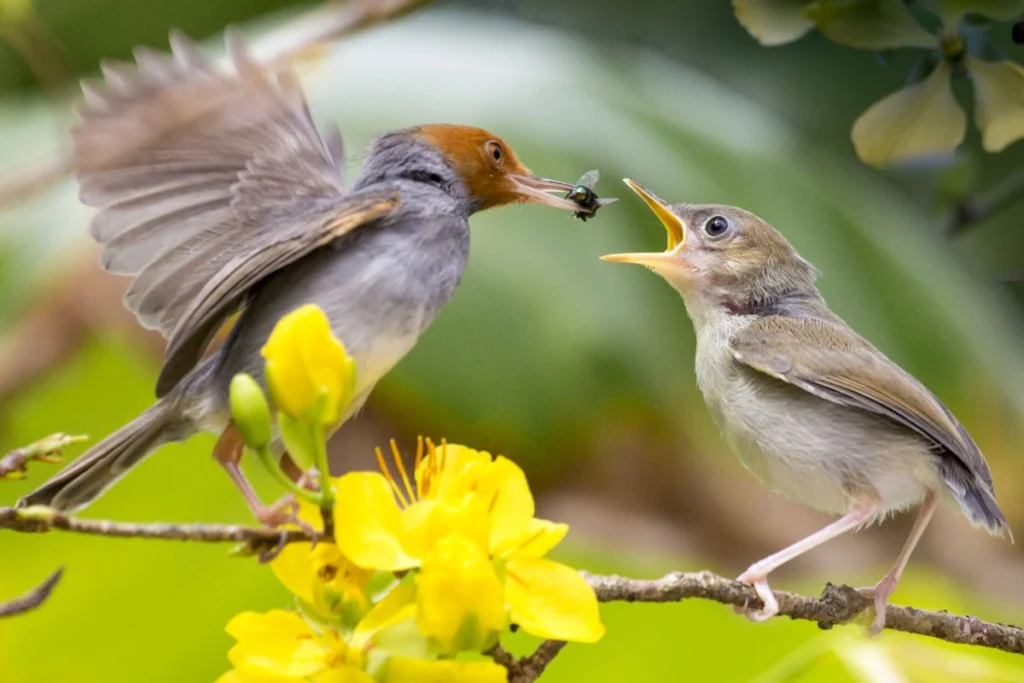
Parent birds often feed young birds by regurgitating food. This food is partially digested and easier to eat. It usually includes insects, seeds, or fruit. Regurgitated food helps young birds get nutrients they cannot digest alone.
Credit: wildbloo.com
Feeding Habits By Bird Species
Young birds have diverse feeding habits that vary widely across species. Understanding these habits helps you identify what to offer if you’re caring for baby birds or want to support wildlife in your area. Each bird species has unique nutritional needs that match their natural diets and growth stages.
Songbirds
Songbird chicks mostly eat insects and soft-bodied invertebrates. Parents bring caterpillars, spiders, and beetle larvae to their young, providing protein essential for fast growth.
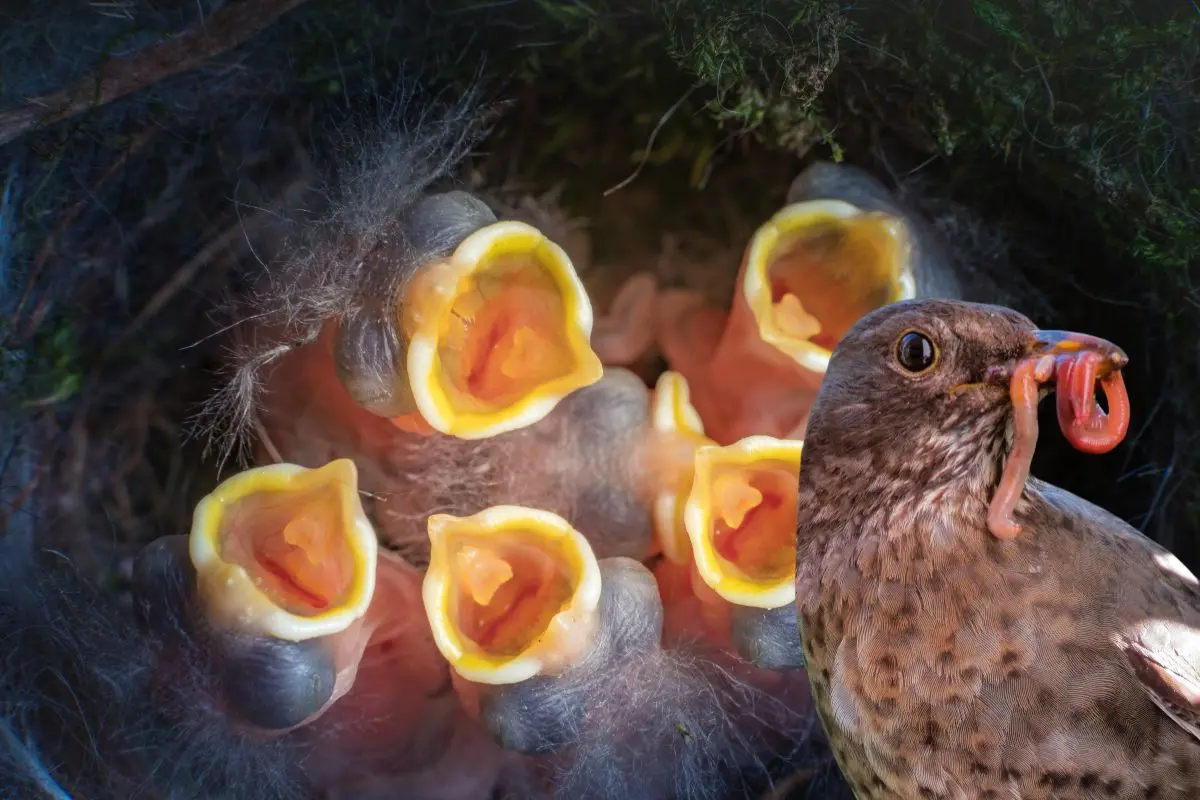
If you’ve ever watched a robin feed its chicks, you’ve seen quick, frequent trips with tiny worms. This constant feeding ensures the young birds get enough energy to develop strong wings and feathers.
Waterfowl
Ducklings and goslings feed on a mix of aquatic plants, insects, and small crustaceans. Their diet changes as they grow, starting with more animal protein and shifting toward plant matter.
Have you noticed how mallard ducklings explore shallow water, nibbling on algae and small bugs? This behavior helps them build a balanced diet naturally suited for water environments.
Raptors
Young birds of prey depend heavily on meat. Parents hunt small mammals, birds, or reptiles and tear the food into manageable pieces for their chicks.
Watching a hawk feed its young can be intense—feeding sessions are less frequent but involve high-energy meals. This feeding style supports the chicks’ rapid muscle and flight development.
Parrots And Tropical Birds
Parrot chicks eat regurgitated food from their parents, which often includes fruits, seeds, and nuts. This pre-digested food is easier to swallow and digest for the young birds.
In tropical environments, you might see parent parrots feeding their young a mix of soft pulp and small insects. This variety ensures the chicks get vitamins and proteins needed for healthy growth.
Nutritional Needs Of Nestlings
Nestlings need specific nutrients to grow strong and healthy. Their diet supports rapid development and energy. Parents provide food rich in essential nutrients. Understanding these needs helps explain what young birds eat.
Protein Requirements
Protein is vital for nestlings. It builds muscles, feathers, and tissues. Young birds need more protein than adults. Insects and small invertebrates provide high protein. Many bird parents catch worms, caterpillars, and spiders. These foods help the chicks grow quickly.
Hydration And Fluids
Water is crucial for nestlings. They get fluids from the food parents bring. Soft, juicy prey like caterpillars and fruits contain water. Nestlings rarely drink water directly. Proper hydration supports digestion and body functions. Dehydration can harm their growth and health.
Vitamins And Minerals
Vitamins and minerals support many body processes. Calcium strengthens bones and beaks. Iron helps blood carry oxygen. Vitamins A and E boost the immune system. Parents select a variety of foods to cover these needs. A balanced diet ensures nestlings develop properly.
How Parents Feed Their Young
Bird parents play a vital role in feeding their young. They use special skills to find and deliver food. Their efforts help chicks grow strong and healthy. Feeding young birds requires patience and careful attention. Different bird species use unique ways to feed their chicks.
Hunting And Foraging Techniques
Parents search for food near the nest or far away. Some birds catch insects in the air. Others pick seeds or worms from the ground. Birds like hawks hunt small animals to feed chicks. Some species dive into water to catch fish. Parents choose food that is easy for chicks to eat.
Food Delivery Methods
Parents carry food back to the nest in their beaks. They often break food into small pieces first. Some birds feed their young by placing food directly in their mouths. Others drop food near the chicks, letting them grab it. Parents may also regurgitate food to soften it. This makes it easier for young birds to swallow.
Frequency Of Feeding
Parents feed their young many times a day. Feeding happens more often when chicks are very young. Chicks need constant nutrition to grow quickly. As they get older, feeding becomes less frequent. Some parents work together to feed chicks more often. Feeding schedules depend on the species and food availability.
Challenges In Young Birds’ Diet
Young birds face several challenges when it comes to their diet. These challenges can affect their growth and chances of survival. Understanding these difficulties helps you appreciate the delicate balance in nature that supports their development.
Food Scarcity
Finding enough food is a major hurdle for young birds. Parents must locate sufficient insects, seeds, or other prey to feed their chicks. During droughts or in areas with few resources, this task becomes even harder.
You might wonder how birds manage when food is scarce. Some species adapt by expanding their diet or traveling further. However, these changes can increase the energy parents spend, risking their own health.
Predation Risks During Feeding
Feeding time is dangerous for young birds. Predators often watch nests, waiting for a chance to snatch vulnerable chicks. Parents must balance between feeding quickly and staying alert.
Have you noticed how some birds feed their young in hidden spots or at odd hours? This behavior helps reduce the risk of predators. Yet, it also means less frequent feeding, which can slow chick growth.
Impact Of Environmental Changes
Environmental shifts like habitat loss and pollution disrupt young birds’ diets. Changes in temperature can affect insect populations or seed availability. This directly reduces the food options for growing chicks.
Imagine a forest where pollution kills many insects—the main food source for a bird species’ young. Without enough food, survival rates drop. Protecting habitats means safeguarding the future of these birds.
Human Impact On Young Bird Diets
Human activities shape the diets of young birds in ways you might not expect. These changes can either help or harm their growth and survival. Understanding how your environment and actions affect what young birds eat is key to supporting their development.
Urbanization Effects
Cities and towns change the natural food sources available to young birds. With fewer insects and native plants, many chicks miss out on vital nutrients. You might notice young birds in urban parks eating scraps or processed foods, which lack the proteins and fats they need.
Have you ever wondered if the birds around you are getting the right food? Urban settings often force birds to adapt or struggle, impacting their health and chances to thrive.
Supplemental Feeding By Humans
Feeding birds in your backyard can seem helpful, but it’s important to offer the right kinds of food. Bread or junk food can harm young birds, causing malnutrition or digestive problems. Instead, try providing mealworms, seeds, or specialized bird feed.
Many bird lovers don’t realize that their good intentions might lead to dependency or poor diets. How do you ensure your feeding habits support healthy growth instead of harm?
Conservation Efforts
Conservation groups focus on restoring natural habitats and educating people about young bird diets. These efforts include planting native flora and creating safe feeding spots that mimic natural conditions. You can get involved by supporting local projects or planting bird-friendly gardens.
Imagine the impact if more communities took simple steps to improve young birds’ nutrition. What small change could you make today to help the birds in your area?
Credit: wildbloo.com
Frequently Asked Questions
What Do Young Birds Eat In Their Early Days?
Young birds primarily eat soft, easily digestible foods like insects, worms, and regurgitated meals provided by parents. This diet ensures they receive essential nutrients for growth and development during their vulnerable early stages.
How Do Parent Birds Feed Their Chicks?
Parent birds feed chicks by catching and softening food, then regurgitating it directly into their mouths. This method helps young birds digest food easily and get the necessary nutrients for healthy growth.
Why Are Insects Important For Young Birds’ Diet?
Insects are rich in protein and vital nutrients crucial for young birds’ muscle and feather development. Feeding on insects supports their rapid growth and strengthens their immune systems during early life stages.
When Do Young Birds Start Eating Solid Food?
Young birds begin eating solid food around two to three weeks after hatching. This transition occurs as their digestive systems mature, allowing them to handle more complex foods besides regurgitated meals.
Conclusion
Young birds eat mostly soft, easy-to-digest foods. Their parents bring insects, worms, and small seeds to feed them. These foods give young birds the energy to grow strong. As they get older, they try different foods on their own. This helps them learn what they like and need.
Watching what young birds eat teaches us about nature. It shows how animals care for their babies. Feeding habits also change with the seasons and bird types. Understanding this helps protect young birds in the wild. Caring for young birds means giving them the right food to thrive.