
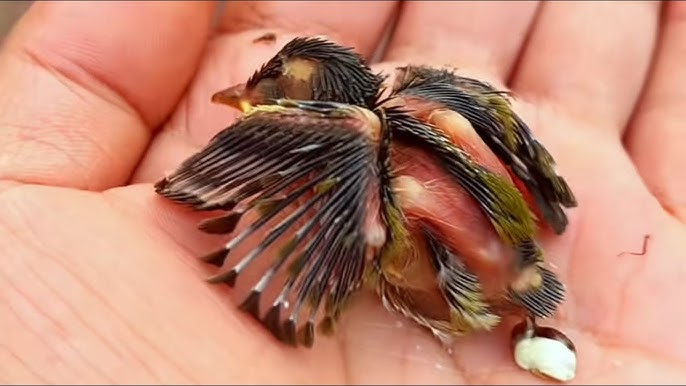
Have you ever found a tiny, helpless baby bird and wondered, “What do I feed it?” It’s natural to want to help, but feeding a wild baby bird isn’t as simple as giving it any food you have. Your choice can mean the difference between life and harm.
In this guide, you’ll discover exactly what to feed a baby bird to keep it safe and healthy. Keep reading—your quick actions and the right food could save a precious little life.
Identifying Baby Birds In Need
Knowing how to identify baby birds that truly need help is crucial before offering food. Many young birds appear vulnerable but are healthy and cared for by their parents. Understanding the signs of distress and the bird’s development stage can prevent unnecessary interference. This section helps you recognize when a wild baby bird needs assistance and how to tell its growth phase.
Signs A Baby Bird Needs Help
- Bird is alone for a long time without parent visits
- Visible injuries or bleeding on wings or body
- Feathers are missing or patchy, exposing skin
- Bird is cold, weak, or shivering
- Constant loud crying or distress calls
- Bird is unable to move or stand properly
- Parents are absent despite repeated observation
These signs suggest the bird may be orphaned or injured. Immediate attention might be necessary.
Distinguishing Between Nestlings And Fledglings
| Characteristic | Nestlings | Fledglings |
|---|---|---|
| Feather Coverage | Few or no feathers, mostly pink skin | Mostly feathered, some baby down may remain |
| Mobility | Cannot hop or fly, stays in nest | Can hop, flutter wings, may leave nest |
| Eye Opening | Eyes often closed or barely open | Eyes fully open and alert |
| Parent Care | Fully dependent on parents for food | Begging for food but starting to explore |
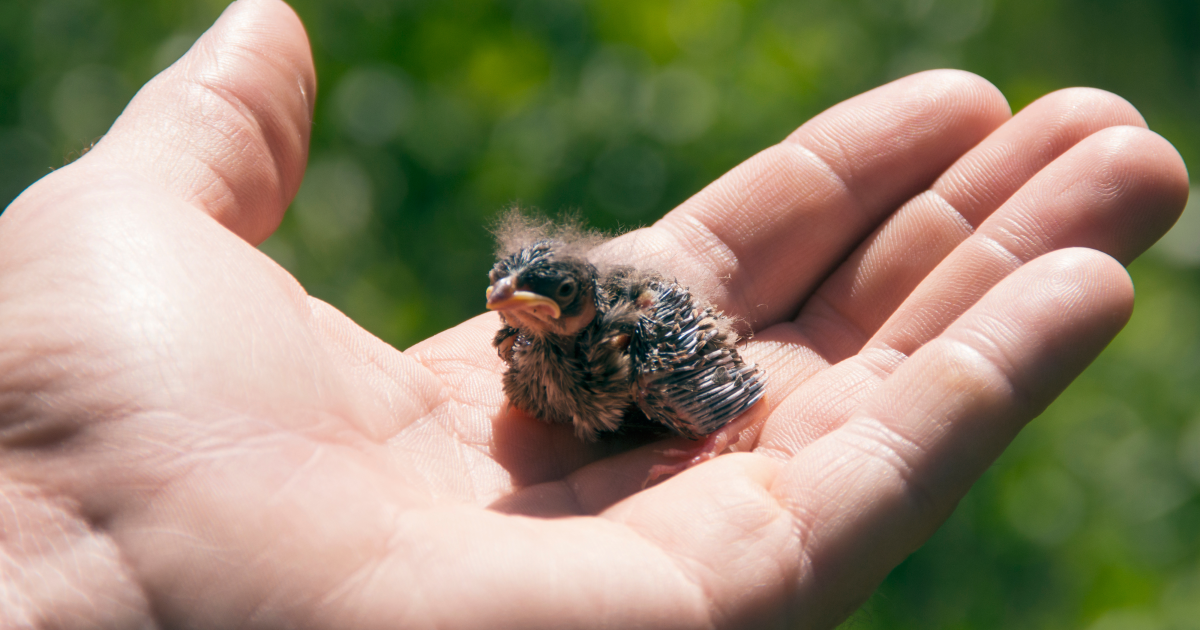
Nestlings need more immediate care than fledglings. Fledglings often stay on the ground briefly as they learn to fly. Knowing these differences helps decide if intervention is necessary.
Assessing The Situation Safely
Finding a baby bird on the ground can stir a mix of emotions. You might feel compelled to help immediately, but it’s crucial to assess the situation safely before taking action. Understanding when to intervene and knowing who to contact can make all the difference in giving that little bird the best chance of survival.
When To Intervene
Not every baby bird on the ground needs rescuing. Many fledglings leave the nest as part of their natural learning process and are often still being cared for by their parents nearby.
Look for signs of injury or abandonment before stepping in. If the bird is injured, cold, or in immediate danger from predators or human activity, it’s time to act.
Ask yourself: Is the bird fluttering around, alert, and chirping? Or is it silent, lethargic, and visibly hurt? Your answer guides whether intervention is necessary.
Contacting Wildlife Professionals
When unsure about the bird’s condition or how to care for it, reach out to wildlife rehabilitators or local animal rescue groups. These experts have the right knowledge and permits to handle wild birds properly.
Keep the bird safe while you wait by placing it in a small, ventilated box lined with soft cloth. Avoid feeding or giving water unless instructed by a professional, as improper care can cause harm.
Remember, your phone call can be the lifeline that connects a vulnerable bird to the specialized care it needs. Have local wildlife contacts saved in your phone for quick access in emergencies.
Basic Nutritional Needs
Understanding the basic nutritional needs of a wild baby bird is essential if you find yourself caring for one. Baby birds grow quickly and require specific nutrients to develop strong bones, feathers, and muscles. Meeting these needs means providing the right balance of proteins, fats, vitamins, and moisture.
What Baby Birds Eat In The Wild
Baby birds primarily eat what their parents bring them, which varies by species but often includes insects, worms, and soft fruits. These foods are rich in protein and easy to digest, which supports rapid growth. For example, many songbirds rely on caterpillars and beetle larvae because they are packed with nutrients that young birds need.
Do you know that parent birds feed their chicks up to 100 times a day? This frequent feeding ensures constant energy and nutrients. If you’re feeding a baby bird, try to mimic this variety and frequency to keep them healthy.
Importance Of Hydration
Hydration is just as critical as nutrition for baby birds. They get most of their water from the food their parents provide, especially juicy insects and fruits. If you feed a baby bird dry food, you need to add water carefully to prevent dehydration.
Watch the baby bird’s behavior closely—if it seems lethargic or weak, it might not be getting enough fluids. Offering small amounts of water with a dropper can help, but avoid giving water directly to prevent choking. Are you prepared to balance both food and water to keep the baby bird thriving?
Suitable Food Options For Rescue
Feeding a wild baby bird requires careful choice of foods that meet its nutritional needs. Rescue birds need diets close to what their parents provide. This helps them grow strong and healthy. Knowing suitable food options is vital for their survival and recovery.
Insects And Protein Sources
Protein is key for baby birds. Insects supply essential nutrients and energy. Offer small live or dried insects like mealworms, crickets, or flies. These mimic natural feeding habits and aid growth.
Other protein sources include:
- Boiled eggs, finely chopped
- Softened dog or cat food (high protein)
- Cooked lean meats, shredded
Always avoid seasoning or additives. Protein helps build strong muscles and supports development.
Fruits And Seeds
Fruits provide vitamins and hydration. Soft fruits like mashed bananas, berries, or apples work well. Seeds offer fats and carbs for energy. Use small, easy-to-digest seeds like millet or finely crushed sunflower seeds.
Examples of suitable fruits and seeds:
- Mashed berries or melon
- Chopped grapes or peaches (seedless)
- Finely crushed seeds mixed with fruits
Freshness matters. Remove any seeds or pits that may choke the bird.
Avoiding Harmful Foods
Many foods can harm baby birds. Never feed bread, milk, or processed human snacks. These can cause digestive problems or poisoning.
Avoid:
- Salted, sugary, or fried foods
- Avocado and chocolate
- Onions, garlic, and caffeine
Offer only safe, natural foods. Proper diet reduces stress and supports recovery.
Feeding Techniques And Tools
Feeding a wild baby bird requires careful attention to technique and the right tools. You want to ensure the bird gets the nutrients it needs without causing harm. Using proper feeding methods not only improves the bird’s chances of survival but also makes the process smoother and safer for you.
Safe Feeding Methods
Feeding a baby bird safely means avoiding force and ensuring the bird can swallow easily. Hold the bird gently but securely to prevent injury or stress. Never force food into its throat; instead, offer small amounts and watch for swallowing cues.
Always use food that mimics what the bird would eat in the wild. Avoid giving bread or milk, as these can be harmful. Instead, opt for soft, protein-rich foods like soaked dog kibble, mealworms, or finely chopped insects.
Keep the feeding environment warm and calm. A stressed bird may refuse to eat or choke. Your calm presence helps the bird focus on feeding.
Using Syringes And Tweezers
Syringes and tweezers are invaluable tools when feeding baby birds. A syringe with no needle allows you to control the amount of food gently delivered into the bird’s mouth. Start with very small amounts and increase gradually as the bird adjusts.
Tweezers help you mimic the natural feeding process by offering small pieces of food directly. This method encourages the bird to peck and swallow, promoting natural behavior. Be patient—some birds take time to learn how to eat from tweezers.
Always sterilize your tools before and after each feeding session to prevent infections. Have you noticed how a slight change in tool size or shape can make feeding easier? Experiment to find what works best for your little patient.

Credit: www.youtube.com
Frequency And Quantity Of Feeding
Feeding a wild baby bird requires attention to both how often and how much you feed. Proper frequency and quantity ensure the bird stays healthy and grows strong. Feeding too little can cause weakness, while too much can harm its delicate system. Understanding the bird’s age is key to meeting its nutritional needs.
Feeding Schedules By Age
Newborn birds need feeding very often, about every 15-20 minutes during daylight. As they grow, feedings become less frequent but larger in amount.
| Age | Feeding Frequency | Quantity per Feeding |
|---|---|---|
| Newborn (0-3 days) | Every 15-20 minutes | Small drops, just enough to fill the crop |
| 3-7 days | Every 30 minutes | About 1/4 to 1/3 of the crop volume |
| 1-2 weeks | Every 45 minutes to 1 hour | Increasing amounts as bird grows |
| 2+ weeks | Every 1-2 hours | More solid food, larger portions |
Signs Of Overfeeding Or Underfeeding
- Overfeeding:Swollen crop, vomiting, lethargy
- Underfeeding:Weakness, constant crying, slow growth
- Check the crop before each feeding to see if it’s empty
- Adjust feeding amounts based on bird’s energy and weight
Maintaining Hygiene And Health
Keeping a wild baby bird healthy starts with maintaining strict hygiene. Dirty feeding tools can introduce harmful bacteria or fungi that quickly make a tiny bird very sick. You want to create a safe environment where the bird can grow strong without the risk of infection.
Cleaning Feeding Equipment
Every time you feed a baby bird, clean the feeding tools immediately afterward. Use warm, soapy water and rinse thoroughly to remove any food residue. Avoid harsh chemicals that could leave harmful traces.
Allow the equipment to air dry completely before the next feeding. This simple habit prevents mold and bacteria buildup. If you notice cracks or damage to bottles or syringes, replace them to avoid contamination.
Monitoring For Illness
Watch the baby bird closely for any signs of illness. Look for unusual lethargy, changes in appetite, or abnormal droppings. These symptoms often show up before the bird visibly weakens.
If you spot anything concerning, consult a wildlife rehabilitator immediately. Acting fast can mean the difference between recovery and serious health problems. Have you ever noticed subtle signs that something was off with an animal? Paying attention to these details could save a life.
Credit: www.petsradar.com
Preparing For Release
Preparing a wild baby bird for release takes careful attention and patience. Your goal is to help the bird regain its independence while ensuring it can survive in its natural environment. This stage is crucial because it sets the foundation for the bird’s success outside your care.
Encouraging Natural Behaviors
Encouraging natural behaviors means helping the bird practice skills it will need in the wild. You can create a small outdoor aviary or safe space where the bird can flap its wings and explore different perches. This mimics the challenges it would face in nature and builds strength.
Offer natural food sources like insects, seeds, or berries instead of hand-feeding exclusively. This teaches the bird to find and eat food on its own. Have you noticed how quickly some birds pick up hunting or foraging skills when given the chance?
Introduce mild weather changes gradually to prepare the bird for outdoor conditions. Avoid keeping it in a temperature-controlled environment all the time. This exposure helps the bird adjust and reduces shock after release.
Timing The Release
Timing the release is about choosing the right moment to set the bird free. Release too early, and the bird might not survive; wait too long, and it could become dependent on humans. Look for signs like strong flight ability and self-feeding behavior.
Consider the season and weather conditions. Spring and early summer often provide more food and milder weather, increasing survival chances. Have you checked local wildlife regulations or sought advice from experts about the best release times?
Plan the release location carefully. Choose a spot with plenty of food, water, and shelter. Avoid areas with heavy traffic or predators. Your choice can make all the difference in the bird’s new life.
Credit: pethelpful.com
Frequently Asked Questions
What Should I Feed A Wild Baby Bird Initially?
Feed wild baby birds with soft, protein-rich foods like soaked dog kibble, mealworms, or mashed hard-boiled eggs. Avoid bread or milk, as these harm birds. Provide small, frequent meals to mimic natural feeding patterns.
Can I Feed Wild Baby Birds Bread Or Milk?
No, bread and milk are harmful to wild baby birds. Bread lacks nutrients and can cause malnutrition. Milk can upset their digestive system since birds are lactose intolerant. Always choose high-protein, bird-safe foods.
How Often Should I Feed A Wild Baby Bird?
Feed wild baby birds every 15-20 minutes from dawn to dusk. Young birds require frequent meals to grow quickly. As they mature, feeding intervals can be gradually extended.
Is It Safe To Feed Wild Baby Birds Insects?
Yes, insects like mealworms and crickets are excellent for baby birds. They provide essential proteins and fats for growth. Ensure insects are fresh and pesticide-free before feeding.
Conclusion
Feeding a baby bird requires care and understanding. Fresh food helps them grow strong. Offer small, digestible pieces. Avoid giving milk or bread. These can harm the bird. Opt for soft fruits or insects. Hydration is crucial. Provide clean water but not too much.
Consult a vet if unsure. They can guide you further. Protect the bird from harm. A safe space is essential for recovery. Patience and kindness matter most. Your efforts can make a difference. Nurturing a baby bird is rewarding. A chance to connect with nature.