
Spring is the perfect time to welcome wild birds back to your yard. But what should you feed them to keep them healthy and happy?
Choosing the right food not only attracts more birds but also helps them thrive during this busy season. If you want to make a real difference for your feathered friends, keep reading. You’ll discover simple tips that will turn your outdoor space into a bird’s favorite spot this spring.
Credit: localgardener.net
Best Seeds For Spring
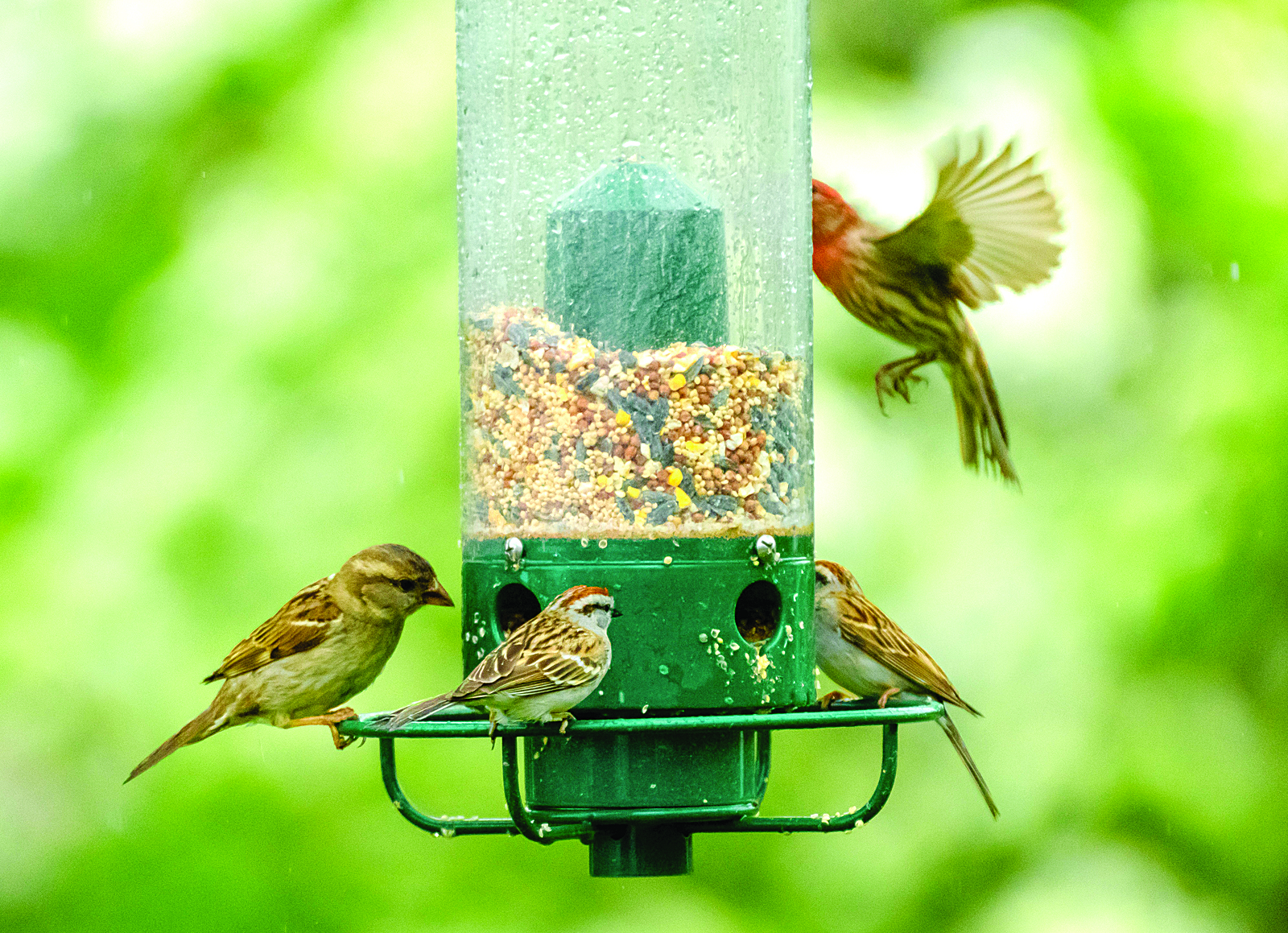
Choosing the right seeds helps wild birds thrive during spring. Seeds provide essential nutrients to boost their energy and support nesting. Feeding birds the best seeds attracts a variety of species to your garden.
Sunflower Seeds
Sunflower seeds are a favorite for many wild birds. They contain high fat and protein, helping birds stay strong. Black oil sunflower seeds have thin shells, easy for small birds to crack. These seeds attract finches, chickadees, and cardinals.
Millet Varieties
Millet is a small, round seed loved by ground-feeding birds. White proso millet is common and easy for birds to eat. It attracts sparrows, doves, and juncos. Millet is light and spreads easily on the ground or trays.
Safflower Seeds
Safflower seeds have a tough outer shell that squirrels dislike. This keeps seeds safe for birds. Cardinals and grosbeaks enjoy safflower seeds the most. They offer a good source of energy and nutrients for birds.
Credit: help.gardeningexpress.co.uk
Fruits And Berries
Fruits and berries are excellent choices to feed wild birds during spring. They offer natural sugars and nutrients that help birds regain energy after a long winter. Providing a variety of fruits can attract different bird species, making your garden a lively spot for birdwatching.
Fresh Berries
Fresh berries like blueberries, strawberries, and blackberries are a favorite among many wild birds. These berries are packed with vitamins and antioxidants that support birds’ health. You can scatter them on a platform feeder or place them on a shallow dish to make it easy for birds to find.
Have you noticed how quickly birds flock when you put out fresh berries? It’s a simple way to bring more life and color to your backyard.
Chopped Apples
Chopped apples are a great treat, especially for fruit-eating birds such as robins and waxwings. Make sure to cut the apples into small, manageable pieces to prevent choking. Avoid seeds, as they can be harmful to birds.
Adding chopped apples can also encourage less common visitors to stop by. Do you have a favorite bird you want to attract? Try offering apples and watch who comes!
Grapes And Raisins
Grapes and raisins provide a sweet, energy-rich snack that many birds enjoy. You can offer whole grapes or split them in half for easier eating. Raisins work well too, but soak them briefly in water to soften them up and reduce stickiness.
Think about the variety of birds you might attract by adding these treats. Wouldn’t it be exciting to see a new species visit your feeding area this spring?
Nuts And Their Benefits
Nuts are a great food choice for wild birds in spring. They provide essential fats and proteins. These nutrients help birds stay active and healthy during breeding and nesting season. Nuts also offer energy for long flights and help birds maintain warm body temperatures. Feeding nuts attracts many bird species, increasing your chances of birdwatching.
Peanuts And Peanut Butter
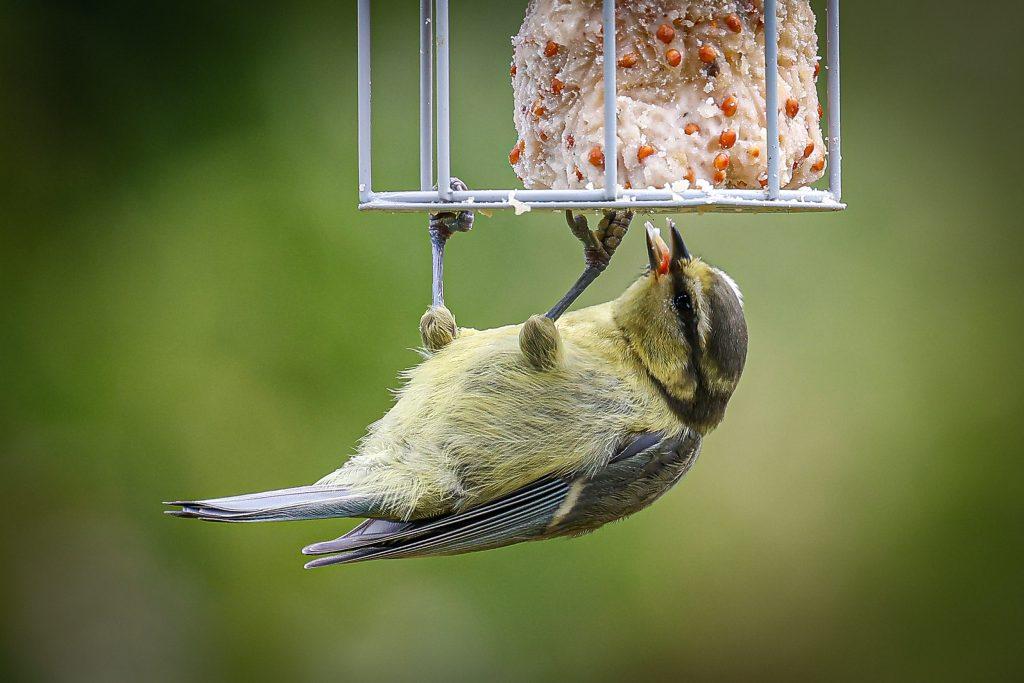
Peanuts are a favorite among many wild birds. They are rich in protein and fat, which birds need in spring. Offer peanuts either shelled or unshelled. Avoid salted or flavored peanuts as they can harm birds. Peanut butter is another option but choose natural, unsweetened types. Spread small amounts on feeders or tree bark. Birds like woodpeckers, chickadees, and nuthatches enjoy peanut butter.
Shelled Almonds
Shelled almonds are easy for birds to eat and digest. They are full of healthy fats and vitamins. Chop almonds into small pieces to make them easier for birds. Almonds attract larger birds like jays and grosbeaks. Make sure almonds are unsalted and not roasted. Fresh almonds provide good energy, helping birds during nesting and feeding young.
Walnuts And Pecans
Walnuts and pecans offer rich nutrition for wild birds. They contain fats, protein, and minerals. Break nuts into smaller pieces to help birds eat them. These nuts attract woodpeckers, nuthatches, and titmice. Avoid any nuts with added salt or sugar. Fresh, raw walnuts and pecans support bird health and boost energy in spring.
Insects And Protein Sources
Spring is a busy time for wild birds. They need extra energy and nutrients to build nests and raise their young. Insects and protein sources are essential to meet these needs and keep them healthy during this demanding season.
Mealworms
Mealworms are a favorite among many wild birds. They are rich in protein and easy to offer in your backyard feeder.
You can buy dried or live mealworms, but live ones tend to attract more birds like bluebirds and robins. I once watched a group of chickadees eagerly pecking at mealworms, and it was amazing to see how quickly they disappeared.
Try placing mealworms in a shallow dish or a specialized feeder to keep them accessible and fresh.
Crickets
Crickets provide another great protein option for wild birds. They are especially loved by insect-eating species such as wrens and sparrows.
Offering live crickets mimics natural foraging and encourages birds to stay active and healthy. You can keep crickets in a small container and feed them as needed.
Be sure to provide water and a little food for the crickets to keep them lively and appealing to your feathered visitors.
Other Insect Options
Besides mealworms and crickets, many other insects can boost a bird’s diet in spring. Waxworms, small beetles, and caterpillars are excellent choices to diversify their meals.
Have you considered growing a small insect-friendly garden? Plants like milkweed attract caterpillars, which you might spot and offer to birds.
Remember, fresh and varied protein sources support stronger, healthier birds and can make your backyard a buzzing wildlife hotspot.
Avoid These Foods
Feeding wild birds in spring helps them stay healthy and strong. Choosing the right food is very important. Some foods can harm birds or make them sick. Avoid these foods to protect the birds you want to help.
Processed Human Foods
Processed foods contain chemicals and additives. These can upset a bird’s stomach or cause illness. Avoid giving birds bread, chips, or leftovers. These foods lack the nutrients birds need to grow and stay healthy.
Salty Or Sugary Items
Salty snacks like pretzels or popcorn can dehydrate birds. Sugar in candies or desserts is bad for their digestion. These foods can cause serious health problems. Always skip salty or sugary treats when feeding birds.
Toxic Plants And Seeds
Many plants and seeds are toxic to birds. Avoid avocado, rhubarb, and tomato leaves. Some seeds, like cherry pits, also harm birds. Feeding these can cause poisoning or death. Stick to safe, bird-friendly seeds and plants instead.

Credit: www.allaboutbirds.org
Feeding Tips For Spring
Spring is a busy time for wild birds. They need extra energy after winter. Offering the right food helps them stay healthy. Follow simple feeding tips to support their needs safely.
Keeping Feeders Clean
Clean feeders prevent disease spread among birds. Wash feeders every few days with hot water. Use a mild soap and rinse well. Let feeders dry completely before refilling. Avoid mold and spoiled seeds that harm birds.
Feeding Frequency
Feed birds regularly but avoid overfeeding. Offer fresh food daily to keep birds coming back. Remove leftover seeds to stop pests. Keep feeding as natural food becomes more available.
Safe Feeding Locations
Place feeders where birds feel safe from predators. Avoid spots near busy roads or noisy areas. Choose shaded areas to keep food fresh longer. Keep feeders away from windows to prevent collisions.
Frequently Asked Questions
What Foods Attract Wild Birds In Spring?
Wild birds prefer seeds like sunflower, millet, and nyjer in spring. Fresh fruits, mealworms, and suet also attract them. Providing diverse food supports their energy needs during breeding and migration.
Can I Feed Wild Birds Bread In Spring?
Bread is not recommended for wild birds. It lacks nutrients and can harm their health. Instead, offer birdseed, fruits, or insects to ensure proper nutrition and support their growth.
How Often Should I Refill Bird Feeders In Spring?
Refill bird feeders daily or when empty in spring. Birds need consistent food during breeding and migration. Clean feeders regularly to prevent mold and disease spread among wild birds.
Are Homemade Bird Food Mixes Good For Spring Birds?
Yes, homemade bird food mixes are beneficial if balanced. Use seeds, grains, and dried fruits. Avoid salt, sugar, and processed ingredients to keep wild birds healthy and happy.
Conclusion
Feeding wild birds in spring helps them thrive. Choose seeds, fruits, and insects. These provide essential nutrients. Avoid bread or processed foods. They can harm birds. Fresh water is also important. Birds need it for drinking and bathing. Clean feeders regularly to prevent disease.
Enjoy the beauty birds bring. They brighten gardens with color and song. Your efforts help support local wildlife. Simple choices make a big impact. The more you care, the more nature flourishes. Happy birdwatching!