
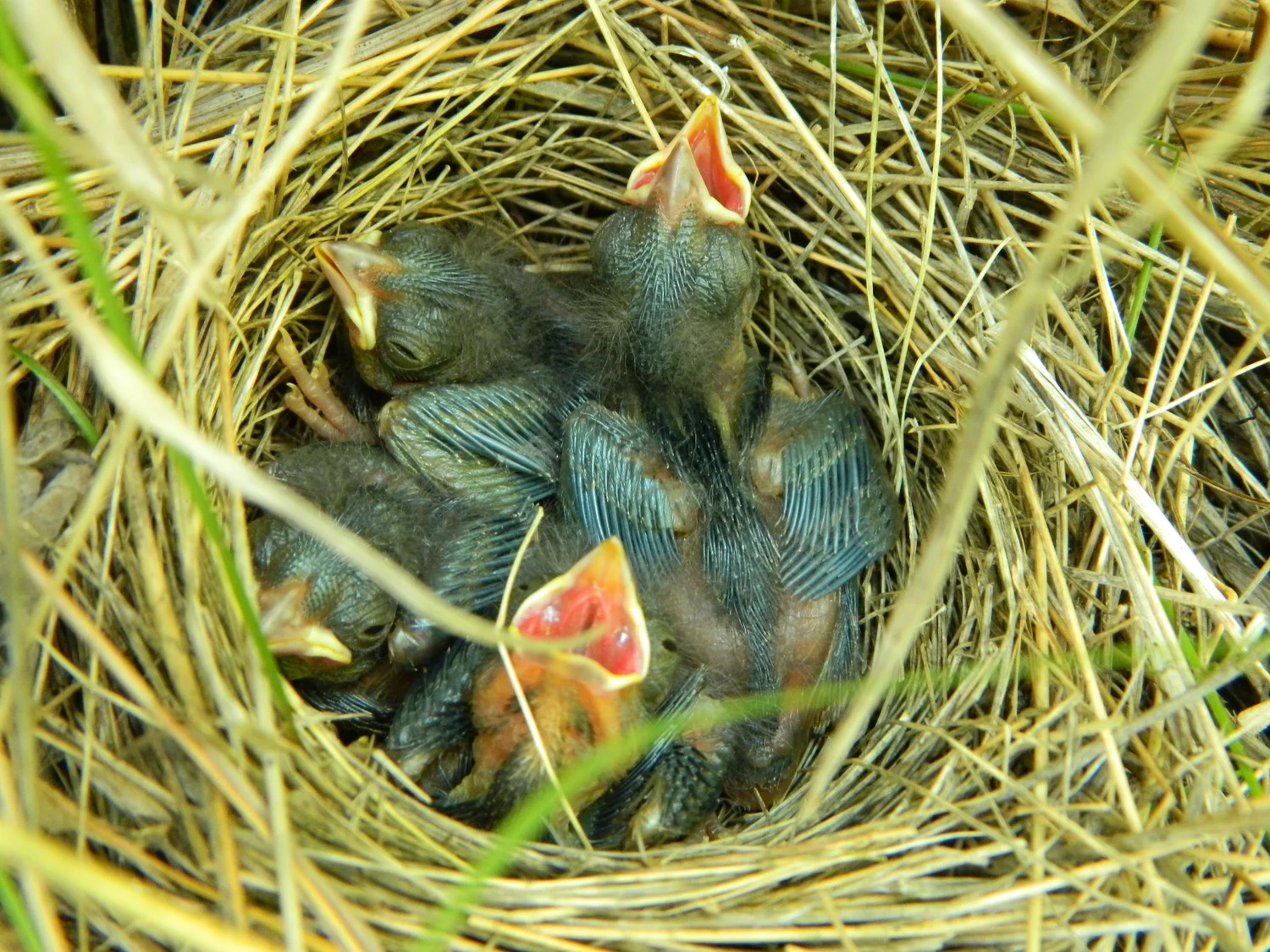
If you’ve ever watched a bird carefully building its nest, you might wonder: what should you feed a nesting bird? What you offer can make a big difference in helping new life thrive right outside your window.
Feeding a nesting bird isn’t just about tossing out seeds—it’s about giving the right nutrients at the right time. You’ll discover simple, effective ways to support these tiny parents and their hungry babies. Keep reading, and you’ll learn exactly how to become a trusted helper for your feathered neighbors.
Diet Needs During Nesting
Birds need special care during nesting to stay healthy. Their diet changes to support egg laying and chick growth. Proper food helps birds build strong eggs and feed their babies well. Understanding their diet needs keeps nesting birds safe and nourished.
Nutritional Requirements
Nesting birds need more calories than usual. They require a mix of vitamins and minerals. Calcium is vital for strong eggshells. Fresh fruits and vegetables supply important nutrients. Seeds and grains add energy for daily activities.
Protein Importance
Protein supports muscle growth and repair. It is key for chick development. Insects and worms are natural protein sources. Bird feeders can offer mealworms or chopped nuts. High protein food helps birds stay active and healthy.
Hydration Tips
Water is crucial during nesting. Birds need easy access to clean water. Provide shallow dishes for drinking and bathing. Change water daily to keep it fresh. Hydration helps birds regulate body temperature and digest food.

Credit: roadsendnaturalist.com
Best Foods For Nesting Birds
Feeding a nesting bird means offering foods that support both the adult bird and its growing chicks. Nesting birds need extra nutrients to keep their energy up and help the chicks grow strong. You can boost their health by providing a mix of high-protein and easily digestible foods.
Insects And Larvae
Insects and larvae are rich in protein and essential fats, perfect for nesting birds. These foods help chicks develop muscles and feathers quickly. You can attract these natural snacks by planting native flowers or placing a shallow dish of mealworms near your bird feeder.
Have you noticed how birds become more active and vocal when insects are abundant? That’s because they rely heavily on these tiny creatures during nesting season.
Seeds And Grains
Seeds and grains provide energy through carbohydrates and healthy fats. Sunflower seeds, millet, and cracked corn are favorites among many bird species. You can scatter these on the ground or use a feeder designed for small birds.
Try offering a variety—different birds prefer different seeds. You might find new visitors to your yard simply by changing what you feed them.
Fruits And Vegetables
Fresh fruits and vegetables add vitamins and moisture to a nesting bird’s diet. Apples, berries, and peas are excellent choices. Cut them into small pieces to make it easy for birds to eat.
Have you thought about how different colors and textures might attract different birds? Bright fruits like oranges or red berries can be especially inviting.
Feeding Techniques
Feeding nesting birds requires gentle and thoughtful techniques. Proper feeding helps chicks grow strong and healthy. Birds rely on their parents for food, so careful support is key. Understanding how to feed them safely ensures their survival during this critical time.
Safe Feeding Practices
Always offer fresh and clean food. Use shallow dishes or platforms to place food near the nest. Avoid handling the birds to reduce stress. Keep feeding areas quiet and calm. Wash your hands before and after feeding to prevent germs. Offer food in small amounts to avoid waste and spoilage.
Feeding Frequency
Feed young birds often because they grow fast. Offer food every two to three hours during daylight. Keep a regular schedule to match their natural feeding times. Reduce feeding frequency as chicks grow and start to eat on their own. Observe the birds to understand their hunger signals.
Avoiding Harmful Foods
Do not feed birds processed or salty foods. Avoid bread, dairy products, and sugary treats. Stay away from foods with pesticides or chemicals. Do not offer meat from unknown sources. Stick to natural foods like seeds, insects, and fruit. Always check which foods are safe for the specific bird species.
Supporting Chick Growth
Supporting chick growth is essential for strong and healthy birds. Proper nutrition helps young birds develop their muscles, feathers, and immune systems. Feeding the right foods encourages natural behavior and improves survival chances. Careful observation ensures any health issues are caught early. This section explains how to support chick growth through diet and care.
Boosting Immunity
Young birds need nutrients that strengthen their immune systems. Foods rich in protein, vitamins A, D, and E, and minerals like calcium help build immunity. Offering insects, soft fruits, and leafy greens provides these essential nutrients. A strong immune system protects chicks from diseases and infections.
Encouraging Natural Feeding
Chicks learn to eat by watching their parents. Providing food that mimics natural diets helps them develop feeding skills. Soft insects, small seeds, and chopped fruits are ideal. Avoid processed or hard foods that chicks cannot digest easily. Natural feeding encourages independence and healthy growth.
Monitoring Health Signs
Check chicks daily for signs of good health. Bright eyes, steady breathing, and active movement show well-being. Watch for droopy wings, weak calls, or lack of appetite. These may signal illness or poor nutrition. Early detection allows quick action to help chicks recover.
Creating A Bird-friendly Environment
Creating a bird-friendly environment helps nesting birds stay safe and healthy. Birds need quiet places to build nests. They also require clean water and protection from threats. Small actions in your yard or garden can make a big difference for these birds.
Safe Nesting Areas
Birds need secure spots to lay their eggs. Provide natural shrubs and trees with dense branches. Avoid trimming plants during nesting season. You can also add birdhouses designed for local bird species. Place them in calm, shaded areas away from busy paths.
Providing Clean Water
Fresh water is vital for nesting birds. Use shallow birdbaths or small containers with clean water. Change the water daily to prevent germs and mosquitoes. Place water sources near but not too close to nests. This helps birds stay hydrated without attracting predators.
Minimizing Predators
Predators can harm nesting birds and their eggs. Keep cats indoors or in enclosed outdoor spaces. Avoid placing bird feeders near nests to reduce unwanted visitors. Use natural barriers like thorny bushes to block predators. Watch for signs of trouble and act quickly to protect nests.

Credit: uk.feathersnapcam.com

Credit: swibirds.org
Frequently Asked Questions
What Foods Are Best For Nesting Birds?
Nesting birds need high-protein foods like mealworms, insects, and suet. Seeds, fruits, and nuts also help them stay healthy and build strong nests.
Can I Feed Bread To Nesting Birds?
Bread is not nutritious and can harm nesting birds. It fills them up but lacks essential nutrients. Avoid feeding bread to support their growth.
How Often Should I Feed Nesting Birds?
Feed nesting birds daily, especially during breeding season. Consistent food supply helps parents feed chicks and maintain energy for nest building.
Is Water Important For Nesting Birds?
Yes, fresh water is crucial for hydration and cleaning. Provide a shallow water source near nests to support their health and chick development.
Conclusion
Feeding a nesting bird requires care and thoughtful choices. Fresh fruits, seeds, and insects provide vital nutrients. Avoid processed foods and large seeds. Always ensure clean water is available. Observe the bird’s behavior and adjust food accordingly. Small adjustments make a big difference.
Remember, natural foods best suit their needs. Support your nesting visitors by providing a safe environment. Keep feeders clean to prevent diseases. Enjoy the beauty of helping nature thrive. Every little action counts. Your efforts nurture a healthy ecosystem. Happy bird watching!