
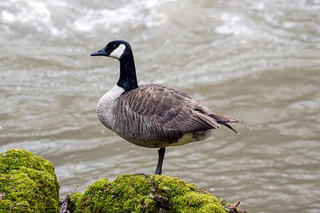
Have you ever tossed a few pieces of bread to birds in the park and wondered if it’s actually safe for them? It seems like a simple, kind act, but what if feeding bread to birds is doing more harm than good?
You might be surprised to learn that something as common as bread could affect their health and behavior in ways you never expected. Keep reading to discover the truth behind this everyday habit and find out what you should really be offering to help birds thrive.

Credit: uk.news.yahoo.com
Why People Feed Bread To Birds
Feeding bread to birds is a common activity enjoyed by many people around the world. It creates a connection with nature and offers a simple way to interact with wildlife. Some feed birds to relax, others to teach children about animals. The act feels rewarding and brings joy to outdoor visits.
Many do not realize why this habit started or the impact it has on birds. Understanding these reasons helps to see the full picture behind feeding bread to birds.
Common Practices In Parks And Gardens
People often bring bread to parks or gardens to feed birds like ducks, pigeons, and swans. It is easy to carry and share. Feeding bread seems harmless and fun for both adults and kids.
- Breaking bread into small pieces for birds to eat
- Gathering groups of birds in ponds or open spaces
- Using leftover bread from home to avoid waste
This practice encourages people to spend time outdoors and observe nature closely. Bread is cheap and available, making it a popular choice for feeding birds.
Historical Reasons Behind Feeding Birds Bread
Feeding bread to birds has roots in old traditions and beliefs. Many cultures viewed feeding animals as an act of kindness and charity.
In past centuries, people often fed birds bread to:
- Offer food during harsh winters
- Show respect for nature and wildlife
- Engage in community or family activities
Religious and cultural stories sometimes mentioned feeding birds as a good deed. This helped spread the habit through generations. The availability of bread as a staple food made it the easiest option to share with birds.
What Bread Contains
Bread is a common food item found in many homes. It looks harmless and seems like a good treat for birds. But understanding what bread contains helps explain why it may not be safe for birds. Bread is mostly made of simple ingredients and often includes extra substances for taste and preservation. These components affect how healthy or harmful bread can be for wild birds.
Nutritional Value Of Bread
Bread mainly contains carbohydrates, which give quick energy. It has small amounts of protein and fat but lacks essential vitamins and minerals birds need. White bread especially has little nutritional value because it uses refined flour. Whole grain bread offers more nutrients but still lacks some vital elements for birds’ health. Feeding birds bread only can cause poor nutrition and health problems over time.
Additives And Preservatives In Bread
Many types of bread contain additives and preservatives. These ingredients help keep bread fresh longer but may be harmful to birds. Common additives include salt, sugar, and chemicals to improve texture and flavor. Birds are not adapted to process high salt or sugar levels. Preservatives can also irritate birds’ digestive systems. These substances make bread less safe as a regular food for wild birds.
Impact Of Bread On Bird Health
Feeding bread to birds might seem harmless and even kind, but it can have several impacts on their health. Understanding these effects can help you make better choices when feeding wildlife. Let’s look at how bread affects birds both immediately and over time.
Short-term Effects On Birds
When birds eat bread, they often fill up quickly but don’t get much nutrition. This can lead to a false sense of fullness, causing them to eat less of their natural diet. You might notice birds appearing sluggish or less active after eating too much bread.
Additionally, wet bread can expand in a bird’s stomach, causing discomfort or even choking hazards. Have you ever seen a bird struggle after grabbing a big piece of bread? That’s a clear sign that bread isn’t always safe.
Long-term Health Risks
Repeatedly feeding bread can lead to serious health problems. Birds can develop conditions like “angel wing,” where their wings grow abnormally, making it hard to fly. This happens because bread lacks essential nutrients birds need for proper bone and feather development.
Moreover, bread can contribute to water pollution when uneaten pieces rot, creating harmful bacteria and attracting pests. This environmental impact indirectly harms bird populations by degrading their natural habitats.
Bread And Malnutrition In Birds
Bread is mostly carbohydrates and offers little protein, fat, vitamins, or minerals. Birds need a balanced diet to stay healthy, and bread disrupts this balance. Over time, birds that rely on bread may suffer from malnutrition, weakening their immune systems.
Think about your own diet—would you thrive eating only bread? Birds are no different. If you care about their well-being, consider offering seeds, nuts, or fruits instead. These provide the nutrients birds truly need to thrive.

Credit: www.reddit.com
Environmental Consequences
Feeding bread to birds might seem harmless, but it causes serious environmental problems. Bread does not provide proper nutrition and changes bird behavior. These changes impact local ecosystems and water bodies. Understanding these effects helps protect nature and wildlife.
Overpopulation And Dependency
Bread feeding encourages birds to gather in large groups. This causes overpopulation in parks and urban areas. Birds stop searching for natural food sources. They become dependent on humans for feeding. This dependency weakens their survival skills. Overcrowded spaces increase disease spread among birds. It also disturbs the balance of local wildlife.
Pollution And Water Quality Issues
Leftover bread rots and pollutes the environment. It attracts pests like rats and insects. These pests carry diseases harmful to humans and animals. Bread crumbs fall into water bodies and decay. This process lowers oxygen levels in the water. Fish and other aquatic life struggle to survive. Poor water quality harms entire ecosystems. It also creates unpleasant smells and dirty surroundings.
Alternatives To Bread
Feeding bread to birds is a common habit, but it often lacks the nutrients they really need. Finding better alternatives can help you support local bird populations more effectively. You might be surprised how simple swaps can make a big difference in their health and behavior.
Safe Foods To Feed Birds
Instead of bread, try offering birds a variety of safe, nutritious foods. Seeds like sunflower, millet, and safflower are favorites for many species. You can also provide small pieces of fruits such as apples, berries, or grapes, which give birds natural sugars and vitamins.
Another good option is cooked rice or oats without salt or seasoning. These help birds get energy without the harmful fillers found in bread. Nuts like unsalted peanuts or almonds work well too, but chop them into smaller pieces to avoid choking hazards.
Encouraging Natural Foraging
Have you ever watched birds searching for food on their own? This natural behavior is essential for their survival and health. Instead of just dropping food in one spot, scatter seeds or fruits in your garden or yard to encourage birds to forage.
This simple action keeps birds active and mentally engaged. It also supports their instincts to find varied food sources, which bread feeding often disrupts. Consider planting native shrubs or flowers that produce berries or seeds—this way, you provide a natural buffet that benefits birds year-round.
How To Feed Birds Responsibly
Feeding birds can be a joyful activity that brings nature closer. It helps birds get extra food, especially in tough seasons. Feeding birds responsibly means giving them the right food in the right way. This keeps birds healthy and safe from harm.
Knowing how to feed birds properly is important. It protects their health and supports their natural habits. Careful feeding also prevents problems like overdependence and pollution.
Best Practices For Bird Feeding
- Offer natural foods like seeds, nuts, and fruits.
- Avoid bread; it lacks nutrients and can harm birds.
- Use clean feeders and clean them regularly.
- Place feeders where birds feel safe from predators.
- Provide fresh water for drinking and bathing.
Timing And Quantity Considerations
- Feed birds during early morning and late afternoon.
- Give small amounts to prevent leftover food waste.
- Stop feeding during warm months when natural food is plenty.
- Observe birds and adjust feeding based on their needs.
- Do not feed birds every day; balance is key.

Credit: www.reddit.com
Frequently Asked Questions
Is Feeding Bread Harmful To Birds?
Feeding bread to birds can be harmful. Bread lacks essential nutrients birds need. It may cause malnutrition and health issues if fed regularly. Moldy bread can also lead to infections. It’s best to offer birds natural foods like seeds, fruits, and insects.
Why Is Bread Bad For Bird Health?
Bread is low in nutrition and high in carbohydrates. It can cause obesity and digestive problems in birds. Feeding bread often may lead to a condition called “angel wing,” which affects wing development. Birds need a balanced diet for strong bones and feathers.
Can Bread Cause Bird Malnutrition?
Yes, bread can cause bird malnutrition. It fills the bird’s stomach but offers little nutrition. Birds eating too much bread may ignore healthier foods. This imbalance weakens their immune system and growth, making them vulnerable to disease.
What Alternatives To Bread Are Safe For Birds?
Safe alternatives include seeds, nuts, fruits, and vegetables. These provide essential vitamins and minerals for birds. Offering mealworms or bird-specific food mixes supports a healthy diet. Avoid processed or salty foods to protect bird health.
Conclusion
Feeding bread to birds poses risks. Bread lacks essential nutrients. Birds need a varied diet. Too much bread can harm their health. It fills them up without nourishment. Moldy bread is dangerous too. It can cause sickness. Opt for bird-friendly foods.
Seeds, fruits, and grains work best. These provide proper nutrition. Always prioritize their well-being. Choose wisely to support their health. Healthy birds thrive in their natural habitats. Your choices can make a difference. So, feed them responsibly. Enjoy the joy of watching them flourish.