
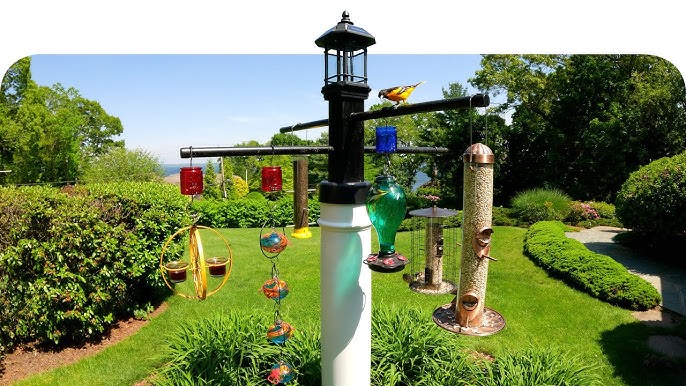
Are you looking for a simple and affordable way to attract beautiful birds right to your backyard? Making a bird feeder post out of PVC is easier than you might think.
With just a few basic tools and materials, you can create a sturdy, weatherproof feeder that will bring nature closer to you. Imagine watching colorful birds visit your garden every day, all thanks to a project you built yourself. Keep reading, and you’ll discover step-by-step instructions that anyone can follow—no special skills needed.
Your feathered friends are waiting!
Credit: www.hunker.com
Materials Needed
Building a bird feeder post from PVC requires specific materials. Having the right supplies makes the project easier and more enjoyable. Each item plays a key role in the structure and durability of the feeder post.
Gather all materials before starting. This saves time and prevents interruptions. The materials fall into three categories: PVC pipes and fittings, tools, and additional supplies.
Pvc Pipes And Fittings
- PVC pipes (1 to 2 inches in diameter)
- Elbow joints (90-degree connectors)
- T-joints or cross fittings
- End caps for pipe ends
- Pipe straps or clamps (optional for extra support)
Tools Required
- Hacksaw or PVC pipe cutter
- Measuring tape
- Marker or pencil
- Drill with bits
- Sandpaper or file (to smooth edges)
- Rubber mallet (optional for fitting pipes)
Additional Supplies
- PVC cement or strong adhesive
- Bird feeder tray or small platform
- Paint or weatherproof spray (optional for decoration)
- Zip ties or screws (for securing parts)
- Gloves and safety glasses (for protection)
Choosing The Right Location
Choosing the right location for your PVC bird feeder post is key to attracting birds and keeping them safe. The spot you pick affects how often birds visit and how well you can enjoy watching them. It’s not just about placing the feeder anywhere in your yard; thoughtful placement makes all the difference.
Safe Spot For Birds
Birds need a secure place to feed without feeling threatened. Avoid areas near busy roads or places with heavy foot traffic. Placing the feeder near trees or shrubs offers birds quick cover from predators.
Make sure the feeder isn’t too close to windows to prevent collisions. About 10 feet away from glass is a good rule to keep birds safe. Think about your local wildlife, too—if there are cats or squirrels around, position the feeder where they can’t easily reach it.
Visibility And Accessibility
You want the feeder where you can see it clearly and refill it easily. Choose a spot that’s visible from your favorite window or patio so you can enjoy watching the birds anytime. Accessibility also matters for maintenance—make sure you can reach the feeder without hassle.
Consider the sun’s direction. A feeder that gets morning sunlight but some afternoon shade will keep seeds fresh longer. Would you rather watch birds in the morning or afternoon? Pick a location that matches your bird-watching habits.
Cutting And Preparing Pvc
Cutting and preparing PVC is a crucial part of building a sturdy and reliable bird feeder post. Getting this step right ensures all pieces fit perfectly and the structure lasts through various weather conditions. Taking your time here saves frustration and additional work later on.
Measuring And Marking
Accurate measurements make all the difference. Use a tape measure to mark the exact lengths you need on the PVC pipe. Double-check each measurement before making any cuts to avoid wasting material.
Mark the spots clearly with a permanent marker. I find using brightly colored markers helps the lines stand out, especially in bright sunlight or dim garages. Think about the height and width of your bird feeder post and how each piece fits together.
Cutting Techniques
Choose the right tool for clean cuts. A PVC cutter or a fine-toothed handsaw works well for most DIY projects. Power tools like a miter saw can speed up the process but require steady hands and safety precautions.
Cut slowly and steadily. Rushing can cause jagged edges or uneven cuts that make assembly difficult. Have a stable surface or workbench to keep the pipe steady while cutting. Safety goggles and gloves protect you from flying debris and sharp edges.
Sanding Edges
After cutting, the edges of the PVC pipe can be rough or sharp. Use medium-grit sandpaper to smooth out these edges. This step is important to prevent injury and ensure the pieces fit snugly together.
Sanding also helps paint or adhesive stick better if you plan to decorate or reinforce the post. A smooth finish gives your bird feeder a professional look and extends its lifespan. Have you noticed how much easier it is to assemble parts that slide together smoothly?
Credit: www.etsy.com
Assembling The Post
Assembling the post is where your bird feeder really starts to take shape. This stage requires attention to detail and a bit of patience. The way you connect your PVC pipes and fittings will affect the durability and functionality of your feeder stand.
Connecting Pipes And Fittings
Begin by laying out all your PVC pipes and fittings on a flat surface. This helps you visualize the final structure and ensures you have everything ready.
Use PVC primer and cement to join the pipes securely. Apply the primer first to both the pipe ends and the fittings, then add cement quickly before the primer dries. Press the pieces together firmly and hold for a few seconds.
One trick I learned is to assemble the post in sections. This makes it easier to handle and reduces mistakes. Trying to glue everything at once can get messy and misaligned.
Ensuring Stability
Stability is key to keeping your bird feeder upright through wind and weather. After assembling the main post, test it by gently shaking to see if it wobbles.
To add stability, you can:
- Insert a metal rod inside the PVC pipe for extra weight and strength.
- Use a wider base or attach the post to a heavy platform like a wooden board.
- Secure the post into the ground with a stake or anchor if outdoors.
Have you considered how wind might affect your bird feeder? Adding stability now saves you from frequent repairs later. It’s better to spend a little extra time reinforcing than to watch your feeder topple over after a storm.
Attaching The Bird Feeder
Attaching the bird feeder securely to your PVC post is essential for a safe and enjoyable feeding station. The right attachment ensures stability, keeps the feeder accessible, and prevents unwanted messes or damage. Let’s look at the types of feeders that work well and how you can mount them efficiently.
Types Of Feeders Compatible
Not every feeder fits perfectly on a PVC post. Tube feeders and hopper feeders are great choices because they often come with built-in hooks or brackets that adapt well to posts.
Platform feeders can also be attached, but you might need additional hardware like brackets or zip ties for a steady hold. Avoid very heavy feeders unless you reinforce the post, as PVC can bend under too much weight.
- Tube Feeders:Slim and light, easy to hang or clamp.
- Hopper Feeders:Bulkier but stable when mounted properly.
- Platform Feeders:Requires extra mounting support.
Think about the birds you want to attract and their feeding habits. Would they prefer seeds scattered on a platform or pulled from a tube? This choice affects how you attach the feeder to your post.
Mounting Methods
How you mount the feeder depends on its design and your PVC post setup. Here are some reliable ways to secure your feeder:
| Mounting Method | Description | Best For |
|---|---|---|
| Hook or S-Hook | Simple metal hooks inserted into the top of the PVC post to hang feeders. | Tube and light hopper feeders. |
| U-Bolts or Pipe Clamps | Wraps around the feeder and post for a tight, secure fit. | Heavier hopper feeders or platform feeders. |
| Zip Ties and Brackets | Flexible method allowing quick adjustments and easy removal. | Platform feeders or feeders without built-in hanging points. |
I once used just a sturdy S-hook to hang a tube feeder on my PVC post. It held up even during strong winds, proving simple solutions often work best. Have you tried different mounting methods and found one that surprises you with its durability?
Make sure the feeder hangs at a comfortable height for you to refill and clean. Also, check that it doesn’t swing too much, as this can spill seeds and discourage birds from visiting.
Finishing Touches
Finishing touches give your PVC bird feeder post a polished look. They protect the post and make it inviting for birds. Small details can improve durability and appearance. These final steps help your feeder last through all seasons.
Painting And Decoration
Choose paint made for outdoor use on plastic surfaces. It sticks well and lasts longer. Use bright colors to attract birds, like red, yellow, or blue. Avoid dark colors that absorb too much heat.
Try simple designs like stripes or dots. Stickers or stencils add personality without much effort. Keep decorations smooth to avoid harming birds or getting dirty easily.
Weatherproofing Tips
Seal all joints with waterproof silicone to stop leaks and damage. Apply a clear, outdoor sealant over painted areas. It protects paint and plastic from sun and rain.
Check the feeder post regularly for cracks or wear. Repair small problems quickly to extend life. Place the post in a shaded area to reduce sun exposure.
Maintenance And Cleaning
Keeping your PVC bird feeder post clean and well-maintained helps birds stay safe and healthy. Dirt, mold, and old food can harm birds and reduce visits. Regular care also extends the life of your feeder post.
Regular Upkeep
Check the feeder post weekly for dirt and mold. Use a soft brush and mild soap to clean all surfaces. Rinse thoroughly with water to remove soap. Dry completely before refilling bird food.
Remove old seeds daily. Wet or spoiled seeds attract pests and cause mold. Keep the area around the post free from debris. This stops unwanted animals and keeps birds safe.
Troubleshooting Common Issues
If mold appears, clean the post immediately with a diluted vinegar solution. Rinse well and dry in the sun. Birds avoid feeders with strong odors, so keep smells fresh.
Check for cracks or loose parts monthly. Repair or replace damaged sections to prevent injury to birds. If birds stop visiting, try moving the post to a quieter spot.
Credit: www.instructables.com
Frequently Asked Questions
How Do I Start Making A Pvc Bird Feeder Post?
Begin by gathering PVC pipes, connectors, and a base. Cut pipes to your desired height. Assemble parts using PVC cement for a sturdy post.
What Materials Are Needed For A Pvc Bird Feeder Post?
You need PVC pipes, connectors, a base, PVC cement, a bird feeder, and optional paint for decoration. These materials are durable and weather-resistant.
Can I Customize The Pvc Bird Feeder Post Design?
Yes, you can customize by painting the pipes, adding hooks, or attaching multiple feeders. PVC is easy to modify for unique designs.
How Do I Secure The Pvc Post In The Ground?
Use a sturdy base or insert the pipe deep into soil. Adding gravel or concrete around the base improves stability and prevents tipping.
Conclusion
Creating a bird feeder post from PVC is rewarding and simple. It attracts beautiful birds to your garden. You get a chance to watch them up close. PVC makes the feeder strong and durable. It’s affordable too. Just follow the steps carefully.
Enjoy the process of building. It’s a fun and educational activity for all ages. Share this activity with family and friends. They’ll love it. Remember, every feeder made helps nature. So start building your own today. Bring nature closer to home with your handmade bird feeder.