
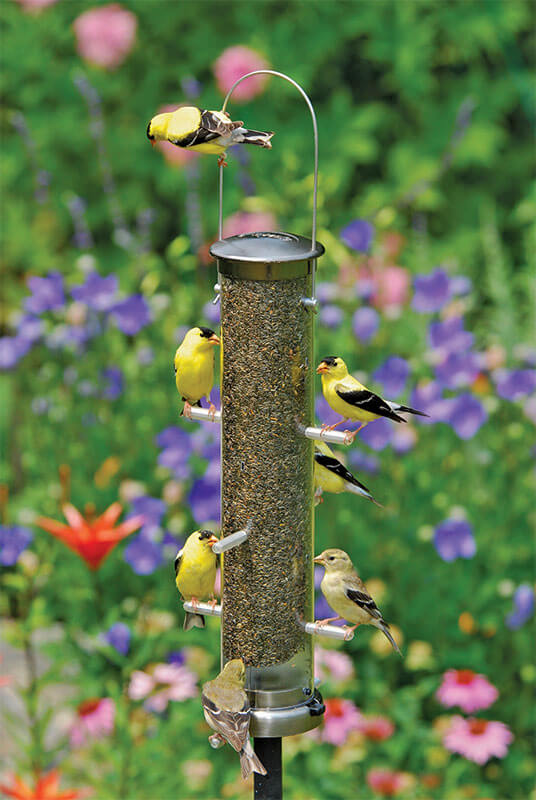
Are you looking to bring more color and life to your backyard? Attracting birds to a thistle feeder is one of the easiest and most rewarding ways to enjoy nature right outside your window.
But how do you make sure your feeder becomes a favorite spot for these beautiful feathered visitors? You’ll discover simple, proven tips that will have birds flocking to your thistle feeder in no time. Keep reading to unlock the secrets that will turn your outdoor space into a lively bird haven you’ll love watching every day.
Credit: www.kingsyard.com
Choosing The Right Thistle Feeder
Choosing the right thistle feeder is key to attracting beautiful birds to your garden. The feeder must suit the type of birds you want and the environment around your home. A good feeder keeps the seeds fresh and safe from pests. It also makes feeding easy for birds.
Types Of Thistle Feeders
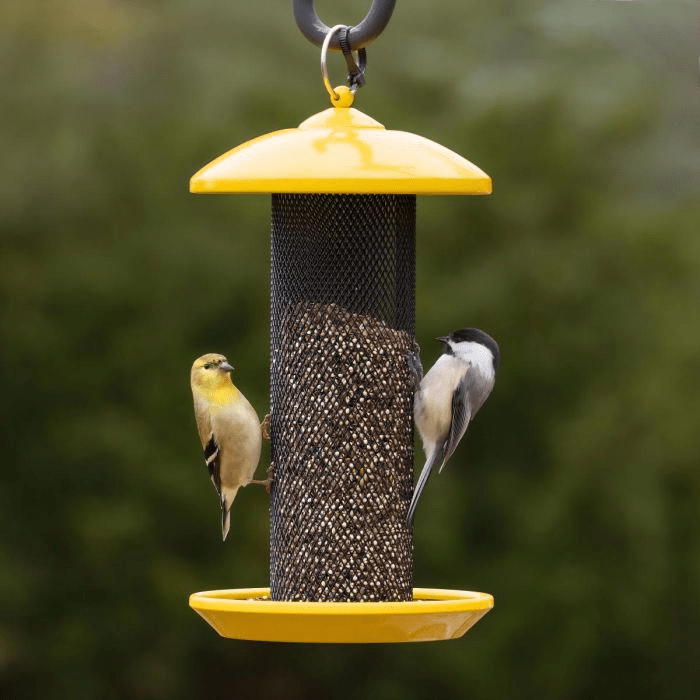
There are many thistle feeders designed for different bird types. Tube feeders with small holes are perfect for finches and siskins. Mesh feeders allow birds to cling while they eat. Sock feeders are lightweight and easy to hang in trees. Each type offers a unique way for birds to access the seeds.
Material And Durability
Feeders come in plastic, metal, or wood. Metal feeders last longer and resist weather well. Plastic feeders are light and affordable but may break easily. Wood feeders blend well with nature but need regular care. Choose a feeder that stands up to rain, wind, and sun.
Placement Tips
- Hang feeders where birds feel safe and can easily perch.
- Keep feeders away from strong winds and direct sun.
- Place feeders near bushes or trees for shelter.
- Ensure feeders are visible from your favorite viewing spot.
Proper placement helps birds find the feeder and return often.
Credit: www.kingsyard.com
Selecting Quality Thistle Seed
Choosing the right thistle seed is key to attracting a variety of vibrant birds to your feeder. Not all seeds are created equal, and the quality of the seed directly impacts which birds visit and how often. By focusing on fresh, high-quality seeds, you can create a welcoming spot that birds will return to again and again.
Benefits Of Nyjer Seeds
Nyjer seeds, often called thistle seeds, are tiny but packed with nutrition. These seeds are favorite snacks for finches, especially goldfinches and siskins. Their small size and high oil content give birds the energy they need, especially during colder months.
One surprising benefit is how little waste they produce. Unlike larger seeds, nyjer shells are soft enough that birds can eat almost the entire seed. This means less mess around your feeder and happier, healthier visitors.
Where To Buy Fresh Seeds
Finding fresh nyjer seeds can be a challenge. Many stores sell old or low-quality seed that birds quickly ignore. Look for specialty bird supply shops or reputable online retailers known for quick turnover.
Check packaging dates whenever possible. Seeds stored for too long lose oil content and flavor, making them less attractive to birds. Ask your local birding community for recommendations—they often know the best sources.
Storage Tips For Freshness
Storing nyjer seeds properly keeps them fresh and appealing. Keep seeds in a cool, dry place away from sunlight. A sealed container works best to avoid moisture and pests.
Did you know that even the best seed can spoil if exposed to heat? I once stored my seeds in a warm garage and noticed a drop in bird visits. Moving the container to a cool basement revived the flock’s interest within days.
Rotate your seed supply regularly. Use older seeds first to avoid having stale stock that birds will refuse. This simple habit ensures your feeder stays a hotspot for feathered friends.
Ideal Feeder Placement
Choosing the right spot for your thistle feeder makes a big difference. Birds notice feeders that are easy to find and feel safe using. Placement affects how often birds visit and how long they stay. Think about visibility, safety, and which birds you want to attract.
Safe And Visible Locations
Place the feeder where birds can see it clearly. Open spaces near trees or shrubs work well. Birds like quick access to cover for safety. Keep the feeder away from busy areas and loud noises. A spot with good sunlight helps birds feel warm and active.
Avoiding Predators
Pick a location that keeps birds safe from cats and hawks. Avoid spots near fences or places where cats can hide. Keep feeders at least 10 feet away from jumping points. Use a pole with a baffle to stop climbing predators. Clear space under the feeder helps birds spot danger.
Attracting Specific Bird Species
Different birds prefer different places. Goldfinches love feeders near open fields or gardens. Small birds like quiet spots with nearby shrubs. To attract more finches, place the feeder close to native plants. Watch which birds visit and adjust the feeder’s spot for best results.
Feeding Schedule And Maintenance
Keeping a consistent feeding schedule and proper maintenance is key to attracting more birds to your thistle feeder. Birds rely on a steady food supply, and a clean feeder ensures they stay healthy and keep coming back. How you manage these tasks can make a big difference in the number and variety of birds visiting your yard.
How Often To Refill
Refill your thistle feeder every two to three days, especially during peak feeding times in early morning and late afternoon. If you notice the seeds disappearing faster, don’t hesitate to refill more often. Pay attention to the weather—birds eat more in cold weather, so adjust your schedule accordingly.
Cleaning The Feeder
Clean your thistle feeder at least once every two weeks to prevent disease and keep the seeds fresh. Use warm soapy water and a brush to scrub all parts, then rinse thoroughly. Dry the feeder completely before refilling to avoid clumping of seeds.
Preventing Mold And Spoilage
Moisture is the biggest enemy of nyjer seeds. To stop mold and spoilage, place your feeder in a sheltered spot away from rain and dew. If you spot clumped or discolored seeds, replace them immediately to protect visiting birds.
Enhancing The Feeding Area
Creating a welcoming space around your thistle feeder can make a huge difference in attracting more birds. Enhancing the feeding area goes beyond just filling the feeder; it involves setting up an environment that meets birds’ basic needs like water, shelter, and food variety. When you focus on these elements, you not only invite more visitors but also encourage them to stay longer and visit often.
Adding Water Sources
Birds need water for drinking and bathing, which helps keep their feathers in good condition. Adding a shallow birdbath near your thistle feeder can attract a wide variety of species. Keep the water fresh and clean, and consider placing a few small stones or floating objects so smaller birds can perch safely while they drink.
Have you noticed how birds often visit feeders more when there’s water nearby? This simple addition can create a natural gathering spot that feels safe and inviting.
Planting Bird-friendly Flowers
Planting native flowers that produce seeds or nectar can complement the thistle feeder and draw in birds looking for natural food sources. Sunflowers, coneflowers, and asters are great choices that attract finches and other seed-eating birds. Plus, flowers add vibrant colors and attract insects, offering birds even more feeding options.
Think about the colors and types of birds you want to attract. Are you aiming for finches only, or do you want to welcome hummingbirds and warblers too? Your plant choices can shape the variety of visitors.
Providing Shelter And Perches
Birds feel safer when they have places to hide and rest near feeding stations. Adding shrubs, small trees, or even a brush pile around your feeder provides necessary shelter from predators and harsh weather. Installing natural perches nearby gives birds a comfortable place to land before and after feeding.
Next time you set up your feeder, take a moment to observe where birds prefer to sit and hide. You might find that adding just a few branches or a small bush can make your feeder a hotspot for bird activity.
Common Challenges And Solutions
Attracting birds to a thistle feeder can be rewarding but comes with challenges. Common issues include pests, weather effects, and timid birds. Understanding these problems helps create a better feeding environment. Small changes can make a big difference in success and enjoyment.
Dealing With Squirrels And Pests
Squirrels and other pests often raid thistle feeders. They eat seeds quickly and scare away birds. Use squirrel baffles to block their access. Place feeders away from tree branches or fences squirrels use to jump. Try feeding in short bursts to reduce pest visits.
Keep the area clean to avoid attracting unwanted animals. Remove spilled seeds below the feeder regularly. Use feeders designed to limit access by larger animals. These steps protect your seeds and keep birds comfortable.
Weather Impact On Feeding
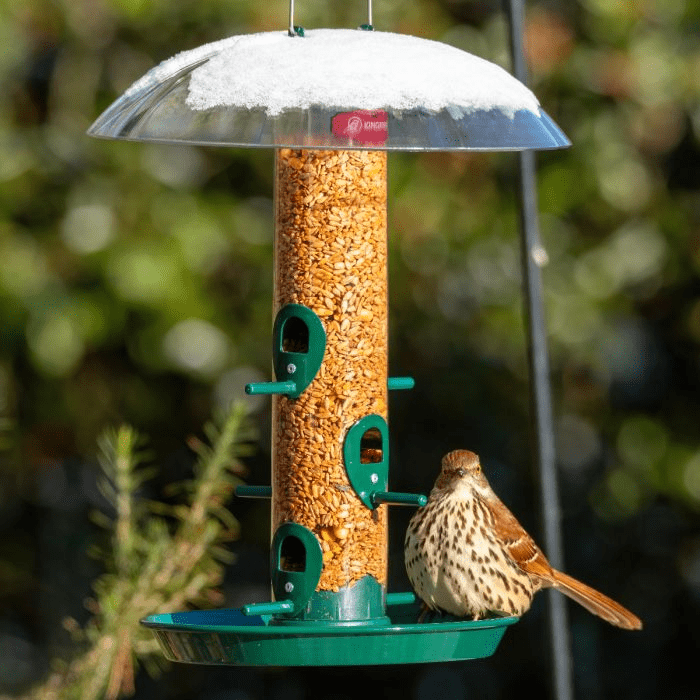
Weather affects bird feeding habits. During rain or strong wind, birds may avoid feeders. Cold weather increases their need for food but can make seeds wet and moldy. Use feeders with covers to protect seeds from rain and snow.
Place feeders in sheltered spots to reduce wind impact. Refill feeders more often in winter to ensure fresh seeds. Dry seeds attract more birds and keep them healthy.
Encouraging Shy Birds
Some birds are shy and avoid feeders at first. Reduce sudden movements near the feeder. Keep quiet and watch from a distance. Use natural cover like bushes nearby to help birds feel safe.
Offer fresh thistle seeds regularly to build trust. Adding a water source nearby can also attract hesitant birds. Patience and consistency help shy birds become regular visitors.

Credit: happygardens.com
Frequently Asked Questions
What Types Of Birds Prefer Thistle Feeders?
Finches, such as goldfinches, siskins, and redpolls, are attracted to thistle feeders. These birds love the tiny, high-energy seeds. Thistle feeders provide a reliable food source, especially during colder months. Using nyjer or thistle seed ensures you attract the right bird species.
How To Choose The Best Thistle Feeder?
Select a feeder with small feeding ports to prevent seed spillage. Tube feeders with mesh or wire cages work well. Ensure it is weather-resistant and easy to clean. A feeder designed for finches encourages more birds to visit your garden.
Where Should I Place A Thistle Feeder?
Place the feeder in a quiet, sheltered spot near trees or shrubs. Birds feel safer near natural cover. Avoid placing it too close to windows to prevent collisions. A visible and protected location attracts more birds consistently.
How Often Should I Refill A Thistle Feeder?
Refill the feeder when the seed level is low, usually every few days. Fresh seeds attract more birds and reduce mold growth. During peak seasons, check daily to keep the feeder stocked. Clean the feeder regularly to maintain seed quality.
Conclusion
Attracting birds to a thistle feeder can be simple and rewarding. Choose quality thistle seeds for a better bird experience. Keep the feeder clean and dry to prevent mold. Position it in a quiet, safe spot, away from predators. Offer fresh water nearby to enhance the appeal.
Regularly check and refill the feeder to keep birds coming back. Enjoy watching colorful finches and other birds visit your garden. A peaceful and lively addition to any backyard. Happy birdwatching!