
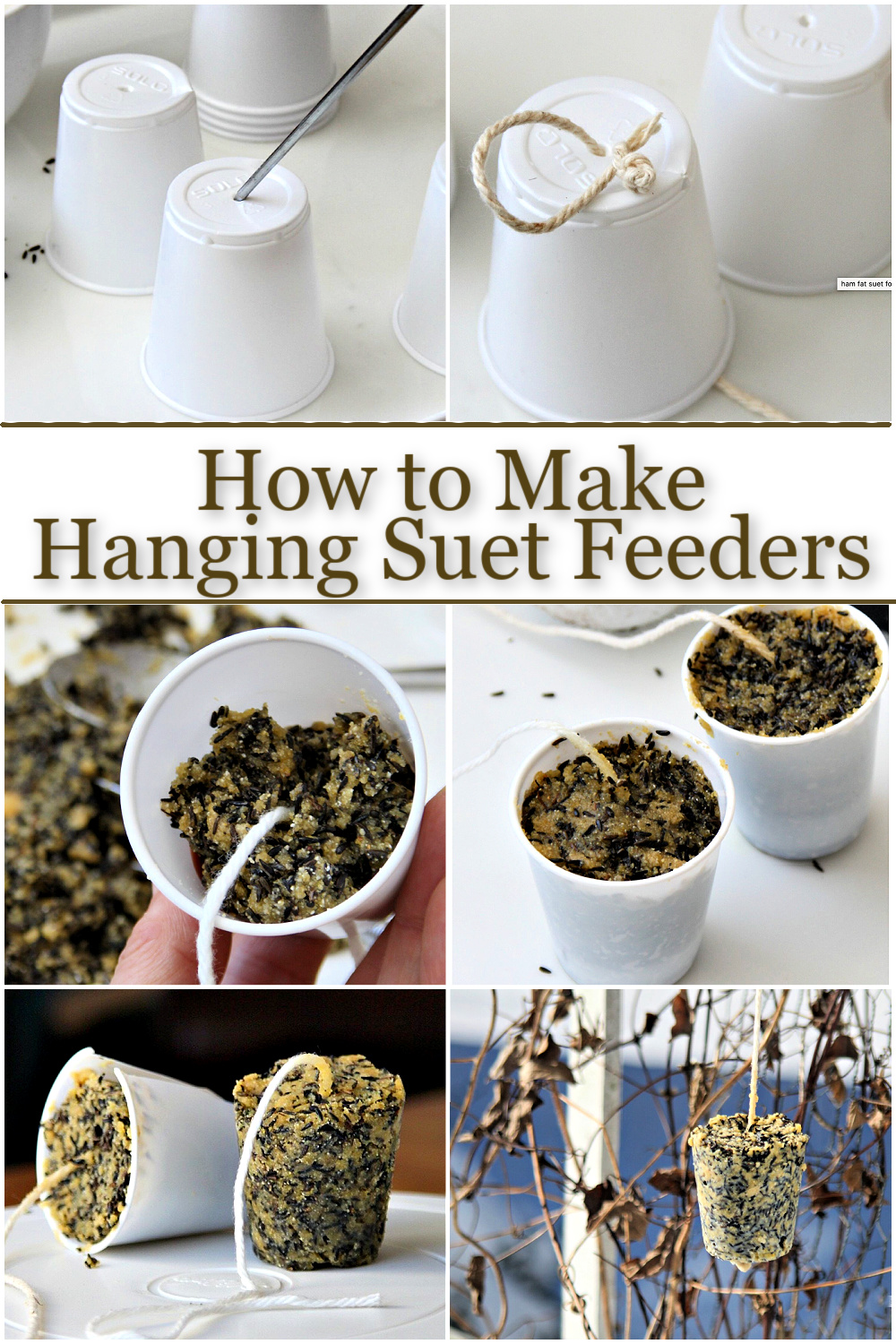
If you love watching birds visit your yard, suet bars are one of the best treats you can offer them. But do you know how to use suet bars the right way to attract more birds and keep them coming back?
You’ll discover simple tips that make feeding birds easy and enjoyable. Whether you’re a beginner or have tried suet before, these ideas will help you create a bird-friendly space that feels alive with color and song. Keep reading, and soon your garden will be buzzing with happy, hungry birds!
Choosing The Right Suet Bars
Choosing the right suet bars is important for feeding birds well. Not all suet bars are the same. Birds have different tastes and needs. Picking the best suet bar helps attract many bird species. It also keeps birds healthy and happy.
Knowing what types of suet bars exist can guide your choice. Ingredients matter for nutrition and safety. Avoiding harmful additives protects birds from illness.
Types Of Suet Bars
- Traditional suet bars made from beef fat
- Seed-filled suet bars with added grains and nuts
- Fruit suet bars containing dried fruits for extra flavor
- Nut suet bars with peanut pieces or other nuts
- Specialty suet bars for winter or specific bird species
Each type suits different bird preferences and seasons. Choose based on the birds in your area.
Ingredients To Look For
- High-quality beef fat or vegetable fat as the base
- Natural seeds like sunflower, millet, or cracked corn
- Chunks of nuts or dried fruits for energy
- Minimal artificial colors or flavors
- Added vitamins or minerals for bird health
Good ingredients provide energy and attract a variety of birds.
Avoiding Harmful Additives
- No artificial preservatives or chemical additives
- Avoid suet with excessive salt or sugar
- No toxic ingredients like chocolate or onion
- Free from mold or rancid fats
- Avoid bars with unknown or vague ingredient lists
Safe suet bars help keep birds free from illness and stress.
Setting Up Suet Feeders
Setting up suet feeders correctly can transform your backyard into a lively bird sanctuary. It’s not just about hanging a feeder; it’s about choosing the right design, placing it thoughtfully, and adjusting for seasonal changes. These steps help you attract a variety of birds while keeping them safe and comfortable.
Best Feeder Designs
Choose suet feeders that are sturdy and easy to clean. Wire cages work well because they hold the suet bars tightly and allow birds to cling while feeding.
Look for feeders with a roof or cover to protect the suet from rain and melting. This keeps the food fresh longer and prevents messes.
Consider feeders with multiple feeding ports. They let several birds eat at once and reduce competition, which means more visitors to your feeder.
Ideal Placement Tips
Place your suet feeder where birds feel safe. Hang it near trees or shrubs that provide cover but not too close to windows to avoid collisions.
Keep feeders at least 5 feet off the ground to deter squirrels and cats, but not so high that it’s hard to refill or observe the birds.
Think about visibility—do you want to watch the birds from your kitchen window? Position the feeder where you can enjoy the activity without disturbing them.
Seasonal Considerations
Suet is especially popular in colder months because birds need extra energy. Make sure your feeder is easy to access for quick refills during winter.
In warmer seasons, use suet with added seeds or fruits to attract a wider range of birds. Also, check the feeder more often to prevent the suet from melting or spoiling.
Remember, during hot weather, choose feeders with good ventilation or place them in shaded spots. This helps keep the suet from becoming too soft or rancid.
Attracting Different Bird Species
Attracting a variety of bird species to your suet bars can transform your backyard into a lively birdwatching spot. Different birds have unique preferences and habits, so understanding these can help you offer the right suet and placement. This not only increases your chances of seeing diverse feathered visitors but also supports local wildlife effectively.
Birds That Love Suet
Suet bars are a magnet for many energetic birds, especially in colder months. Woodpeckers, nuthatches, chickadees, and titmice are some of the most frequent suet lovers. Adding suet with seeds, nuts, or berries can attract even more species like wrens and bluebirds.
Have you noticed woodpeckers clinging upside down while feeding? Their strong feet and sharp beaks make suet an ideal snack. Offering different suet types can encourage rare visitors like the elusive brown creeper.
Feeding Times And Patterns
Birds are most active during early morning and late afternoon, so placing your suet bars out before dawn will catch their attention. Suet can spoil quickly in hot weather, so consider feeding in cooler parts of the day during summer.
Observe which birds come and when. You might find that chickadees visit daily at dawn, while woodpeckers prefer midday. Adjust your feeding schedule to match these patterns for more rewarding birdwatching.
Creating A Bird-friendly Environment
Suet bars alone won’t keep birds coming back if the habitat isn’t inviting. Plant native shrubs and trees nearby to provide shelter and natural food sources. Avoid using pesticides, as they can harm birds and reduce their natural insect diet.
Placing suet feeders near cover allows birds to feel safe from predators. Think about adding a water source like a birdbath to complete the setup. What small changes can you make to your yard to turn it into a haven for birds?

Credit: gratefulprayerthankfulheart.com
Maintaining Suet Feeders
Maintaining suet feeders keeps birds healthy and your feeding area clean. Regular care helps prevent mold and pests. It also ensures suet bars stay fresh and attractive to birds.
Cleaning And Hygiene
Clean suet feeders often to stop bacteria growth. Use warm water and mild soap. Avoid strong chemicals that can harm birds. Rinse feeders well and dry completely before refilling. Clean any spilled suet around feeders to avoid attracting unwanted animals.
Replacing Suet Bars
Change suet bars as soon as birds finish them. Old suet can spoil or melt in warm weather. Replace bars quickly to keep birds coming back. Store extra suet bars in a cool place to keep them fresh longer.
Preventing Squirrel Interference
Squirrels can steal suet bars quickly. Use squirrel-proof feeders or cages around suet. Place feeders away from tree branches and fences. Add baffles or guards to poles to block squirrels from climbing. These steps help keep suet for birds only.
Safety Tips For Birds
Feeding birds with suet bars is a wonderful way to support local wildlife. Safety is key to keep birds healthy and happy. Careful attention protects them from harm caused by spoiled food or unsafe feeding habits. Follow these safety tips to create a safe feeding environment.
Monitoring Bird Health
Watch birds closely for signs of illness. Look for unusual behavior, like lethargy or missing feathers. Sick birds may avoid the suet or act restless. Remove the suet bar if you spot any sick birds. Contact local wildlife experts if many birds seem unwell.
Avoiding Mold And Spoilage
Suet can spoil quickly, especially in warm weather. Mold is harmful and can make birds sick. Check suet bars daily for signs of mold or soft spots. Replace old or melted suet immediately. Store extra suet in a cool, dry place to keep it fresh longer.
Safe Feeding Practices
- Place suet bars in shaded, dry areas to slow melting.
- Use feeders designed to hold suet securely and reduce waste.
- Clean feeders regularly with hot water and mild soap.
- Keep feeding spots away from areas with heavy traffic or predators.
- Offer suet only during cold months or when insects are scarce.

Credit: www.willyswilderness.org

Credit: seabrookeleckie.com
Frequently Asked Questions
What Are Suet Bars And Why Use Them?
Suet bars are high-energy bird feed made from animal fat and seeds. They attract insect-eating birds, especially in cold weather. Suet bars provide essential fats and nutrients that help birds stay warm and active during winter months.
How Do I Hang Suet Bars Safely?
Use a suet feeder or mesh holder to hang bars securely. Place them in shady, sheltered spots away from predators. Ensure feeders are stable and hung at a safe height to protect birds while feeding.
Which Birds Prefer Suet Bars?
Woodpeckers, chickadees, nuthatches, and titmice love suet bars. These birds rely on high-fat foods during winter. Suet bars attract diverse species, making your bird feeding experience more enjoyable and lively.
When Is The Best Time To Offer Suet Bars?
Offer suet bars mainly in fall and winter when natural food is scarce. Birds need extra energy to survive cold weather. Remove suet during hot months to prevent melting and spoilage.
Conclusion
Suet bars attract many bird species to your garden. They provide energy, especially in cold weather. Hang them in safe, visible spots for best results. Watch birds enjoy this tasty, nutritious treat daily. Feeding birds helps nature right outside your window.
Try using suet bars to support local wildlife. Enjoy the lively scenes and bird songs you create. Simple care keeps birds coming back again and again.