
Is your wooden bird feeder looking worn out or damaged? You don’t have to toss it away or spend money on a new one.
Fixing your bird feeder is easier than you think, and it can bring back the charm that attracted birds to your yard in the first place. In this guide, you’ll find simple steps to repair your feeder quickly and effectively.
Keep reading to learn how you can restore your wooden bird feeder and enjoy watching your feathered friends once again.
Assessing The Damage
Before you dive into fixing your wooden bird feeder, it’s crucial to take a close look at the damage. Assessing the damage helps you understand what repairs are needed and prevents wasting time on parts that don’t need attention. It also ensures your feeder stays safe and inviting for the birds that visit.
Checking For Rotten Wood
Start by feeling the wood around the feeder. Soft, crumbly spots usually mean the wood is rotten and needs replacement. Look especially where water collects or the feeder touches the ground—these areas are most prone to rot.
If you find rotten wood, don’t just patch it up. You’ll want to cut out the damaged sections and replace them with new, sturdy wood. This keeps the feeder strong and prevents further decay.
Identifying Loose Or Broken Parts
Next, gently shake the feeder and listen for rattling sounds. Loose parts can cause the feeder to fall apart quickly or even hurt visiting birds. Check all joints, screws, and nails to see if anything needs tightening or replacing.
Broken parts like cracked perches or split roofs need extra attention. Sometimes a simple glue fix works, but other times, you might need to swap out the damaged pieces entirely. Ask yourself: could this break again if not properly secured?
Evaluating Paint And Finish Condition
Look closely at the paint or finish on your feeder. Is it peeling, chipping, or faded? This not only affects appearance but also leaves the wood vulnerable to weather damage.
Peeling paint means it’s time to strip the old finish and apply a fresh coat. Choose a non-toxic paint safe for birds. A well-maintained finish protects the wood and extends the feeder’s life.
Gathering Materials And Tools
Fixing a wooden bird feeder starts with gathering the right materials and tools. Having everything ready makes the repair smooth and quick. This step helps avoid interruptions and ensures a durable fix. Focus on quality supplies to keep your feeder safe for birds and strong against weather.
Essential Repair Supplies
Start with basic items for most repairs. These include:
- Sandpaper to smooth rough edges
- Wood filler for cracks and holes
- Clamps to hold pieces together while drying
- Screwdriver and screws for loose parts
- A small hammer for nails if needed
Keep a clean cloth handy for wiping dust off.
Choosing The Right Wood Glue And Fasteners
Pick a wood glue that bonds well and dries clear. Waterproof glue is best for outdoor feeders. Fasteners must resist rust and corrosion. Stainless steel screws or galvanized nails work well. Match fastener size to the feeder’s wood thickness. Strong bonds prevent future damage.
Selecting Suitable Paints And Sealants
Use non-toxic paint safe for birds. Water-based acrylic paints dry fast and resist weather. Avoid lead or oil-based paints as they harm wildlife. Sealants protect wood from moisture. Choose clear, waterproof sealants designed for outdoor use. A good finish extends feeder life and keeps it looking fresh.
Cleaning And Preparing The Feeder
Cleaning and preparing your wooden bird feeder is a crucial first step to ensure it remains safe and inviting for your feathered visitors. Dirt, old seed debris, and weather damage can quickly deteriorate the wood and discourage birds from stopping by. Taking the time to thoroughly clean and prep the feeder sets the stage for effective repairs and a longer-lasting feeder.
Removing Old Debris And Dirt
Start by clearing out all leftover seeds, husks, and bird droppings. Use a stiff brush or a scraper to get rid of stuck-on grime from every corner and crevice. Pay special attention to feeding trays and corners where moisture tends to collect, as these spots can harbor mold and bacteria harmful to birds.
Rinsing the feeder with a mild soap solution helps break down stubborn dirt. Avoid harsh chemicals that could leave toxic residues. After scrubbing, rinse thoroughly with clean water to remove any soap traces.
Sanding Rough Or Damaged Areas
Once the feeder is clean and dry, inspect the wood for splinters, cracks, or peeling paint. Sand these areas gently using medium-grit sandpaper to smooth out rough edges and remove damaged surface layers. This not only improves the feeder’s appearance but also prevents injuries to birds from sharp wood fragments.
Sanding can also help old paint or sealant adhere better if you plan to repaint or reseal the feeder. Be sure to wear a mask to avoid inhaling dust, especially when working outdoors.
Ensuring Dryness Before Repairs
Wood absorbs moisture, and any dampness left in the feeder can cause repairs to fail or lead to wood rot. Make sure your feeder is completely dry before you begin fixing cracks or applying sealant. Leaving it in the sun for a few hours or placing it in a warm, dry spot works well.
Have you noticed how damp wood feels heavier and looks darker? That’s a clear sign it needs more drying time. Patience here pays off by giving your repair efforts a much better chance to hold up through rain and dew.
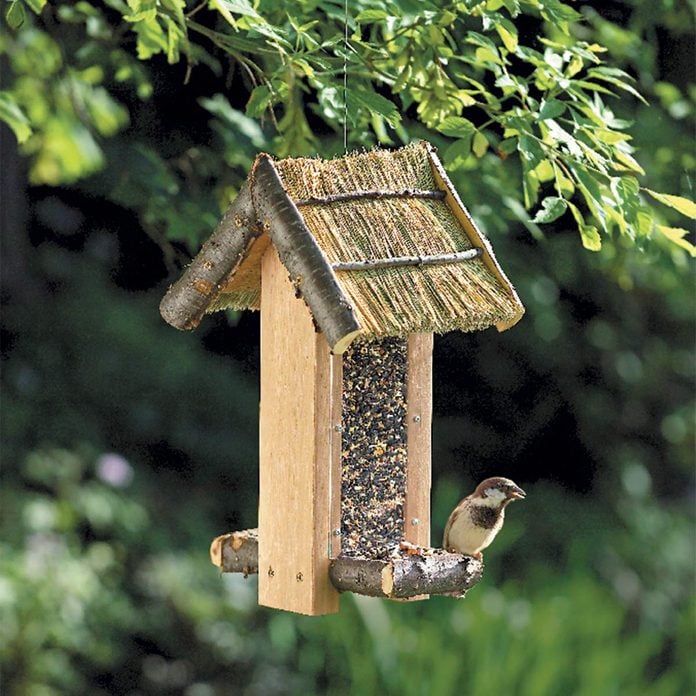
Credit: www.familyhandyman.com
Fixing Structural Issues
Fixing structural issues in your wooden bird feeder is essential to keep it safe and inviting for your feathered friends. Over time, weather and wear can cause parts to loosen, crack, or break. Tackling these problems quickly prevents further damage and extends the life of your feeder.
Reattaching Loose Components
Loose parts like roof panels, perches, or side walls can wobble and fall off. Start by gently removing any debris or old glue from the area.
Use waterproof wood glue or small nails to secure the pieces back in place. Clamping the parts while the glue dries helps create a stronger bond.
Have you noticed a part that keeps loosening despite repairs? It might need reinforcement with extra screws or brackets.
Replacing Broken Wood Pieces
When a piece is cracked or missing, replacement is often better than repair. Measure the damaged section carefully to cut a matching piece from similar wood.
Sand the edges smooth before fitting the new piece into place. Attach it using wood glue and nails or screws for a durable fix.
Think about using weather-resistant wood types like cedar or redwood, especially if your feeder faces harsh elements.
Securing Joints For Stability
Joints are the backbone of your bird feeder’s structure. If they’re loose, the whole feeder feels unstable and unsafe for birds.
Check all corners and connections for gaps or movement. Add wood glue and reinforce with screws or small metal brackets to lock them firmly.
Do you have a favorite tool for tightening joints? A cordless drill with a screwdriver bit can speed up the process and ensure a snug fit.
Sealing And Painting
Sealing and painting a wooden bird feeder protects it from weather damage. It also extends the feeder’s life and keeps it safe for birds. Proper sealing and painting add beauty and durability to your feeder. Use the right materials to avoid harming visiting birds.
Applying Weatherproof Sealant
Choose a clear, waterproof sealant designed for outdoor wood. Apply it evenly using a brush or cloth. Focus on corners and joints to stop water from seeping in. Let the sealant dry completely before handling the feeder. Reapply the sealant every year to keep the wood protected.
Choosing Bird-safe Paints
Pick paints that are non-toxic and safe for birds. Water-based acrylic paints work well and come in many colors. Avoid paint with strong smells or harmful chemicals. Apply thin, even coats to prevent clumps. Let each coat dry fully before adding another layer.
Adding Protective Coatings
Use a final protective coating to shield paint and wood from sun and rain. A clear, bird-safe varnish or polyurethane works best. Apply thin layers and allow each to dry well. This coating helps prevent fading and cracking. Regular maintenance keeps your feeder looking fresh and safe.

Credit: www.reddit.com
Maintaining Your Bird Feeder
Maintaining your wooden bird feeder keeps it safe and welcoming for birds. Regular care helps prevent damage and extends its life. Simple tasks done often make a big difference. Cleanliness, checks, and protection from harm matter most.
Regular Cleaning Tips
Clean your feeder every two weeks to stop mold and bacteria. Use warm water and mild soap. Avoid harsh chemicals that harm birds. Rinse well and let it dry before refilling. Remove old seed and debris. Use a soft brush to reach corners. Drying prevents wood from rotting.
Seasonal Inspection Checklist
- Check for cracks or splits in the wood.
- Look for loose nails or screws.
- Examine the roof for leaks.
- Inspect the hanging mechanism for wear.
- Test stability and repair weak spots.
- Check paint or sealant for peeling.
Perform inspections at the start of each season. Fix small issues early to avoid bigger repairs.
Preventing Future Damage
Apply a bird-safe sealant every year to protect wood. Place the feeder in a sheltered spot to avoid harsh weather. Use metal guards to stop squirrels and pests. Keep the feeder away from standing water to prevent mold. Rotate its location to reduce wear on one side. Proper care helps your feeder last through many seasons.

Credit: www.youtube.com
Frequently Asked Questions
How Do I Repair Cracks In A Wooden Bird Feeder?
To fix cracks, gently sand the area, then fill with waterproof wood filler. Let it dry fully before painting or sealing to protect from weather damage.
What Is The Best Sealant For Wooden Bird Feeders?
Use a non-toxic, water-based sealant designed for outdoor wood. It protects against moisture and prevents wood rot while keeping birds safe.
How Can I Prevent Wood Rot In My Bird Feeder?
Apply a weatherproof sealant regularly. Ensure proper drainage and avoid direct ground contact to keep the wood dry and extend feeder life.
How Do I Fix Loose Or Broken Parts On A Bird Feeder?
Use outdoor wood glue or small screws to reattach loose parts. Clamp pieces until dry for a strong, durable repair.
Conclusion
Fixing a wooden bird feeder can be simple and rewarding. Gather your tools and materials first. Then, follow the step-by-step guide carefully. Check for any loose parts and secure them tightly. Repair any cracks with wood glue. Sand the surface for a smooth finish.
Apply a protective seal to guard against weather. These steps help your feeder last longer. Birds will appreciate your effort and return often. Enjoy watching them visit your garden. Regular maintenance keeps your bird feeder in top shape. Happy bird watching!