
Are you wondering how to keep your Bird of Paradise plant healthy and vibrant? What you feed your plant plays a huge role in its growth and stunning blooms.
If you want your Bird of Paradise to thrive and become the star of your home or garden, understanding the right nutrients is key. Keep reading, and you’ll discover simple feeding tips that will help your plant flourish like never before.
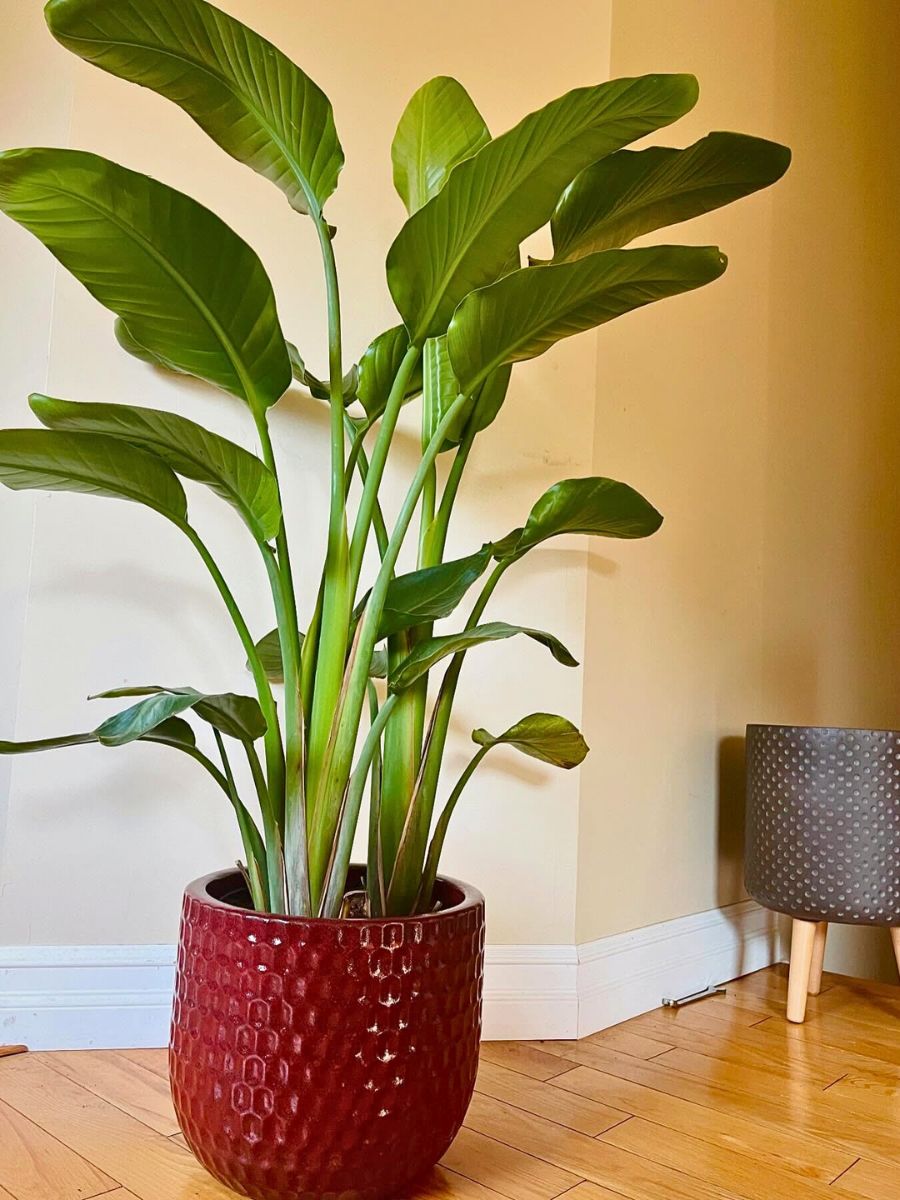
Credit: thursd.com
Bird Of Paradise Nutrient Needs
Understanding the nutrient needs of your Bird of Paradise plant is key to keeping it lush and vibrant. These tropical beauties demand a balanced diet to support their striking foliage and dramatic flowers. Giving your plant the right nutrients helps it thrive, not just survive.
Essential Macronutrients
Bird of Paradise plants rely heavily on three main macronutrients: nitrogen (N), phosphorus (P), and potassium (K). Nitrogen fuels leaf growth and keeps the foliage green and healthy. Without enough nitrogen, leaves may turn yellow and the plant will look weak.
Phosphorus supports root development and flower production. When your plant blooms less than expected, phosphorus deficiency might be the culprit. Potassium strengthens overall plant health and improves resistance to disease and drought.
Look for fertilizers labeled with balanced N-P-K ratios like 10-10-10 or 20-20-20. Applying these every 4-6 weeks during the growing season can make a visible difference in your plant’s vigor.
Key Micronutrients
Besides the big three, Bird of Paradise plants need small amounts of micronutrients to stay healthy. Iron helps keep leaves green and vibrant by aiding chlorophyll production. If you notice yellowing between leaf veins, an iron supplement might be necessary.
Magnesium is another vital micronutrient that supports photosynthesis. A lack of magnesium can cause leaves to yellow and curl at the edges. Zinc and manganese also contribute to overall growth and leaf health.
Micronutrients often come included in complete fertilizers, but you can add them separately if your soil test shows deficiencies. Have you checked your soil’s micronutrient levels recently? It might reveal what’s holding your plant back.
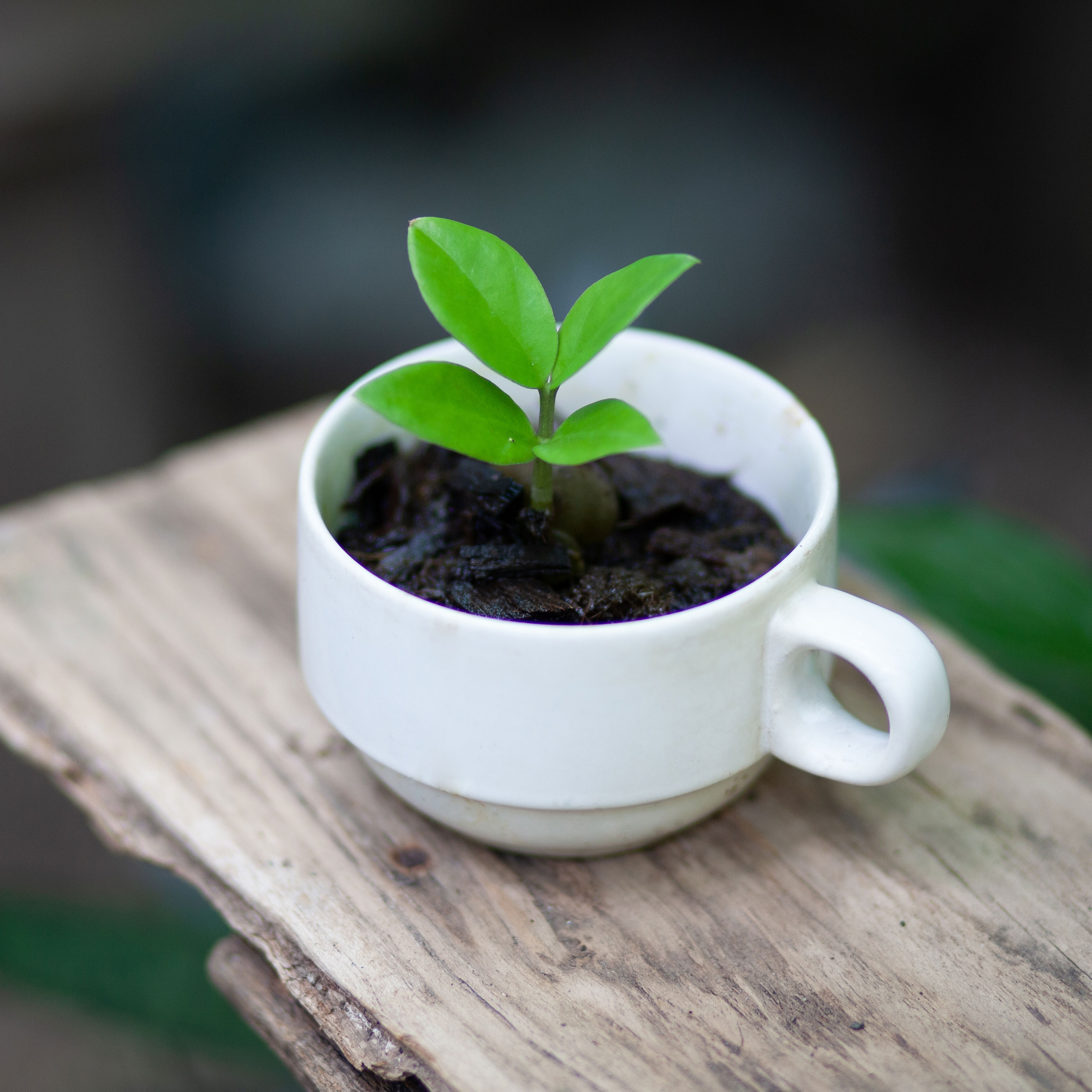
Credit: www.gardeningknowhow.com
Best Fertilizers For Growth
Choosing the right fertilizer for your Bird of Paradise plant can make a huge difference in its growth and blooming. Fertilizers supply essential nutrients that the plant needs to thrive and produce vibrant flowers. Let’s look at some of the best fertilizer options that help your Bird of Paradise reach its full potential.
Organic Fertilizers
Organic fertilizers provide natural nutrients that improve soil health over time. Compost, worm castings, and fish emulsion are excellent choices that feed your plant gently but effectively.
Using organic options also encourages beneficial microbes in the soil, which support root development. Have you noticed how your Bird of Paradise responds differently when you switch to organic feed? It often shows stronger, greener leaves and more consistent growth.
Synthetic Fertilizers
Synthetic fertilizers offer precise nutrient ratios that can boost your plant quickly. Look for balanced formulas like 10-10-10 or those higher in phosphorus to encourage blooming.
Apply them carefully according to package instructions to avoid overfeeding, which can harm your plant. If you want fast results, synthetic fertilizers might be the tool you need.
Slow-release Options
Slow-release fertilizers gradually provide nutrients over weeks or months, reducing the risk of nutrient burn. They are convenient if you prefer a low-maintenance feeding schedule.
These fertilizers keep feeding your Bird of Paradise consistently, helping it grow steadily without sudden spikes. Wouldn’t it be easier to feed your plant once and let it thrive for months?
Feeding Schedule Tips
Feeding your Bird of Paradise plant correctly helps it grow strong and vibrant. A good feeding schedule supports healthy leaves and beautiful flowers. Knowing when and how much to feed keeps the plant happy and thriving. Follow simple tips to create the right routine for your plant’s needs.
Seasonal Feeding
The Bird of Paradise grows mostly in warm months. Feed it more during spring and summer when growth is active. Use a balanced fertilizer with equal parts nitrogen, phosphorus, and potassium. Reduce feeding in fall and stop in winter when the plant rests. Feeding during the wrong season can harm the plant.
Frequency And Dosage
Feed the plant every 2 to 4 weeks during the growing season. Use half the recommended fertilizer strength to avoid overfeeding. Too much fertilizer can burn roots and damage leaves. Water the plant before feeding to help nutrients absorb well. Always follow the instructions on the fertilizer package.
Soil And Water Impact
The health of a Bird of Paradise plant depends greatly on soil and water. These two factors influence how well the plant absorbs nutrients. Proper soil and watering create the right environment for growth. They help the plant stay strong and vibrant.
Soil Quality And Nutrient Absorption
Bird of Paradise plants thrive in well-draining soil. Soil rich in organic matter supports nutrient absorption. Loose soil allows roots to spread easily. It prevents water from standing around roots. This stops root rot and other issues.
Good soil holds enough moisture but drains excess water. Nutrients dissolve in soil water. Roots then absorb these nutrients for healthy growth. Poor soil with low nutrients can stunt the plant. Use soil with compost or peat moss to enrich it.
Watering Practices And Fertilizer Uptake
Consistent watering helps Bird of Paradise absorb fertilizer well. Overwatering can wash away nutrients, causing deficiencies. Underwatering prevents nutrients from reaching roots. Balance is key.
Water the plant deeply but allow soil to dry slightly between waterings. This encourages strong root growth. Fertilizers work best in moist soil. Apply fertilizer during the growing season for best results. Avoid fertilizing dry soil to prevent root burn.
Signs Of Nutrient Deficiency
Knowing the signs of nutrient deficiency helps keep your Bird of Paradise plant healthy. Plants need a balance of nutrients to grow strong and bloom well. Lack of nutrients shows in leaf color, shape, and growth speed. Early detection can save your plant from serious damage.
Common Deficiency Symptoms
- Yellowing Leaves:Leaves turn yellow when nitrogen is low.
- Brown Leaf Edges:Potassium deficiency causes brown, dry edges.
- Pale New Growth:Iron shortage leads to pale or white young leaves.
- Slow Growth:Lack of phosphorus can stunt growth and reduce flowering.
- Leaf Curling:Magnesium deficiency often causes leaves to curl or twist.
Correcting Nutrient Imbalances
Use a balanced fertilizer made for tropical plants. Choose one with nitrogen, phosphorus, and potassium (N-P-K) in equal amounts. Apply fertilizer every 4 to 6 weeks during growing seasons.
For specific deficiencies, add supplements:
- Iron supplements for pale leaves.
- Magnesium sulfate (Epsom salt) for curled leaves.
- Potassium-rich fertilizers for brown edges.
Water the plant well after feeding to help nutrients absorb. Monitor your plant for changes to adjust feeding as needed.
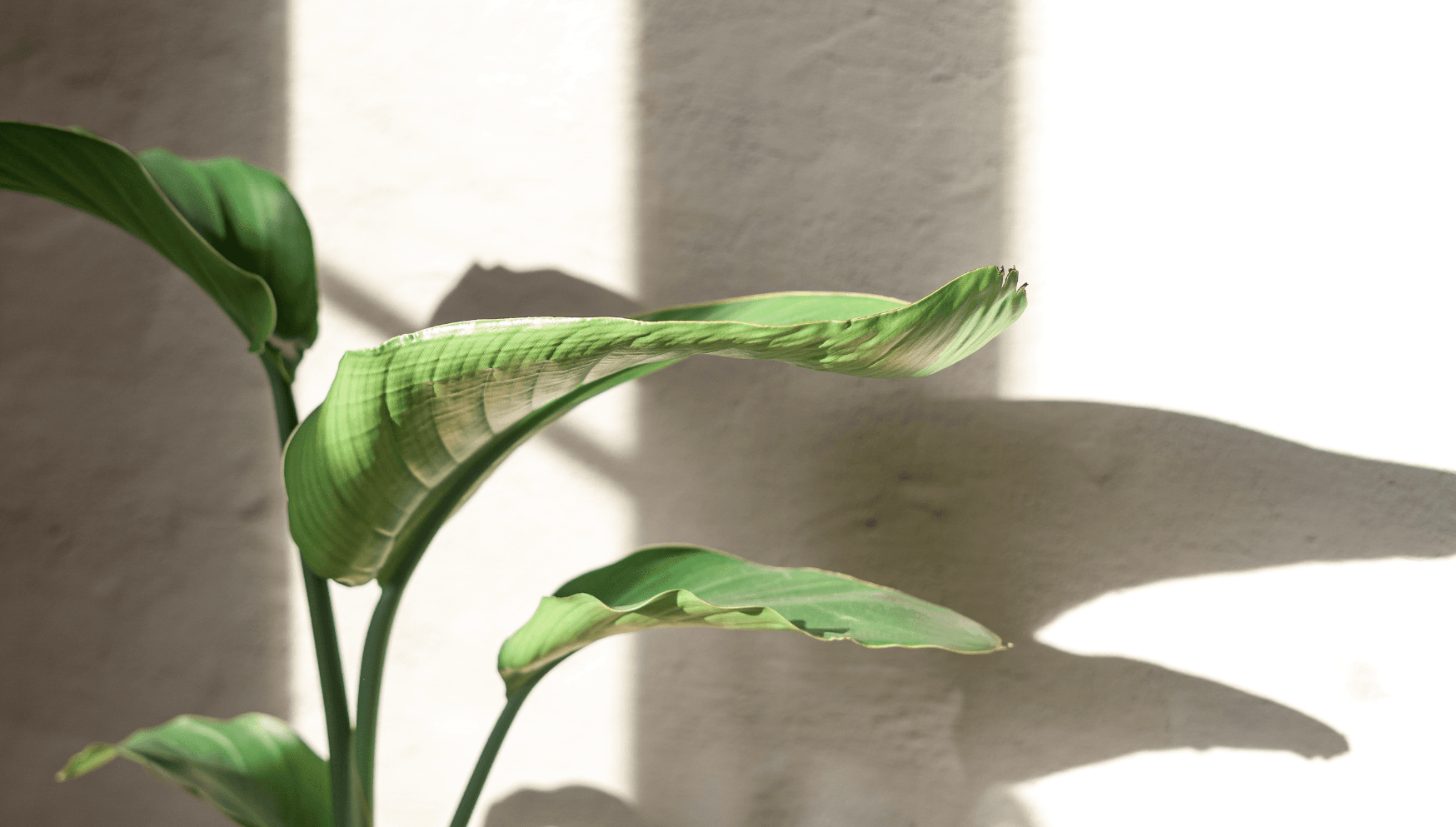
Credit: plnts.com
Boosting Flowering And Growth
Boosting flowering and growth in Bird of Paradise plants requires proper feeding and care. These tropical beauties need balanced nutrients to produce vibrant flowers and lush leaves. Proper feeding enhances their natural growth rhythm and supports strong blooms.
Regular nourishment helps the plant develop deep roots and sturdy stems. It also encourages the bright orange and blue flowers that the Bird of Paradise is famous for. Feeding is not just about quantity but also the right type of nutrients.
Fertilizer Formulas For Blooming
Choose fertilizers with a balanced mix of nitrogen, phosphorus, and potassium (N-P-K). A formula like 10-10-10 supports overall growth. For blooming, formulas richer in phosphorus, such as 15-30-15, work best. Phosphorus promotes flower development and strength.
Use slow-release fertilizers to provide steady nutrients over time. Liquid fertilizers applied every 2-4 weeks during the growing season also work well. Avoid excessive nitrogen, which can cause more leaves but fewer flowers.
- Apply fertilizer during spring and summer for best results.
- Reduce feeding in fall and winter when growth slows.
- Follow package instructions to avoid overfeeding.
Additional Care Tips
Water the plant deeply but allow soil to dry between watering. Bird of Paradise thrives in moist, well-draining soil. Provide bright, indirect sunlight or partial sun for healthy growth.
Prune dead or damaged leaves to keep the plant tidy. This helps the plant use energy for new growth and flowers. Keep the plant in a warm spot, as cold slows its development.
- Repot every 2-3 years to refresh soil and nutrients.
- Use mulch to retain soil moisture and regulate temperature.
- Check regularly for pests like spider mites or aphids.
Frequently Asked Questions
What Is The Best Fertilizer For Bird Of Paradise Plants?
Use a balanced, slow-release fertilizer with equal NPK ratios. Apply every 6-8 weeks during growing seasons for healthy growth.
How Often Should I Feed My Bird Of Paradise Plant?
Feed your plant every 6-8 weeks during spring and summer. Avoid fertilizing in fall and winter when growth slows down.
Can Bird Of Paradise Plants Thrive Without Fertilization?
They can survive without fertilizer but grow slower. Regular feeding ensures vibrant blooms and lush foliage.
What Nutrients Do Bird Of Paradise Plants Need Most?
They need nitrogen, phosphorus, and potassium for strong roots and flowers. Micronutrients like magnesium and iron also support healthy growth.
Conclusion
Feeding your Bird of Paradise plant correctly ensures vibrant growth. Use a balanced fertilizer. Apply it during the growing season. Avoid over-fertilizing to prevent harm. Organic options, like compost, work well too. Ensure proper watering alongside feeding. This keeps the soil nutrients balanced.
A healthy plant rewards you with stunning blooms. Keep an eye on soil conditions. Adjust feeding as needed. Consistent care leads to a flourishing plant. Your Bird of Paradise will thrive beautifully with the right nutrients. Happy gardening!