
Have you ever found a tiny baby bird and wondered what you can safely feed it from your kitchen? It’s natural to want to help, but giving the wrong food can do more harm than good.
You might be surprised by how many common kitchen items can actually be great for these little creatures. Keep reading, and you’ll discover simple, safe foods that can help baby birds grow strong and healthy. Your quick actions and the right choices can make all the difference.

Credit: creators.yahoo.com
Foods Safe For Baby Birds
Knowing what foods are safe for baby birds can make a big difference if you find yourself caring for a tiny feathered friend. Not all kitchen scraps are good for them, so choosing the right items is crucial. You want to provide nourishment that supports their growth without causing harm.
Fruits Suitable For Feeding
Many baby birds enjoy soft, juicy fruits that are easy to digest. You can offer small pieces of apples, pears, or bananas, but always remove seeds and cores first. Berries like blueberries and strawberries are also great because they contain vitamins and antioxidants that help baby birds stay healthy.
Have you ever noticed how quickly a baby bird pecks at a ripe banana? Their preference for sweet, soft fruits is natural and can help you decide what to offer.
Vegetables To Offer
Vegetables provide essential nutrients and fiber. Cooked carrots, peas, and green beans are gentle on baby birds’ digestive systems and easy to mash. Avoid raw or tough veggies that might be hard to swallow.
Try steaming vegetables until soft, then chop them finely. This simple step can make a big difference in how well the baby bird accepts the food.
Protein Sources From The Kitchen
Protein is vital for the growth of baby birds, especially in their early days. You can provide small amounts of hard-boiled egg yolk, finely chopped cooked chicken, or mealworms if you have them. These options mimic the insects and worms they would eat in the wild.
Remember to avoid seasoning or adding salt to these foods. Plain and simple is always best when feeding baby birds.
Grains And Seeds Options
Grains and seeds offer energy and nutrients that support baby birds’ development. Cooked rice, oats, or quinoa can be softened with water to make them easier to eat. Small seeds like millet or sunflower seeds can be given, but only if the bird is old enough to handle them.
Have you tried soaking seeds to soften them? This can prevent choking and make the seeds more digestible for the tiny beaks.
Credit: creators.yahoo.com
Foods To Avoid
Feeding baby birds from your kitchen requires caution. Some foods can harm their delicate health. Avoiding certain items helps keep them safe and growing strong.
Toxic Ingredients
Many common kitchen items contain ingredients toxic to birds. Chocolate contains theobromine, which is deadly. Onions and garlic can damage their blood cells. Caffeine in coffee and tea can cause heart problems. Avoid foods with salt and sugar, as they upset their systems. Raw or dried beans contain harmful toxins. Keep all these away from baby birds.
Choking Hazards
Baby birds have small throats that can easily get blocked. Hard nuts and seeds may cause choking. Large pieces of raw vegetables are risky. Popcorn and whole grapes should never be fed. Cut food into tiny, soft pieces to avoid danger. Always watch birds while feeding.
Foods That Cause Digestive Issues
Some foods can upset baby birds’ stomachs. Dairy products like milk and cheese are hard to digest. Fatty and fried foods cause stomach pain. Spicy or salty snacks can lead to dehydration. Avoid feeding bread, as it swells and blocks digestion. Stick to natural, soft, and plain foods for their comfort.
Preparing Food For Baby Birds
Feeding baby birds from your kitchen can be a rewarding experience, but preparing their food requires careful attention. You need to ensure the food is the right size, texture, and balanced to meet their nutritional needs. Keeping everything fresh and clean is just as important to help these tiny creatures thrive.
Proper Food Size And Texture
Baby birds have delicate mouths and throats, so the size and texture of the food must be suitable. Chop or mash food into tiny, manageable pieces to prevent choking. Soft textures work best—think mashed bananas, finely chopped boiled eggs, or soaked bread crumbs.
Have you noticed how picky some baby birds can be? Offering food that’s too hard or large might cause them to reject it or struggle to eat. Testing the texture yourself by squishing the food gently can help ensure it’s soft enough.
Mixing Balanced Meals
To support healthy growth, you need to provide a mix of protein, carbohydrates, and fats. Protein-rich items like cooked egg yolk, mealworms, or finely chopped chicken can boost their development. Adding mashed fruits or vegetables, such as apples or peas, gives them essential vitamins and energy.
Try creating small batches of mixed food so you can adjust ingredients based on what the baby birds prefer or tolerate. A simple ratio to start with could be 50% protein, 30% fruits or veggies, and 20% carbohydrates. This balance promotes steady growth and keeps their diet interesting.
Maintaining Freshness And Hygiene
Freshness is critical when preparing food for baby birds. Spoiled or stale food can cause serious health issues. Always prepare small amounts that can be fed within a few hours.
Clean feeding utensils and containers thoroughly before each use. Avoid cross-contamination by washing hands and surfaces as well. Have you ever seen how quickly leftover food can attract unwanted pests? Keeping everything clean protects the birds and your home.

Credit: www.reddit.com
Feeding Tips And Techniques
Feeding baby birds from your kitchen can be a rewarding experience, but it requires careful attention to their needs and safety. Understanding how often to feed, which tools to use, and how to tell if they are thriving can make a huge difference in their survival. Let’s break down these essential feeding tips and techniques to help you care for these tiny creatures with confidence.
How Often To Feed
Baby birds need frequent feeding because they have fast metabolisms. Typically, they require food every 20 to 30 minutes from dawn until dusk. If you miss a feeding, the baby can become weak quickly.
Young hatchlings, especially, cannot go long without food. As they grow, the feeding intervals can stretch out a bit. Are you prepared to stick to this demanding schedule? Consistency is key to their survival.
Safe Feeding Tools
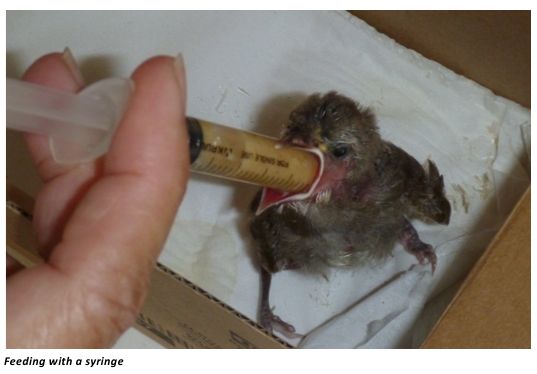
Using the right tools ensures safe feeding and reduces the risk of injury or choking. A small syringe or an eyedropper works well for delivering tiny amounts of food gently. Avoid using spoons or forks which might hurt the baby bird’s delicate mouth.
You can also use tweezers to mimic a parent bird’s beak when offering soft food like soaked dog kibble or finely chopped insects. Always sterilize your tools before and after each feeding to prevent infections.
Signs Baby Birds Are Eating Well
Knowing if a baby bird is eating well helps you adjust your care quickly. Look for a rounded, full crop (the small pouch in their throat area) after feeding—that’s a good sign they are getting enough food. Healthy baby birds are usually active and make soft chirping sounds.
On the other hand, if the bird stays quiet, weak, or their crop remains empty, it might mean they are not eating enough or are having difficulty. Keep a close eye on these signs and don’t hesitate to seek advice from a wildlife expert if you notice problems.
When To Seek Help
Knowing when to seek help for baby birds is crucial for their survival. Sometimes, feeding alone is not enough. Some birds need special care to recover and grow strong. Acting quickly can save their lives.
Recognizing Health Problems
Look for signs like weak movements, closed eyes, or difficulty breathing. A bird that is cold or has wounds needs help fast. Unusual quietness or constant begging sounds also show distress. These signs mean the bird may be sick or injured.
Contacting Wildlife Experts
Reach out to local wildlife rehabilitators or animal rescue centers. They have the skills and tools to care for baby birds properly. Experts know the right diet and environment for each species. Do not try to care for seriously injured birds alone.
Temporary Care Before Rescue
Keep the bird warm in a small box with soft cloth. Avoid feeding anything not recommended by experts. Provide quiet and avoid handling the bird too much. This helps reduce stress until professional help arrives.
Frequently Asked Questions
What Kitchen Foods Are Safe For Feeding Baby Birds?
Soft fruits like bananas and berries, cooked rice, and unsalted oatmeal are safe. Avoid salty, spicy, or processed foods. Always offer small, easily digestible pieces to prevent choking and ensure proper nutrition for baby birds.
Can I Feed Baby Birds Cooked Vegetables From My Kitchen?
Yes, cooked vegetables like peas, carrots, and sweet potatoes are nutritious for baby birds. Ensure they are soft, plain, and cut into tiny pieces. Avoid seasoning or oils to keep the food safe and healthy.
How Often Should I Feed Baby Birds From Kitchen Food?
Feed baby birds every 15-20 minutes during daylight hours. Young birds have high energy needs and require frequent feeding for proper growth. Always offer fresh, suitable food in small portions to mimic natural feeding patterns.
Is It Okay To Feed Baby Birds Bread Or Milk?
No, bread and milk are harmful to baby birds. Bread lacks nutrients and can cause digestive issues. Milk can upset their stomachs because birds cannot digest lactose. Stick to natural, nutritious foods from your kitchen instead.
Conclusion
Feeding baby birds requires care and thought. Kitchen ingredients can help. Cooked eggs and soft fruits make good options. Remember to avoid salt and sugar. Always offer clean, fresh water. Observe the birds’ reactions to the food. Adjust as needed for their health.
Each bird species has specific needs. Research is crucial for their well-being. Feeding baby birds is a rewarding experience. It strengthens our bond with nature. Simple steps make a big difference. Your efforts contribute to their survival. Keep learning and enjoy the process.
Your kindness matters.