
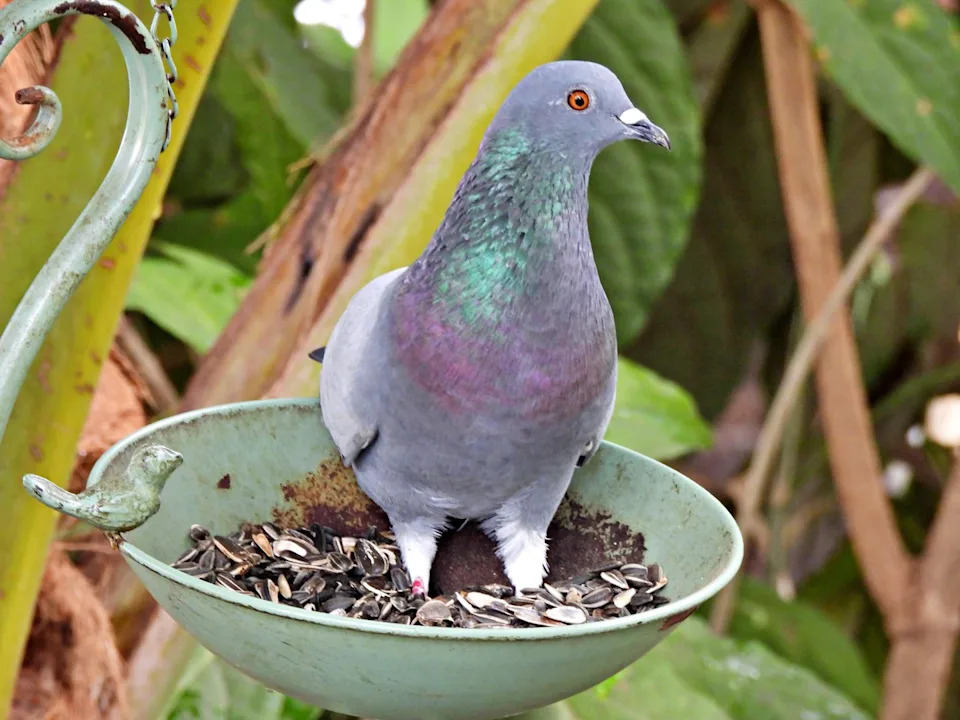
Are pigeons constantly crowding your bird feeder and scaring away the smaller birds you want to attract? You’re not alone.
These persistent visitors can turn your peaceful birdwatching spot into a noisy, messy battleground. But don’t worry—there are simple and effective ways to keep pigeons away without harming them or ruining your feeder. You’ll discover easy tips and tricks that work, so you can enjoy watching a variety of beautiful birds visit your feeder again.
Ready to reclaim your backyard sanctuary? Let’s dive in.
Why Pigeons Visit Feeders
Pigeons often show up at bird feeders, much to the frustration of bird lovers who want to attract smaller, more colorful birds. Understanding why pigeons visit feeders can help you manage their presence more effectively. Let’s look at what draws them in and what common feeder issues might be inviting these persistent visitors.
Attractants For Pigeons
Pigeons are attracted to easy food sources. Your bird feeder offers grains and seeds that pigeons find irresistible. They prefer large seeds like sunflower or cracked corn, which are often available in feeders.
Another factor is the location of your feeder. Pigeons like open spaces where they can spot predators easily. If your feeder is in a wide, open area without much cover, pigeons will feel safer visiting.
Think about the feeding schedule too. Pigeons are quick to learn when food appears and will return regularly. Have you noticed pigeons showing up right after you fill the feeder? That’s because they remember the timing.
Common Feeder Issues
One common issue is feeder design. Feeders with large perches or flat trays make it easy for pigeons to land and eat. If you want to keep pigeons away, consider feeders with smaller perches or weight-sensitive mechanisms that close under heavier birds.
Another problem is spillage. Pigeons feed on seeds that fall to the ground beneath feeders. If you don’t clean up regularly, you’re basically inviting pigeons to feast on the leftovers. Have you checked the ground under your feeder lately?
Finally, overcrowding of food can be a problem. Filling feeders too much can lead to waste and attract pigeons looking for a free meal. Try filling feeders in smaller amounts more frequently to reduce waste and discourage pigeons.
Credit: allstaranimaltrapping.com
Choosing The Right Feeder
Choosing the right feeder plays a key role in keeping pigeons away. A feeder designed for smaller birds discourages larger pigeons from landing. Careful selection of feeder style, material, and placement can reduce unwanted visitors. Select feeders that suit your local bird species and keep pigeons at bay.
Feeder Designs That Deter Pigeons
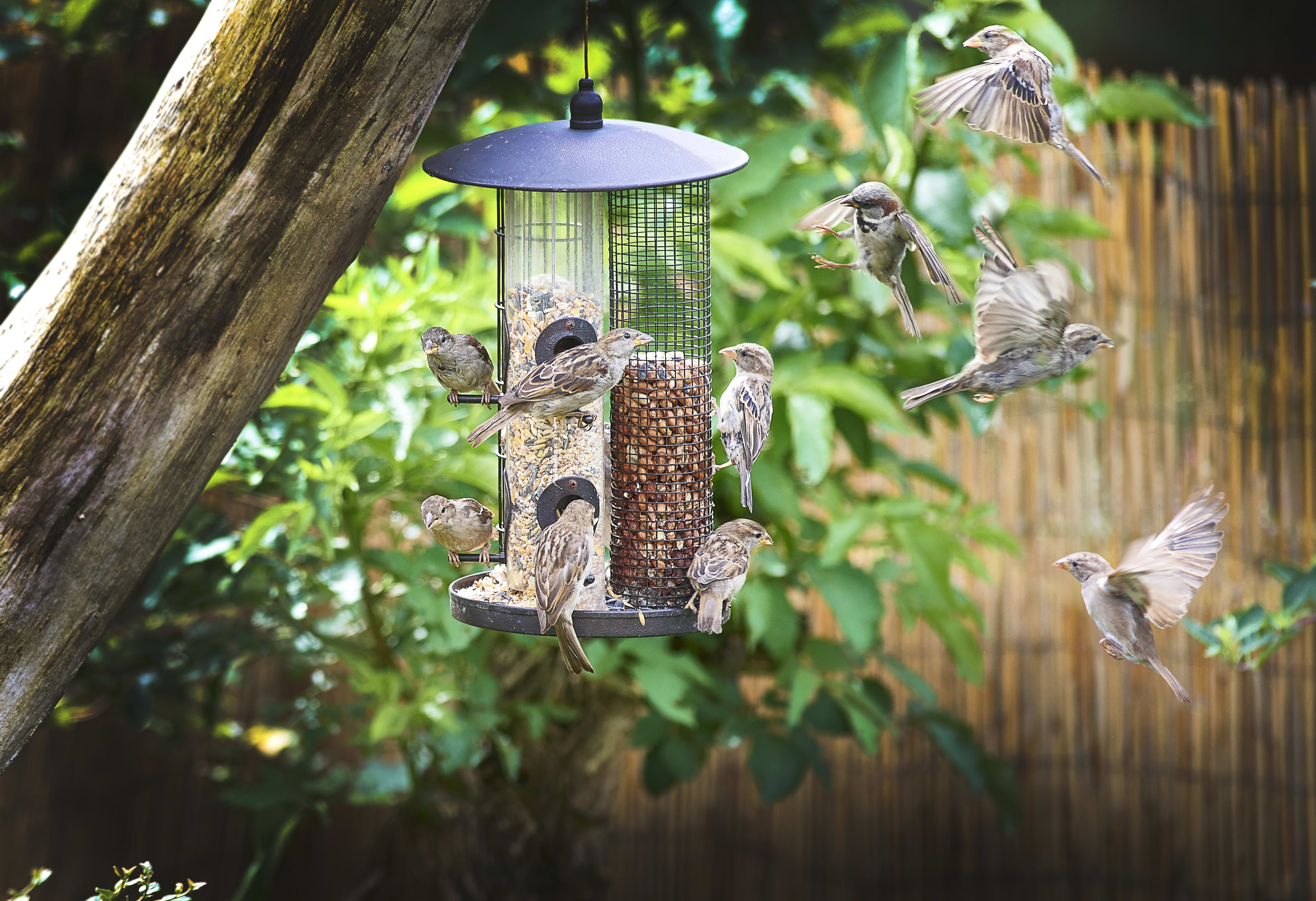
Feeders with small perches limit space for pigeons to sit. Tube feeders with narrow ports help smaller birds feed comfortably. Hopper feeders with weight-sensitive perches close when heavy birds land. Cage-style feeders surround the seed area, blocking pigeons but allowing small birds inside.
- Tube feeders with small feeding holes
- Weight-activated hopper feeders
- Cage-style feeders that exclude larger birds
Material And Placement Tips
Metal feeders resist damage and are easier to clean than plastic. Avoid feeders with large, flat surfaces where pigeons can rest. Place feeders away from ledges or rooftops where pigeons can perch. Hanging feeders from thin wires or poles reduces pigeon access. Position feeders near shrubs or trees for small birds’ quick escape.
Using Physical Barriers
Using physical barriers is a straightforward way to keep pigeons away from your bird feeder. These barriers create a clear boundary that pigeons find hard to cross, making your feeder less accessible to them. You don’t have to rely on chemicals or scare tactics—simple tools can do the job effectively.
Installing Spikes And Nets
Bird spikes are an easy addition to poles or edges near your feeder. They don’t harm the birds but make it uncomfortable for pigeons to land. You can find spikes made of plastic or metal that blend well with your garden setup.
Nets work well if you want to cover the feeder completely. Stretching a fine net around the feeding area stops pigeons from reaching the seeds while letting smaller birds in. Make sure the net is taut and secured so pigeons can’t slip inside.
Creating Space Around Feeders
Pigeons prefer landing spots close to food, so giving them fewer options helps. Trim branches or remove perches within a few feet of the feeder. This forces pigeons to stay away since they won’t find a nearby resting place.
Setting feeders on poles that are at least five feet above the ground and away from walls or fences reduces pigeon visits. Have you noticed how birds act differently when their landing spots are limited? Applying this can make a big difference in your garden’s bird activity.
Feeding Techniques To Discourage Pigeons
Keeping pigeons away from your bird feeder can be tricky, especially if you want to welcome smaller, friendlier birds instead. Adjusting how and what you feed can make a big difference. These feeding techniques help discourage pigeons without harming any birds in your backyard.
Selective Seed Choices
Pigeons prefer larger, softer seeds like millet and cracked corn. If you switch to seeds less appealing to them, such as nyjer (thistle) or safflower seeds, pigeons are less likely to visit. These seeds attract finches and chickadees, which are often the birds you want to encourage.
Using a mix heavy on safflower or nyjer also reduces leftover seeds on the ground, which pigeons love to scavenge. Have you noticed that some seeds get wasted more than others? Choosing carefully can cut down on this and keep pigeons away.
Feeding Schedule Adjustments
Pigeons tend to gather when feeders are full all day. Limiting feeding times to just a couple of short periods can reduce their chances to dominate the feeder. Try filling your feeder early in the morning and again in late afternoon, then remove or empty it at night.
This controlled feeding schedule encourages smaller birds to visit during those active times and discourages pigeons from settling in. It’s worth asking yourself: how often do you need to feed your birds to keep them healthy without attracting unwanted guests?
Natural Deterrents And Repellents
Using natural deterrents and repellents is a smart way to keep pigeons away from your bird feeder without harming them or disrupting the environment. These solutions rely on scents and plants that pigeons find unpleasant, encouraging them to look elsewhere for food. You can easily create a pigeon-free zone while still enjoying the presence of other birds.
Safe Plants And Scents
Certain plants naturally repel pigeons due to their strong scents or textures. Adding these to your garden or near your feeder can make the area less inviting for pigeons.
- Lavender:Its strong fragrance is pleasant to humans but keeps pigeons at bay.
- Rosemary:This herb’s scent deters pigeons and adds a nice touch to your garden.
- Marigolds:The smell and bright colors discourage pigeons from settling nearby.
- Mint:Planting mint around your feeder creates a natural barrier pigeons avoid.
Have you noticed how some gardens feel more peaceful and less crowded with unwanted birds? These plants don’t just add beauty; they work as your first line of defense.
Homemade Deterrent Solutions
Simple ingredients from your kitchen can become effective pigeon repellents. These homemade solutions are easy to prepare and safe for the environment.
- Vinegar Spray:Mix equal parts water and white vinegar in a spray bottle. Spray it on surfaces near your feeder to discourage pigeons from landing.
- Chili Pepper Mix:Blend water with crushed chili flakes and spray lightly around the feeder. The spicy smell irritates pigeons but won’t harm them.
- Garlic Water:Soak crushed garlic in water overnight, then spray the mixture near feeding areas. The strong garlic scent repels pigeons effectively.
These solutions require regular reapplication, especially after rain. Have you tried any of these yet? They might surprise you with how well they work without harsh chemicals.
Credit: dengarden.com
Behavioral Methods
Behavioral methods focus on changing the pigeons’ habits to keep them away. These techniques use birds’ natural fears and reactions. They do not harm the birds but make the feeder less attractive.
Using Visual Scare Devices
Visual scare devices trick pigeons into thinking danger is near. These devices include shiny objects, fake predators, and moving items. Reflective tapes or old CDs catch sunlight and create flashing lights. This sudden brightness scares pigeons away.
Plastic owls or hawks placed near feeders work well. Pigeons see these as real threats and avoid the area. Changing the position of these decoys often keeps pigeons unsure and cautious. Moving objects like pinwheels add extra movement and disturbance.
Noise And Movement Strategies
Noise can startle pigeons and disrupt their feeding habits. Small wind chimes or bells produce gentle sounds that keep pigeons alert. Sudden noises, such as claps or whistles, also work but need human presence.
Movement scares pigeons too. Hanging strips of lightweight fabric that flutter in the wind help. Regularly changing the feeder’s location confuses pigeons and lowers their visits. Combining noise and movement creates an uncomfortable environment for pigeons.
Maintaining A Clean Feeding Area
Maintaining a clean feeding area helps keep pigeons away from your bird feeder. Dirt and spilled seeds attract pigeons and other unwanted birds. Clean spaces make the feeder less inviting to pests. Regular care ensures a healthy environment for smaller birds.
Regular Cleaning Routines
Clean the bird feeder and surrounding area often. Remove old seeds and bird droppings daily. Wash the feeder with warm, soapy water weekly. Rinse well and dry completely before refilling. This prevents mold and bacteria growth. Keep the ground free of debris to avoid attracting pigeons.
Managing Seed Spills
Seed spills on the ground attract pigeons quickly. Use a tray or mat under the feeder to catch falling seeds. Sweep or rake spilled seeds every day. Avoid overfilling the feeder to reduce waste. Store extra seeds in sealed containers to keep them fresh and dry.

Credit: uk.style.yahoo.com
When To Seek Professional Help
Sometimes, bird feeders attract more pigeons than expected. Simple home remedies may not stop them. Professional help can offer long-lasting solutions. Knowing when to call experts saves time and frustration. Recognizing warning signs and choosing the right service is key.
Signs Of Persistent Problems
- Pigeons return despite barriers or scare tactics.
- Feeder damage occurs frequently.
- Large flocks gather daily around the feeder.
- Bird droppings increase, creating health risks.
- Neighbors complain about noise or mess.
- Attempts to clean or block feeders fail repeatedly.
Choosing Pest Control Services
Look for companies with experience in bird control. Check if they use safe, humane methods. Ask about treatment plans and follow-up visits. Read reviews from local customers. Confirm their licenses and insurance. Choose providers who explain their process clearly. Ensure they offer solutions tailored to your feeder setup.
Frequently Asked Questions
How Can I Stop Pigeons From Eating Bird Food?
Use bird feeders designed for smaller birds. Add physical barriers like cages or baffles. Remove spilled seeds promptly to avoid attracting pigeons.
What Bird Feeder Types Keep Pigeons Away?
Tube feeders with small feeding ports and weight-sensitive perches work well. Hopper feeders with enclosed feeding areas also deter pigeons effectively.
Are Pigeon Deterrents Safe For Other Birds?
Yes, many deterrents like spikes or decoy predators target pigeons specifically. Choose humane options to avoid harming smaller birds visiting your feeder.
Why Do Pigeons Prefer Bird Feeders?
Pigeons are attracted to easy food sources. Feeders often spill seeds, providing abundant food. Their strong beaks allow them to access many feeder types.
Conclusion
Keeping pigeons away from your bird feeder is simple and effective. Start by using feeders designed for small birds. Opt for those with weight-sensitive perches. Place your feeder in areas hard for pigeons to reach. Try using bird seed mixes that pigeons dislike.
Consider setting up decoys or reflective objects nearby. Regularly clean your feeder and surrounding area. This prevents pigeons from lingering. Consistent effort ensures small birds enjoy your feeder undisturbed. Enjoy watching your favorite feathered friends visit. Your bird feeder can thrive pigeon-free with these tips.
Happy birdwatching!