
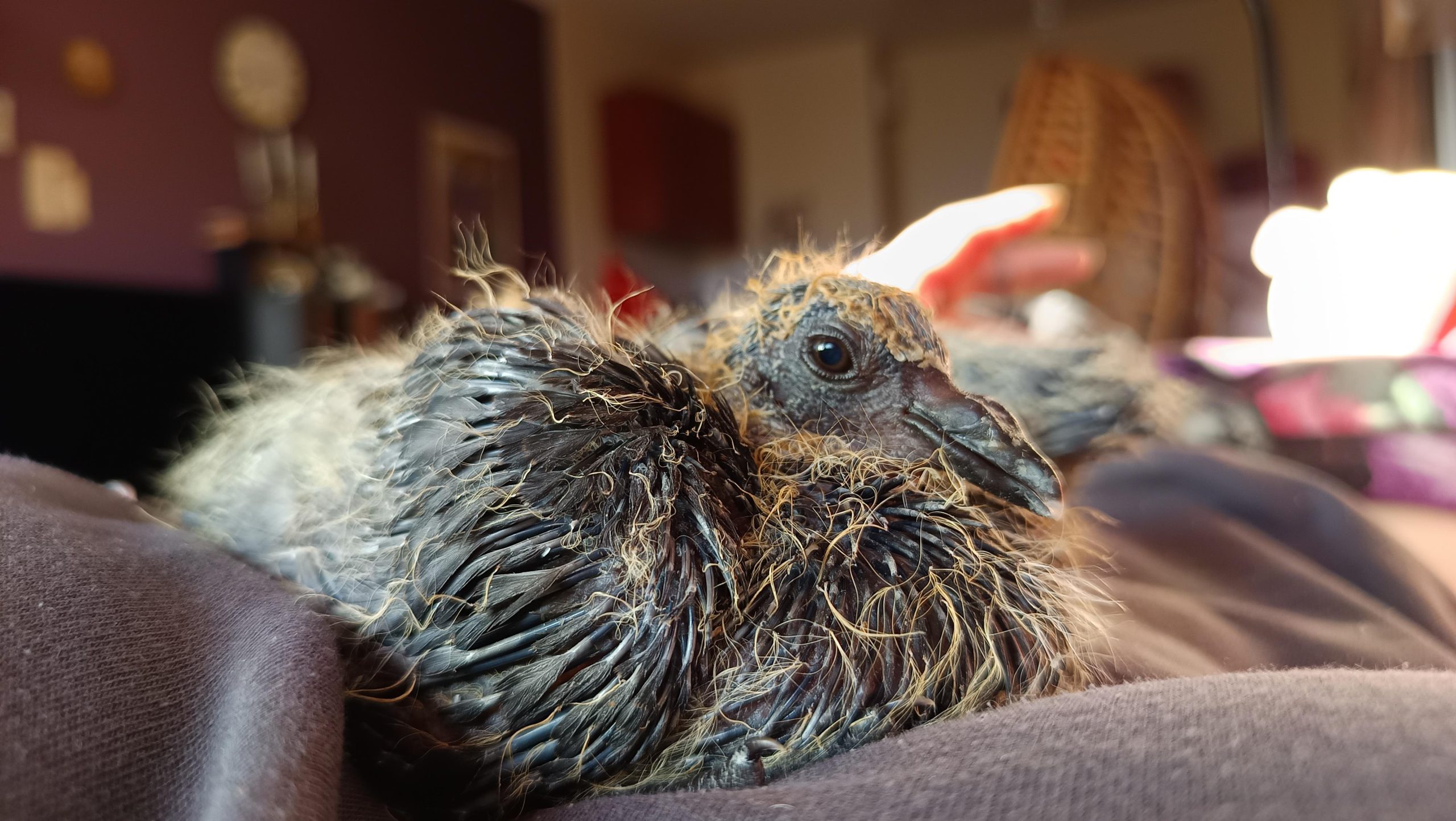
Finding an abandoned baby bird can be a heartbreaking experience. You want to help, but you might wonder, what exactly should you feed these tiny creatures to keep them safe and healthy?
Feeding baby birds the wrong food can do more harm than good, so it’s important to know the right steps to take. In this guide, you’ll discover simple, effective ways to nourish abandoned baby birds and give them the best chance to survive.
Keep reading to learn how you can make a real difference right now.
Identifying Abandoned Baby Birds
Noticing a baby bird alone can stir your urge to help immediately. But before you act, it’s crucial to determine if the bird is truly abandoned. Identifying abandonment correctly ensures you provide the right care without disrupting natural parenting.
Signs Of Abandonment
Look closely at the baby bird’s surroundings. If you see no adult birds returning over several hours, it could indicate abandonment. However, some species leave their young temporarily while foraging, so patience is key.
Physical condition also offers clues. A hungry, weak, or cold chick may suggest it’s been left alone too long. Listen for constant, distressed chirping—this often means the baby needs immediate help.
Check the nest, if accessible. Is it damaged or empty except for the chick? Absence of siblings or signs of care might confirm abandonment. Have you ever waited quietly nearby to observe if a parent returns?
Age And Development Stages
Understanding the baby bird’s age helps decide what to feed and how to care for it. Hatchlings are featherless with closed eyes, relying entirely on parents for warmth and food. Nestlings have some feathers and open eyes but still need significant care.
Fledglings, almost fully feathered and able to hop or flutter, might seem abandoned but often are learning to fly. They usually don’t need feeding but may require protection from immediate dangers. Can you tell if the bird is just exploring outside the nest or truly left behind?
Each stage demands different attention. Hatchlings require frequent feeding every 15-20 minutes, while fledglings might only need occasional support. Assessing age and development guides your next steps in rescue and rehabilitation.
Credit: www.petsradar.com
Safe Feeding Practices
Feeding abandoned baby birds requires careful attention to ensure their safety and health. Safe feeding practices are not just about what you give them, but also how you handle and feed them. Mistakes can harm these fragile creatures, so understanding the right approach is crucial.
Handling Baby Birds Properly
Handle baby birds gently and as little as possible. Their bones are delicate, and rough handling can cause injury or stress. Use soft gloves or a clean cloth to hold them if needed, supporting their body securely without squeezing.
Keep the bird warm while feeding because cold birds may refuse food or have difficulty digesting it. A warm, quiet environment helps reduce stress and mimics the care they would get from their parents. Have you noticed how calm a baby bird becomes when gently cradled in your hands?
Feeding Frequency And Amounts
Baby birds need frequent feedings, typically every 15 to 20 minutes during daylight hours. Young birds have tiny stomachs and require small, regular meals to stay healthy and grow properly. Overfeeding or underfeeding can both cause serious problems.
Start with a few drops of food and gradually increase the amount as the bird grows. Watch for signs of fullness, like slower swallowing or turning away from the food. Are you prepared to keep a strict feeding schedule that fits the baby bird’s natural needs?
Suitable Food Options
Finding the right food for abandoned baby birds can feel overwhelming. You want to provide nourishment that mimics what their parents would offer. Choosing suitable food options ensures their survival and healthy growth.
Commercial Baby Bird Formulas
Commercial formulas are designed specifically for baby birds. They contain balanced nutrients that meet the needs of various species. These ready-made options reduce the guesswork and save you time.
Look for formulas labeled for the bird type you are caring for, such as finches or parrots. Brands like Kaytee Exact or ZuPreem offer reliable products. Mixing the formula with warm water creates an easy-to-feed consistency.
Homemade Food Alternatives
If commercial formulas aren’t available, you can prepare homemade alternatives. A simple mix of soaked dog or cat kibble, hard-boiled eggs, and baby cereal can work. Make sure the texture is smooth and easy for the baby bird to swallow.
Adding small amounts of mashed fruits like bananas or apples provides vitamins. Avoid adding salt or sugar, as these can harm the bird. Have you tried blending different ingredients to find what your bird prefers?
Foods To Avoid
Not all foods are safe for baby birds. Avoid giving bread, milk, or processed human foods—they lack essential nutrients and can cause digestive issues. Also, never feed them honey or chocolate, as these are toxic.
Avoid large seeds or nuts that can choke the baby bird. Stay away from raw beans or avocado, which are harmful. Keeping clear of these foods protects your little bird from unnecessary risks.
Credit: besgroup.org
Preparing Food For Feeding
Preparing food for abandoned baby birds requires careful attention to detail. The right texture and temperature can make a huge difference in their ability to eat and digest properly. You want to create a safe and nourishing meal that mimics what their mother would provide.
Mixing And Warming Food
Mix the food thoroughly to avoid lumps that could choke the baby bird. Use a formula designed for baby birds or a homemade mix like soaked dog kibble blended with water. The consistency should be smooth but not too runny.
Warm the food to about 100°F (38°C), close to the bird’s natural body temperature. Too hot or too cold can harm the bird’s delicate digestive system. You can warm the food by placing the container in warm water for a few minutes—never use a microwave as it heats unevenly.
Have you checked the temperature by dropping a little on your wrist? This simple step ensures the food is safe before feeding.
Using Appropriate Feeding Tools
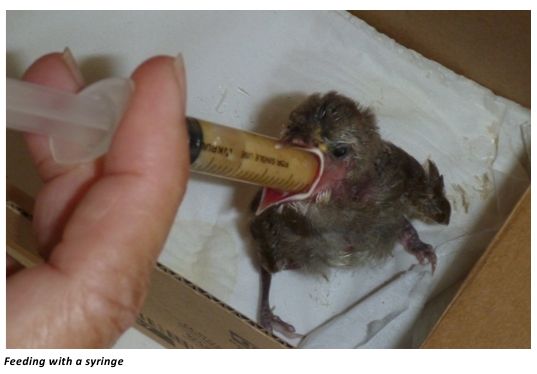
Choosing the right tools is essential for safe feeding. Small syringes or eyedroppers work well for tiny beaks. Avoid using spoons, as they can be too large and cause injury.
If you don’t have syringes, a small, soft paintbrush or a toothpick can help guide the food gently into the bird’s mouth. Always be gentle and patient, giving the bird time to swallow between small amounts.
Think about the size of the tool compared to the bird’s mouth. Using a tool that’s too big can stress the bird and make feeding difficult.
Hydration Needs
Baby birds need more than just food to survive—they require proper hydration to stay healthy and strong. Water helps with digestion and keeps their delicate bodies functioning well. Since these tiny creatures can’t drink on their own yet, you must be careful about how you provide water to avoid harming them.
Providing Water Safely
Never give baby birds plain water in a bowl where they can easily drown. Instead, use a small syringe or dropper to offer water drop by drop. Gently place a drop on the side of their beak and let them swallow it on their own.
Too much water at once can cause choking or aspiration. It’s safer to give small amounts frequently rather than large gulps. Remember, hydration mainly comes from their food, so ensure their diet includes moisture-rich items.
Signs Of Dehydration
How can you tell if a baby bird is dehydrated? Look for sunken eyes and dry, wrinkled skin around the beak and head. Weakness and lethargy are also common signs that your little bird needs more fluids.
If you notice these symptoms, act quickly. Offering hydration carefully and consulting a wildlife expert can make a huge difference. Have you ever seen a baby bird struggle because of dehydration? Recognizing these signs early can save their life.
When To Seek Professional Help
Knowing when to seek professional help for abandoned baby birds is crucial. Sometimes, despite your best efforts, the situation requires expert care to give these tiny creatures the best chance of survival. Recognizing the signs that indicate professional intervention can save lives and prevent harm to both you and the bird.
Wildlife Rehabilitators
Wildlife rehabilitators have specialized training in caring for orphaned or injured birds. They understand the birds’ dietary and environmental needs better than anyone else. If you notice the baby bird is weak, injured, or not thriving despite feeding, it’s time to contact a rehabilitator.
These experts can provide proper nutrition, medical care, and a safe space until the bird is ready to return to the wild. You can find local rehabilitators through wildlife organizations or animal control services. Have you considered how critical their role is in saving wildlife you might unintentionally harm?
Veterinary Assistance
If the bird shows signs of illness such as labored breathing, unusual discharge, or lethargy, seek veterinary assistance immediately. Vets can diagnose infections, parasites, or injuries that you can’t see. Attempting to care for a sick bird without professional help might worsen its condition.
Some vets specialize in avian care and can offer advice on feeding techniques or medications needed. Don’t hesitate to call your nearest animal hospital to ask if they can support wildlife emergencies. Could a quick call to a vet be the difference between life and death for the baby bird you found?
Long-term Care And Release
Caring for abandoned baby birds is a commitment that extends beyond just feeding them. Long-term care involves closely watching their development and gently preparing them to survive on their own in the wild. Your careful attention during this phase can make the difference between a healthy release and an unfortunate outcome.
Monitoring Growth And Health
Watch your baby bird’s weight and feather growth daily. Healthy birds gain weight steadily and develop strong feathers suitable for flight. If you notice a lack of appetite, lethargy, or abnormal droppings, these are warning signs that need immediate attention.
Keep a journal to track their progress, including feeding times, amounts, and behavior. This helps you spot trends and adjust care as needed. Have a reliable scale to measure their weight precisely—it’s one of the best indicators of health.
Regularly check for parasites and signs of illness, such as swollen eyes or difficulty breathing. If you’re unsure about symptoms, don’t hesitate to consult a wildlife rehabilitator or veterinarian. Early intervention can save lives.
Preparing For Release Into The Wild
Before release, encourage natural behaviors like foraging and flying. Set up a safe outdoor enclosure where the bird can practice these skills without predators. This step helps build their strength and confidence for survival.
Gradually reduce human interaction to prevent imprinting, which can make it hard for the bird to live independently. Allow the baby bird to meet others of its kind if possible, as socialization is crucial for many species.
Choose the release site carefully. It should provide adequate food, water, and shelter, and be away from busy roads or areas with many predators. Timing matters too—release during mild weather and when the species is naturally active in the area.
Do you have a local wildlife expert or rehabilitation center to guide you during this process? Their experience can be invaluable in ensuring your efforts lead to a successful return to nature.

Credit: www.youtube.com
Frequently Asked Questions
What Is The Best Food For Abandoned Baby Birds?
The best food for abandoned baby birds depends on their species. Generally, soft, protein-rich foods like soaked dog kibble or mealworms work well. Avoid milk or bread. Feeding small amounts frequently mimics natural feeding and supports their growth.
How Often Should I Feed An Abandoned Baby Bird?
Feed abandoned baby birds every 15-20 minutes during daylight hours. Young birds have fast metabolisms and need frequent feeding to stay healthy. Adjust feeding frequency as they grow older and stronger.
Can I Feed Baby Birds Bread Or Milk?
No, bread and milk are harmful to baby birds. Bread lacks proper nutrients and can cause digestive issues. Milk is difficult for birds to digest and may lead to illness. Stick to bird-safe, protein-rich foods instead.
Should I Warm The Food Before Feeding Baby Birds?
Yes, warming food to about room temperature helps baby birds digest better. Cold food can cause digestive problems and stress. Use lukewarm water to moisten and warm the food before feeding.
Conclusion
Feeding abandoned baby birds requires care and attention. It’s vital to provide the right food for their growth. Use pre-prepared formulas or soaked dog food as options. Avoid feeding milk, bread, or seeds. These can harm the little ones. Always offer small amounts and observe their response.
Keep their environment warm and safe. If unsure, consult a wildlife expert or vet. They can offer guidance and support. With patience, you can help these tiny creatures thrive. Remember, every effort counts in giving them a second chance.