
Have you ever wondered what you can feed outside birds to keep them happy and healthy? Whether you have a backyard full of feathered friends or just want to attract a few visitors, knowing the right foods makes all the difference.
Feeding birds isn’t just about tossing crumbs; it’s about giving them the nutrition they need to thrive. You’ll discover simple, safe, and tasty options that will have birds flocking to your yard. Ready to become your neighborhood’s favorite bird feeder?
Let’s dive in!
Popular Bird Species In Your Area
Knowing the popular bird species in your area helps feed them properly. Different birds prefer different foods and feeders. Recognizing local species guides your choices for feeding outside birds. This knowledge enhances your birdwatching experience and supports local wildlife.
Common Backyard Visitors
Many birds visit backyards regularly. These common visitors enjoy seeds, nuts, and suet. They often appear at feeders and birdbaths. Examples include:
- House Sparrows
- American Robins
- Blue Jays
- Cardinals
- Chickadees
- Goldfinches
These birds adapt well to human presence. Providing sunflower seeds and peanuts attracts them easily. Water sources also invite these frequent guests.
Seasonal Guests To Expect
Bird species change with the seasons. Migratory birds visit during spring and fall. They need high-energy foods for their long journeys. Seasonal guests include:
- Warblers
- Thrushes
- Swallows
- Woodpeckers
- Hummingbirds
Offer nectar, fruit, and insects to welcome these travelers. Adjust feeding habits to support their needs during migration.
Nutrient-rich Seeds For Birds
Feeding birds outside requires choosing seeds that provide essential nutrients. Birds need energy, protein, and fats to stay healthy. Nutrient-rich seeds support their growth, feathers, and daily activities. These seeds attract a variety of birds to your garden or backyard.
Sunflower Seeds
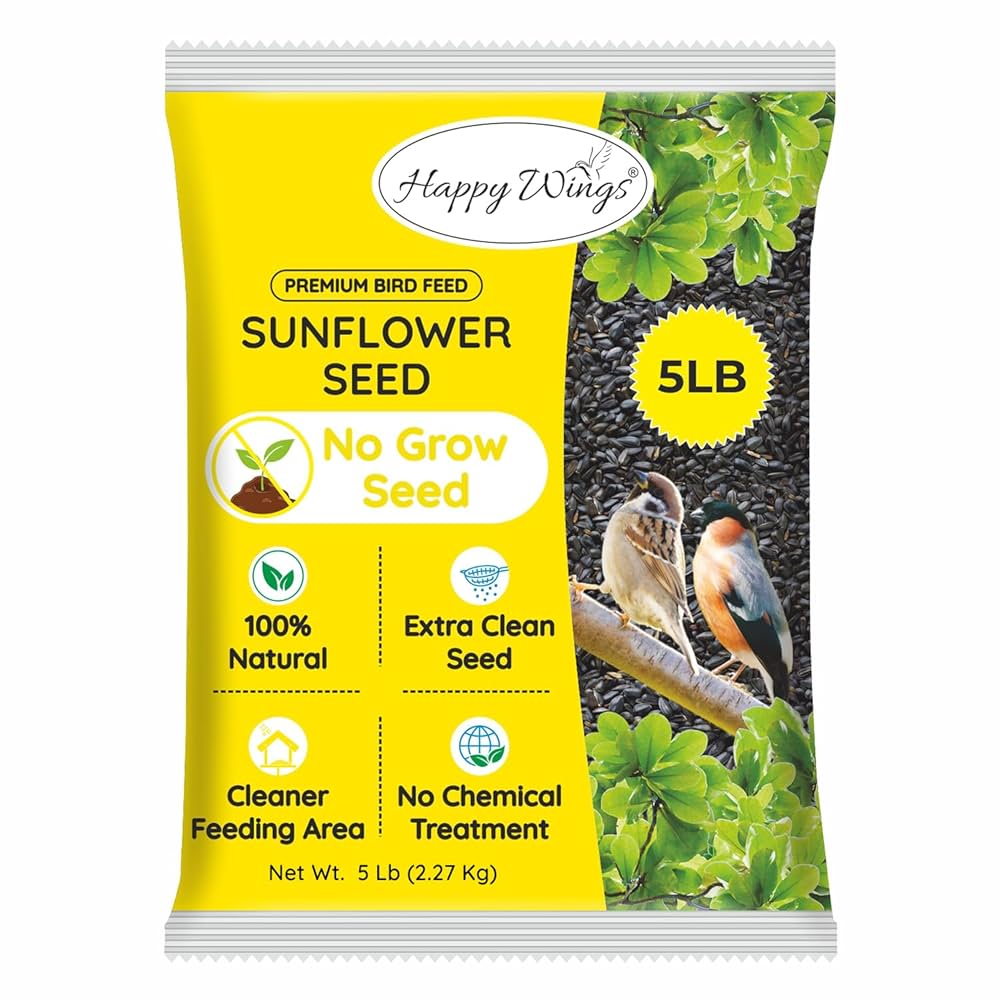
Sunflower seeds are popular among many bird species. They contain high fat content and protein. Birds like cardinals, chickadees, and finches enjoy them. The black oil sunflower seeds are easier for small birds to crack. These seeds help birds stay warm during cold months.
Millet And Safflower
Millet is small and easy to eat. Ground-feeding birds such as sparrows and doves prefer millet. Safflower seeds have a bitter taste that squirrels avoid. Many birds like cardinals and grosbeaks eat safflower seeds. Both seeds provide good energy and nutrients.
Nyjer And Thistle
Nyjer seeds are tiny and rich in oil. Finches, especially goldfinches, love nyjer seeds. Thistle seeds are similar and attract the same birds. These seeds are best offered in special feeders to avoid waste. They support birds’ energy needs and feather health.
Fruits That Birds Love
Fruits can be a delicious and nutritious treat for the birds visiting your garden. They provide essential vitamins and natural sugars that boost energy and health. Offering the right kinds of fruits can attract a variety of birds, making your outdoor space lively and colorful.
Berries And Grapes
Berries like blueberries, strawberries, and raspberries are a favorite among many bird species. They are small, easy to eat, and packed with antioxidants that help birds stay healthy.
Grapes, whether fresh or cut in halves, are another great choice. Birds such as robins, bluebirds, and waxwings love the sweet juice inside grapes.
Apples And Oranges
Apples are a versatile fruit you can offer by slicing them into manageable pieces. Birds enjoy both the flesh and seeds, but remember to remove any seeds if you’re unsure about their safety.
Oranges attract birds with their bright color and juicy segments. You can peel and separate the slices to make it easier for birds to feed.
Melons And Bananas
Melons like cantaloupe and watermelon are refreshing treats during warm months. Their high water content helps keep birds hydrated while providing natural sugars.
Bananas are soft and easy for birds to eat. Try slicing ripe bananas and placing them on a platform feeder to invite fruit-loving birds like orioles and tanagers.
Credit: www.amazon.com
Beneficial Nuts And Legumes
Nuts and legumes are excellent sources of nutrition for outdoor birds. They provide essential proteins, fats, and energy that help birds stay active and healthy. Offering these foods can attract a variety of bird species to your backyard, turning your garden into a lively sanctuary.
Peanuts And Almonds
Peanuts are a favorite among many bird species, including woodpeckers, jays, and chickadees. You can offer them shelled or unshelled, but make sure they are unsalted and free from any additives. Almonds are another great choice, especially for larger birds like crows and nuthatches.
Both peanuts and almonds are rich in healthy fats and proteins. These nutrients are crucial during colder months when birds need extra energy to keep warm. Have you noticed how birds eagerly return to feeders stocked with these nuts? It’s a clear sign they appreciate the boost.
Lentils And Peas
Lentils and peas are wonderful legumes to feed birds as they are packed with protein and fiber. You can offer them cooked or sprouted, which makes them easier for birds to digest. Raw lentils can be hard, so softening them is key to making them a bird-friendly snack.
Peas, especially split peas, attract species like doves and pigeons. They enjoy pecking at these legumes and benefit from the nutrients they contain. Have you tried putting out a small bowl of sprouted lentils or peas? It might surprise you how quickly birds discover this tasty treat.
Insects And Protein Sources
Birds need protein for strong muscles, healthy feathers, and energy. Insects and other protein sources help meet these needs. Wild birds naturally eat insects, so offering them at home is great. Protein helps birds grow, especially young ones during breeding season. Providing insects and protein-rich foods attracts more birds to your garden.
Mealworms And Crickets
Mealworms and crickets are popular protein snacks for birds. Many bird species love eating these insects. They are easy to offer in small containers or feeders. These insects provide essential nutrients like protein and fat. Mealworms are soft and easy for birds to eat. Crickets are also lively, attracting birds with movement. Feeding these insects helps birds stay healthy and active.
Suet And Fat Balls
Suet and fat balls are excellent protein-rich foods for birds. Suet is animal fat mixed with seeds, nuts, or insects. Fat balls are compact balls made from fat and bird feed ingredients. Both provide energy, especially in cold weather. Many birds, like woodpeckers and tits, enjoy suet and fat balls. You can hang suet cakes or fat balls in special feeders. These treats help birds survive harsh conditions and keep warm.

Credit: www.o-natureobserver.com
Safe Feeding Practices
Feeding birds outside is a joyful activity that supports their survival. Safe feeding practices protect birds from harm and illness. Taking care with what and how you feed keeps birds healthy and happy. It also helps maintain a clean environment for all wildlife.
Avoiding Harmful Foods
Not all human foods are safe for birds. Avoid feeding birds:
- Salty or sugary snacks
- Processed foods with additives
- Avocado, chocolate, and caffeine
- Onions and garlic
- Moldy or spoiled food
These foods can cause illness or even death. Stick to natural seeds, nuts, fruits, and specially made bird feed. Fresh, plain food is best for their health.
Maintaining Clean Feeding Areas
Dirty feeders spread disease among birds. Clean feeding areas regularly by:
- Washing feeders with warm, soapy water weekly
- Rinsing thoroughly to remove soap
- Removing old, wet, or moldy food daily
- Keeping ground areas free of droppings and debris
Clean feeders reduce the risk of infections and attract more birds. A tidy spot creates a safe space for all visitors.
Feeding Tips For Different Seasons
Feeding birds outside changes with the seasons. Birds need different foods to stay healthy and active. Offering the right food helps them survive cold winters and enjoy hot summers. Understanding their needs each season keeps your feathered friends happy and strong.
Winter Survival Foods
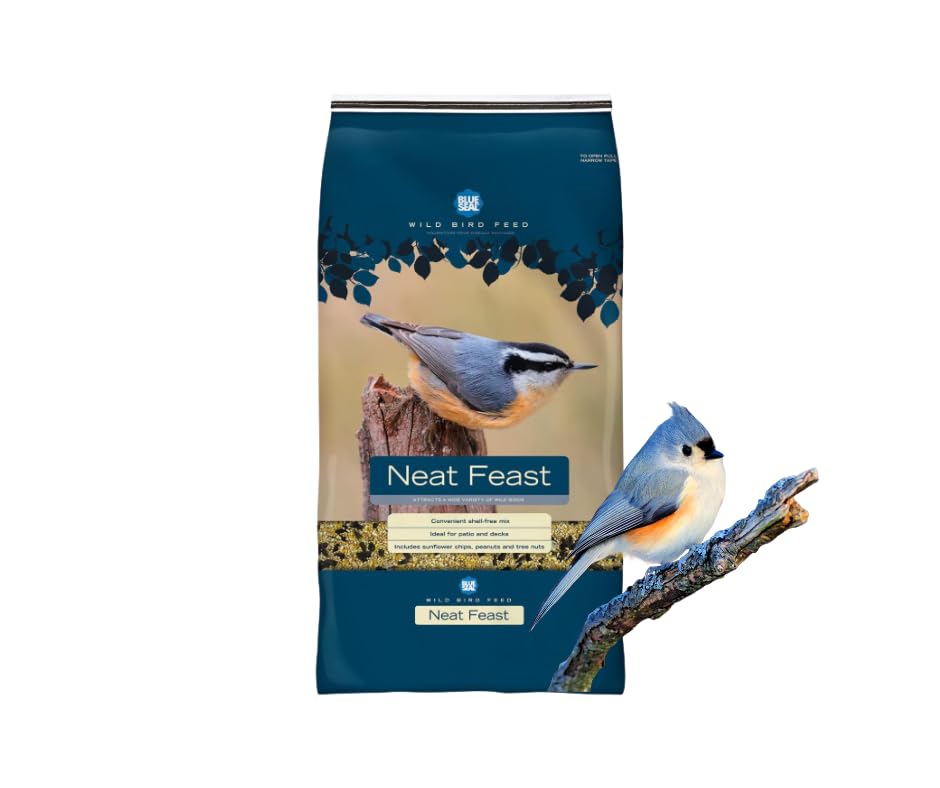
Winter is tough for birds. Food is scarce, and energy needs grow. Provide high-energy foods that help birds stay warm. Seeds with high fat content are best. Sunflower seeds, peanuts, and suet are top choices. These foods give birds the fuel to fly and keep warm.
Keep water from freezing by using heated birdbaths. Fresh water is vital, even in winter. Avoid bread, as it offers little nutrition. Keep feeders clean to stop disease. Place feeders where birds find shelter from wind and cold.
Summer Snacks
Summer brings plenty of natural food. Birds eat insects, fruits, and nectar. Offer foods that match their diet in warm months. Fresh fruit slices like apples and berries attract many species. Mealworms provide protein for insect-eating birds.
Water is important for drinking and bathing in summer heat. Use shallow dishes for easy access. Change water daily to prevent mosquitoes. Avoid moldy or spoiled food. Clean feeders regularly to keep birds safe and healthy.

Credit: www.amazon.com
Setting Up An Inviting Feeding Station
Creating a feeding station for birds invites them to visit your garden often. It offers a safe, comfortable place where birds can eat and rest. A well-set feeding station attracts many bird species. It also makes birdwatching more enjoyable. Careful planning helps keep birds safe and happy.
Choosing The Right Feeders
Select feeders based on the types of birds you want to attract. Tube feeders work well for small songbirds. Hopper feeders hold large quantities of seed and attract bigger birds. Platform feeders offer space for ground-feeding birds. Suet feeders are perfect for woodpeckers and nuthatches.
Use feeders made of durable materials like metal or hard plastic. Avoid feeders with sharp edges or loose parts. Clean feeders regularly to prevent mold and disease. Variety in feeders can bring a wider range of birds.
Placement And Safety
Place feeders where birds feel safe from predators. Keep feeders away from windows to reduce collision risk. Hang feeders at least 5 feet off the ground. Avoid placing them near bushes where cats can hide.
Choose a spot with nearby trees or shrubs. These provide shelter and quick escape routes. Make sure feeders are easy for you to reach for refilling and cleaning. Good placement encourages birds to visit often and stay longer.
Frequently Asked Questions
What Foods Are Safe For Feeding Outside Birds?
Safe foods include seeds, nuts, fruits, and suet. Avoid processed or salted foods. Fresh water is also essential for birds.
Can I Feed Bread To Wild Birds?
Feeding bread is not recommended. Bread offers little nutrition and can harm birds. Opt for healthy seeds or fruits instead.
How Often Should I Feed Outside Birds?
Feed birds daily or every other day. Consistency helps birds rely on your feeding spot, especially during colder months.
What Foods Should I Avoid Giving Birds?
Avoid chocolate, avocado, salty snacks, and processed foods. These can be toxic or harmful to birds’ health.
Conclusion
Feeding outside birds can be simple and rewarding. Choose seeds, fruits, or nuts. Avoid bread; it lacks nutrition. Fresh water helps too. Clean feeders regularly to prevent disease. Variety attracts different birds. Consider local species and their needs. Sunflower seeds are a favorite for many birds.
Peanuts and suet provide energy in cold weather. Fruits like apples and berries are treats. Be patient and observe. Enjoy the beauty and diversity birds bring to your garden. Happy bird feeding!