
Have you ever hung a hummingbird feeder and wondered how long it will take for those tiny, colorful birds to find it? You’re not alone.
Waiting can feel like forever when you’re excited to watch these fast little creatures dart around your garden. But don’t worry—knowing what affects their timing can help you attract hummingbirds sooner. You’ll discover exactly how long it usually takes hummingbirds to locate a feeder and simple tips to speed up the process.
Get ready to turn your outdoor space into a hummingbird hotspot!
Hummingbird Attraction Time
Hummingbird attraction time varies depending on many factors. These tiny birds are curious and quick to spot food sources. Setting up a feeder correctly helps catch their attention faster. Patience is key while waiting for hummingbirds to discover your feeder. Understanding what influences their arrival can improve your chances.
Factors Influencing Arrival
- Location of the feeder: Close to flowers or shaded areas works best.
- Feeder color: Bright red attracts hummingbirds quickly.
- Type of nectar: Fresh homemade sugar water is preferred.
- Time of year: Migration season affects when birds appear.
- Weather conditions: Calm, warm days encourage hummingbird activity.
- Presence of other feeders: Nearby feeders can either attract or distract birds.
Typical Timeframes
Hummingbirds may find a new feeder within hours or days. Some feeders attract birds on the first day. Others take a week or more, especially in less active seasons. Early morning and late afternoon are peak feeding times. Watching the feeder during these times increases chances of sightings.

Credit: www.birdsandblooms.com
Feeder Placement Tips
Placing your hummingbird feeder correctly can make all the difference in how quickly these tiny birds discover it. The right spot not only attracts them faster but also keeps them coming back regularly. Paying attention to details like location, height, and visibility can turn your garden into a hummingbird hotspot.
Choosing The Right Location
Pick a spot that offers some shelter from wind and direct afternoon sun. Hummingbirds prefer feeders near natural cover, such as trees or shrubs, which provide quick escape routes from predators.
Think about where you spend time outdoors. Placing feeders within view of your favorite window or patio lets you enjoy the show. Have you noticed how hummingbirds often visit places where they feel safe and undisturbed?
Also, avoid placing feeders too close to other feeders or birdbaths. This reduces competition and territorial disputes, encouraging more frequent visits.
Height And Visibility
Mount your feeder at eye level or slightly higher—around 4 to 6 feet off the ground. This height offers hummingbirds a clear flight path and easy access.
Make sure the feeder stands out against its background. Bright colors, especially red, help attract hummingbirds from a distance. You could hang it near flowering plants to mimic natural nectar sources.
Consider visibility from multiple angles. Hummingbirds are quick to spot feeders that are easy to see from the air. Have you tried moving your feeder around to see where it gets the most attention?
Feeder Design And Color
The design and color of a hummingbird feeder play a key role in attracting these tiny birds. Bright colors catch their attention quickly. The right style makes it easy for hummingbirds to feed comfortably. Both factors can speed up how fast hummingbirds find your feeder.
Best Colors To Use
Hummingbirds are drawn to bright, vibrant colors. Red is the top choice because it mimics the colors of flowers they love. Other good options include:
- Orange
- Pink
- Yellow
Avoid feeders with blue or purple parts. These colors do not attract hummingbirds well. Clear feeders without any color can be hard for them to spot. Using bright colors around the feeding ports helps hummingbirds locate the nectar quickly.
Feeder Styles That Work
Simple designs with easy access to nectar are best. Look for feeders with multiple feeding ports. This allows more than one bird to feed at once. Perches near the feeding holes give hummingbirds a place to rest.
Feeder shapes that mimic flowers can attract hummingbirds faster. Wide bases help keep the feeder stable and clean. Avoid feeders that are too complicated or hard to clean. A clean feeder encourages hummingbirds to return often.

Credit: www.birdwatchingdaily.com
Nectar Preparation
Preparing nectar correctly is key to attracting hummingbirds to your feeder quickly. The right mix not only draws them in but also keeps them coming back. Poorly prepared nectar can delay their visits or even harm these delicate birds.
Ideal Sugar-water Ratio
The standard ratio is simple: four parts water to one part white granulated sugar. This mimics the natural sweetness found in flower nectar that hummingbirds love.
Use hot water to dissolve the sugar completely, then let the mixture cool before filling your feeder. Avoid using honey, artificial sweeteners, or brown sugar, as these can be harmful or less attractive to hummingbirds.
Have you ever wondered why your feeder sits empty for days? Adjusting this ratio might be the fix you need.
Avoiding Harmful Additives
Never add red dye to the nectar. While it may look appealing to us, it can be toxic to hummingbirds.
Stick to plain white sugar and water only. Some commercial nectars contain preservatives or chemicals that can upset the birds’ digestive systems.
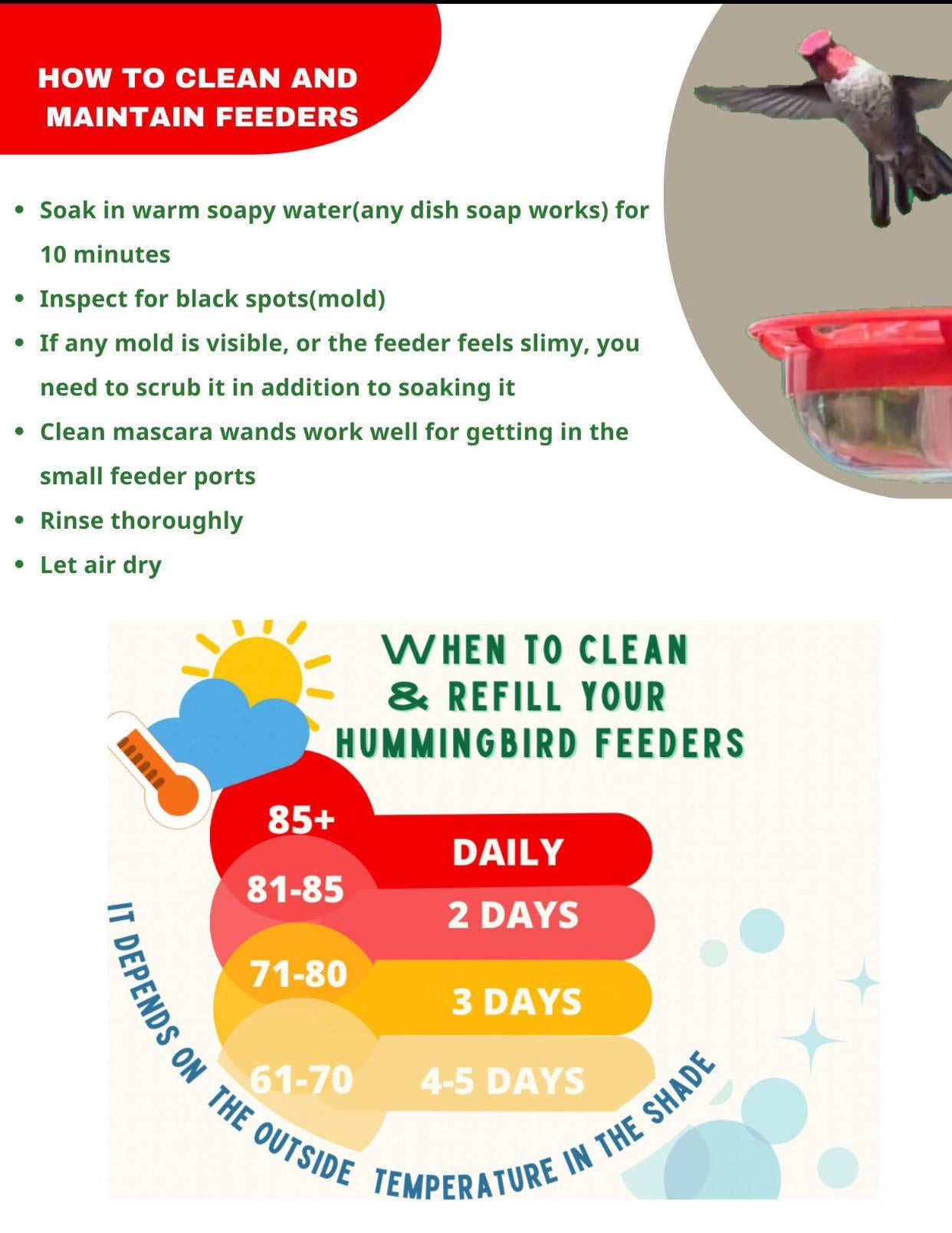
Cleaning your feeder regularly and changing the nectar every few days also prevents mold growth, which can be deadly for hummingbirds.
Seasonal Considerations
Seasonal changes play a big role in how quickly hummingbirds discover your feeder. Their behavior shifts with the time of year, influenced by migration and weather patterns. Understanding these seasonal factors can help you attract hummingbirds more effectively.
Migration Patterns
Hummingbirds migrate to find food and suitable climates. During spring and fall migrations, they pass through various regions at different times. This means the chances of your feeder being found depend on when hummingbirds are moving through your area.
In my own experience, setting up feeders early in spring made a noticeable difference. Hummingbirds often found my feeder within days as they stopped to refuel during migration. If you wait too long, you might miss the wave of migrating birds entirely.
Consider researching the migration schedule specific to your region. This helps you know when to have feeders ready and full of fresh nectar. Are you timing your feeder placement with the birds’ arrival?
Local Climate Effects
Temperature and weather patterns influence hummingbird activity in your area. Cold snaps or extended rainy periods can delay their arrival or keep them away from feeders longer. Conversely, mild and stable weather encourages quicker feeder discovery.
In warmer climates, hummingbirds might stay year-round, meaning your feeder can attract them anytime. But in places with harsh winters, feeders often go unnoticed until spring warmth returns. This means your feeder timing should match local climate rhythms.
Pay attention to recent weather trends where you live. Are early warm days signaling hummingbirds to return? Adjusting your feeder’s timing can make a big difference in when the birds find it.
Attracting Hummingbirds Faster
Attracting hummingbirds to your feeder quickly takes patience and the right setup. Hummingbirds rely on bright colors and sweet nectar. They also prefer familiar places with natural food sources nearby. Creating an inviting environment speeds up their visits.
Using Native Flowers
Native flowers are familiar to local hummingbirds. These flowers provide natural nectar and attract insects hummingbirds eat. Planting native flowers near your feeder makes the area more attractive. Bright reds, oranges, and pinks work best. Choose flowers that bloom at different times to provide a steady food supply.
Reducing Competition
Keep your feeder away from other food sources like fruit or other feeders. This reduces competition and confusion. Place your feeder in a quiet spot with some shade. Avoid busy areas with many birds or insects. Clean feeders regularly to prevent mold and bacteria. A clean feeder encourages hummingbirds to return faster.

Credit: www.birdsandblooms.com
Frequently Asked Questions
How Long Do Hummingbirds Take To Find A New Feeder?
Hummingbirds typically find new feeders within a few days to a week. Factors like location and feeder visibility influence this. Consistent placement and bright colors help attract them faster. Patience is key as they learn feeder locations in their territory.
What Affects How Quickly Hummingbirds Find Feeders?
Feeder location, visibility, and nectar freshness impact discovery time. Bright red feeders attract hummingbirds more quickly. Placing feeders near flowers increases chances of faster visits. Regularly refilling nectar keeps hummingbirds returning consistently.
Can Hummingbirds Find Feeders Without Prior Exposure?
Yes, hummingbirds can locate feeders without prior exposure. They are naturally attracted to bright colors and nectar sources. However, it may take several days for them to discover a new feeder. Strategic placement helps speed up this process.
How Does Feeder Placement Influence Hummingbird Visits?
Placing feeders in open, visible areas attracts hummingbirds faster. Near natural flowers or sheltered spots protects from wind and predators. Avoid moving feeders frequently to help hummingbirds remember their location.
Conclusion
Hummingbirds find feeders at their own pace. Some days, some weeks. Patience is key. Keep feeders clean and filled. Bright colors attract them quickly. Place feeders in visible spots. Watch for their arrival. Enjoy the process. Nature at work. Every garden is different.
Conditions vary. Hummingbirds are curious by nature. They’ll find their way. Your efforts will pay off. Soon, you’ll see them buzzing around. A delightful sight. Remember, persistence matters. Enjoy the journey of welcoming these tiny visitors.