
If you love watching birds flutter around your garden, you might wonder how often you should feed them each day. Feeding outdoor birds isn’t just about tossing food whenever you feel like it—it’s about giving them the right amount at the right times.
Too much or too little can affect their health and behavior. Want to know the secret to keeping your feathered visitors happy and healthy? Keep reading to discover exactly how many times a day you should feed outdoor birds and why it matters to both you and your feathered friends.
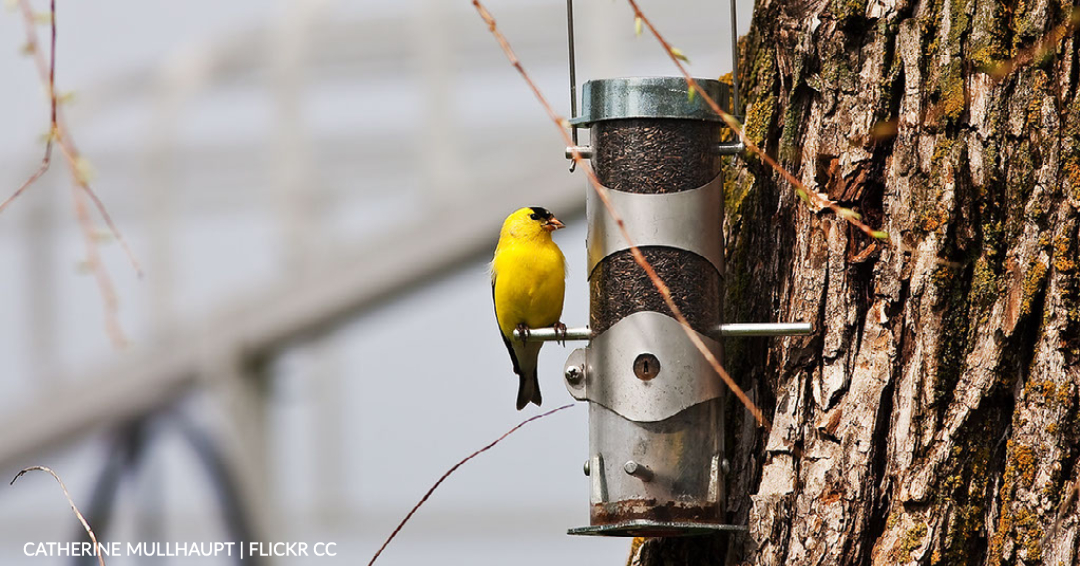
Credit: www.michiganaudubon.org
Feeding Frequency Basics
Feeding outdoor birds might seem straightforward, but the frequency of feeding can greatly impact their health and behavior. Understanding the basics of feeding frequency helps you provide the right support without causing dependency or overcrowding. Let’s look closer at what influences how often you should fill your bird feeder.
Factors Influencing Feeding Times
Several factors affect how many times a day you should feed outdoor birds. Weather plays a big role—cold days mean birds need more energy, so feeding more often can help them survive. In warmer weather, birds may eat less frequently since natural food sources are abundant.
Your local environment also matters. Urban areas with fewer natural feeders might require more consistent feeding. In contrast, rural areas often provide enough natural food, reducing your need to feed frequently.
Think about your feeder’s location too. If you notice many birds visiting at once, spreading feedings throughout the day can prevent crowding and stress among birds. Have you ever watched birds fight over a single feeding? Feeding multiple times helps avoid this problem.
Bird Species And Their Needs
Different species have unique feeding habits and nutritional needs. Small songbirds like finches and chickadees often eat multiple times a day because of their fast metabolisms. They benefit from feeders replenished twice daily.
Larger birds, such as pigeons or doves, can go longer between meals. Feeding these birds once a day might be enough. However, if you want to attract a variety of species, offering food more frequently will keep all visitors happy.
Consider seasonal changes in bird populations too. Migratory birds may only visit briefly and need quick, reliable food sources. Feeding them more often during migration periods can support their long journeys.

Credit: dengarden.com
Best Times To Feed Birds
Choosing the best times to feed outdoor birds can make a big difference in how often and how well they visit your feeder. Birds have natural rhythms and energy needs that align with certain parts of the day. Feeding them at the right times helps you support their health and keeps your birdwatching experience lively and rewarding.
Morning Feeding Benefits
Birds need energy first thing in the morning to warm up and start their day. Offering food early gives them a much-needed boost after a cold or long night. I’ve noticed that feeding birds in the morning attracts a wide variety of species eager to fuel up before they explore for insects or seeds.
Morning feeding also helps birds build strength for essential activities like nesting and migration. You can set your feeder out at dawn or just after sunrise to catch the busiest time. This habit encourages regular visits and creates a peaceful start to your day watching the lively activity.
Afternoon And Evening Considerations
Afternoon feeding is less critical but still valuable if you want to keep birds coming back. Some species return for a quick snack before settling down. However, avoid overfeeding late in the day to prevent leftover food attracting unwanted pests or mold.
Evening feeding can be helpful during colder months when birds need to stock up on calories for the night. But be cautious about timing—too late, and food might spoil or attract nocturnal animals. Setting feeders out in the late afternoon gives birds a chance to gather energy without causing problems overnight.
Have you noticed changes in bird activity at different times of the day? Experiment with morning and late afternoon feedings to see what works best for your local birds and your schedule.
Portion Control For Outdoor Birds
Portion control plays a key role in feeding outdoor birds. Giving the right amount keeps birds healthy and safe. Overfeeding can cause problems for birds and their environment. Feeding too little might leave birds hungry and weak. Careful portioning helps maintain a balanced diet and supports local wildlife.
Avoiding Overfeeding
Overfeeding can lead to spoiled food and attract pests. It may also cause birds to depend too much on feeders. Offer small amounts of food that birds can eat within a few hours. Clear leftover food daily to avoid mold and bacteria. Use feeders that control the flow of seeds to limit excess feeding.
Signs Of Hunger And Fullness
Birds show clear signs when they are hungry or full. Watch for active feeding and frequent visits to the feeder. If birds ignore the food, they might be full. Healthy birds have bright eyes and smooth feathers. Thin or weak birds need more food. Adjust portions based on these behaviors to keep birds healthy.
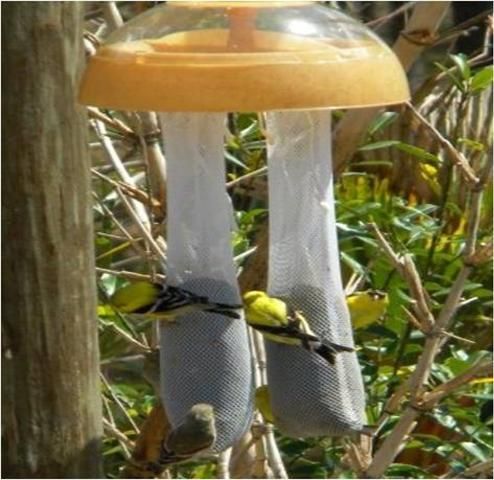
Credit: edis.ifas.ufl.edu
Types Of Food To Offer
Feeding outdoor birds requires offering the right types of food. Different birds enjoy different tastes and nutrients. Providing a variety of foods helps attract more bird species. It also supports their health and energy throughout the day.
Seeds And Grains
Seeds are a favorite for many birds. Black oil sunflower seeds are rich in fat and easy to eat. Millet and cracked corn attract ground-feeding birds. Offering a mix of seeds provides balanced nutrition. Use feeders designed for seeds to keep food fresh.
Fruits And Nuts
Fruits add vitamins and natural sugars to birds’ diets. Slices of apple, orange, or berries are popular choices. Nuts like peanuts and almonds give birds important fats and protein. Always offer unsalted and unroasted nuts. Fruits and nuts attract colorful birds like orioles and jays.
Avoiding Harmful Foods
Some human foods can harm birds. Avoid bread, salty snacks, and processed items. Chocolate and avocado are toxic to many bird species. Do not feed birds raw beans or onion. Stick to safe, natural foods to keep birds healthy and happy.
Maintaining A Clean Feeding Area
Keeping your outdoor bird feeding area clean is essential for the health of the birds and the enjoyment you get from watching them. A tidy space reduces risks and encourages the right visitors to your feeder. How often do you clean your feeding station? You might be surprised at how small changes can make a big difference.
Preventing Disease Spread
Diseases can quickly pass from one bird to another if your feeding area isn’t clean. Leftover food and droppings create a breeding ground for bacteria and fungi. Regularly removing old seeds and wiping down feeders helps stop illnesses before they start.
Try to clean feeders at least once a week, or more often during wet weather. Use a mild soap and water solution, then rinse well to avoid harmful residues. This simple habit protects your feathered friends and keeps your garden lively.
Attracting The Right Birds
A clean feeding area attracts healthy birds and deters unwanted visitors like rodents or aggressive species. Birds are more likely to return to a spot that feels safe and hygienic. Have you noticed certain birds avoid dirty feeders?
Keeping food fresh and the surroundings neat encourages a greater variety of birds to visit. Consider placing feeders away from dense shrubs where predators can hide. A little effort in cleanliness can transform your birdwatching experience into a peaceful and colorful daily event.
Seasonal Feeding Adjustments
Outdoor birds need different care depending on the season. Their feeding schedule and food type should change with the weather. Seasonal feeding adjustments help birds stay healthy and active year-round.
Winter brings cold weather and scarce natural food. Birds need more energy to keep warm. Summer offers plenty of natural food but heat affects their water needs. Adjust feeding times and food types to match these changes.
Winter Feeding Tips
Feed birds more often in winter to help them survive cold days. Provide high-energy foods like sunflower seeds and suet. Keep feeders full but avoid overfeeding to prevent waste. Offer fresh water and keep it from freezing. Place feeders in sheltered spots to protect birds from wind and snow.
Summer Feeding Strategies
Reduce feeding frequency in summer. Natural food sources like insects and berries increase. Focus on providing fresh water daily to prevent dehydration. Offer fruits and nectar to attract different bird species. Clean feeders regularly to avoid mold and bacteria growth caused by heat.
Common Feeding Mistakes To Avoid
Feeding outdoor birds might seem straightforward, but there are common mistakes that can do more harm than good. Avoiding these errors ensures the birds stay healthy and your feeding efforts remain beneficial. Let’s look at two key pitfalls you should watch out for.
Overfeeding Risks
It’s tempting to fill the feeder to the brim and let birds eat whenever they want. However, overfeeding can cause birds to become dependent on your food source. This dependence might reduce their natural foraging skills and disrupt their diet balance.
Excess food can also attract unwanted pests like rats or squirrels, creating problems for both you and the birds. Think about the last time you saw food left out for too long—did it become moldy or stale? That’s not safe for birds either.
Try offering just enough food to last a day or two. This encourages birds to keep exploring their environment for natural food sources, keeping them active and healthy.
Feeding At Inappropriate Times
Feeding birds at the wrong times can interfere with their natural routines. Birds are most active during early morning and late afternoon, which is when they search for food. Feeding outside these periods might confuse their internal clocks.
For example, feeding late at night can attract predators or cause birds to stay near feeders instead of seeking shelter. This puts them at risk and disrupts their safe rest times.
Ask yourself: When do you notice the birds visiting your feeder the most? Align your feeding schedule with those peak activity times to support their natural habits.
Frequently Asked Questions
How Many Times Should I Feed Outdoor Birds Daily?
Feeding outdoor birds 2 to 3 times a day is ideal. This schedule keeps food fresh and attracts more birds. Avoid overfeeding to prevent dependency and spoilage. Adjust frequency based on season and bird activity levels for best results.
What Is The Best Time To Feed Outdoor Birds?
Early morning and late afternoon are the best feeding times. Birds are most active during these periods. Feeding then helps them get energy for the day and recover before night. Consistent timing encourages regular visits from birds.
How Much Food Should I Give Outdoor Birds?
Offer small amounts of food to prevent waste and pests. About a quarter cup per feeding is sufficient. Refill feeders when food runs low but avoid overfilling. Monitor bird activity to adjust portions accordingly.
Should I Change Bird Food Daily When Feeding Outdoors?
Yes, changing bird food daily keeps it fresh and safe. Old food can spoil and attract unwanted insects. Regularly clean feeders to maintain hygiene. Fresh food encourages healthy feeding habits and bird visits.
Conclusion
Feeding outdoor birds requires balance and consistency. Birds need regular meals. Consider feeding them twice daily. Morning and late afternoon work best. This schedule supports their natural foraging. Use quality birdseed for optimal nutrition. Fresh water is crucial too. Clean feeders regularly to prevent disease.
Observe their habits and adjust as needed. Different birds may visit throughout the year. Enjoy the beauty and songbirds bring. They make your garden lively and vibrant. Your efforts help sustain local wildlife. Happy birdwatching!