
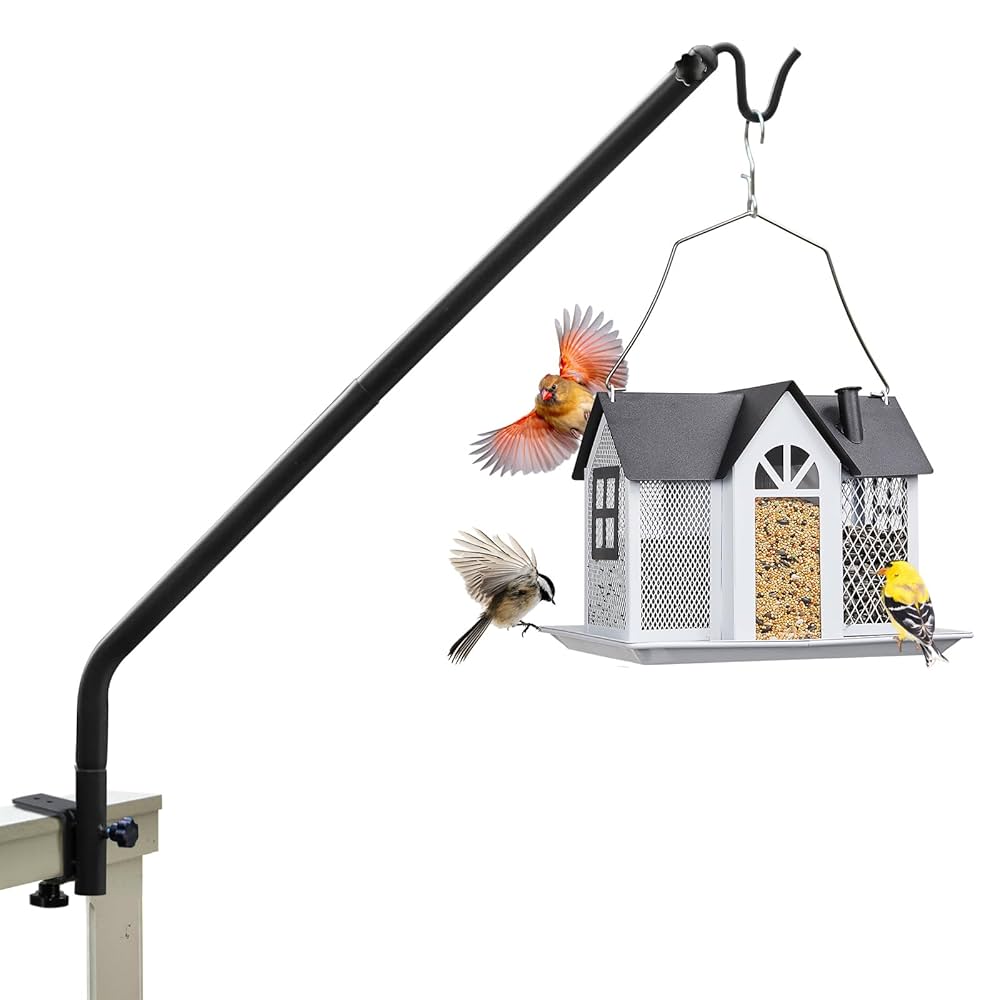
If you love watching birds up close, hanging a bird feeder on your deck is one of the best ways to bring nature right to your doorstep. But how do you make sure it’s safe, secure, and easy for the birds to find?
In this guide, you’ll discover simple steps to hang your bird feeder the right way. By the end, you’ll enjoy peaceful moments filled with colorful visitors fluttering around your deck. Ready to turn your outdoor space into a bird haven?
Let’s get started!

Credit: www.amazon.com
Choosing The Right Feeder
Choosing the right bird feeder is key to attracting beautiful birds to your deck. The feeder type affects which birds visit. The material impacts how long the feeder lasts. The size controls how much seed it holds and how often you refill it. Picking the right feeder makes bird watching easy and fun.
Types Of Bird Feeders
Different feeders attract different birds. Tube feeders work well for small birds like finches. Platform feeders offer open spaces for larger birds. Hopper feeders store a lot of seed and protect it from weather. Suet feeders attract woodpeckers and insect-eating birds. Choose a style that matches the birds you want to see.
Material And Durability
Feeders come in plastic, metal, wood, and glass. Plastic feeders are light and often cheap but may crack in sun. Metal feeders resist weather and squirrels but can get hot in sun. Wood feeders look natural but need regular care to avoid rot. Pick a durable material that fits your climate and deck style.
Size And Capacity
Small feeders hold less seed and need frequent refills. Large feeders hold more seed and save time but can be heavy. Think about how many birds visit your deck. Also, consider how often you want to refill the feeder. Choose a size that suits your feeding routine and bird activity.
Credit: www.amazon.com
Selecting The Perfect Spot
Choosing the right spot for your bird feeder on a deck is key for attracting birds and keeping them safe. The perfect location helps birds feel secure, allows you to enjoy watching them, and protects the feeder from weather damage. Think about the space around your deck and what will work best for the birds and you.
Safety From Predators
Place the feeder where birds can see danger coming. Avoid spots near thick bushes where cats or other predators may hide. Keep the feeder at least 5 feet away from places predators could jump from. Open spaces or areas with clear views help birds feel safe.
Visibility For Birdwatching
Pick a spot you can easily see from inside your home or while sitting on the deck. The feeder should be at eye level or slightly higher for the best view. Avoid placing it too close to walls or railings that block your sight. A clear line of sight makes birdwatching more enjoyable.
Shelter From Weather
Choose a spot that protects the feeder from strong winds and heavy rain. Placing the feeder near a roof overhang or under a tree branch offers good shelter. This keeps the bird food dry and helps birds stay comfortable while feeding. Avoid areas that get too much direct sun, which can spoil the food quickly.
Tools And Materials Needed
Before you hang a bird feeder on your deck, gathering the right tools and materials makes the process smooth and enjoyable. Having everything ready helps you avoid frustrating trips back inside or to the store. Plus, the right equipment ensures your feeder stays secure and safe for the birds.
Essential Tools
- Drill:A cordless drill with various drill bits makes attaching mounting hardware quick and easy.
- Screwdriver:Both Phillips and flat-head screwdrivers come in handy for tightening screws and making adjustments.
- Measuring Tape:Accurate measurements help you position the feeder perfectly for bird visibility and easy refilling.
- Level:Keeping your feeder straight prevents seed spillage and helps birds feed comfortably.
- Step Stool or Ladder:Depending on your deck height, this ensures you reach mounting spots safely.
When I first hung a feeder, not having a level meant it tilted and spilled seed everywhere. Don’t make the same mistake!
Mounting Hardware
- Hooks and Brackets:Choose sturdy metal hooks or brackets designed for outdoor use.
- Lag Screws or Deck Screws:These provide strong support for hanging feeders on wooden decks.
- Eye Bolts:Ideal for hanging feeders from overhead beams or pergolas.
- Wall Anchors:Necessary if you’re mounting on composite or less sturdy materials.
Think about your deck’s material—wood screws work well on timber but might not hold on vinyl or metal. What’s your deck made of?
Optional Accessories
- Bird Feeder Pole:If your deck lacks good mounting spots, a pole can provide an excellent alternative.
- Seed Catcher Tray:Attaches below the feeder to collect spilled seeds and keep your deck tidy.
- Squirrel Baffle:Helps keep pesky squirrels from raiding your feeder and wasting seed.
- Protective Cover:Shields the feeder from rain and sun, extending its life.
Adding a seed catcher changed my feeding area from messy to manageable. What’s one small accessory you think could improve your setup?
Mounting Options On A Deck
Choosing the right mounting option for a bird feeder on your deck affects its stability and bird activity. Each option offers unique benefits and suits different deck styles. Consider your space, feeder type, and ease of installation before deciding. Here are some practical ways to mount a bird feeder on a deck.
Hanging From Deck Railings
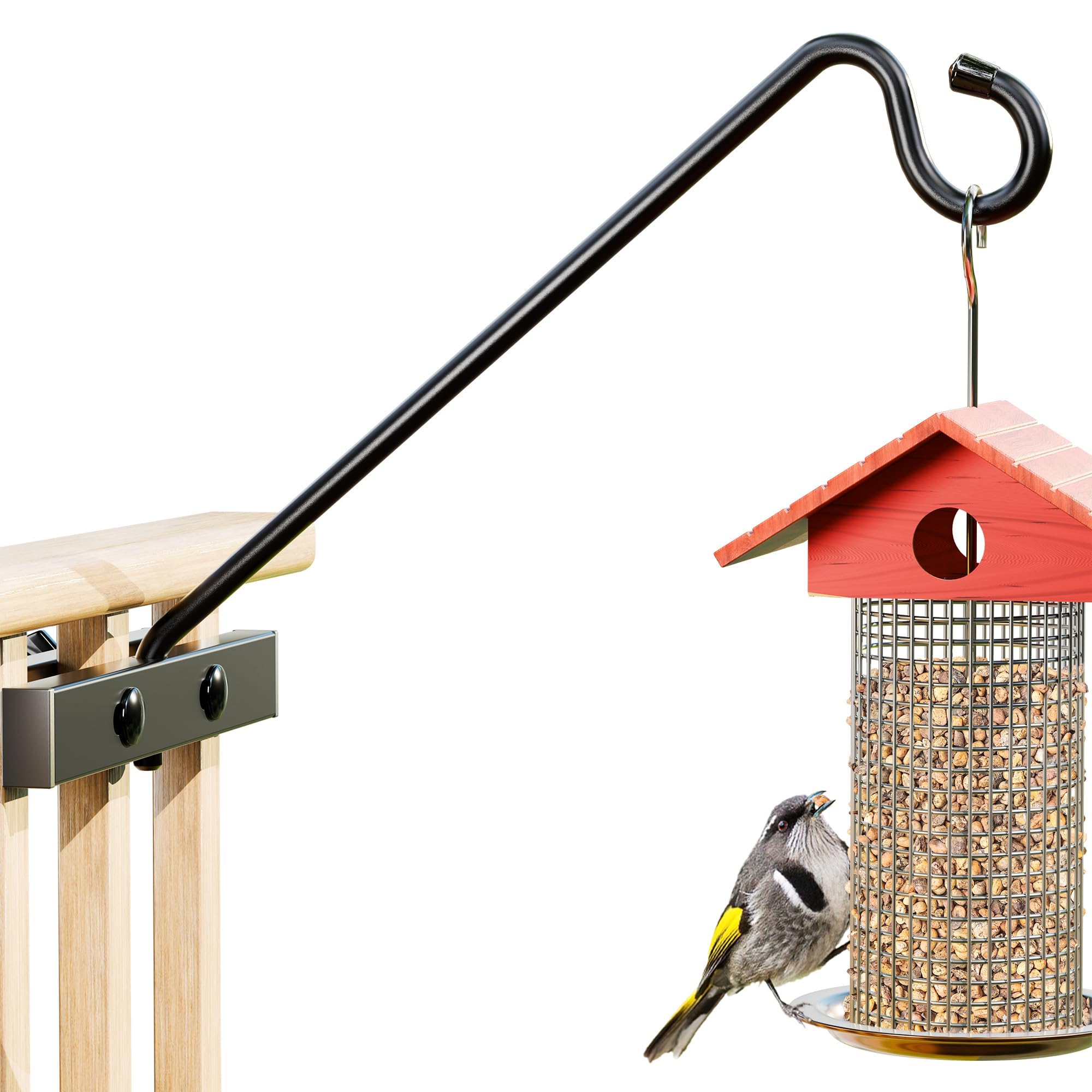
Deck railings provide a simple spot to hang a bird feeder. Use sturdy hooks or brackets that clamp or screw into the railing. This keeps the feeder visible and easy to refill. Ensure the feeder hangs securely and away from strong winds. Avoid damaging the railing with heavy feeders or harsh fasteners.
Using Deck Posts
Deck posts offer solid support for mounting bird feeders. Attach a hook or bracket directly to the post with screws. This method works well for heavier feeders or those with multiple feeding ports. Position the feeder at a height safe from pets and predators. Posts also allow easy access for cleaning and refilling.
Installing A Freestanding Pole
Freestanding poles give flexibility in feeder placement. Secure the pole to the deck floor or nearby ground using a stable base or bracket. This option lets you move the feeder as needed to attract different bird species. Choose a rust-resistant pole and ensure it stands firm in wind. Add a baffle to keep squirrels away.
Step-by-step Hanging Process
Hanging a bird feeder on your deck can be simple and rewarding if you follow the right steps. Taking time to prepare properly ensures your feeder stays secure and attracts the birds you want to see. Let’s walk through the essential actions to get your feeder ready, mounted, and safely attached to your deck.
Preparing The Feeder
Start by choosing the right feeder for your bird guests. Make sure it’s clean and free of any dust or old seeds to keep birds healthy.
Check for any sharp edges or loose parts that might cause damage or fall apart once hung. If your feeder has a hook or hanging loop, test its strength by gently tugging to avoid surprises later.
Think about the seed type you’ll use and fill the feeder just before hanging to prevent spills during installation. Have you considered how often you’ll refill it? This can influence how easy you want the feeder to be to take down and clean.
Securing Hooks Or Brackets
Identify a sturdy spot on your deck to attach hooks or brackets. Look for solid wood beams or railing posts that can support the feeder’s weight plus the birds.
Use hooks or brackets made from rust-resistant materials to withstand weather exposure. Screw them in tightly using a drill or screwdriver, ensuring they won’t loosen with movement or wind.
If your deck’s material is softer, use wall anchors or toggle bolts for extra support. Have you checked the height? Hanging the feeder at a comfortable eye level can make birdwatching more enjoyable.
Attaching The Feeder Safely
Once your hooks or brackets are secure, attach the feeder carefully. If it hangs on a chain or wire, double-check that all links are closed and strong.
Balance the feeder so it doesn’t tilt or swing wildly, which can scare birds away or spill seeds. You might want to test its stability by gently nudging it after hanging.
Consider placing a squirrel baffle or other deterrents nearby if you’ve had issues with pests. Are you ready to welcome feathered visitors right outside your door?
Maintenance And Cleaning Tips
Keeping your bird feeder clean and well-maintained not only protects the health of visiting birds but also ensures a steady flow of feathered friends to your deck. Neglecting this part can lead to mold, pests, and spoiled feed, which might scare birds away or harm them. Let’s dive into some practical tips that will make your bird feeder a safe and inviting spot all year round.
Regular Cleaning Schedule
Set a routine to clean your bird feeder at least once every two weeks. If you notice wet or clumped seeds, clean it immediately to avoid bacteria buildup. Use warm, soapy water and a brush to scrub all surfaces, then rinse thoroughly to remove soap residue.
Dry the feeder completely before refilling it to prevent moisture from spoiling the seeds. A clean feeder invites more birds and helps you enjoy their visits without worry. Have you checked your feeder’s last cleaning date today?
Preventing Mold And Pests
Mold thrives in damp environments, so keep your feeder dry by placing it in a well-ventilated spot on your deck. Avoid overfilling to reduce leftover seeds that attract ants, rodents, or other unwanted guests.
Consider adding a baffle or squirrel guard to keep pests away. If you spot any mold or insect infestation, remove the feeder and clean it thoroughly before refilling. How do you protect your feeder from unwanted visitors?
Refilling And Monitoring Feed
Check your feeder daily to refill it before the seeds run out. Running low can discourage birds from visiting, as they often look for consistent food sources. Use fresh, high-quality seed blends suited to the birds in your area.
Keep an eye on the feed condition—discard any seeds that look damp, discolored, or clumped. This simple step helps maintain a healthy feeding environment and keeps birds coming back. What’s your favorite type of seed to attract colorful birds?
Attracting Birds To Your Feeder
Attracting birds to your feeder makes your deck lively and colorful. It creates a small natural haven right outside your window. Birds visit for food, water, and shelter. Setting up the right environment helps invite a variety of bird species.
Choosing The Right Birdseed
Select seeds based on the birds you want to attract. Black oil sunflower seeds work well for many birds. Nyjer seeds attract finches and small songbirds. Avoid cheap mixed seeds with fillers. These do not appeal to most birds and waste your money.
Offer fresh seeds and keep the feeder clean. This prevents mold and keeps birds healthy.
Adding Water Sources
Birds need water for drinking and bathing. A small birdbath or shallow dish on your deck works well. Change the water daily to keep it fresh. Moving water, like a dripper or fountain, attracts more birds. Place water near the feeder but away from predators.
Creating A Bird-friendly Environment
Provide shelter with nearby trees or shrubs. Birds feel safe near cover. Avoid placing feeders too close to windows to prevent collisions. Add perches or branches for resting spots. Keep pets away from feeding areas to reduce stress. Plant native flowers or shrubs to supply natural food and nesting places.

Credit: bodytrac.com
Frequently Asked Questions
How Do I Hang A Bird Feeder On A Wooden Deck?
Use a sturdy hook or bracket screwed into a wooden beam. Ensure it is secure and placed where birds feel safe.
What Is The Best Location For A Deck Bird Feeder?
Place the feeder where it gets partial shade. Avoid windy spots and ensure it’s visible for birdwatching.
How High Should I Hang A Bird Feeder On My Deck?
Hang the feeder about 5 to 6 feet high. This height deters predators and makes feeding easy for birds.
What Materials Work Best For Hanging Bird Feeders On Decks?
Use rust-resistant metal hooks or heavy-duty plastic brackets. These materials provide durability and support for various feeder weights.
Conclusion
Hanging a bird feeder on your deck is simple and rewarding. Enjoy watching colorful birds visit daily. Ensure the feeder is secure and easy to clean. Birds need fresh food and water regularly. Place the feeder in a spot safe from predators.
Remember, a well-placed feeder attracts more birds. This enhances your outdoor experience. Observe different bird species and their behavior. It’s a peaceful hobby and a chance to connect with nature. Share this joy with family and friends. Happy bird watching!