
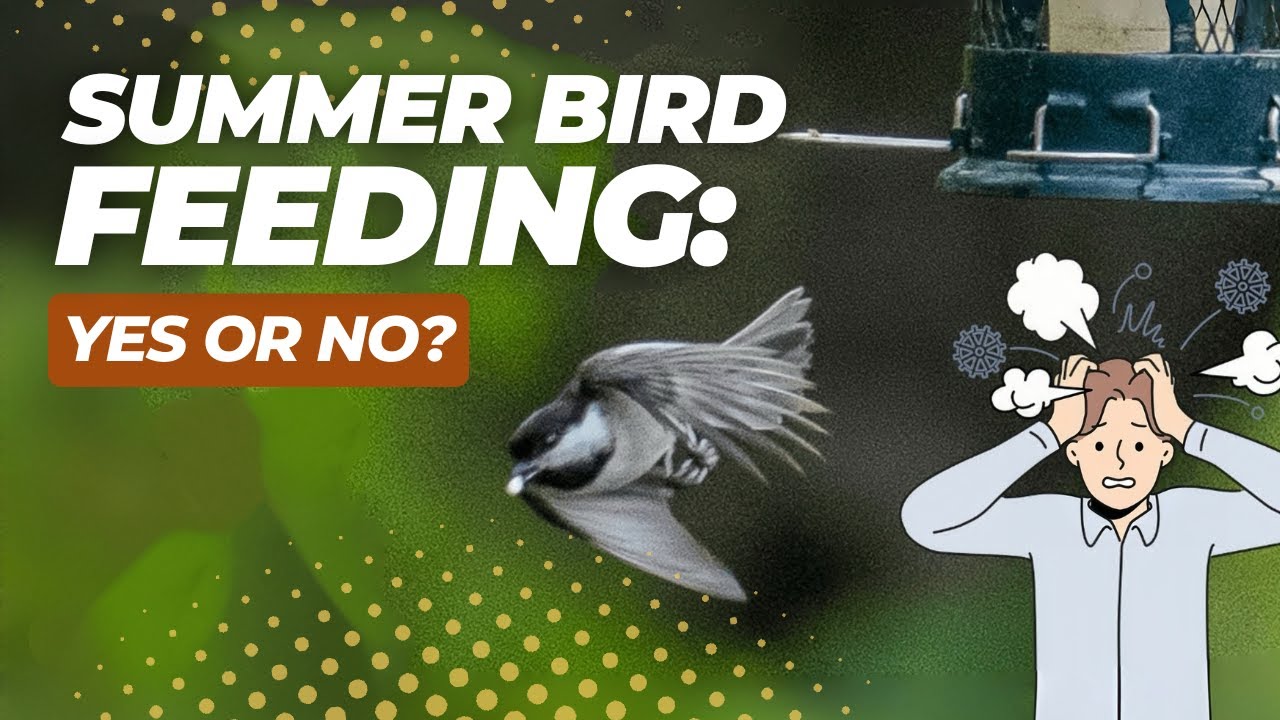
Are you wondering if you should keep feeding birds during the summer? It might seem like a simple question, but the answer can actually make a big difference for your feathered friends.
You want to help, but are you sure you’re doing what’s best for them? You’ll discover why summer feeding isn’t always as helpful as it sounds—and what you can do instead to support birds all year round. Keep reading to find out how your actions can truly make a positive impact.

Credit: www.allaboutbirds.org
Summer Feeding Basics
Feeding birds in summer helps support their energy needs during hot months. Birds face different challenges in warm weather. Natural food sources can become scarce. Providing food can aid their survival and health. It also invites a variety of birds to your yard. Understanding summer feeding basics ensures you offer the right help without harm.
Why Feed Birds In Summer
Summer is a busy time for birds. Many raise young and need extra energy. Food helps them build strength and feed their chicks. Water can be hard to find, so feeders with water are helpful. Gardens may not offer enough insects or seeds. Feeding birds supports their natural behaviors and growth.
Bird Species Active In Summer
Different birds appear in summer, each with unique needs. Some common summer visitors include:
- Robins feeding on worms and berries
- Hummingbirds seeking nectar from flowers and feeders
- Finches eating seeds and small insects
- Swallows catching flying insects
Watching these birds can bring joy and learning. Feeding attracts more species to your outdoor space.
Choosing The Right Food
Feeding birds during summer requires more thought than just scattering any food outside. Choosing the right food helps birds stay healthy and active through hot days. It also attracts a variety of species to your garden, creating lively birdwatching moments.
Best Seeds For Summer
Not all seeds are equally suitable for summer feeding. Black oil sunflower seeds are a favorite because they are rich in oil and easy for birds to eat. Nyjer (thistle) seeds attract finches and are small enough to avoid waste.
Millet is another good choice, especially for ground-feeding birds like sparrows and doves. Avoid oily or moldy seeds, as they can spoil quickly in warm weather. Keep your feeders clean to prevent disease.
Fruits And Treats To Offer
Fresh fruits can be a refreshing treat for birds during hot months. Try offering slices of apple, watermelon, or berries—they’re packed with moisture and nutrients. You might notice orioles and tanagers drawn to sweet fruit more than seeds.
Adding mealworms or chopped boiled eggs provides extra protein for breeding birds. Remember to remove any uneaten fruit quickly to avoid attracting pests. Have you ever seen a bird eagerly pecking at a juicy berry? It’s a simple joy to watch.
Avoiding Harmful Foods
Not everything birds can eat is safe for them, especially in summer. Avoid bread, as it offers little nutrition and can cause digestive issues. Salty, sugary, or processed foods should never be fed to wild birds.
Also, skip avocado, chocolate, and caffeine—they are toxic to many species. If you’re unsure about a food, it’s safer to leave it out. What foods have you seen people mistakenly offer that might harm birds?
Feeding Tips For Hot Weather
Feeding birds during hot weather requires a bit of extra care. The heat can spoil bird food quickly and make water sources dry up fast. You need to keep your feathered friends safe and healthy while still offering them nourishment.
Keeping Food Fresh
High temperatures can turn seeds and fruit into breeding grounds for mold and bacteria. Avoid leaving food out for long periods, especially wet or perishable items like berries or mealworms.
Try offering smaller portions multiple times a day instead of one big serving. This reduces waste and keeps the food fresh.
Consider using feeders that provide shade or have covers to protect the food from direct sunlight. This simple step helps preserve the quality and appeal of the food for longer.
Providing Water Sources
Birds need water not just for drinking but also for cooling off through bathing. Place shallow dishes of clean water in shady spots around your yard or balcony.
Change the water daily to prevent bacteria growth and mosquito breeding. Adding a few small stones can give smaller birds a safe place to perch while they drink.
Think about using a dripper or mister to create moving water, which attracts more birds and keeps the water cooler.
Timing Your Feeding
The coolest parts of the day are early morning and late evening. Feeding birds during these times reduces the chance of food spoiling quickly.
Birds are most active during these hours, so your food and water will be well used. Avoid midday feeding when the heat is at its peak and food can become unsafe.
Have you noticed when your local birds visit most often? Adjust your feeding schedule to fit their natural habits for better results and less waste.
Benefits Of Summer Feeding
Feeding birds in the summer offers many benefits for both birds and people. It helps birds stay healthy and strong during a busy time. Summer brings challenges like raising chicks and finding enough food. Providing extra food supports birds through these tough times.
Supporting Nesting Birds
Nesting birds need extra energy to build nests and feed their young. Natural food can be scarce or hard to find. Offering seeds, fruits, or mealworms helps parents feed babies well. This support can increase survival rates for young birds.
Encouraging Birdwatching
Summer feeding attracts many bird species to gardens and parks. Watching birds brings joy and relaxation. It helps people learn about different birds and their behaviors. Feeding creates a closer connection to nature for everyone.
Helping Birds Through Heatwaves
Heatwaves make it hard for birds to find water and food. Birds can become weak or dehydrated. Providing fresh water and food keeps them safe and strong. This small act can save many birds during hot days.
Common Mistakes To Avoid
Feeding birds during summer can be a joyful experience, but there are common mistakes that can harm the very creatures you want to help. Avoiding these errors will keep birds safe and ensure your efforts have a positive impact. Let’s look at some pitfalls you should watch out for.
Overfeeding Risks
It’s tempting to fill feeders to the brim, but overfeeding can cause problems. Birds may become too dependent on your food and stop foraging naturally, which affects their survival skills. Excess food also attracts pests like rats and unwanted insects that can spread disease.
I once saw my backyard feeder overwhelmed by a swarm of ants and flies because I left too much seed out. This made the area messy and unsafe for the birds. How much food is just right? Aim to put out enough for a day or two and then refill, so nothing goes to waste.
Feeding At The Wrong Times
Timing matters when feeding birds in summer. Birds are most active during early mornings and late afternoons, so these are the best times to offer food. Feeding at night or in the heat of the day can be less effective and sometimes harmful.
Have you noticed birds avoiding feeders during midday? This is often because they prefer to rest in shade when it’s hot. Providing food when they’re naturally feeding increases the chances they’ll eat and reduces stress on their bodies.
Ignoring Hygiene
Cleanliness is crucial. Dirty feeders can spread diseases among birds and even to other wildlife. Moldy or wet seeds can be toxic, so always check your feeders and clean them regularly.
I learned this the hard way when some of my local birds fell ill due to contaminated food. A simple routine of washing feeders with hot water and mild soap every week can make a huge difference. Have you cleaned your bird feeders lately?

Credit: m.youtube.com
Creating A Bird-friendly Summer Garden
Creating a bird-friendly summer garden means making your outdoor space a safe and inviting haven for birds during the hot months. It’s not just about feeding them but providing everything birds need to thrive—food, shelter, and water. You might be surprised how small changes can make a big difference in attracting colorful visitors and supporting local wildlife.
Planting For Birds
Choose native plants that produce berries, seeds, and nectar. These natural food sources attract a variety of birds without relying solely on feeders. Plants like sunflowers, coneflowers, and elderberries offer summer snacks that birds love.
Mix tall shrubs with low-growing flowers to create different feeding and nesting layers. This variety mimics natural habitats and encourages more bird species to visit. Have you noticed how birds favor certain plants in your garden? Try to add more of those favorites.
Safe Shelter Options
Birds need safe places to hide from predators and harsh weather. Dense shrubs, small trees, and brush piles provide excellent cover. You can even leave a small pile of twigs or leaves in a quiet corner to serve as natural shelter.
Consider installing birdhouses designed for the species common in your area. Make sure they are placed where cats and other predators cannot reach them. Have you checked recently if your birdhouses are clean and ready for summer tenants?
Using Feeders Effectively
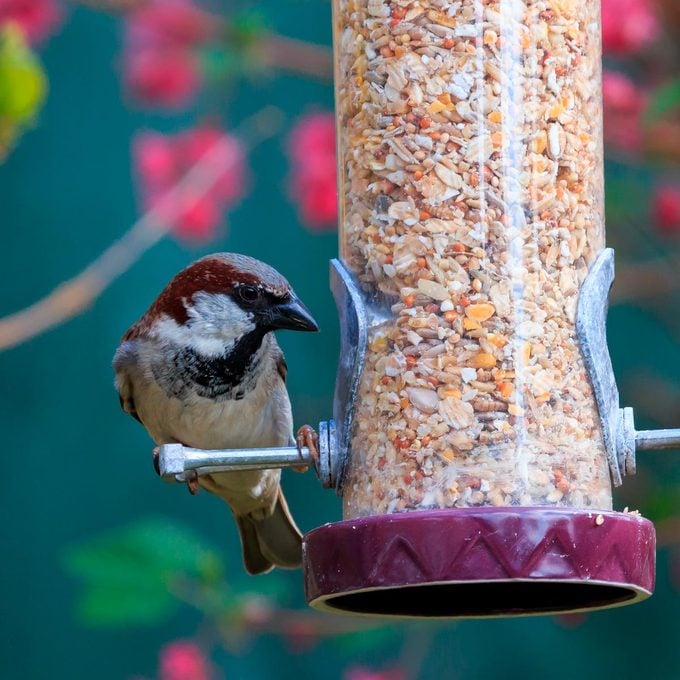
Feeders can complement natural food sources but should be used wisely to avoid dependency. Use a variety of feeders—platform, tube, and suet—to attract different bird types. Keep feeders clean and filled with fresh food, especially during dry summer spells.
Place feeders near shelter but not too close to windows to prevent collisions. Rotate feeder locations occasionally to keep birds safe from predators. Have you observed how feeder placement affects the number and types of birds visiting your garden?
Credit: www.familyhandyman.com
Frequently Asked Questions
Should I Feed Birds In The Summer?
Yes, feeding birds in summer helps them during hot, dry spells when natural food is scarce. It supports their energy needs and hydration.
What Foods Are Best For Summer Bird Feeding?
Offer fresh fruits, mealworms, and lightly salted seeds. Avoid moldy or spoiled food to prevent bird illness.
How Often Should I Refill Bird Feeders In Summer?
Refill feeders daily, especially during heatwaves. Birds eat more frequently to stay hydrated and maintain energy in warm weather.
Can Feeding Birds In Summer Cause Dependency?
No, occasional feeding supplements natural food. It does not cause dependency if you maintain natural food sources around.
Conclusion
Feeding birds in summer can be a good choice. It helps them find food during dry spells. Summer feeding attracts more birds to your garden. You can enjoy watching their vibrant colors and lively antics. Always provide fresh water for them.
Clean your feeders regularly to prevent disease. Choose seeds and treats wisely. This ensures a balanced diet for the birds. So, feeding birds in summer? It can be rewarding for both you and the birds.