
Are you tired of ants invading your bird feeder and ruining the peaceful moments of watching birds? Those tiny invaders can quickly turn your favorite outdoor spot into a battleground.
But don’t worry—there are simple, effective ways to keep ants away and enjoy birdwatching without the hassle. You’ll discover easy tips and tricks that work, so you can protect your feeder and keep the ants at bay. Keep reading to find out how to reclaim your feeder and bring the focus back to the birds you love.
Why Ants Invade Bird Feeders
Ants invading your bird feeder can be frustrating, especially when you’re trying to enjoy watching birds. Understanding why ants are drawn to feeders helps you manage and prevent these tiny intruders. Let’s look closer at what makes bird feeders so attractive to ants and the common species you might encounter around them.
Attraction To Food Sources
Ants are always on the lookout for easy food sources. Bird feeders often contain seeds, nuts, or sugary nectar, which ants find irresistible. Even small spills or residue on the feeder can create a scent trail that attracts ants from a distance.
Have you noticed ants forming long lines leading straight to your feeder? That’s because they leave a chemical trail for others to follow. Once a few ants find the food, many more quickly join the feast, turning your peaceful bird-watching spot into an ant highway.
Common Ant Species Around Feeders
Different ants are drawn to feeders depending on your region. Some of the most common culprits include:
- Odorous House Ants:Known for the coconut-like smell when crushed, these ants love sugary substances and often invade feeders.
- Carpenter Ants:Larger and more aggressive, they don’t eat seeds but may be attracted to sweet nectar or insects around feeders.
- Pavement Ants:These ants are tiny but persistent, feeding on both seeds and sugary spills.
Knowing which ants you’re dealing with can help you choose the best way to keep them away. Have you ever tried identifying the ants around your feeder? It might reveal clues to stopping their invasion for good.
Credit: www.kingsyard.com
Choosing The Right Feeder
Choosing the right bird feeder plays a big role in keeping ants away. A well-designed feeder stops ants from reaching the bird food. Some feeders come with features made to block ants. Others use materials that ants do not like. Picking the best feeder helps protect your bird feed and keeps ants at bay.
Ant-resistant Feeder Designs
Feeders with built-in ant barriers work best. These designs include:
- Moat-style feeders that use water to block ants
- Feeders with smooth poles that ants can’t climb
- Feeders with ant guards around feeding ports
- Feeders suspended from wires or hooks, away from branches
Such designs make it hard for ants to reach the food. They also reduce the need for chemicals or messy traps.
Materials That Deter Ants
Some materials naturally keep ants away. Consider feeders made from:
- Plastic with slippery surfaces
- Metal poles with a smooth finish
- Glass parts that ants find hard to grip
Wood feeders often attract ants because they absorb moisture. Plastic and metal feeders stay dry and less inviting. Choosing the right material helps reduce ant problems without extra effort.
Placement Strategies
Proper placement of your bird feeder can reduce ant problems significantly. Ants look for easy paths to reach food. Positioning the feeder carefully helps block these routes. Small changes in location can keep ants away without harming birds.
Ideal Locations To Minimize Ant Access
Choose spots away from trees and bushes. Ants often use branches as bridges to feeders. Keep feeders at least 6 feet from plants. Avoid placing feeders near garden mulch or soil. Ants build nests in these areas.
Mount feeders on metal poles rather than wooden ones. Metal is harder for ants to climb. Place feeders in open areas with good air flow. Sunlight and wind discourage ants from settling nearby.
Using Barriers And Supports
Add barriers between the feeder and ant routes. Use smooth, slippery materials like plastic or metal for supports. Wrap poles with tape or grease to block ants. Commercial ant guards are also effective.
Hang feeders from thin wires or chains. Ants find it harder to cross narrow, moving surfaces. Create a moat by placing the feeder pole in a cup of water. Water acts as a natural ant barrier.
Credit: www.outdoorguide.com
Natural Ant Repellents
Natural ant repellents offer safe and effective ways to protect bird feeders. These options avoid harmful chemicals that can hurt birds and pets. Many natural substances disrupt ants’ trails or taste, keeping them away without danger.
Using natural repellents helps maintain a healthy garden and supports wildlife. These substances are easy to find and often inexpensive. They allow you to keep ants at bay while enjoying birdwatching.
Safe Substances To Keep Ants Away
- Cinnamon: Strong smell confuses ants and blocks their path.
- Vinegar: Wipes out scent trails ants follow to feeders.
- Chalk: Powder interferes with ants’ ability to cross surfaces.
- Peppermint oil: Natural scent repels ants and other insects.
- Coffee grounds: Bitter taste deters ants from approaching.
- Bay leaves: Placed near feeders, ants avoid these aromatic leaves.
Homemade Repellent Recipes
| Ingredients | Instructions | Usage |
|---|---|---|
| 1 cup vinegar, 1 cup water | Mix vinegar and water in a spray bottle. | Spray around feeder base and pole daily. |
| 10 drops peppermint oil, 1 cup water | Combine peppermint oil and water, shake well. | Spray near ant trails and feeder surface. |
| 2 tbsp cinnamon powder | Sprinkle cinnamon around the feeder’s stand and tray. | Reapply after rain or every few days. |
| Used coffee grounds | Spread dry coffee grounds in a ring around feeder. | Replace grounds weekly for best effect. |
Maintenance Tips
Maintaining your bird feeder properly helps keep ants away. Consistent care creates a less inviting space for pests. Simple habits prevent ant problems and protect the birds.
Regular Cleaning Routines
Clean the feeder at least once a week. Use warm water and mild soap to remove sticky residues. Rinse thoroughly to remove all soap traces. Dry the feeder completely before refilling. This routine stops ants from finding food sources. It also keeps birds healthy by preventing mold and bacteria.
Removing Spilled Seeds And Debris
Clear any seeds or debris around the feeder daily. Ants are attracted to spilled food on the ground. Sweep or rake the area under the feeder regularly. This simple step reduces ant trails and nesting spots. Keeping the area tidy helps maintain a pest-free zone for birds to enjoy.
Using Ant Moats And Traps
Keeping ants away from your bird feeder can be a real challenge, especially if you want to avoid harmful chemicals. Using ant moats and traps offers a practical, eco-friendly way to protect the food meant for your feathered visitors. These tools create physical barriers and capture ants before they reach the feeder, making your bird-feeding experience much more enjoyable.
How Ant Moats Work
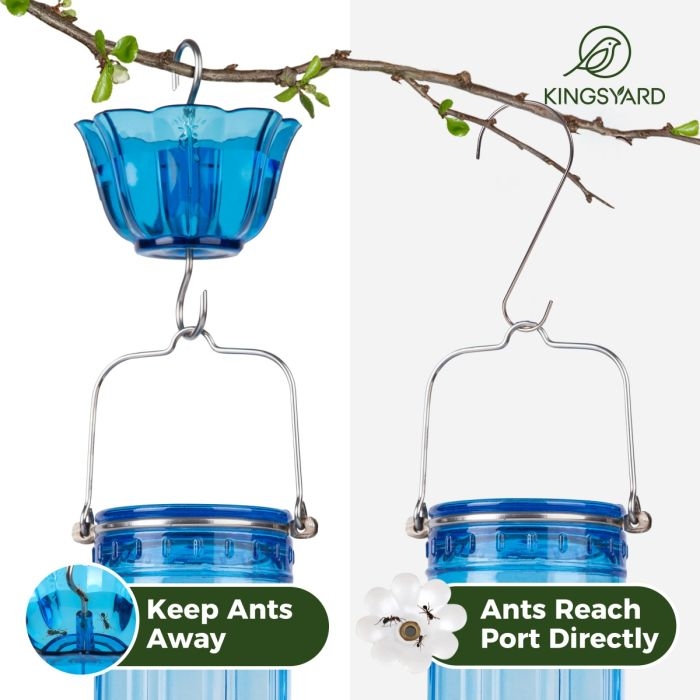
Ant moats act as water-filled barriers that ants cannot cross. You hang the bird feeder above a small container filled with water, which stops ants from climbing up to the feeder. This simple concept works because ants avoid water and cannot swim to the food source.
One time, I struggled with ants ruining my bird feeder for weeks. After attaching an ant moat, the feeder stayed ant-free for months. It’s a low-maintenance solution that doesn’t harm birds or the environment.
Setting Up Effective Traps
Ant traps lure ants away from your bird feeder using bait that they carry back to their colony. Choose traps that are safe for wildlife and place them near the ant trails, but not too close to the feeder. This helps reduce the ant population without putting birds at risk.
- Identify where ants enter your yard and place traps there.
- Use sweet baits like sugar or syrup-based traps to attract ants.
- Keep traps dry and check them regularly to replace bait as needed.
Have you noticed how ants seem to find the tiniest openings? Setting traps early can prevent a full invasion later. With patience and proper placement, traps can give you control over ants without disturbing your birds.
When To Seek Professional Help
Sometimes, ants near your bird feeder become too many to handle alone. Persistent ant problems can harm birds and ruin your feeder. Knowing when to seek expert help saves time and protects your outdoor space. Professionals have tools and knowledge to stop ants fast and safely.
Signs Of Severe Infestation
- Large groups of ants constantly around the feeder
- Visible tunnels or nests close to the feeder
- Ants entering your home from the feeder area
- Damage to the feeder or surrounding plants
- Failed attempts to control ants with home remedies
Seeing these signs means the problem is more than a small nuisance. Severe infestations need thorough treatment to avoid return.
Choosing Pest Control Services
Pick a pest control company with good reviews and experience. Ask if they use eco-friendly methods safe for birds and pets. Check if they offer a guarantee or follow-up visits. Clear communication about costs and treatment steps helps avoid surprises.
Trust experts to manage ants effectively and protect your bird feeder. Their skills make a big difference in long-term control.

Credit: www.yahoo.com
Frequently Asked Questions
How Can I Prevent Ants From Reaching My Bird Feeder?
Use ant moats or barriers filled with water around the feeder pole. Clean spilled seeds regularly to avoid attracting ants. Position feeders away from trees or structures ants use to climb.
What Natural Remedies Keep Ants Away From Bird Feeders?
Apply diatomaceous earth or cinnamon powder around the feeder base. These natural substances deter ants without harming birds. Avoid chemical pesticides to protect wildlife.
Why Do Ants Invade Bird Feeders Frequently?
Ants seek food sources, especially sugary or seed-based feeders. Spilled seeds and nectar attract them. Without barriers, ants easily access feeders to collect food.
Can Feeder Placement Reduce Ant Problems Effectively?
Yes, placing feeders away from ant trails, trees, or walls helps. Elevated feeders with smooth poles are harder for ants to climb. Consider hanging feeders with ant guards.
Conclusion
Keeping ants away from your bird feeder is achievable. Simple techniques work best. Use barriers like water moats to deter ants. Try natural repellents such as vinegar. Regularly clean the feeder to remove food traces. Consider placing the feeder away from ant trails.
These methods help maintain an ant-free feeder. Your birds will enjoy their meals in peace. With patience, you can enjoy watching birds without ant invasions. Remember, small efforts make a big difference. Happy bird watching!