
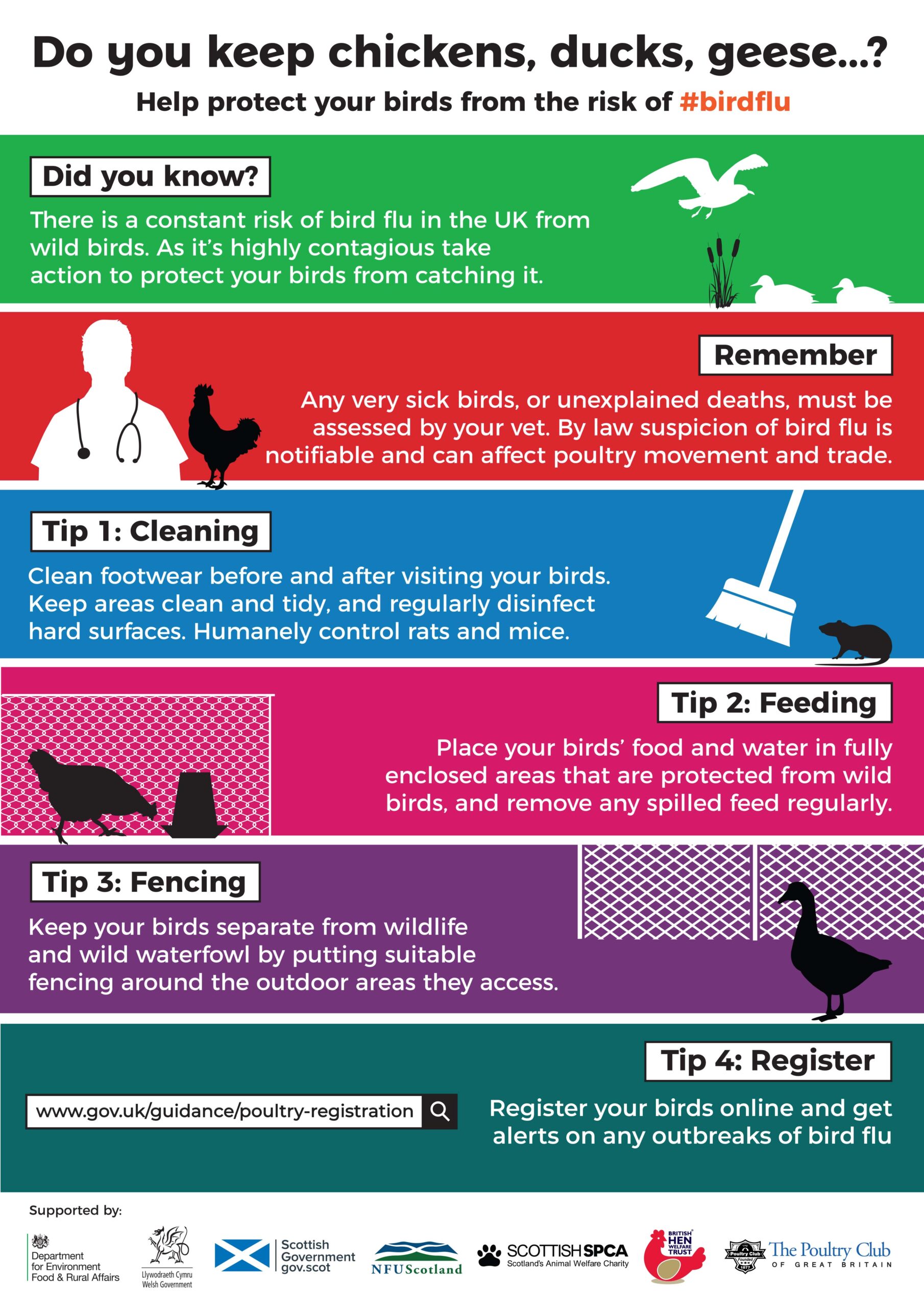
Are you worried about the bird flu and wondering if you should stop feeding birds in your garden? You’re not alone.
Many people who love watching and helping birds are asking the same question. Feeding birds feels like a kind and simple way to connect with nature, but what if it’s putting them—and you—at risk? You’ll discover the real facts about bird flu, how it spreads, and the safest ways to keep enjoying your feathered friends without worry.
Keep reading to find out what you need to know to protect both yourself and the birds you care about.
Bird Flu Basics
Understanding bird flu is important for anyone who feeds wild birds. This section explains the basics of bird flu, including what it is and how it spreads. Knowing these facts helps you decide whether to continue feeding birds during outbreaks.
What Is Bird Flu?
Bird flu, also called avian influenza, is a virus that infects birds. It mainly affects wild birds and poultry. Some types can spread to humans, but this is rare. The virus can cause illness and death in birds. It spreads quickly in places with many birds close together.
How Bird Flu Spreads
The virus spreads through bird droppings, saliva, and nasal secretions. Birds can catch it by touching contaminated surfaces or water. It also spreads when infected birds are near healthy ones. People can carry the virus on clothes or shoes. Feeding stations can become a hotspot for spreading the virus.
Credit: www.allaboutbirds.org
Impact On Wild Birds
The impact of bird flu on wild birds raises serious concerns for anyone who enjoys feeding and watching them. This disease doesn’t just affect a few individuals; it can rapidly spread through populations, changing the balance of local ecosystems. Understanding how bird flu affects wild birds helps you make informed choices about feeding practices and protecting these creatures.
Symptoms In Birds
Bird flu symptoms can be subtle at first, making it hard to notice affected birds. Look for signs like:
- Sudden weakness or difficulty flying
- Swelling around the eyes or neck
- Discharge from the beak or nostrils
- Unusual behavior such as lethargy or loss of coordination
- Sudden death without other obvious signs
Have you ever noticed a bird at your feeder looking unusually tired or inactive? That might be an early warning sign. Early detection is crucial to prevent the virus from spreading further.
Bird Populations At Risk
Some bird species are more vulnerable to bird flu than others. Waterfowl, like ducks and geese, often act as carriers, spreading the virus without showing severe symptoms. Meanwhile, songbirds and raptors can suffer more serious effects.
Areas with high bird density, such as parks or urban feeders, increase the risk of transmission. If you feed birds, think about how you can minimize crowding and keep feeders clean. Could changing your feeding habits protect not just individual birds but entire populations?
Risks Of Feeding Birds
Feeding birds brings joy and helps wildlife close to home. Yet, during bird flu outbreaks, feeding may carry risks. Understanding these dangers helps protect both birds and people.
How Feeding Can Spread Disease
Bird feeders attract many birds to one spot. This close contact makes it easy for viruses to spread. Droppings and saliva can contaminate feeders. Sick birds leave germs behind, infecting others quickly.
Shared food and water increase infection chances. Birds peck and touch the same surfaces. Bird flu viruses survive for days on feeders. This creates a hotspot for disease transmission.
Common Feeding Practices And Concerns
- Using feeders without cleaning them often leads to germ buildup.
- Placing feeders near windows can cause bird collisions and injuries.
- Feeding large groups attracts predators and increases stress in birds.
- Offering the same food for long periods may reduce birds’ natural foraging skills.
- Feeding during outbreaks can unintentionally support the spread of illness.
Safe Bird Feeding Tips
Feeding birds can bring great joy and a closer connection to nature. However, bird flu raises valid concerns about how to keep this activity safe for both you and the birds. Taking simple precautions can reduce risks and still let you enjoy watching your feathered friends.
Sanitizing Feeders
Clean feeders regularly to prevent the spread of diseases. Use hot water and a mild bleach solution (one part bleach to nine parts water) to disinfect feeders thoroughly. Rinse well and let them dry completely before refilling.
Dirty feeders can harbor viruses and bacteria, so avoid letting old food accumulate. If you notice mold or wet seed, clean the feeder immediately. This keeps the feeding area healthy and inviting for birds.
Choosing Safe Feed
Opt for seeds and foods that are less likely to carry disease. Black oil sunflower seeds are a popular choice because they attract many species and are less prone to mold. Avoid wet or clumped seed mixes, which can grow harmful fungi.
Consider providing fresh fruits like apple slices or berries instead of moist food that spoils quickly. Also, avoid feeding bread or processed foods that offer little nutrition and can harm birds.
When To Pause Feeding
Bird flu outbreaks may require you to stop feeding temporarily. If you notice sick birds or sudden die-offs nearby, it’s best to pause feeding to avoid spreading the virus. Watch local wildlife advisories for updates.
Pausing feeding for a few weeks during an outbreak can help protect bird populations. Ask yourself: is the joy of feeding worth the possible risk to bird health right now? Sometimes patience is the safest choice.
Alternatives To Feeding
Stopping bird feeding due to bird flu concerns is wise. Yet, you can still help birds thrive. There are safe and natural ways to support them. These alternatives focus on creating healthy environments and providing natural food sources. They encourage birds to stay strong without direct feeding.
Creating Bird-friendly Habitats
Plant native trees, shrubs, and flowers in your yard. These plants offer shelter, nesting spots, and food. They attract insects and berries that birds eat naturally. Leave leaf litter and dead wood in some areas. These provide homes for insects and small animals birds feed on.
Install birdhouses and nesting boxes to give safe places to rest. Keep water sources like birdbaths clean and fresh for drinking and bathing. Avoid chemicals and pesticides in your garden. These can harm birds and reduce their food supply.
Supporting Birds Naturally
Let nature take its course by encouraging a balanced ecosystem. Birds find food through insects, seeds, and fruit. Provide diverse plants to support insects and other wildlife. This creates a natural food chain for birds to rely on.
Keep your yard quiet during nesting seasons. Avoid disturbing bird nests and young birds. Observe birds from a distance to reduce stress. Supporting birds naturally helps them build resilience and stay healthy.

Credit: www.cbc.ca
Human Health Considerations
When thinking about bird flu and feeding wild birds, your health is a key concern. It’s important to understand the risks and how you can protect yourself while enjoying birdwatching. Let’s look at what bird flu means for people and how you can stay safe.
Can Bird Flu Affect People?
Bird flu mainly spreads among birds, but some strains can infect people too. Human cases are rare and usually happen after close contact with sick or dead birds. The virus doesn’t spread easily from person to person.
Still, it’s worth asking yourself: Are you touching bird feeders or birds with bare hands? This could increase your risk, especially if the birds are infected. Your everyday habits around birds can make a big difference.
Precautions For Bird Lovers
If you enjoy feeding birds, you don’t need to stop completely, but you should take extra care. Here are practical steps to protect yourself:
- Wear gloveswhen handling feeders or cleaning up bird droppings.
- Wash your handsthoroughly with soap and water after any contact with birds or feeders.
- Regularly clean and disinfectyour bird feeders to reduce virus spread.
- Avoid feeding birdsif you notice sick or dead birds in your area and report this to local wildlife authorities.
- Keep children and petsaway from bird feeders during outbreaks.
These steps help you keep your birdwatching hobby safe for both you and the birds. Have you checked your bird feeder cleaning routine lately? A small change could lower your risk significantly.
Monitoring Bird Flu Updates
Monitoring bird flu updates is vital for anyone who feeds birds or enjoys wildlife. The situation can change quickly, with new cases appearing in different areas. Staying informed helps protect your health and the birds around you. It also guides you on whether to pause feeding or take other precautions.
Reliable Sources For Information
Trust only official and well-known sources for bird flu news. Websites from government health departments and wildlife agencies provide accurate updates. Look for:
- Centers for Disease Control and Prevention (CDC)
- World Health Organization (WHO)
- Local or national wildlife services
- Veterinary health organizations
These sources regularly update their data and share practical advice. Avoid rumors from social media or unknown websites.
Local Outbreak Alerts
Bird flu outbreaks can be very local. Watch for alerts in your town or region. Local news channels and health departments often issue warnings. Sign up for email or text alerts if available. This way, you know immediately if bird flu reaches your area.
Respond quickly to local alerts by following recommended safety steps. This may include stopping bird feeding temporarily or cleaning bird feeders more often. Local alerts help you act in time to protect both yourself and birds.

Credit: www.cbc.ca
Frequently Asked Questions
Should I Stop Feeding Birds During Bird Flu Outbreaks?
It’s recommended to pause feeding birds to reduce virus spread. Feeding spots can gather many birds, increasing infection risk. Avoid feeding until authorities declare it safe again.
Can Bird Feeders Spread Avian Influenza Virus?
Yes, bird feeders can spread bird flu. Infected birds leave virus traces on feeders. Clean feeders regularly or avoid using them during outbreaks to protect wild birds.
How Can I Safely Feed Birds Amid Bird Flu?
If feeding, use clean feeders and fresh food. Clean feeders weekly with bleach solution. Avoid overcrowding by spacing feeders apart. Wash hands after handling feeders or bird food.
What Are Bird Flu Symptoms In Wild Birds?
Wild birds may show lethargy, swollen eyes, ruffled feathers, and difficulty flying. Sudden deaths can also occur. Report sick or dead birds to local wildlife authorities immediately.
Conclusion
Feeding birds can be a joyful activity. Bird flu concerns are real. Stay informed about local guidelines. Safety should be your top priority. Wash hands after handling bird feeders. Regularly clean feeders to reduce risks. Observe birds from a distance.
Enjoy their beauty without direct contact. Birdwatching can be a safe alternative. Always prioritize both human and bird health. Making informed decisions keeps everyone safe. Enjoy nature responsibly.