
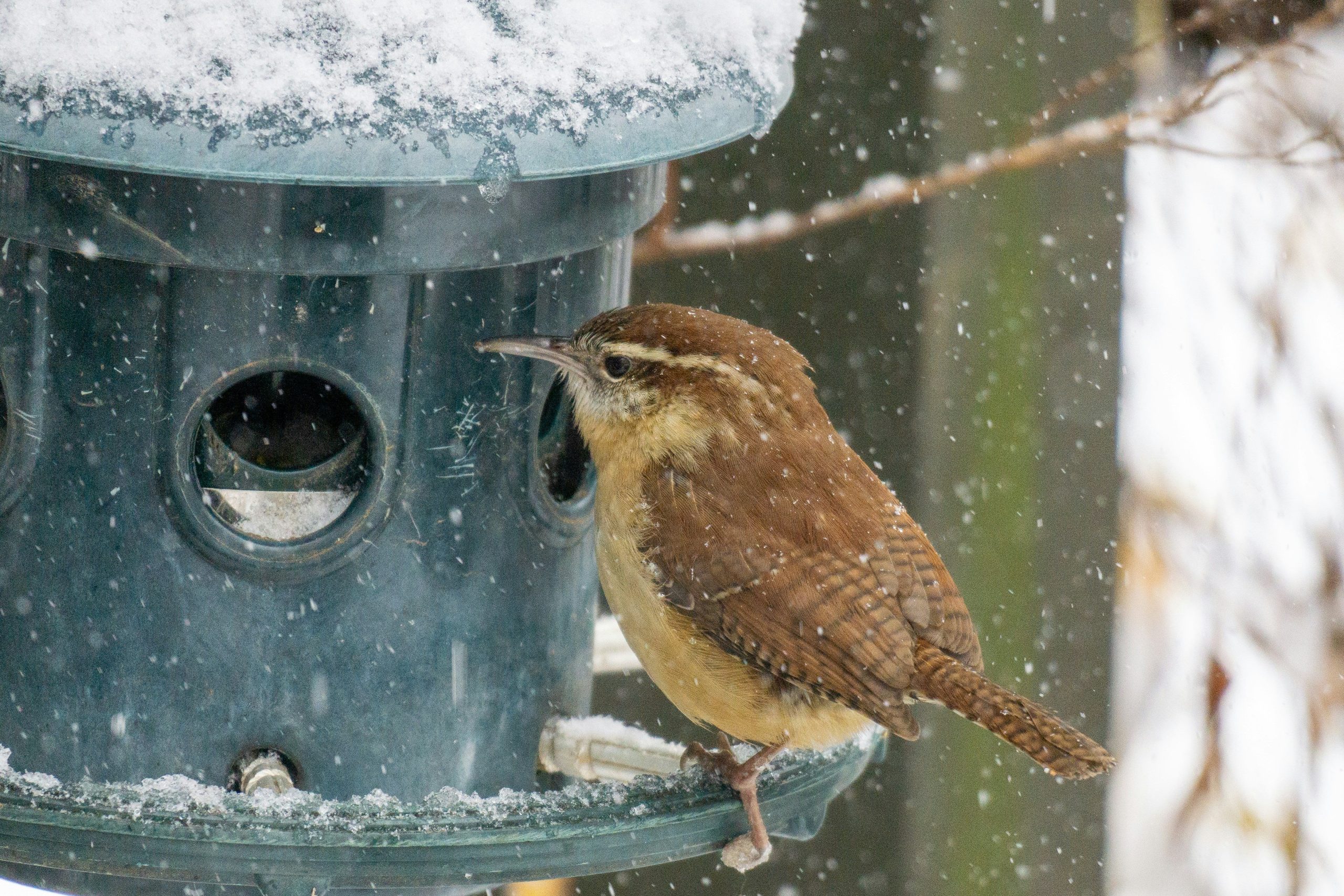
When winter arrives, your feathered friends face tough times finding food. You might wonder what to feed birds in the winter to help them survive and thrive.
Giving them the right food not only supports their health but also brings more birds to your yard, creating a lively and beautiful scene. You’ll discover simple, effective tips to keep birds happy and well-fed through the cold months. Keep reading to learn how you can make a real difference for your local birds this winter.
Why Feed Birds In Winter
Feeding birds in winter helps them survive harsh conditions. Cold weather and snow make finding food difficult. Offering food supports their energy needs and keeps them strong. It also brings birds closer, creating lively scenes near your home. Understanding why birds need help in winter shows the value of feeding them.
Challenges Birds Face
- Food is scarce due to snow cover.
- Cold temperatures increase energy use.
- Natural sources like insects and berries become rare.
- Water freezes, making hydration tough.
- Shorter daylight limits feeding time.
Benefits Of Feeding
- Provides essential energy for warmth and flight.
- Helps birds survive when natural food is low.
- Supports bird health and reproduction in spring.
- Encourages bird diversity in your area.
- Creates a chance to observe and enjoy wildlife.
High-energy Seeds
High-energy seeds are essential to keep birds active and healthy during the cold winter months. These seeds provide the calories birds need to maintain their body heat and energy levels. Offering a variety of high-energy seeds can attract different bird species to your backyard, making your winter birdwatching more enjoyable.
Sunflower Seeds
Sunflower seeds are a top choice for feeding birds in winter. Their high fat content gives birds the energy boost they need to survive chilly days. Black oil sunflower seeds, in particular, are preferred by many birds because they are easier to crack open and digest.
If you want to attract a wide range of birds, sunflower seeds are a reliable option. Cardinals, chickadees, and finches love them. Have you noticed how quickly birds flock to sunflower seeds once you put them out?
Safflower Seeds
Safflower seeds offer a great alternative to sunflower seeds. They have a high-fat content and are especially favored by cardinals and grosbeaks. One advantage is that squirrels and some unwanted birds often avoid safflower seeds, helping you keep your feeders for the birds you want.
Try mixing safflower seeds with other high-energy seeds to create a balanced winter diet. How might changing the seed mix affect the variety of birds visiting your feeder?
Nyjer Seeds
Nyjer seeds are tiny but pack a punch when it comes to energy. These seeds are particularly loved by finches, including goldfinches and redpolls. Their high oil content helps these small birds stay warm and active during freezing temperatures.
Nyjer seeds require special feeders with small holes to prevent spillage. If you’ve ever watched finches feeding on nyjer, you know how lively and fun they can be. Could adding nyjer seeds to your feeder bring a splash of color to your winter garden?
Nuts For Winter Birds
Nuts are a fantastic food choice for birds during the cold winter months. They provide essential fats and proteins that help birds maintain energy and stay warm. Offering a variety of nuts can attract different species to your feeder and keep your backyard lively.
Peanuts
Peanuts are one of the most popular nuts for winter birds. You can offer them shelled or unshelled, but unshelled peanuts keep longer and are less messy. Many birds, like woodpeckers, chickadees, and nuthatches, love peanuts because they’re easy to eat and packed with nutrients.
Make sure to provide unsalted and unflavored peanuts. Salt and additives can harm birds. Have you noticed which birds visit your feeder when you add peanuts?
Almonds
Almonds are another excellent option, rich in healthy fats and vitamins. Chop them into smaller pieces to make it easier for smaller birds to eat. Jays, titmice, and bluebirds often enjoy almonds, especially when other food sources are scarce.
Offering almonds can be a great way to support birds that prefer crunchy textures. Try mixing almonds with other nuts or seeds to see which combinations attract the most visitors.
Walnuts
Walnuts provide a hearty snack for many winter birds. Their high fat content is perfect for helping birds survive cold nights. Crack the walnuts into pieces so birds can easily access the meat inside.
Birds like jays and woodpeckers are particularly fond of walnuts. Have you tried placing walnut pieces near your feeder? You might be surprised by how quickly they disappear.

Credit: www.familyhandyman.com
Fruits And Berries
Fruits and berries provide essential nutrients to birds during cold winter days. They offer natural sugars and vitamins that boost energy and help birds stay warm. Many birds enjoy these tasty treats, which also attract a variety of species to your garden or feeder.
Apples And Pears
Apples and pears are safe and healthy snacks for birds. Cut them into small pieces to make eating easier. Leave the skin on for extra nutrients. Avoid fruit with mold or rot. These fruits attract robins, thrushes, and waxwings.
Cranberries And Raisins
Cranberries and raisins offer a sweet, chewy treat for birds. They are rich in antioxidants and energy. Use fresh or dried cranberries, and plain raisins without added sugar. Scatter them on bird feeders or mix with seeds. Sparrows, finches, and jays enjoy these berries.
Oranges
Oranges provide vitamin C and hydration for birds in winter. Slice the fruit into halves or quarters. Remove seeds to avoid choking hazards. Hang orange pieces on tree branches or place on feeders. Orioles, grosbeaks, and woodpeckers find oranges appealing.
Suet And Fat-rich Foods
Suet and fat-rich foods are a lifesaver for birds during the cold winter months. These high-energy treats help birds stay warm and active when natural food sources are scarce. Adding suet to your feeding routine can attract a variety of species, from woodpeckers to chickadees, offering you more chances to observe their winter behavior up close.
Homemade Suet Cakes
Making your own suet cakes gives you control over the ingredients, ensuring they’re safe and nutritious for birds. Start with rendered beef fat or suet as the base, then add ingredients like oats, peanut butter, and sunflower seeds for extra energy.
- Mix the fat with dry ingredients thoroughly.
- Press the mixture into molds or containers.
- Let it harden in the fridge before placing it outside.
Homemade suet cakes are easy to customize based on what birds are common in your area. Have you noticed certain birds preferring seeds over nuts? Adjust your recipe accordingly to keep them coming back.
Commercial Suet Blocks
Commercial suet blocks offer convenience and consistency. They come in various flavors and often include added vitamins or minerals to support bird health during winter.
- Look for blocks made with natural ingredients and no artificial additives.
- Choose blocks suitable for the bird species you want to attract.
- Place them in wire cages or suet feeders to keep them secure and accessible.
Using commercial blocks can be a great option if you’re short on time or unsure about making your own. Which option fits your lifestyle better—homemade or store-bought suet?

Credit: www.allaboutbirds.org
Safe Feeding Tips
Feeding birds in winter helps them survive cold days. Safe feeding keeps birds healthy and happy. Small steps make a big difference for their safety. Avoid foods that harm birds. Keep feeders clean to stop disease. Follow these tips for safe bird feeding.
Avoid Harmful Foods
- Do not offer bread. It has little nutrition and can hurt birds.
- Avoid salty or sugary snacks. They can cause serious health issues.
- Skip moldy or spoiled food. It can make birds sick.
- Never feed birds raw meat or processed foods.
- Stick to natural seeds, nuts, and suet for winter feeding.
Proper Feeder Maintenance
- Clean feeders every two weeks with hot, soapy water.
- Rinse feeders well to remove soap residue.
- Dry feeders thoroughly before refilling to prevent mold.
- Check feeders for damage and fix any sharp edges.
- Place feeders where they stay dry and safe from predators.
Attracting Diverse Bird Species
Attracting diverse bird species to your backyard during winter creates a lively and colorful scene. Different birds prefer different foods and feeders. Offering a variety of seeds and treats encourages many types to visit. It also helps birds survive harsh winter months by providing needed energy.
Choosing The Right Food Mix
Use a mix of seeds to draw various bird species. Black oil sunflower seeds attract finches, chickadees, and cardinals. Millet is favored by sparrows and juncos. Cracked corn works well for doves and quail. Peanuts and suet appeal to woodpeckers and nuthatches. Avoid seeds with fillers; birds usually ignore those.
- Black oil sunflower seeds for most small birds
- White proso millet for ground-feeding birds
- Cracked corn for larger birds
- Peanuts and suet for insect eaters
Offering fresh, dry food is important. Wet or moldy seeds can harm birds. Change feeders regularly to keep food clean.
Feeder Placement Strategies
Place feeders in safe, quiet spots near trees or shrubs. Birds need cover to hide from predators. Keep feeders visible to attract birds but protected from wind. Avoid placing feeders too close to windows to prevent collisions. Use multiple feeders spaced apart to reduce crowding. Clean feeders often to stop disease spread.
- Near natural shelter for quick escape
- At least three feet from windows
- Separate feeders by several feet
- Safe height to deter cats
Good placement makes birds comfortable and more likely to visit often.

Credit: amac.us
Frequently Asked Questions
What Are The Best Seeds To Feed Birds In Winter?
Sunflower seeds, nyjer seeds, and millet are top choices. They provide essential fats and energy for birds during cold months.
Can I Feed Birds Bread In Winter?
Avoid feeding bread as it lacks nutrients. It can cause health problems and doesn’t help birds survive winter.
How Often Should I Refill Bird Feeders In Winter?
Refill feeders daily or whenever they are empty. Birds need a consistent food supply to maintain energy in cold weather.
What Fruits Are Safe For Birds In Winter?
Offer apples, oranges, and berries. These fruits provide hydration and vitamins beneficial for birds during winter.
Conclusion
Feeding birds in winter helps them survive the cold months. Choose seeds like sunflower and nuts to attract a variety of birds. Always provide fresh water for them to drink. Avoid bread and processed foods. They aren’t good for birds.
Keep feeders clean to prevent disease. Enjoy watching the birds visit your garden. It’s rewarding and peaceful. With the right food, birds stay healthy and active. You help nature thrive in your own backyard. This simple act makes a big difference.
Happy birdwatching!